

News
30
May
Fractional CO2 Laser Explained: How Clinics Choose the Right System in 2026
Most clinic owners looking for a fractional CO2 laser machine are not just buying equipment—they are trying to solve real problems like stubborn acne scars, aging skin, and low treatment demand that directly affect clinic revenue. But the truth is, many CO2 laser skin resurfacing machines on the market look similar on paper while delivering completely different clinical results and stability in real use. If you choose the wrong system, it doesn’t just affect results—it slows down your business growth and damages client trust.
1. What Is a Fractional CO2 Laser Machine?
A fractional CO2 laser machine is one of the most widely used CO2 laser skin resurfacing machines in aesthetic clinics for treating scars, wrinkles, and overall skin renewal with controlled skin ablation and healing.
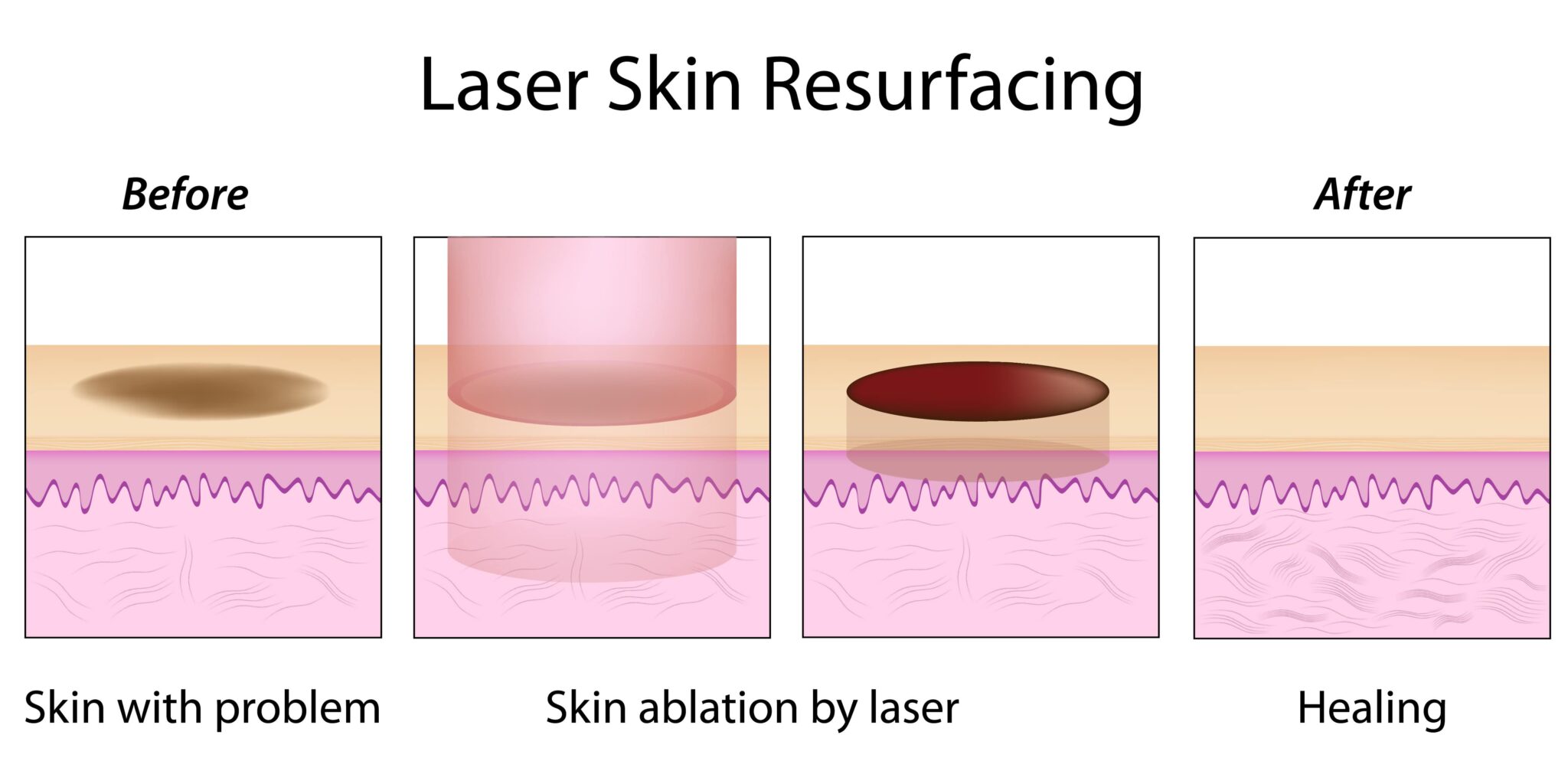
How Fractional CO2 Laser Technology Works
Fractional CO2 laser works by creating thousands of microscopic treatment zones on the skin using the principle of fractional photothermolysis, which means only a fraction of the skin is treated while the surrounding tissue stays intact. This is what helps the skin heal faster compared to traditional CO2 laser systems that remove the whole surface layer. That’s also why clinics prefer fractional CO2 laser treatment—it delivers strong resurfacing results but with much shorter downtime and better client comfort.
What Skin Concerns Can Fractional CO2 Laser Treat?
A fractional CO2 laser machine for clinics is used for a wide range of skin problems, especially acne scars, surgical scars, fine lines and wrinkles, enlarged pores, and overall skin resurfacing. It is also commonly used for sun damage, pigmentation issues, and even stretch marks where skin texture improvement is needed. This versatility is why many clinics rely on it as a core anti-aging and scar-repair treatment.
Why Fractional CO2 Laser Remains Popular in 2026
In 2026, the demand for fractional CO2 laser machines is still strong because skin resurfacing treatments continue to be one of the highest-value services in clinics. The pricing per session is stable and profitable, making it a reliable income generator for clinic owners. On top of that, its versatility across both medical spas and dermatology clinics keeps it as a must-have CO2 laser machine for clinics worldwide.
2. What Results Can Clients Expect from Fractional CO2 Laser Treatments?
A fractional CO2 laser treatment delivers gradual but visible skin improvement, especially for clinics targeting acne scars, wrinkles, and overall skin resurfacing results.
Typical Treatment Timeline
After 1 session of fractional CO2 laser skin resurfacing, most clients will notice early improvements in skin texture and smoother surface, but redness and healing are still part of the process. After 3 treatments, results become much more obvious, especially in scar depth reduction and fine line softening. Over time, long-term collagen remodeling continues for weeks to months, which is why results keep improving even after the treatment course ends.
Before-and-After Results Clinics Commonly See
Clinics using a professional fractional CO2 laser machine commonly see strong improvements in acne scars, especially pitted and atrophic scars. Skin texture becomes smoother, pores look smaller, and wrinkles start to soften after a few sessions. Overall skin rejuvenation is one of the biggest selling points, as clients often feel their skin looks “new” again.
Managing Client Expectations
With fractional CO2 laser treatment, results always depend on skin condition, age, and how deep the damage is, so not every client responds the same way. That’s why proper consultation is important before starting treatment to avoid unrealistic expectations. Good clinics always set a clear treatment plan so clients understand both the healing process and the gradual improvement journey.
3. What Actually Matters When Choosing a Fractional CO2 Laser Machine?
When selecting a fractional CO2 laser machine for clinics, the real value is not just specifications on paper, but how stable, safe, and easy the system is during daily treatments.
Stable Laser Energy Output
For any CO2 laser skin resurfacing machine, stable energy output matters more than “high power” marketing claims because consistent energy is what delivers predictable skin results. If the energy is unstable, one area may get too weak results while another gets over-treated, leading to uneven healing and poor client satisfaction. That’s why experienced clinics always prioritize consistency when choosing a fractional CO2 laser machine.
Laser Tube Quality and Lifespan
The laser tube is one of the core parts of a professional fractional CO2 laser machine, and there is a big difference between metal RF tubes and traditional glass tubes. Metal RF tubes usually offer longer lifespan, better stability, and lower maintenance frequency, while glass tubes may require more frequent replacement. In the long run, tube quality directly affects operating cost and clinic downtime.
Adjustable Treatment Parameters
A good fractional CO2 laser machine for clinics must allow flexible control of energy, density, pulse duration, and scan patterns. These parameters determine how aggressive or gentle the treatment will be, depending on different skin conditions. The more precise the adjustment, the easier it is for clinics to treat both mild skin rejuvenation and deep scar resurfacing safely.
User-Friendly Software and Treatment Presets
User-friendly software is often underestimated, but it plays a huge role in real clinic operation of a CO2 laser machine for clinics. Preset modes help staff start treatments quickly without overthinking settings, especially for new operators. This not only speeds up training but also reduces human error during daily treatments.
Cooling and Safety Features
Strong cooling and built-in safety systems are essential for any fractional CO2 laser treatment machine, especially when treating sensitive facial areas. Good cooling improves patient comfort and reduces post-treatment redness and heat damage. At the same time, safety monitoring ensures the machine runs reliably in long-term daily clinic use without unexpected risks.
4. Fractional CO2 Laser vs Other Skin Resurfacing Technologies
Different skin resurfacing technologies serve different clinic needs, and understanding the gap helps you choose the right fractional CO2 laser machine or complementary system for better treatment planning.
Fractional CO2 Laser vs RF Microneedling
A fractional CO2 laser treatment works mainly on the skin surface by vaporizing damaged tissue and triggering strong resurfacing results, while RF microneedling works deeper by heating the dermis through needles without ablating the surface. CO2 laser is usually stronger for acne scars, wrinkles, and texture correction, but RF microneedling has less downtime and is more comfortable for sensitive clients. Many clinics actually use both as complementary skin resurfacing technologies instead of choosing only one.
Fractional CO2 Laser vs Erbium YAG Laser
Both fractional CO2 laser and Erbium YAG laser are used for skin resurfacing, but CO2 is generally more aggressive with stronger collagen stimulation and deeper remodeling effects. Erbium YAG is more precise and gentler, which means faster healing but usually milder results compared to a CO2 laser skin resurfacing machine. Clinics that focus on scar revision and deep wrinkles often prefer CO2, while lighter rejuvenation cases may use Erbium YAG.
Fractional CO2 Laser vs Chemical Peels
Chemical peels work by applying acids to remove the outer skin layer, but they are limited in how deeply they can treat scars and wrinkles. A fractional CO2 laser machine goes deeper into the skin structure, making it more effective for long-term texture improvement and acne scar reduction. Peels are often used for maintenance or mild pigmentation, while CO2 laser is a higher-level resurfacing solution.
Which Technology Is Best for Different Clinic Goals?
If your clinic focuses on high-value treatments like acne scar repair and anti-aging, a fractional CO2 laser machine for clinics is usually the strongest revenue driver. If your goal is fast recovery and mild skin improvement, RF microneedling or chemical peels may be more suitable. In real clinic operation, many successful businesses combine multiple skin resurfacing technologies to serve different client budgets and skin conditions.
5. How Much Can a Clinic Earn with a Fractional CO2 Laser Machine?
A fractional CO2 laser machine for clinics is not just a treatment device, but also one of the most stable revenue generators in a skin-focused clinic.
Typical Treatment Pricing
In most markets, a fractional CO2 laser treatment is usually priced higher than basic facials because it targets deeper skin issues like acne scars, wrinkles, and resurfacing. Clinics often charge per area or full face, and pricing varies depending on the clinic location and doctor experience. This makes each session a high-value service compared to many other aesthetic treatments.
Estimated Return on Investment (ROI)
A well-used CO2 laser skin resurfacing machine can typically recover its cost within a few months if the clinic has steady patient flow. Since treatment cost per session is relatively low compared to the selling price, the profit margin is usually strong. The ROI becomes even faster when clinics actively market scar revision and anti-aging packages.
Why Fractional CO2 Laser Often Becomes a High-Profit Service
The reason a fractional CO2 laser machine becomes a high-profit service is simple: strong demand, visible results, and repeat treatment plans. Clients often need multiple sessions for acne scars and skin rejuvenation, which naturally increases lifetime value per client. For many clinics, it quickly becomes a “signature treatment” that drives both income and reputation.
6. How to Find a Reliable Fractional CO2 Laser Manufacturer in China
Choosing the right fractional CO2 laser manufacturer is just as important as choosing the machine itself, because long-term support can directly affect your clinic's success.
Check Manufacturing Experience and Industry Reputation
A reliable fractional CO2 laser manufacturer in China should have years of experience in the aesthetic device industry and a proven track record with international clients. Experienced manufacturers usually understand clinic needs better and can provide more stable products. Before buying, check customer feedback, export history, and how long the company has been producing CO2 laser machines for clinics.
Ask About Training and Clinical Support
Many clinics focus only on machine specifications and forget to ask about training, which can become a problem later. A good fractional CO2 laser supplier should provide treatment protocols, user manuals, videos, and technical guidance to help staff use the machine correctly. Better training often leads to better treatment results and faster return on investment.
Verify Certifications and Quality Control Processes
Before purchasing a professional fractional CO2 laser machine, ask about certifications and quality control procedures. Reliable manufacturers typically perform multiple inspections during production and testing before shipment. Strong quality control helps reduce machine failures and ensures consistent clinical performance.
Evaluate After-Sales Service Before You Buy
One of the biggest mistakes buyers make is checking after-sales support only after a problem occurs. A trustworthy fractional CO2 laser supplier should offer quick technical assistance, troubleshooting support, spare parts availability, and clear warranty policies. Good after-sales service can save clinics significant time and money over the life of the machine.
OEM and Branding Opportunities for Distributors
For distributors and growing brands, choosing a fractional CO2 laser manufacturer that offers OEM and private-label services can create additional business opportunities. Custom branding helps build market recognition and makes products easier to promote locally. Many successful distributors grow faster by partnering with manufacturers that support long-term brand development rather than simply selling equipment.
7. Common Problems Clinics Face After Buying a Cheap CO2 Laser Machine
A low-priced fractional CO2 laser machine may look attractive at first, but many clinics discover hidden costs and operational problems after the purchase.
Inconsistent Treatment Results
One of the most common issues with a cheap CO2 laser skin resurfacing machine is unstable energy output, which can lead to inconsistent treatment results. Some clients may see good improvement while others experience uneven outcomes, making it difficult for clinics to build trust and maintain a strong reputation. Consistency is often what separates a professional system from a budget machine.
Frequent Machine Downtime
Machine downtime is more expensive than many clinic owners expect because every cancelled appointment means lost revenue. Low-quality components in a fractional CO2 laser machine can increase the risk of breakdowns and service interruptions. Over time, these disruptions can affect both clinic efficiency and customer satisfaction.
Lack of Technical Support
Some buyers only discover after delivery that their supplier offers little or no technical assistance. When a CO2 laser machine for clinics develops an issue, delayed responses can leave the machine sitting unused for days or even weeks. Reliable support is often just as important as the machine itself.
Difficulty Training Staff
Without proper training materials and clinical guidance, staff may struggle to use a fractional CO2 laser treatment machine confidently. This can lead to inconsistent settings, slower treatment times, and unnecessary mistakes. Good suppliers help clinics shorten the learning curve and improve treatment outcomes.
Higher Long-Term Costs Than Expected
A cheaper machine does not always mean a lower total cost of ownership. Frequent repairs, replacement parts, downtime, and lost treatment opportunities can make a low-cost fractional CO2 laser machine for clinics far more expensive in the long run. Many experienced clinic owners find that investing in quality from the beginning ultimately saves money and reduces stress.
8. Who Should Invest in a Fractional CO2 Laser Machine?
A fractional CO2 laser machine is a versatile device that can fit different business models, from treatment providers to distributors looking for profitable product lines.
Aesthetic Clinics
For aesthetic clinics, a fractional CO2 laser machine for clinics can become a core treatment for acne scars, wrinkles, enlarged pores, and skin rejuvenation. These are some of the most common concerns clients actively search for, making the machine a valuable tool for attracting and retaining patients. It also allows clinics to offer higher-value treatments with strong profit potential.
Dermatology Clinics
Dermatology clinics often use fractional CO2 laser treatment for more advanced skin resurfacing procedures, including scar revision and sun-damaged skin. The technology provides deeper skin remodeling compared to many non-ablative treatments. This makes it a practical addition for clinics focused on medical and cosmetic skin treatments.
Medical Spas
A CO2 laser skin resurfacing machine can help medical spas expand beyond basic facials and offer more results-driven services. Because clients can see visible improvements in skin texture and overall appearance, these treatments often generate strong word-of-mouth referrals. Many medical spas use CO2 laser treatments to position themselves as premium service providers.
Distributors Looking for High-Demand Devices
For distributors, a fractional CO2 laser machine remains one of the most recognized and in-demand aesthetic devices worldwide. Clinics are constantly looking for reliable solutions for acne scars, anti-aging, and skin resurfacing, creating ongoing market demand. Partnering with a reliable fractional CO2 laser manufacturer can also provide OEM opportunities and long-term business growth.
Conclusion
A fractional CO2 laser machine remains one of the most valuable investments for clinics looking to offer acne scar treatment, skin resurfacing, wrinkle reduction, and overall skin rejuvenation. The key is choosing a reliable CO2 laser machine for clinics that delivers stable performance, strong clinical results, and dependable long-term support. By focusing on quality, training, and after-sales service rather than price alone, clinics can achieve better patient outcomes and a stronger return on investment.
CTA
Looking for a reliable fractional CO2 laser manufacturer in China? Krysmed Technology has over 15 years of experience helping clinics, medical spas, and distributors grow their business with professional fractional CO2 laser machines, comprehensive training, OEM customization, and responsive technical support. Contact our team today to learn more about the right CO2 laser skin resurfacing machine for your clinic and get expert advice tailored to your business goals.
FAQ
1. What is a fractional CO2 laser used for?
A fractional CO2 laser is commonly used for acne scar treatment, wrinkle reduction, skin resurfacing, enlarged pores, sun damage, and overall skin rejuvenation. It works by creating controlled micro-injuries in the skin to stimulate collagen production and skin renewal. This makes it one of the most popular treatments offered by clinics and medical spas.
2. Is fractional CO2 laser good for acne scars?
Yes, fractional CO2 laser treatment is widely considered one of the most effective options for improving acne scars, especially atrophic and pitted scars. By stimulating collagen remodeling deep within the skin, it helps smooth uneven texture over time. Most clients achieve the best results after multiple treatment sessions.
3. How many fractional CO2 laser treatments are needed?
The number of treatments depends on the severity of the skin condition and the client's goals. Mild skin rejuvenation may require only 1–3 sessions, while deeper acne scars often need 3–5 treatments or more. A consultation is the best way to create an appropriate treatment plan.
4. How long is the downtime after fractional CO2 laser?
Downtime after fractional CO2 laser skin resurfacing typically ranges from a few days to around two weeks, depending on treatment intensity. Clients usually experience redness, swelling, and peeling during the healing process. Most people can return to normal daily activities within several days, although complete recovery takes longer.
5. Is fractional CO2 laser better than RF microneedling?
Neither technology is universally better because they address different treatment goals. A fractional CO2 laser machine generally delivers stronger resurfacing results for acne scars, wrinkles, and texture correction, while RF microneedling often offers less downtime and greater comfort. Many successful clinics provide both treatments to meet different client needs.
6. How much does a professional fractional CO2 laser machine cost?
The price of a professional fractional CO2 laser machine varies depending on laser tube quality, software features, certifications, and manufacturer support. Entry-level systems may cost significantly less, while premium clinic-grade machines require a larger investment. Buyers should evaluate long-term value, not just the initial purchase price.
7. What should clinics look for when buying a fractional CO2 laser machine?
When choosing a fractional CO2 laser machine for clinics, key factors include stable energy output, laser tube quality, adjustable treatment parameters, user-friendly software, and reliable after-sales support. Training and technical assistance are also important for long-term success. The cheapest machine is rarely the most cost-effective choice over time.
8. How profitable is a fractional CO2 laser treatment for clinics?
A fractional CO2 laser treatment is often one of the most profitable services in aesthetic clinics because of its strong demand and relatively low consumable costs. Clients frequently require multiple sessions, which increases overall treatment revenue. For many clinics, CO2 laser treatments become a core profit center and a major driver of repeat business.
Our Contact
Ready to Elevate Your Business with Krysmed?
Let’s discuss your needs and find the best solution for your business. Our experts are here to provide personalized recommendations tailored to your business needs.
-
Call For Inquiry
-
Send Us Email
info@krysmed.com
Get A Custom Quote Now!
We value your privacy and guarantee a prompt, professional reply.
 WhatsApp
 info@krysmed.com
 +86 19867944875