

News
05
Dec
HIFU or Fractional CO2 Laser: What’s the Best Option for Skin Tightening and Resurfacing in 2026?
As more clients look for non-surgical ways to lift, tighten, and rejuvenate their skin, two treatments consistently stand out: HIFU and fractional CO2 laser. Although both boost collagen and deliver visible anti-aging results, they work in completely different layers of the skin — and choosing the right one can make a huge difference in outcomes.
This guide breaks down how each treatment works, what concerns they target, and which option is the better choice for skin tightening and resurfacing in 2026. Whether you run a clinic or are planning your next treatment, this comparison helps you decide with confidence.
What Is HIFU? (High-Intensity Focused Ultrasound)
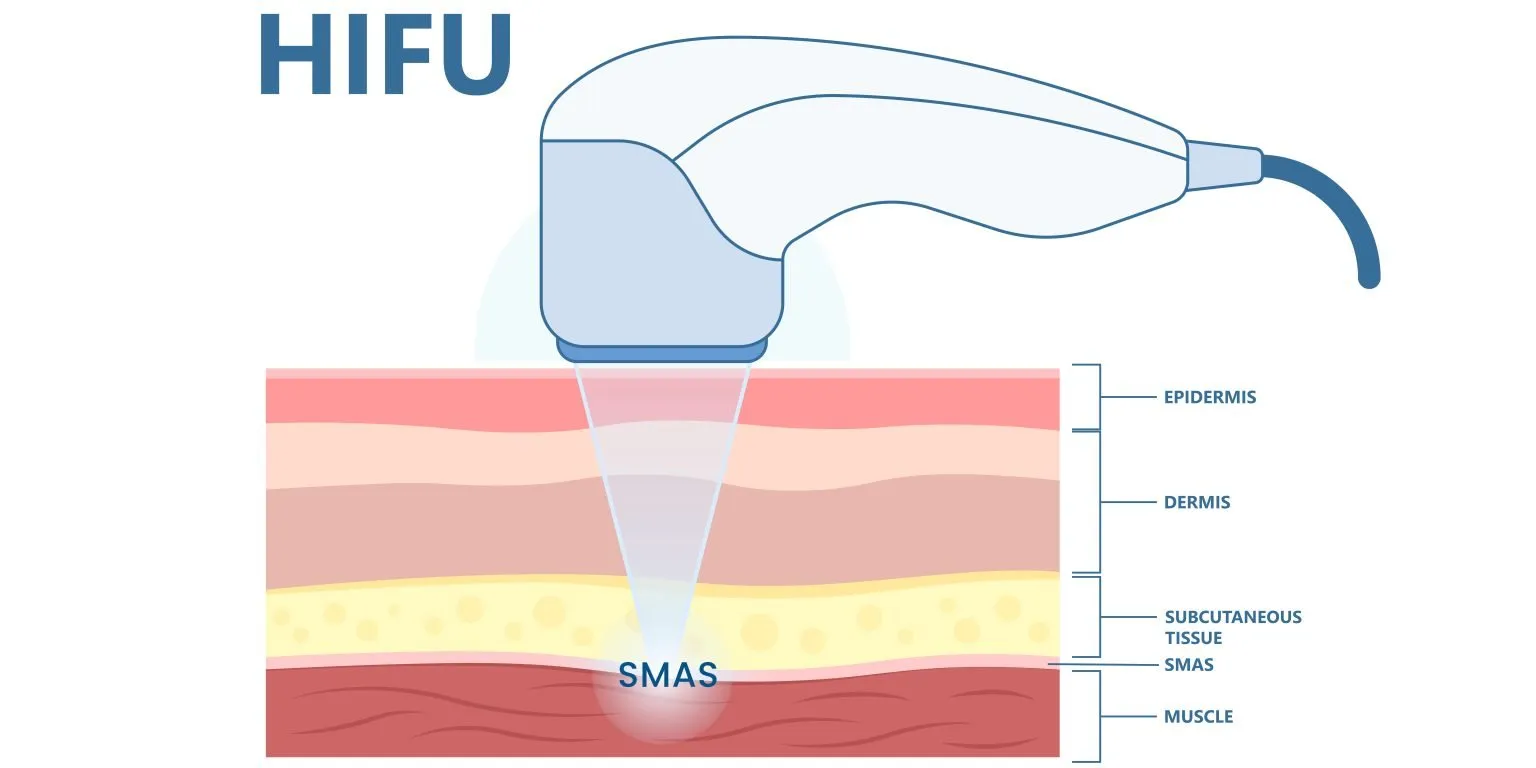
HIFU, or High-Intensity Focused Ultrasound, is a non-invasive lifting and tightening treatment that uses concentrated ultrasound energy to heat targeted tissues deep beneath the skin. Unlike surface-level treatments, HIFU reaches the SMAS layer — the same layer tightened during surgical facelifts — without cutting or damaging the skin’s surface.
How HIFU Works
HIFU delivers focused ultrasound energy at precise depths (3.0mm, 4.5mm, and sometimes 6–13mm for body areas).
When the SMAS layer and deep dermis reach 60–70°C, thermal coagulation points are created, triggering:
1.New collagen production
2.Tissue contraction
3.Gradual lifting and tightening over the following 6–12 weeks
Because the energy bypasses the epidermis, there is no downtime and minimal risk of pigmentation issues.
Key Benefits of HIFU
Non-surgical lifting for face and neck
Improves skin laxity and restores contour
Reduces double chin and jawline heaviness
Targets deeper layers safely without damaging the skin surface
Minimal downtime — clients can return to normal activities immediately
Natural, progressive results as collagen rebuilds
Ideal Skin Concerns
HIFU is best suited for clients dealing with:
Sagging cheeks and mid-face
Drooping jawline or double chin
Mild to moderate skin laxity
Fine lines caused by reduced firmness
Early signs of aging in the 30s–50s
It is not designed for texture, scars, or superficial wrinkles — those are better treated with fractional CO2.
Who Is the Best Candidate?
The best candidates for HIFU include:
Adults experiencing mild to moderate sagging
Clients who want lifting without downtime or needles
Individuals with good skin quality but reduced firmness
People in their 30s to late 50s
Those who prefer gradual, natural-looking results
HIFU may be less effective for severe laxity or very thin, fragile skin.
What Is Fractional CO2 Laser?
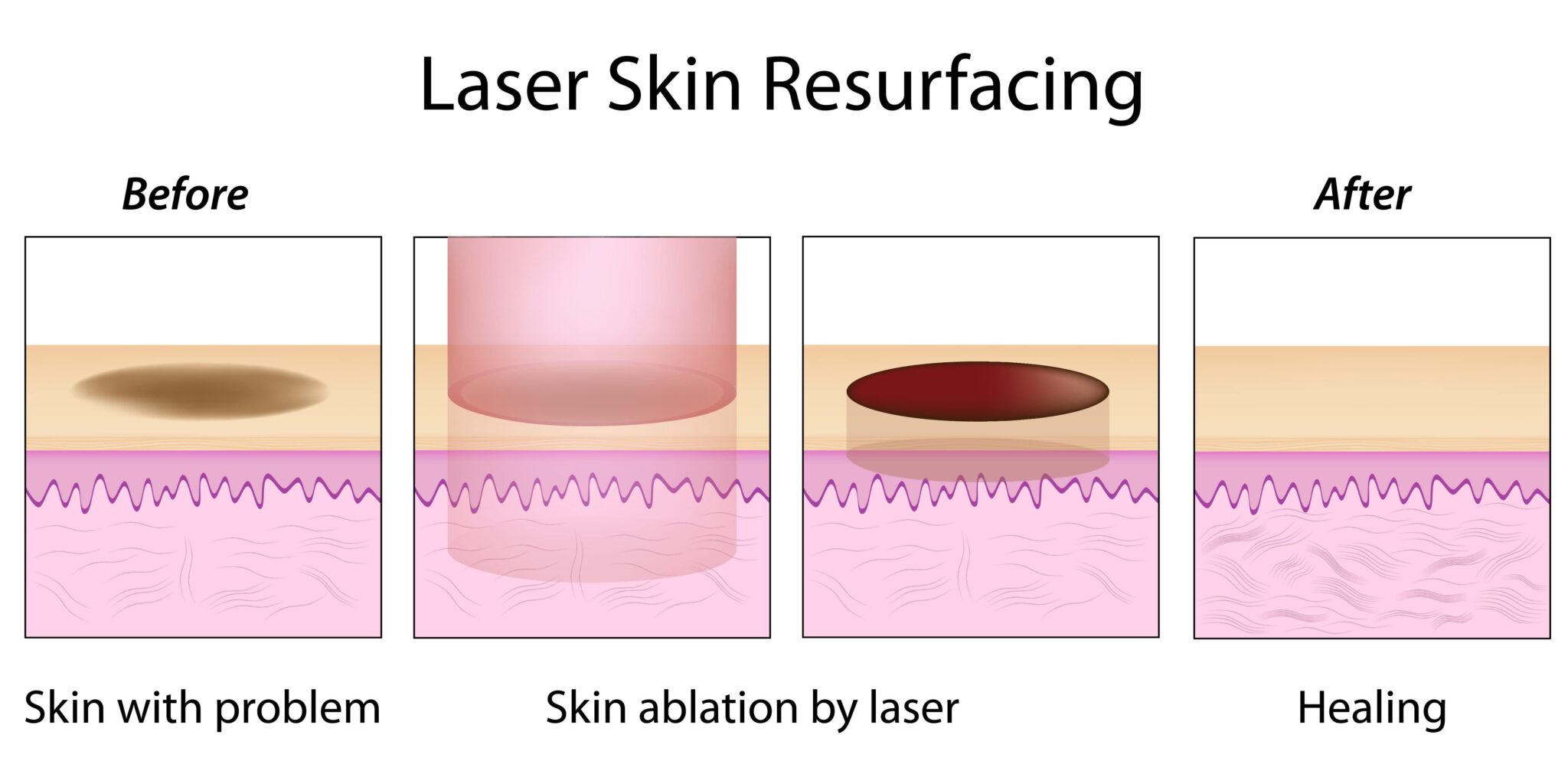
Fractional CO2 laser is an advanced skin-resurfacing treatment that uses a carbon dioxide (CO2) laser to create thousands of microscopic columns—known as fractional channels—on the skin’s surface. These tiny controlled injuries remove damaged skin cells and stimulate powerful collagen remodeling in the epidermis and dermis.
Unlike HIFU, which works deep in the SMAS layer, fractional CO2 focuses on surface and mid-dermal rejuvenation, making it ideal for texture repair and scar reduction.
How Fractional CO2 Laser Works
During treatment, the CO2 laser emits light at 10,600 nm, which is strongly absorbed by water in the skin. This creates:
Micro-ablative channels (tiny holes that vaporize damaged skin)
Thermal zones surrounding the channels to trigger collagen rebuilding
Regeneration of new, smoother, healthier skin
Because the laser affects the outer layer of the skin, clients can expect some downtime as the epidermis heals and renews.
Key Benefits of Fractional CO2 Laser
Significantly improves skin texture
Reduces acne scars and surgical scars
Smooths wrinkles and fine lines
Minimizes pores
Evens skin tone and pigmentation irregularities
Delivers dramatic resurfacing results in 1–2 sessions
This is one of the most effective treatments for aging and scarred skin.
Ideal Skin Concerns
Fractional CO2 laser is best suited for clients with:
Acne scars, ice-pick scars, or atrophic scars
Deep or static wrinkles
Sun damage and rough texture
Large pores
Uneven skin tone
Skin that needs full rejuvenation
Unlike HIFU, CO2 laser is not designed for lifting or tightening deeper layers.
Who Is the Best Candidate?
The best candidates typically include:
1. Individuals with visible texture issues or scars
2. Clients seeking stronger results than chemical peels or microneedling
3. People comfortable with 3–7 days of downtime
4. Ages 25–60, depending on skin concerns
5. Fitzpatrick skin types I–III (requires caution for darker skin tones due to PIH risk)
For clients with darker skin (IV–VI), lower settings or non-ablative alternatives may be recommended.
HIFU vs Fractional CO2: How They Work on Skin
HIFU and fractional CO2 laser both stimulate collagen, but the way they interact with the skin is completely different. Understanding their mechanisms helps explain why one is better for lifting and the other for resurfacing.
Energy Type: Ultrasound vs Ablative Laser
HIFU (High-Intensity Focused Ultrasound)
Uses focused ultrasound waves
Creates thermal coagulation points in deep tissues without damaging the surface
Non-ablative: keeps the epidermis intact
Fractional CO2 Laser
Uses a 10,600 nm ablative laser
Vaporizes micro-columns of skin (fractional ablation)
Removes damaged epidermis and heats the dermis to repair texture
Summary:
HIFU = deeper, non-ablative
CO2 = surface + mid-dermis, ablative
Depth of Penetration
HIFU
Can reach 3.0 mm, 4.5 mm, and sometimes 6–13 mm for body areas
Penetrates deeper than most non-surgical devices
Targets the structural layers responsible for lifting
Fractional CO2
Works at 0.1–1.5 mm depth
Primarily affects the epidermis and upper dermis
Ideal for texture and wrinkle correction, not deep tightening
Summary:
HIFU penetrates up to 4–13 mm, while CO2 reaches only the surface and shallow dermis.
Layers Affected (SMAS vs Epidermis–Dermis)
HIFU
Targets the SMAS (Superficial Musculoaponeurotic System)
Same layer tightened during a surgical facelift
Also heats the deep dermis to support lifting
Fractional CO2
Affects the epidermis and upper-to-mid dermis
Removes damaged outer layers
Smooths wrinkles, scars, pigmentation, and rough patches
Summary:
HIFU = structural lifting layer
CO2 = surface repair layer
Collagen Stimulation Differences
HIFU
Stimulates collagen from the inside out, starting from the SMAS and deep dermis
Results appear gradually over 8–12 weeks
Focused on tightening and lifting
Fractional CO2
Stimulates collagen from the outside in, beginning with wound healing in the epidermis and dermis
Results appear faster but involve more downtime
Focused on resurfacing, smoothing, and regeneration
Summary:
HIFU = deep collagen remodeling + lifting
CO2 = surface collagen renewal + smoothing
Results Comparison: HIFU vs Fractional CO2
Both HIFU and fractional CO2 laser stimulate collagen, but the results differ significantly depending on the treatment goal. Here’s a detailed comparison across key outcome areas.
1. Lifting & Tightening Results
HIFU
Targets the SMAS layer for deep lifting
Improves jawline contour, sagging cheeks, and double chin
Creates a gradual, natural “facelift” effect over 8–12 weeks
Fractional CO2
Primarily affects surface layers
Provides mild tightening, but cannot lift deeper structures
Better suited for smoothing skin than lifting
Winner: HIFU for deep, natural lifting
2. Wrinkle Reduction
HIFU
Reduces wrinkles caused by skin laxity
Mild effect on static or deep etched lines
Fractional CO2
Very effective on fine lines and deep wrinkles
Especially effective around eyes, forehead, and mouth
Results visible after skin healing (usually 7–14 days)
Winner: Fractional CO2 for wrinkle smoothing
3. Scar Improvement
HIFU
Minimal to no effect on scars
Cannot remodel scar tissue on the epidermis or dermis
Fractional CO2
Excellent for acne scars, pitted scars, and surgical scars
Promotes collagen remodeling directly in damaged areas
Noticeable improvement after 1–3 sessions
Winner: Fractional CO2 for scar reduction
4. Tone & Texture Differences
HIFU
Limited impact on skin tone
Slight improvement in firmness, but surface texture remains largely unchanged
Fractional CO2
Improves uneven tone, pigmentation spots, and dullness
Smooths rough skin and reduces enlarged pores
Provides a more radiant and even complexion
Winner: Fractional CO2 for tone and texture
5. Duration of Results
HIFU
Results last 6–12 months
Maintenance recommended once a year
Gradual, natural-looking improvement
Fractional CO2
Texture and scar improvements can last 1–2 years
Wrinkle reduction depends on skin type and aftercare
Long-term results require proper sun protection
Summary:
HIFU = long-term lifting and contouring
CO2 = long-term resurfacing and texture improvement
Pain Level and Treatment Experience: HIFU vs Fractional CO2
Understanding the pain level and overall treatment experience is crucial for clients considering HIFU or fractional CO2 laser. While both are non-surgical, the sensations and comfort levels differ significantly.
1. Discomfort Levels
HIFU
Generally moderate discomfort
Feels like deep tingling, heat, or brief nerve zaps
Can be slightly more intense on sensitive areas like the jawline or under the eyes
Most clients tolerate treatment without numbing cream
Fractional CO2
Higher discomfort compared to HIFU
Feels like tiny pinpricks or sharp heat across the skin surface
Stronger laser settings may cause stinging or burning sensations
Topical numbing cream is recommended for comfort
Summary:
HIFU = moderate, tolerable
CO2 = higher discomfort, requires numbing
2. Treatment Duration
HIFU
Treatment sessions typically 30–90 minutes, depending on the area
Face and neck commonly done in 45–60 minutes
No recovery time needed; clients can resume daily activities immediately
Fractional CO2
Sessions usually 30–60 minutes for the face
Additional time may be needed for neck or larger areas
Multiple sessions may be required for severe scars or deep wrinkles
Summary:
Both treatments are similar in session length, but CO2 may require multiple sessions for full effect
3. What Clients Feel During the Procedure
HIFU
Deep heat sensation as ultrasound energy reaches the SMAS layer
Tingling or mild pulling feeling
Some areas may feel more intense, but overall tolerable
No skin surface damage
Fractional CO2
Sensation of tiny pinpricks or micro-burns on the skin surface
Some warmth or mild stinging persists after treatment
Skin may feel tight or sensitive during the healing period
Visible redness and slight swelling are expected
Summary:
HIFU = deeper, milder discomfort
CO2 = surface-level, stronger stinging, requires topical anesthesia
Recovery & Downtime: HIFU vs Fractional CO2
One of the biggest differences between HIFU and fractional CO2 laser is the recovery period. Understanding downtime helps clients plan treatments and manage expectations.
1. HIFU Recovery
Minimal to no downtime
Slight redness or mild swelling may appear for a few hours
Clients can return to work and daily activities immediately
No peeling, crusting, or open wounds
Gradual results develop over 8–12 weeks as collagen rebuilds
Summary:
HIFU is ideal for clients who want effective lifting without interrupting their routine.
2. Fractional CO2 Recovery
Moderate downtime (3–7 days)
Redness, swelling, and bronzing are common immediately after treatment
Peeling or flaking usually begins around day 3
Skin may feel tight or sensitive during the healing process
Full results appear after 4–8 weeks as collagen and new skin regenerate
Sun protection and gentle skincare are critical to avoid complications like pigmentation
Summary:
Fractional CO2 requires planning and aftercare but provides dramatic resurfacing results.
3. Quick Comparison
| Aspect | HIFU | Fractional CO2 |
|---|---|---|
| Downtime | Minimal / none | 3–7 days |
| Redness | Slight, short-lived | Moderate to intense |
| Peeling / Crusting | None | Common, starts day 3 |
| Healing Speed | Gradual results | Visible in 1–2 weeks, full results 4–8 weeks |
| Post-Care | Sun protection + gentle skincare | Sun protection + gentle skincare |
Key Takeaway:
If minimal downtime is a priority, HIFU is the better choice.
If the goal is dramatic resurfacing and texture improvement, CO2 laser is worth the short recovery period.
Side Effects & Safety: HIFU vs Fractional CO2
Both HIFU and fractional CO2 laser are generally safe when performed by trained professionals, but each has specific risks and safety considerations, especially for different skin types.
1. Common Risks
HIFU
Mild redness or swelling immediately after treatment
Temporary tingling or numbness in treated areas
Rare: slight bruising or pinpoint bleeding
No open wounds or peeling, making serious complications uncommon
Fractional CO2
Redness, swelling, and mild pain for several days
Peeling or crusting is normal during healing
Risk of infection if aftercare is not followed
Rare: prolonged redness, scarring, or delayed healing
Summary:
HIFU has a lower risk profile, while fractional CO2 requires careful post-treatment care to avoid complications.
2. PIH (Post-Inflammatory Hyperpigmentation) Concerns
HIFU
Very low risk of PIH
Safe for all Fitzpatrick skin types (I–VI)
Non-ablative nature avoids triggering pigmentation issues
Fractional CO2
Higher risk of PIH, especially in Asian, Hispanic, or darker skin tones (Fitzpatrick IV–VI)
Risk increases with aggressive settings or inadequate aftercare
Pre-treatment evaluation and conservative settings reduce risk
Summary:
HIFU is safer for pigmentation-prone skin, while CO2 requires caution and tailored settings.
3. Fitzpatrick Skin-Type Considerations
| Fitzpatrick Type | HIFU Safety | Fractional CO2 Safety |
|---|---|---|
| I–III | Safe | Safe with standard settings |
| IV–VI | Safe | Requires lower energy, careful monitoring, and strict post-care to avoid PIH |
Key Takeaway:
HIFU is generally safe for all skin tones and types
Fractional CO2 is highly effective but needs skin-type-specific adjustments to minimize pigmentation and scarring risks
Cost Comparison: HIFU vs Fractional CO2
When choosing between HIFU and fractional CO2 laser, understanding the cost structure, maintenance needs, and long-term value is essential for both clinics and clients.
1. Average Treatment Prices
HIFU
Face-only sessions: $300–$1,000+ per session
Face & neck sessions: $500–$1,500+
Body areas (e.g., arms, abdomen): $300–$800 per region
Fewer sessions are typically required, as results build gradually
Fractional CO2
Full face sessions: $400–$2,000
Face & neck sessions: $600–$2,500
Scar-specific treatments: $200–$600 per session
Often requires 1–3 sessions for optimal results
2. Maintenance Schedule
HIFU
Results last 6–12 months
Recommended annual maintenance to sustain lifting and tightening
Normal post-treatment care required
Fractional CO2
Results for texture, scars, and wrinkles can last 1–2 years
Occasional touch-ups may be needed depending on skin aging and sun exposure
Requires diligent post-care and sun protection to maintain results
3. Long-Term Value for Clinics and Clients
HIFU
Attractive for clients seeking non-invasive lifting with minimal downtime
Lower risk of complications reduces liability
Clinics can charge premium prices for face and neck lifting
Popular for repeat annual maintenance
Fractional CO2
Strong demand for scar removal, resurfacing, and wrinkle reduction
Higher per-session cost justified by dramatic, visible results
Requires more post-care guidance, but clients are often highly satisfied
Clinics benefit from fewer repeat sessions, but higher initial investment
Summary Table
| Aspect | HIFU | Fractional CO2 |
|---|---|---|
| Average Price | $300–$1,500+ | $400–$2,500+ |
| Sessions Needed | Usually 1 | 1–3 for full effect |
| Maintenance | Annual | Occasional touch-ups |
| Downtime | Minimal | 3–7 days |
| Long-Term Value | Consistent lifting & contouring | Dramatic resurfacing & scar improvement |
Key Takeaway:
HIFU = cost-effective for ongoing lifting and firming
CO2 = higher upfront cost but delivers powerful resurfacing results
Which Treatment Is Better for You in 2026?
Choosing between HIFU and fractional CO2 laser depends on your age, skin concerns, lifestyle, and desired results. Both treatments are highly effective but serve different purposes. Here’s a practical guide to help you decide.
Quick Comparison Chart
| Factor | HIFU | Fractional CO2 | Combination |
|---|---|---|---|
| Primary Goal | Lifting & tightening | Resurfacing & texture improvement | Lift + surface rejuvenation |
| Downtime | Minimal | 3–7 days | Moderate (CO2 downtime applies) |
| Best For | Sagging skin, jawline, double chin | Wrinkles, acne scars, pigmentation, texture | Clients seeking comprehensive anti-aging |
| Pain Level | Moderate | Higher (requires numbing) | Moderate to high |
| Results Timeline | Gradual (8–12 weeks) | Fast (1–2 weeks healing) | Gradual + fast visible improvement |
| Maintenance | Annual | 1–2 years, touch-ups | Tailored combination schedule |
Recommendation Based on Age, Skin Concerns, and Lifestyle
HIFU is ideal for:
Clients in their 30s–50s with mild to moderate sagging
Those wanting non-invasive lifting without downtime
People with busy schedules who cannot take days off
Individuals looking for gradual, natural results
Fractional CO2 is ideal for:
Clients with acne scars, deep wrinkles, or uneven texture
Those aiming for dramatic resurfacing results
People who can commit to 3–7 days of recovery
Clients concerned with pigmentation and sun damage
When both can be combined:
For clients over 40 with both sagging skin and surface imperfections
HIFU can first tighten and lift, followed by CO2 to resurface and smooth
Combination maximizes overall anti-aging results
Requires careful planning to allow skin recovery between treatments
Key Takeaways
1.HIFU = lifting & tightening
2.CO2 = resurfacing & scar/texture improvement
3.Combination = best for clients needing full-spectrum rejuvenation
By understanding your skin type, concerns, and lifestyle, you can select the treatment that provides the most effective and safest results in 2026.
Upgrade Your Clinic with Advanced Anti-Aging Devices
If you are a clinic owner or aesthetic professional looking to offer HIFU, fractional CO2, or combination therapy, investing in high-quality devices ensures reliable, consistent results for your clients.
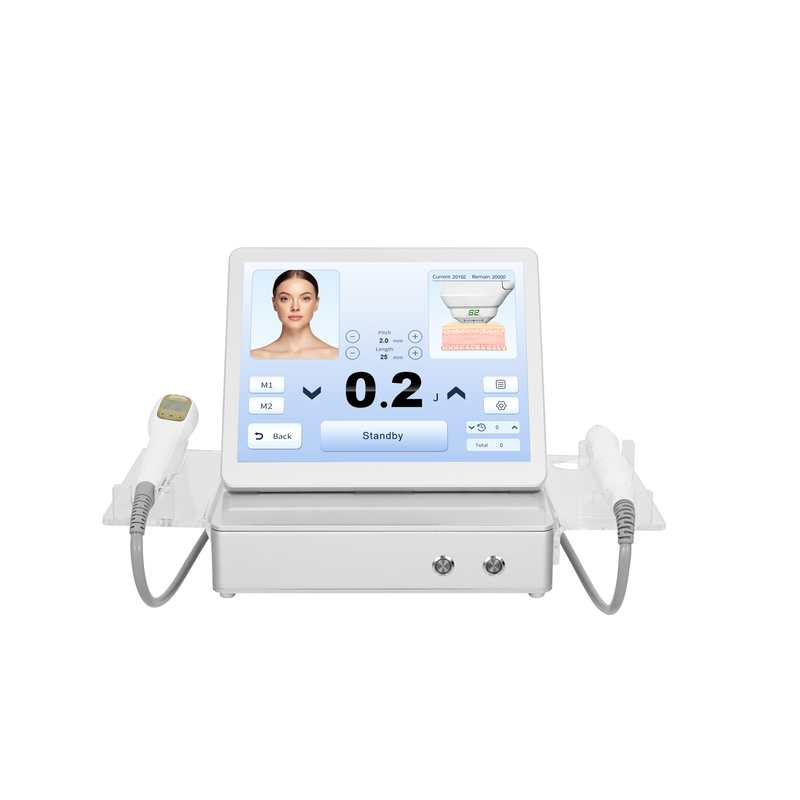
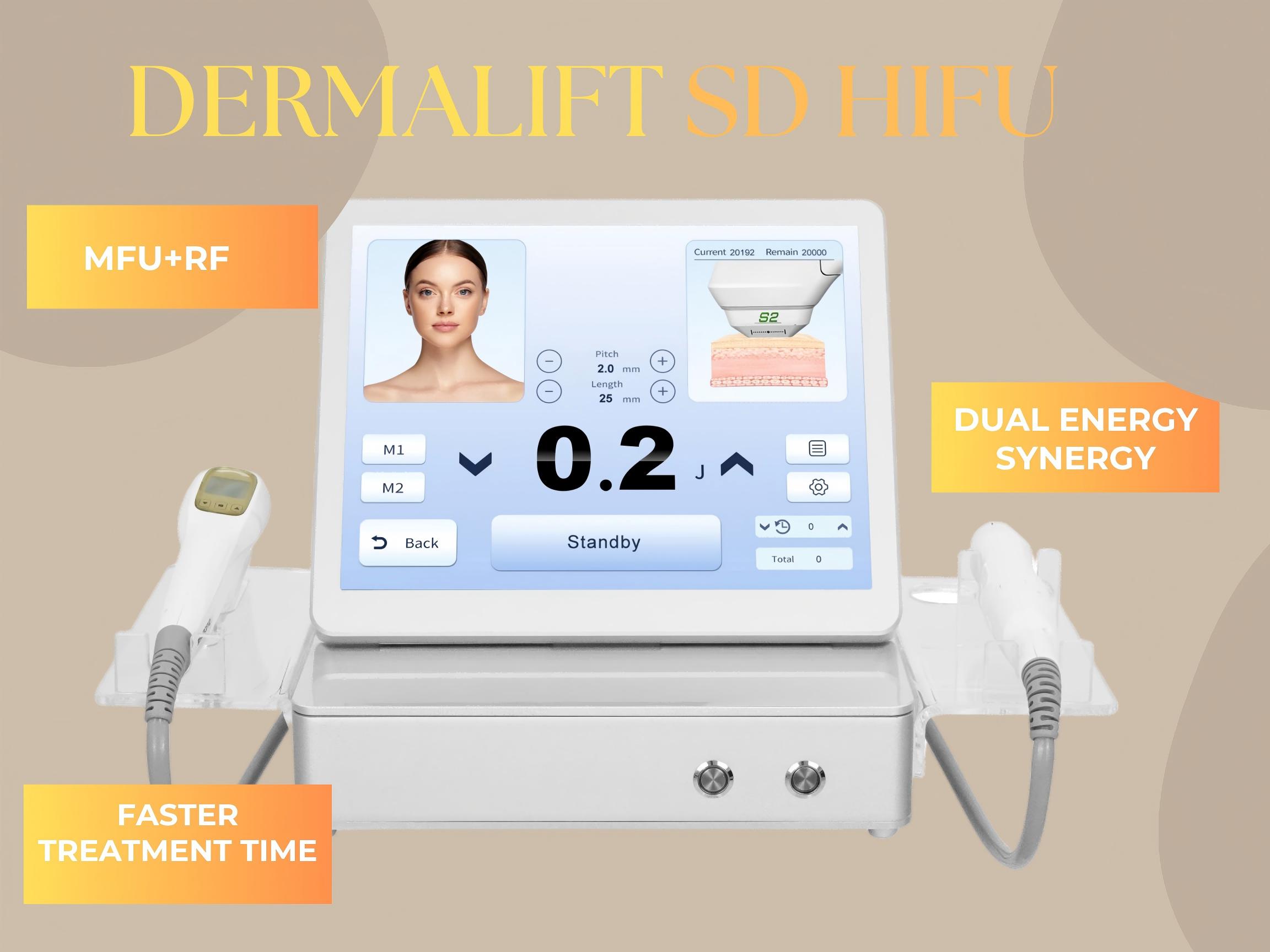
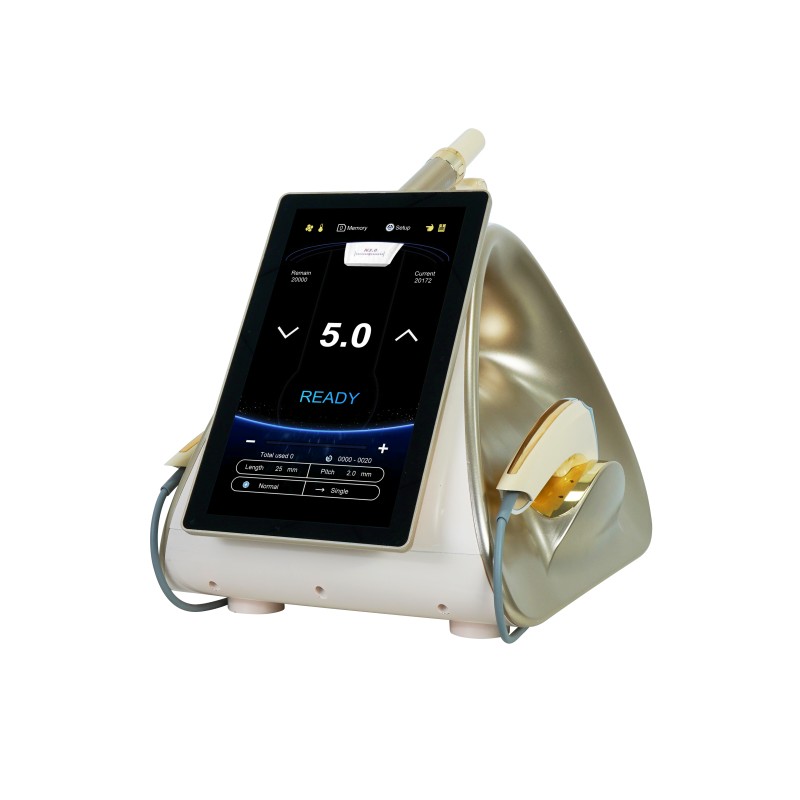
Krysmed's HIFU machines deliver precise SMAS targeting with minimal downtime.
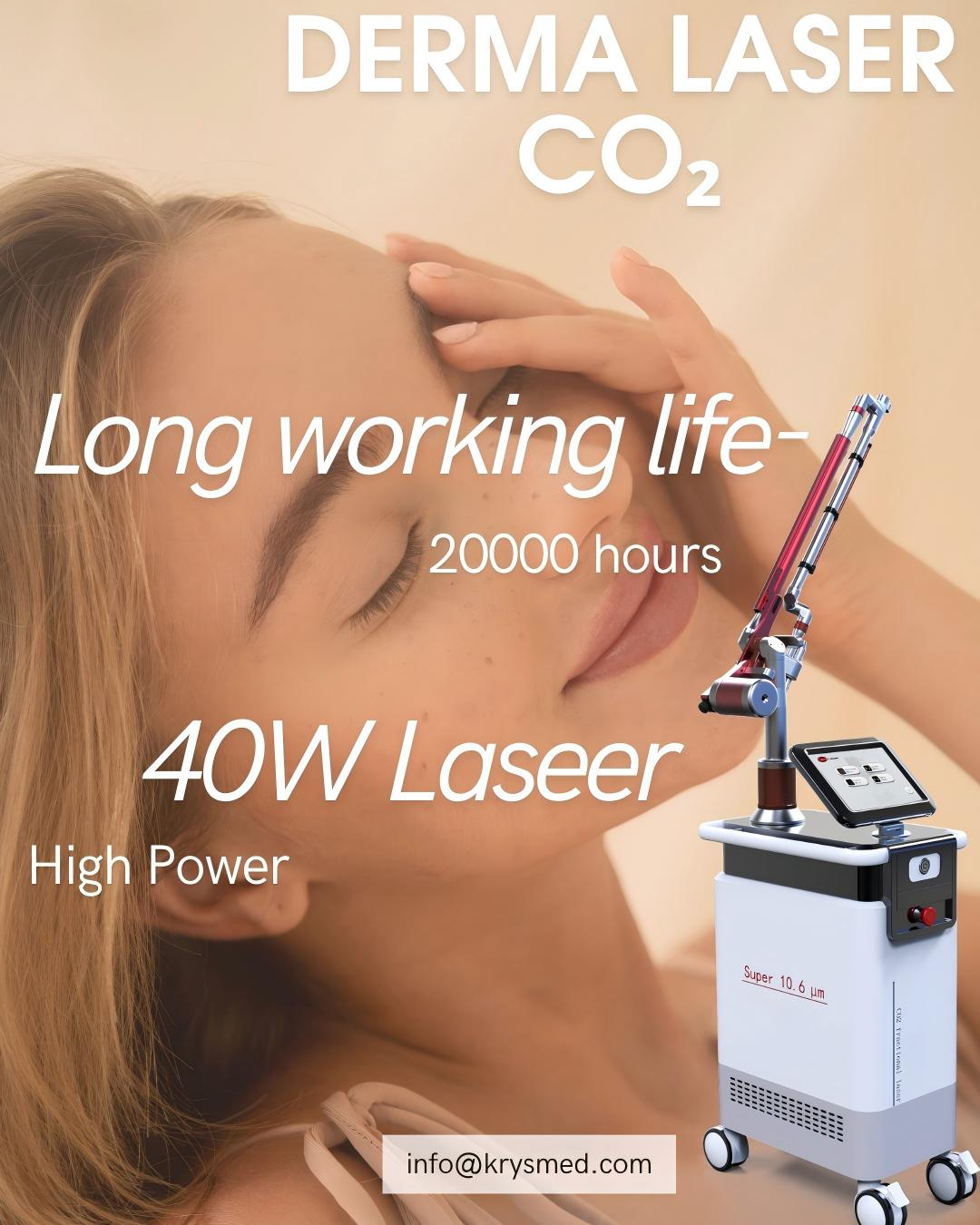
Krysmed's Fractional CO2 lasers provide safe and effective resurfacing for all skin types, including tailored settings for darker skin.
💡 Tip: Offering both treatments allows you to address every client’s anti-aging needs while maximizing clinic revenue.
For more information or to get started, contact Krysmed today and explore our professional-grade devices designed for modern aesthetic clinics.
FAQ: HIFU vs Fractional CO2
1. Can HIFU and Fractional CO2 be combined?
Yes! Combining HIFU and fractional CO2 can provide comprehensive anti-aging results by targeting both deep structural layers (lifting and tightening) and the skin surface (wrinkles, scars, texture). It’s important to space treatments properly to allow skin recovery.
2. Which treatment is more painful? HIFU or Fractional CO2 Laser?
HIFU: Moderate discomfort, feels like tingling or heat deep in the skin. Most clients tolerate it without numbing.
Fractional CO2: Higher discomfort due to surface-level laser, often requires topical numbing cream.
3. How long does HIFU and Fractional CO2 Laser treatment take?
HIFU: 30–90 minutes per session depending on the area.
Fractional CO2: 30–60 minutes per session; larger areas may take longer. Multiple sessions may be needed for full results.
4. How long do HIFU and Fractional CO2 Laser results last?
HIFU: 6–12 months; annual maintenance recommended.
Fractional CO2: 1–2 years for texture and scars; touch-ups may be needed depending on aging and sun exposure.
5. What is the downtime for HIFU and Fractional CO2 Laser treatment?
HIFU: Minimal to none; slight redness or swelling may appear for a few hours.
Fractional CO2: Moderate downtime, usually 3–7 days, with peeling and redness. Full recovery and results visible in 4–8 weeks.
6. Is HIFU safe for all skin types?
Yes, HIFU is safe for all Fitzpatrick skin types (I–VI) with very low risk of pigmentation issues.
7. Is Fractional CO2 safe for darker skin tones?
Fractional CO2 can be safe for darker skin types (IV–VI) if lower energy settings are used and strict post-care is followed to prevent post-inflammatory hyperpigmentation (PIH).
8. Which treatment is better for lifting? HIFU or Fractional CO2 Laser?
HIFU is superior for lifting and tightening because it targets the SMAS layer deep in the skin. Fractional CO2 mainly improves surface texture and scars.
9. Which treatment is better for wrinkles and scars? HIFU or Fractional CO2 Laser?
Fractional CO2 is more effective for wrinkles, acne scars, pigmentation, and uneven texture. HIFU helps mildly with wrinkles caused by skin laxity.
10. How should I choose between HIFU and Fractional CO2?
Choose HIFU if you want non-invasive lifting, minimal downtime, and natural gradual results.
Choose Fractional CO2 if your main concern is resurfacing, scars, or deep wrinkles and you can commit to short recovery.
Consider combination therapy for comprehensive anti-aging.
Our Contact
Ready to Elevate Your Business with Krysmed?
Let’s discuss your needs and find the best solution for your business. Our experts are here to provide personalized recommendations tailored to your business needs.
-
Call For Inquiry
-
Send Us Email
info@krysmed.com
Get A Custom Quote Now!
We value your privacy and guarantee a prompt, professional reply.
 WhatsApp
 info@krysmed.com
 +86 19867944875