

News
04
Nov
How to Choose the Right Professional HIFU Machine for Your Clinic in 2026
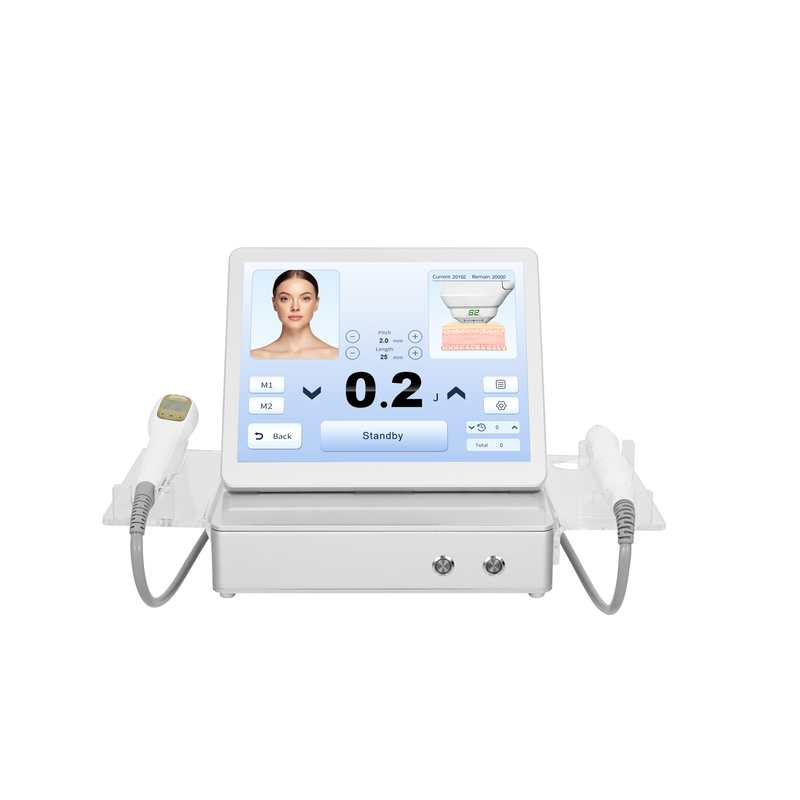
Choosing the right HIFU face lifting machine isn’t always easy. You want your clients to see real, visible improvements — tighter, smoother skin and a more youthful appearance — while keeping every treatment safe and comfortable.
HIFU (High-Intensity Focused Ultrasound) technology helps lift and firm the skin without surgery or downtime. Most clients notice their skin feels more toned and rejuvenated after just one session, with minimal risk of redness or swelling.
At Krysmed, we believe in combining advanced technology with trusted clinical performance. Before investing, it’s important to compare different models, understand the key features, and check the manufacturer’s certifications. Talking with experienced professionals can also help you choose a system that fits your clinic’s needs and ensures lasting results for your clients.
Understanding HIFU Technology
1.What Is HIFU?
HIFU, short for High-Intensity Focused Ultrasound, is a cutting-edge, non-invasive aesthetic technology designed to lift, tighten, and rejuvenate the skin without surgery or downtime.
Unlike lasers or RF treatments that target the surface, HIFU delivers focused ultrasound energy deep beneath the skin to stimulate collagen and elastin regeneration — the essential building blocks of firm, youthful skin.
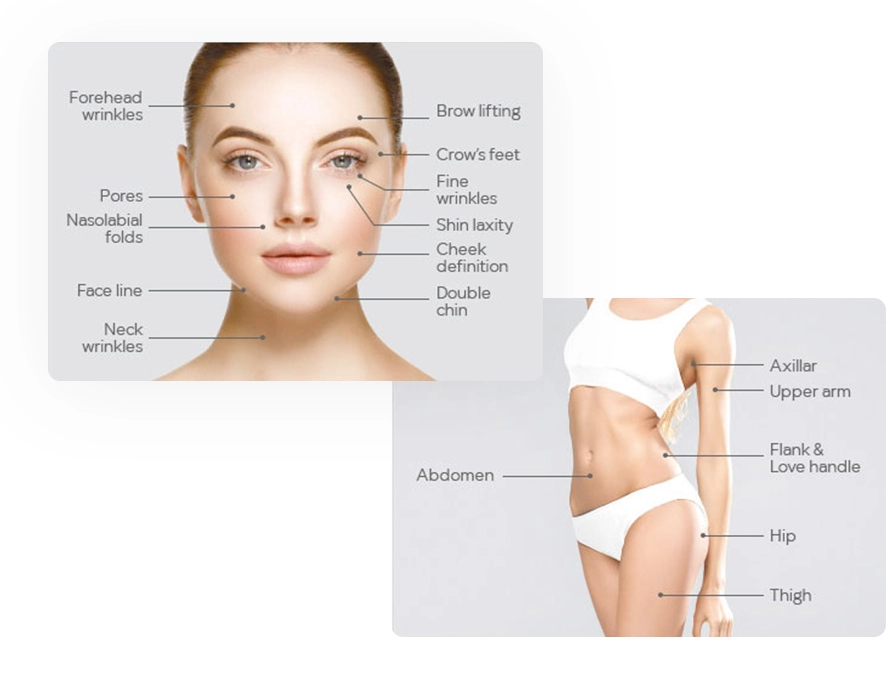
In aesthetic medicine, HIFU is most commonly used for face lifting, wrinkle reduction, and skin tightening on areas like the jawline, cheeks, neck, and eyes, but it can also be applied to the abdomen, thighs, and arms for overall contouring and toning.
2.How Does HIFU Work?
HIFU works by delivering precisely focused ultrasound energy at specific depths within the skin — typically 1.5mm, 3.0mm, and 4.5mm for facial rejuvenation, and up to 13mm for body treatments.
These ultrasound waves generate thermal coagulation points in the deeper layers of the skin, including the SMAS (Superficial Musculoaponeurotic System) — the same layer targeted during surgical facelifts.
When the tissue is gently heated to around 60–70°C, the body’s natural healing response is triggered, leading to:
Immediate tissue contraction for visible tightening, and
Long-term collagen remodeling, which continues to improve skin firmness over the following 2–3 months.
Because the surface of the skin remains untouched, HIFU offers noticeable lifting with no needles, no downtime, and minimal discomfort.
3.Key Features of HIFU
Modern HIFU devices are built with advanced precision and comfort technologies. Some key features include:
| Feature | Description |
|---|---|
| Multiple Cartridges | Different depth cartridges (1.5mm, 3.0mm, 4.5mm, etc.) allow for customized treatments on face and body. |
| Real-Time Imaging or Mapping | Ensures accurate targeting of energy and prevents overlapping or missed zones. |
| Adjustable Energy Output | Enables practitioners to tailor intensity for different skin types and treatment areas. |
| Automatic Counting System | Tracks the number of shots for precise and consistent operation. |
4.Applications of HIFU
HIFU technology has evolved far beyond simple facial lifting. Clinics now use professional HIFU devices for a range of non-invasive treatments, including:
Face lifting and contouring
Jawline definition and double chin reduction
Eyelid tightening and brow lifting
Neck and décolletage tightening
Abdomen firming and body shaping
Postpartum skin tightening
Each application uses a combination of cartridge depths and energy settings to match the client’s unique skin condition and goals.
5.Why Choose HIFU for Your Clinic
For clinics and medspas, HIFU represents a high-return, low-maintenance investment. Treatments typically take 30–60 minutes and can be performed safely without anesthesia or recovery time.
Because the results develop gradually, clients enjoy a natural-looking lift that enhances their appearance without obvious signs of cosmetic intervention — leading to high satisfaction and repeat bookings.
At Krysmed, all HIFU systems are clinically tested, CE-certified, and supported by comprehensive training programs, ensuring every practitioner can deliver professional results with confidence.
Comparing Different Types of HIFU Machines
As non-invasive aesthetic treatments evolve, HIFU technology has become more advanced and versatile. From traditional multi-depth systems to new-generation MFU and MPT HIFU, each upgrade improves accuracy, comfort, and treatment results.
Understanding how these different HIFU types work will help your clinic choose a device that matches your clients’ needs and your business goals.
1. 5D HIFU
5D HIFU represents the classic generation of multi-depth ultrasound lifting systems. It delivers focused energy to multiple skin layers — typically 1.5mm, 3.0mm, and 4.5mm — stimulating collagen production and tightening the skin.
It’s widely used for facial contouring, jawline definition, and neck lifting, offering visible results with minimal discomfort.
Key Advantage: Reliable results and proven technology.
Best For: Clinics offering standard facial lifting and rejuvenation treatments.
2. 7D HIFU
7D HIFU takes the technology a step further with multi-dimensional scanning and automated energy calibration, allowing smoother, faster, and more comfortable procedures.
The addition of macro and micro-focused modes enables practitioners to work on both deep lifting and superficial tightening, covering more treatment areas in less time.
Key Advantage: Faster treatment time with greater precision.
Best For: Busy clinics offering full-face and body HIFU sessions.
3. MFU (Micro-Focused Ultrasound)
MFU is the next-generation evolution of HIFU, offering preciser, faster, and more comfortable treatments than traditional ultrasound lifting systems.
It delivers energy in highly controlled, focused micro-pulses that reach the SMAS layer with pinpoint accuracy, minimizing surface heating and discomfort.
With its real-time energy control and temperature monitoring, MFU ensures consistent results and improved safety for all skin types.
Key Advantage: Preciser energy delivery with greater comfort and efficiency.
Best For: Clinics seeking high-end performance for medical-grade face lifting and wrinkle reduction.
4. MPT (Micro Pulse Technology HIFU)
MPT HIFU uses rapid micro-pulse emission instead of single, continuous shots. This allows for smoother coverage, enhanced collagen activation, and minimal thermal stress on the skin.
It’s particularly suited for delicate areas such as around the eyes, lips, and nasolabial folds, where comfort and control are essential.
Key Advantage: Gentle, pain-free treatment with superior collagen stimulation.
Best For: Premium clinics specializing in precision facial rejuvenation.
| Technology Type | Energy Focus | Depth Options | Comfort Level | Treatment Speed | Recommended Use |
|---|---|---|---|---|---|
| 5D HIFU | Standard Focused Ultrasound | 1.5mm – 16mm | Moderate | Medium | Full Face & Body |
| 7D HIFU | Multi-Dimensional Focus | 1.5mm – 13mm | High | Fast | Full Face & Body |
| MFU (Micro-Focused Ultrasound) | High-Precision Medical Focus | 1.5mm – 9.0mm | Very High | Fast | Advanced Facial Lifting |
| MPT (Micro Pulse Technology) | Rapid Micro-Pulse Energy | 1.5mm – 13mm | Exceptional | Fast | Delicate & Pain-Free Treatments |
Key Technical Features to Look for in a Professional HIFU Machine
Selecting the right HIFU machine is about more than just price or appearance — it’s about performance, safety, and clinical results. Whether you are a medical professional or a beauty clinic owner, understanding the core features of a HIFU system helps you make a confident, long-term investment.
A professional-grade HIFU device should offer consistent energy output, flexible treatment depth, and user-friendly operation. Below are the key technical factors that define a high-quality machine.
1. Energy Output and Precision Control
The effectiveness of HIFU depends heavily on energy consistency. Each pulse must deliver the same amount of energy at the exact depth — too low and results are weak; too high and the client may feel discomfort.
Look for a machine that offers:
Adjustable energy levels for different skin types
Stable, calibrated output verified by clinical testing
Real-time energy monitoring for safety
Krysmed’s HIFU systems are designed with AI-assisted power control, ensuring that every shot is accurate and effective while minimizing heat-related irritation.
2. Cartridge Depth Options
Different treatment areas require different penetration depths.
A good HIFU device should include multiple transducers (cartridges) to target all skin layers effectively — from superficial tightening to deep lifting.
| Cartridge Depth | Target Layer | Typical Use |
|---|---|---|
| 1.5mm | Superficial dermis | Fine lines, crow’s feet, under-eye tightening |
| 3.0mm | Deep dermis | Skin firming and texture improvement |
| 4.5mm | SMAS layer | Facial lifting and jawline contouring |
| 6–13mm | Subcutaneous tissue | Body tightening and fat reduction |
Having more cartridge options expands treatment versatility, allowing practitioners to customize sessions for every client.
3. Pulse Mode and Energy Pattern
Modern systems such as MPT HIFU use micro-pulse technology to deliver energy in controlled bursts rather than continuous lines.
This ensures even coverage, reduces pain, and enhances collagen stimulation.
Clinics should consider devices that allow switching between:
Dot Mode – For precision targeting and deeper lifting
Linear Mode – For larger areas and faster treatment coverage
4. Interface and Usability
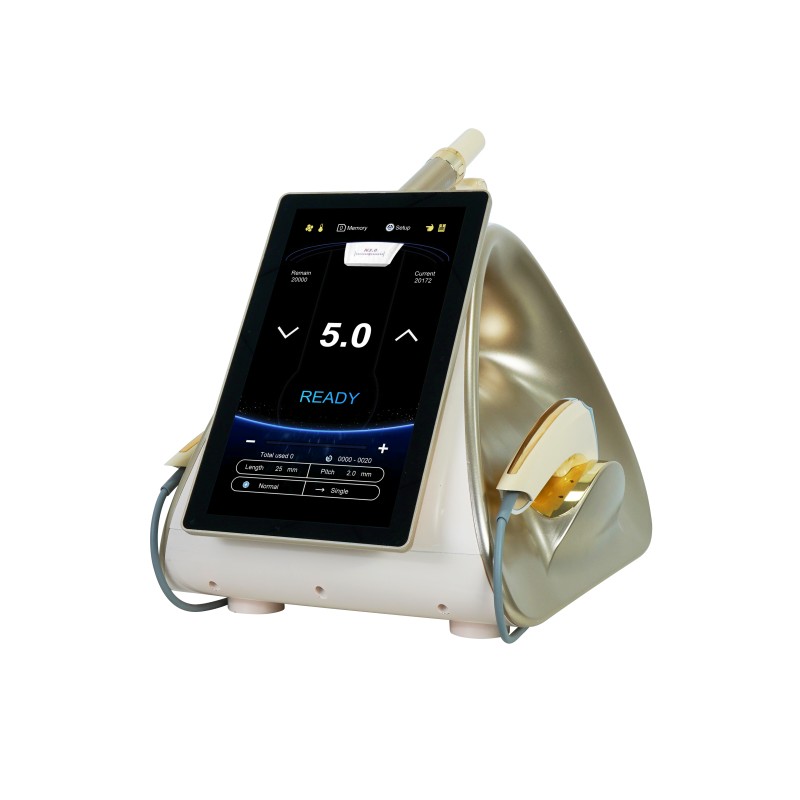
A professional HIFU device should be easy to navigate during treatments. A touchscreen interface with visual mapping allows operators to adjust parameters quickly without interrupting the client’s comfort.
Key usability features to look for:
Intuitive touchscreen with treatment mapping
Preset protocols for common areas like face, neck, or abdomen
Automatic shot counter for consistent operation
Lightweight handpiece to reduce operator fatigue
Krysmed integrates smart user interfaces that guide practitioners step by step, making every procedure safe and efficient — even for first-time users.
5. Comfort Systems
Comfort is crucial for client satisfaction. Some newer HIFU devices include temperature sensors to maintain optimal skin temperature and reduce thermal stress.
This not only enhances comfort but also allows for higher energy delivery with lower risk of irritation.
6. Durability and Maintenance
Since HIFU involves repeated energy emission, the lifespan of cartridges and the handpiece greatly affects long-term cost.
Choose systems with:
High shot count cartridges (10,000–20,000+ shots)
Replaceable handpieces with durable transducers
Easy maintenance and self-diagnostic systems
These ensure your clinic operates continuously without frequent technical interruptions.
| Feature | What It Does | Why It Matters |
|---|---|---|
| Energy Output Control | Maintains consistent ultrasound power at every pulse | Ensures even lifting and reduces treatment discomfort |
| Multiple Cartridge Depths | Targets skin layers from 1.5mm to 13mm | Customizes treatment for face and body areas |
| Micro Pulse Mode (MPT) | Delivers rapid pulses for smoother coverage | Minimizes pain and enhances collagen stimulation |
| Smart Touchscreen Interface | Displays real-time parameters | Improves accuracy and treatment efficiency |
| Temperature Control | Monitors and maintains safe skin temperature | Prevents burns and increases client comfort |
| High-Durability Cartridges | Support 10,000–60,000+ shots per cartridge | Reduces maintenance and long-term costs |
Safety, Certifications, and Regulatory Standards for HIFU Machines
When selecting a HIFU machine for your clinic, safety and compliance are just as important as performance. Clients trust your treatments to be effective and safe, and your clinic’s credibility depends on using devices that meet international standards.
Certified HIFU machines undergo rigorous testing to ensure energy consistency, electrical safety, and biocompatibility, minimizing risks of burns, overexposure, or device malfunction. Understanding these certifications will help you make an informed investment.
1. Key Certifications to Look For
FDA Approval
Ensures the device meets stringent safety and efficacy standards.
Indicates that clinical data supports the device’s claimed effects.
Essential for clinics operating in the US market or treating clients who value FDA-certified devices.
CE Marking
Confirms compliance with European health, safety, and environmental requirements.
Guarantees that the HIFU device is safe for professional use and meets EU regulatory standards.
ISO Certification
ISO 13485 certifies that the manufacturer follows medical device quality management systems.
Ensures consistent production standards and device reliability.
2. Built-in Safety Features in Professional HIFU Machines
A quality HIFU system should also include integrated safety mechanisms that protect both clients and operators:
Real-time energy monitoring to avoid excessive heat
Automatic shut-off if handpiece is removed or overheating occurs
Skin contact sensors to prevent firing when improperly positioned
Adjustable energy levels tailored to skin type and treatment area
These features reduce risks of burns, pain, or uneven results, while maintaining optimal efficacy.
3. Regulatory Compliance Matters
Using non-certified HIFU devices may put your clinic at risk of:
Legal issues and fines for non-compliance
Liability for adverse reactions
Damaged reputation due to substandard results
Certified devices not only protect your clients but also ensure your clinic maintains trust, credibility, and long-term success.
Choose a Manufacturer That Offers Complete Support
Selecting a HIFU machine is not just about the device itself — the manufacturer you partner with plays a critical role in the success of your clinic and the safety of your clients. Even the most advanced HIFU technology can underperform if operators are not trained properly or if technical support is lacking. Here’s why manufacturer support matters and what to look for:
1. Comprehensive Training Programs
A reliable HIFU manufacturer provides structured, hands-on training for your staff. This ensures that your team:
Understands the device’s technology (MFU, MPT, energy levels, depth settings)
Uses cartridges correctly to treat different areas safely
Recognizes and manages potential side effects (redness, swelling, bruising)
Optimizes treatment protocols for different skin types and client goals
Some manufacturers offers certified courses, including live demonstrations, video tutorials, and training manuals. This not only enhances staff competence but also builds client confidence, as your team can clearly explain treatments and expected results.
2. Technical and After-Sales Support
Even high-quality machines can encounter technical issues. Look for manufacturers who provide:
Remote troubleshooting: Access to online support or technical hotlines to resolve issues quickly
Warranty coverage: Protects your investment in case of malfunction
Spare parts availability: Cartridges, cables, or handpieces should be easily replaceable
3. Marketing and Business Support
Top-tier manufacturers often go beyond equipment and training by helping clinics promote their new services:
Pre-designed promotional materials (flyers, posters, social media content)
Before/After case study templates for client education
Guidance on creating package deals and treatment bundles
Tips for pricing strategies to maximize ROI
These tools can save your clinic time, help attract new clients, and demonstrate professionalism, especially when launching HIFU treatments for the first time.
4.Continuous Education and Updates
HIFU technology is constantly evolving. A supportive manufacturer will:
Offer refresher courses or new technique workshops
Introduce updated treatment protocols for MFU and MPT
Keep your clinic informed about latest aesthetic trends and research
This ensures your clinic stays competitive and your clients receive state-of-the-art treatments.
✅ Key Takeaways for Clinics
Choose manufacturers who offer full support, not just a machine
Ensure your staff receives hands-on training and certification
Verify warranty, technical support, and replacement parts availability
Take advantage of marketing resources and package development advice
Stay updated through continuous education and protocol updates
By partnering with a manufacturer that truly supports your clinic, you safeguard client safety, enhance treatment outcomes, and ensure your HIFU investment delivers long-term business success.
Budget and Cost Factors: Price vs. Value for HIFU Machines
Choosing a HIFU face lifting machine involves more than looking at the sticker price. Clinics must consider technology, safety, durability, and ongoing costs to make a wise investment. Understanding what you get for your money ensures both client satisfaction and long-term profitability.
1. Price Range of HIFU Machines
HIFU devices vary widely in price, depending on technology, brand, and intended use. Portable devices are generally more affordable, while professional machines offer advanced features and greater versatility.
| Type of HIFU Machine | Price Range (USD) | Notes |
|---|---|---|
| Affordable Portable Machines | $1,700 – $2,200 | Entry-level, basic features, limited treatment depth |
| Professional-Use Machines | $5,000 – $80,000+ | Advanced MFU & MPT technology, multiple cartridges, clinic-grade performance |
| Ulthera | $60,000 – $100,000 | Premium brand, well-known for reliability |
| Liftera | $20,000 – $40,000 | Professional-grade, good balance of price and functionality |
2. Consumables and Maintenance Costs
The initial purchase price is only part of the investment. Clinics also need to account for:
Cartridges / Handpieces: These wear out after a certain number of treatments. Choosing devices with longer-lasting cartridges can reduce recurring costs.
Maintenance & Repairs: Regular servicing keeps the machine operating safely and extends its lifespan. Premium machines often require less frequent maintenance.
Staff Training: Proper training ensures safe use, reduces errors, and helps staff deliver consistent results.
Tip: Always ask the manufacturer about cartridge longevity, replacement costs, and service packages before purchasing. This helps avoid surprises and allows you to calculate true cost per treatment.
3. Price vs. Value: What Really Matters
Low-cost machines may save money upfront but often lack precision, versatility, and support. They can lead to inconsistent results and unhappy clients, which may hurt your clinic’s reputation.
High-value machines may cost more, but they provide consistent results, client comfort, multiple cartridges, and strong manufacturer support. They often pay for themselves quickly through repeat clients, premium pricing, and package deals.
Practical Advice:
Don’t focus solely on the cheapest option — think long-term ROI.
Evaluate all associated costs, including consumables, maintenance, training, and expected revenue.
Look for devices that combine precise treatments, easy operation, and excellent customer support.
✅ Key Takeaway:
The right HIFU machine is an investment in client satisfaction, clinic reputation, and long-term profitability. By weighing cost, features, and support, clinics can make informed decisions that benefit both staff and clients.
| Feature | Low-Cost HIFU Machines | High-Value HIFU Machines |
|---|---|---|
| Energy Precision | Less consistent; may produce uneven results | Precise MFU & MPT delivery; consistent outcomes |
| Treatment Options | Limited cartridges; fewer treatment depths | Multiple cartridges; face, neck, eyes, and body options |
| Client Comfort | Slower treatments | Faster, more comfortable sessions |
| Manufacturer Support | Minimal or DIY guidance | Comprehensive training, technical support, and marketing resources |
| Consumables & Maintenance | Higher per-session cost; frequent servicing needed | Longer-lasting cartridges; regular maintenance included |
| ROI Potential | Limited due to inconsistent results and fewer treatment options | High — repeat clients, premium pricing, and package deals |
FAQ
1. How can a HIFU face lifting machine enhance my clinic’s services?
A HIFU machine allows your clients to achieve lifted, firmer skin without the need for surgery. Treatments are minimally invasive, have short downtime, and most clients notice visible tightening and rejuvenation even after a single session.
2.Can staff use the HIFU machine immediately after purchase?
No, all staff should undergo proper training provided by the manufacturer or distributor, including hands-on practice, parameter adjustment guidance, and safety protocols. This ensures safe and effective treatments.
3. How do I maintain the HIFU machine?
Replace cartridges according to the recommended usage limit.
Perform regular cleaning.
Keep the machine in a safe, dry environment and follow the manufacturer’s operational guidelines.
Schedule periodic professional servicing for long-term reliability.
4. How often should cartridges be replaced?
Cartridges have a limited number of shots (usually specified per cartridge, e.g., 10,000–60,000 shots). Replacement ensures consistent energy delivery and optimal results.
5. What safety checks should I perform before each session?
Inspect the handpiece and cables for damage.
Check the machine’s software and parameter settings.
Ensure the treatment area is clean and free of contraindications (e.g., infections, implants).
Test on a small patch if treating sensitive or new clients.
6. Can HIFU treatments be performed on clients with previous cosmetic procedures?
Yes, but extra caution is needed:
Avoid areas with recent fillers, threads, or surgical procedures.
Adjust energy settings or skip certain regions as per manufacturer guidance.
Always assess skin condition and recent treatment history.
7. What is the recommended downtime after HIFU?
Most clients experience minimal downtime. Some redness or swelling may appear, usually resolving within hours to 1–2 days. Post-care instructions include avoiding sun exposure, heat, or aggressive skincare for a few days.
8. How often can clients receive HIFU treatments?
Typically once every 6–12 weeks for face lifting or tightening, depending on the treatment plan. Note: No more than 4 sessions per year to avoid overtreating.
Maintenance sessions can be scheduled every 6–12 months to preserve results.
9. What should I do if the machine malfunctions during treatment?
Stop the session immediately.
Follow the manufacturer’s troubleshooting guide.
Contact technical support before resuming treatments.
Never attempt internal repairs unless certified.
10. Can HIFU be combined with other treatments in the same session?
Yes, HIFU can be paired with:
IPL or RF Microneedling for enhanced skin rejuvenation.
LED therapy for faster recovery and reduced discomfort.
Non-invasive body contouring for integrated treatment packages.
11. How do I train new staff efficiently?
Use manufacturer-provided manuals, video tutorials, and hands-on sessions.
Start with demonstration sessions on models or phantoms before real clients.
Encourage supervised practice and knowledge of contraindications, handpiece angles, and energy settings.
Our Contact
Ready to Elevate Your Business with Krysmed?
Let’s discuss your needs and find the best solution for your business. Our experts are here to provide personalized recommendations tailored to your business needs.
-
Call For Inquiry
-
Send Us Email
info@krysmed.com
Get A Custom Quote Now!
We value your privacy and guarantee a prompt, professional reply.
 WhatsApp
 info@krysmed.com
 +86 19867944875