

News
21
Nov
IPL vs Laser Hair Removal: Which is Better?
Spring and summer are coming, and hair removal has become a “must-have” service for most people. Many spas and clinics are now choosing hair removal devices to prepare for the upcoming busy season. When it comes to professional hair removal treatments, IPL and diode laser are the two most common technologies — but many people still don’t fully understand the real differences between them.
This article breaks down those key differences and guides you through how to choose the right technology based on your treatment goals, client needs, and business strategy.
What is Intense Pulsed Light (IPL) Therapy
IPL (Intense Pulsed Light) is a broad-spectrum light ranging from approximately 500–1200 nm. It contains multiple wavelengths of light energy, allowing it to target different skin concerns.
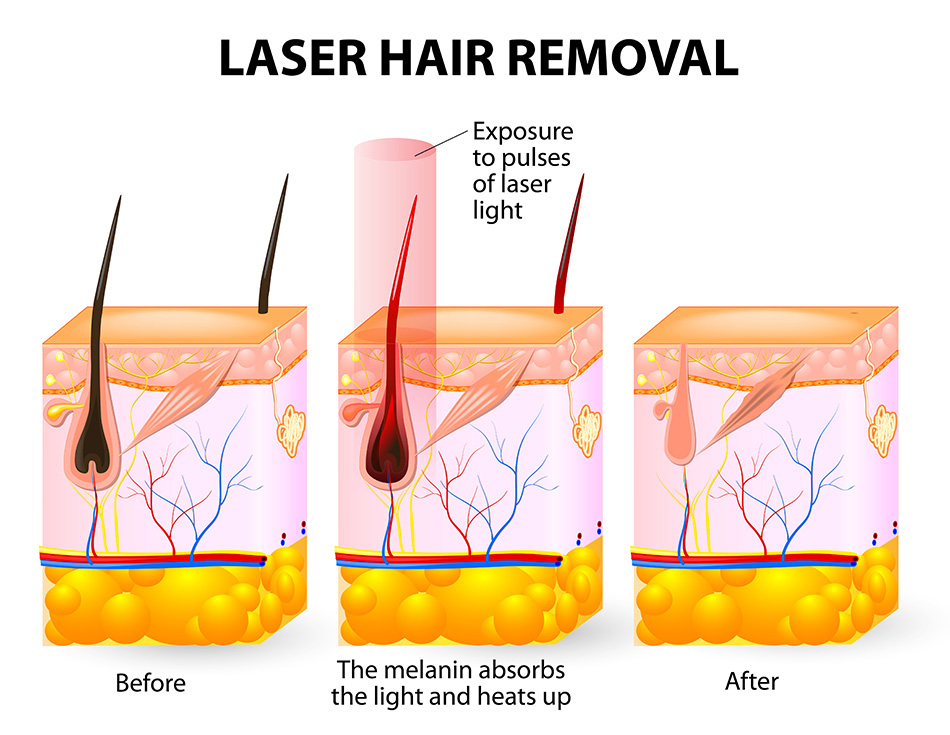
Through the principle of Selective Photothermolysis, IPL energy is absorbed by melanin in the hair follicles. The heat destroys the follicles and reduces future hair growth. This same principle also allows IPL to improve uneven skin tone, pigmentation, vascular issues, and certain acne conditions.
Applications of IPL
Because IPL contains a wide spectrum of light, it is considered a multi-functional technology. It can be used for:
Hair removal
Skin rejuvenation
Pigmentation correction
Acne treatment
Vascular lesion reduction
This versatility makes IPL an excellent option for clinics that want to offer multiple treatments with a single device.
What is Laser Hair Removal?
Unlike IPL, laser hair removal uses a single-wavelength, highly focused beam of light. This enables the laser to directly target melanin in the hair follicle with greater precision, resulting in more efficient and long-term hair reduction.
Common laser types:
Diode Laser (808 nm): The gold standard for hair removal
Alexandrite Laser (755 nm): Effective for fine, lighter hair
Diode Laser (1064 nm): Safe for darker skin types
Each wavelength penetrates different depths of the skin, making lasers more customizable for various hair and skin types.
How does intense pulsed light therapy compare to laser hair removal?
| Aspect | IPL | Laser Hair Removal |
|---|---|---|
| Light Type | Broad-spectrum, filtered | Single-wavelength, focused |
| Treatment Precision | Covers larger areas, less precise | Highly precise, targets individual follicles |
| Hair & Skin Types | Works better on light skin with dark hair | Some lasers work for darker skin & fine hair |
| Number of Sessions | Typically 6–8 | 4–6, depending on laser type |
| Pain Level | Mild to moderate, cooling reduces discomfort | Mild to moderate, can be higher for some lasers |
| Cost | Usually lower per session | Slightly higher per session |
Pros and Cons of IPL and Laser Hair Removal
| IPL Hair Removal | Laser Hair Removal |
|---|---|
Pros:
| Pros:
|
Cons:
| Cons:
|
Choosing the Right Option for Your Clinic
When choosing the most suitable device, consider the following:
Skin type and hair color
Different technologies perform better on different combinations of skin tone and hair color.
| Technology | Best Skin Types | Best Hair Types | Key Advantages |
|---|---|---|---|
| Diode Laser (808 nm) | Fitzpatrick I–IV (light to medium skin) | Dark, coarse hair | Deep penetration; highly effective for long-term reduction |
| Alexandrite Laser (755 nm) | Lighter skin types | Fine or lighter hair | Fast results; excellent absorption by melanin |
| Diode Laser (1064 nm) | Fitzpatrick V–VI (darker skin) | Suitable for most hair types | Safest for dark skin; minimal melanin absorption at the surface |
| IPL (Intense Pulsed Light) | Best on lighter skin types | Dark hair | Versatile; also treats pigmentation, acne, and vascular issues |
In summary:
If you serve diverse skin tones, especially medium to dark skin, laser—especially diode or Nd:YAG—is the better choice.
If your clients are mainly light skin with dark hair, both IPL and laser will work, but lasers deliver faster and more permanent reduction.
Treatment goals (Hair Removal Only vs. Multi-Treatment Needs)
Your treatment priorities directly determine whether IPL or laser is the better investment.
If your clinic focuses primarily on professional hair removal, a diode laser is the most efficient choice.
The 808 nm wavelength delivers deep penetration, strong melanin absorption, and long-lasting reduction, making it ideal for clinics that want fast sessions, predictable results, and high client satisfaction.
If your goal is to offer multiple treatments with one device, IPL provides much greater versatility.
With different wavelength filters, IPL can be used for:Hair removal
Pigmentation correction
Acne and inflammation reduction
Vascular treatments
Full-face rejuvenation
This makes IPL a strong option for start-up clinics, home-based operators, or businesses wanting a broad treatment menu without investing in multiple machines.
In short:
For hair removal only → Choose diode laser
For multi-purpose services → Choose IPL
Budget and ROI for clinics
Your budget and expected return on investment (ROI) play a major role in choosing between IPL and laser.
IPL machines generally have a lower upfront cost, making them ideal for new clinics, home-based businesses, or anyone wanting to expand their service menu without large financial pressure.
Because IPL treats multiple skin concerns and typically requires more sessions than laser, it often delivers higher long-term ROI.
Diode laser machines typically have a higher investment cost, but they offer faster, more permanent results, which allows clinics to charge higher treatment prices.
For clinics focusing mainly on hair removal, diode laser often becomes profitable very quickly due to its high demand and treatment efficiency.
In summary:
Limited budget + desire for multi-service offerings → IPL offers strong ROI
Higher budget + hair-removal-focused clinic → Laser offers fast ROI
Patient comfort and downtime
Client comfort is an important factor when choosing a device.
IPL treatments are generally more gentle. Most clients describe the sensation as a light snap with warmth. Downtime is minimal, and redness typically resolves quickly.
Modern IPL systems with advanced cooling make treatments even more comfortable.
Laser treatments, especially diode laser, deliver more concentrated energy. While still tolerable, the sensation can feel slightly stronger compared to IPL.
However, because lasers require fewer sessions and treat hair more efficiently, clients often prefer the long-term benefits.
Key takeaway:
For maximum comfort → IPL
For fewer sessions and stronger efficiency → Laser
Safety and Aftercare Tips
Whether using IPL or laser, safety protocols are essential for professional and effective treatments.
Before Treatment
Conduct a full skin assessment (Fitzpatrick type, hair color, density)
Identify contraindications (sunburn, active infection, photosensitive medications)
Perform a patch test when necessary
During Treatment
Use proper cooling systems (contact cooling, cold gel, or air cooling)
Adjust energy levels based on skin type and response
Apply eye protection for both operator and client
After Treatment
Avoid sun exposure for at least 48–72 hours
Use SPF 30+ daily
Avoid hot showers, saunas, and vigorous workouts for 24 hours
If swelling occurs, apply a cold compress and encourage gentle skincare
Monitor for PIH on darker skin tones
Professional training is crucial for safety and optimal results.
Professional Training
Choosing the right device is only the first step — the real results come from proper training. At Krysmed, we provide full professional support, including user manuals, treatment videos, and live Zoom training to help technicians perform IPL and diode laser treatments safely and confidently.
Our team also offers personalized recommendations based on your clinic’s target clients, budget, and treatment goals.
Professional Device Recommendations for Clinics
To help clinics choose the right technology and maximize patient satisfaction and ROI, here are two professional device categories that balance effectiveness, versatility, and performance:
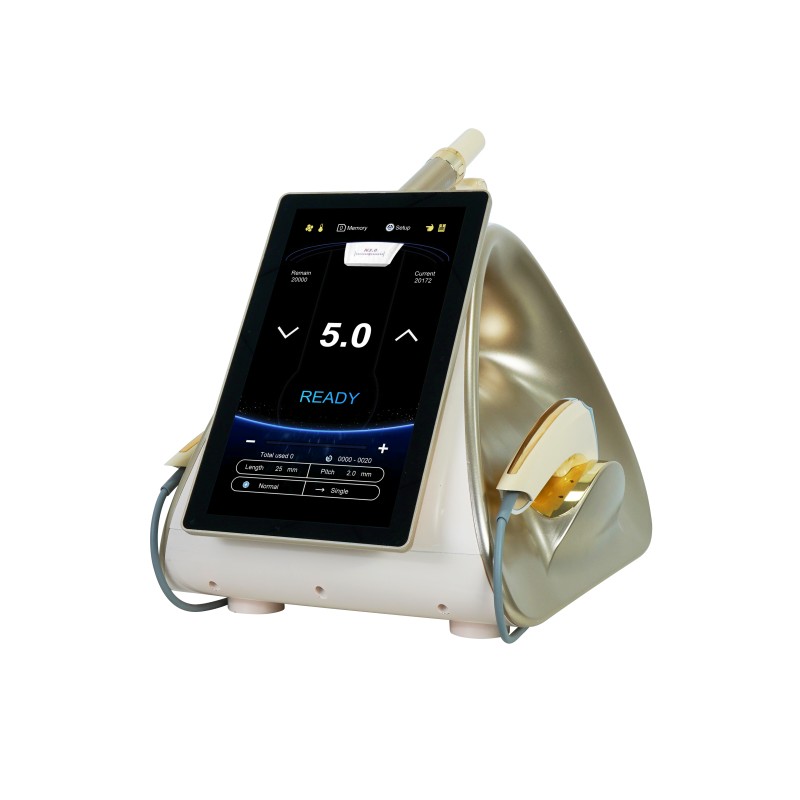
Krysmed Diode Laser Hair Removal Systems
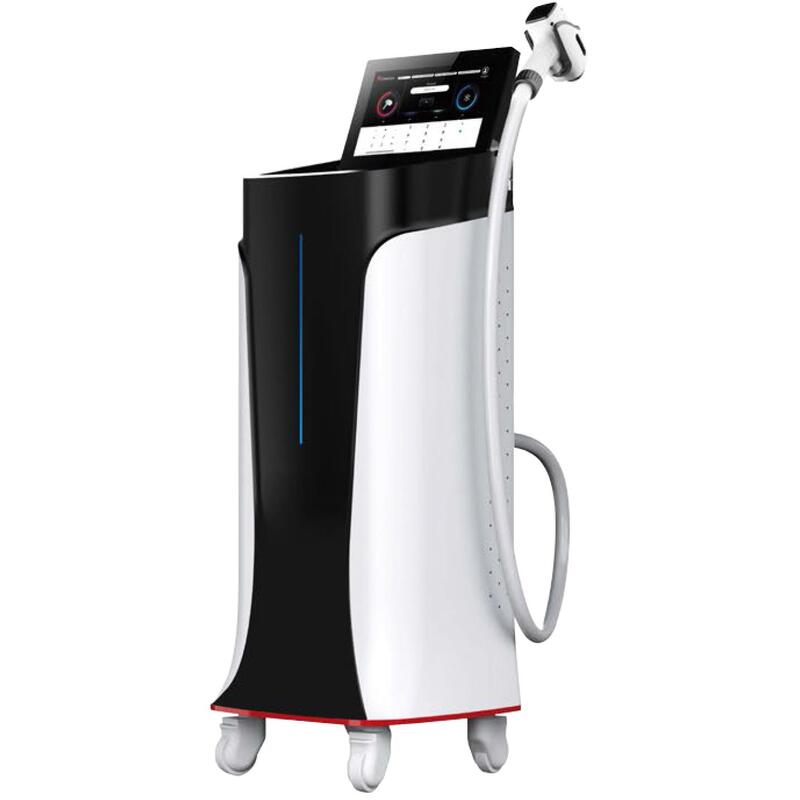
Krysmed’s diode laser machines are designed for permanent hair reduction with high precision and comfort. These systems use triple wavelength technology (755 nm, 808 nm, 1064 nm) to target a wide range of hair thicknesses and skin types, from fair to darker tones, ensuring consistent and long‑lasting results.
🔹 Key Features:
Triple wavelengths adapt to different hair and skin types
Advanced cooling system for minimal discomfort
Adjustable pulse duration for precision targeting
AI smart interface for client data management and workflow optimization
FDA & CE certified for professional safety and reliability
Diode laser systems are particularly effective for clinics focused on hair removal as a core service, delivering significant reduction in fewer sessions compared to IPL.
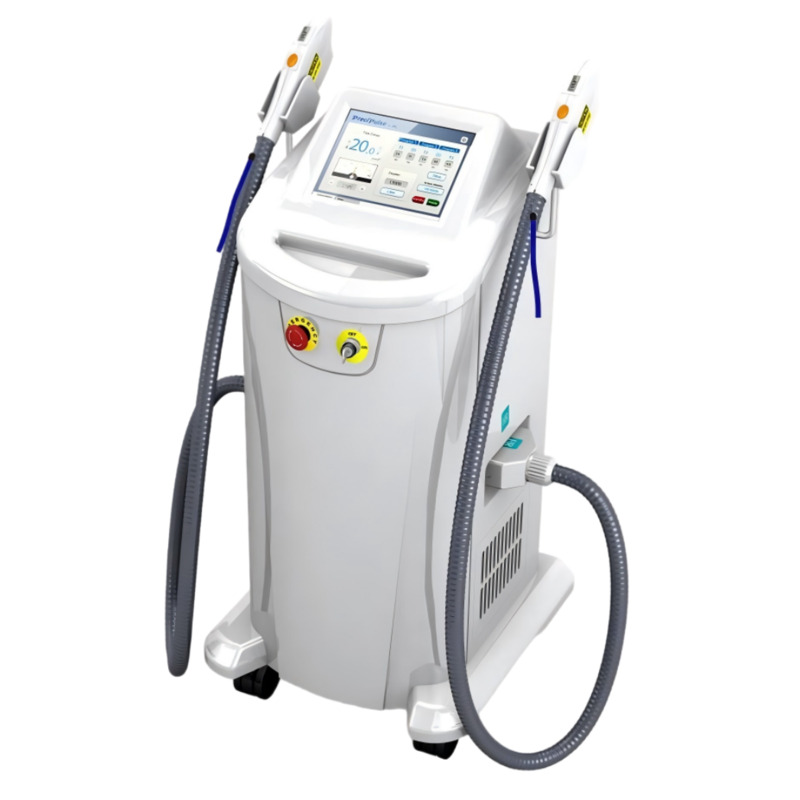
Krysmed Professional IPL Machines
Krysmed’s IPL (Intense Pulsed Light) systems are multi‑functional aesthetic platforms designed for hair removal and a range of other treatments including skin rejuvenation, pigmentation correction, acne therapy, and vascular lesion reduction.
🔹 Key Features:
Broad‑spectrum light energy with customizable filters
Effective for hair reduction and multiple skin concerns
User‑friendly interface and reliable performance
Suitable for clinics that want a versatile all‑in‑one device
IPL machines are ideal for clinics offering a broad treatment menu, particularly when budget or space limits multiple single‑purpose devices.
Conclusion
Choosing the right hair removal technology is crucial for clinics looking to deliver safe, effective, and high-quality treatments. Both Krysmed Diode Laser and IPL systems offer unique advantages: diode lasers excel in fast, long-lasting hair reduction, while IPL provides versatile multi-treatment capabilities for a wide range of skin concerns. By understanding your clinic’s target clients, treatment goals, and budget, you can select the system that maximizes patient satisfaction and ensures a strong return on investment.
Take Action Today
Don’t wait for the busy season to start—equip your clinic with professional, clinic-grade hair removal devices that deliver visible results and enhance client loyalty. Explore KrysmedDiode Laser and IPL systems today, and give your clients the confidence of smooth, rejuvenated skin while boosting your clinic’s revenue. Contact Krysmed now to find the perfect solution for your clinic and schedule a personalized consultation!
Frequently Asked Questions (FAQ)
1. How many sessions are typically required for permanent hair reduction?
Most diode laser treatments require 4–6 sessions, while IPL typically needs 6–10 sessions depending on hair growth cycles and body area treated.
2. Are diode lasers safe for all skin types?
Yes. Modern diode laser systems with multiple wavelengths (including 1064 nm) are safe and effective for a wide range of skin tones and hair types.
3. Does IPL improve other skin concerns besides hair removal?
Yes. IPL energy targets melanin and hemoglobin, making it effective for pigmentation correction, acne treatment, and vascular lesion reduction, in addition to hair removal.
4. What should clinics consider when choosing between diode laser and IPL?
Consider treatment goals, client demographics, budget, and ROI:
Diode laser: Best for hair removal‑focused clinics with faster, more permanent results.
IPL: Ideal for clinics seeking a multi‑treatment platform with broad aesthetic applications.
5. Is client comfort an issue during treatments?
Both diode laser and IPL can be comfortable with proper cooling systems. Diode laser’s cooling and adjustable pulse depth often make sessions well‑tolerated, while IPL treatments tend to feel milder but may require more sessions.
6. What aftercare is recommended following treatment?
Clients should:
Avoid sun exposure for 48–72 hours
Apply SPF 30+ daily
Avoid hot showers or saunas immediately after treatment
Professional aftercare guidance helps reduce redness and supports optimal results.
Our Contact
Ready to Elevate Your Business with Krysmed?
Let’s discuss your needs and find the best solution for your business. Our experts are here to provide personalized recommendations tailored to your business needs.
-
Call For Inquiry
-
Send Us Email
info@krysmed.com
Get A Custom Quote Now!
We value your privacy and guarantee a prompt, professional reply.
 WhatsApp
 info@krysmed.com
 +86 19867944875