

News
19
Aug
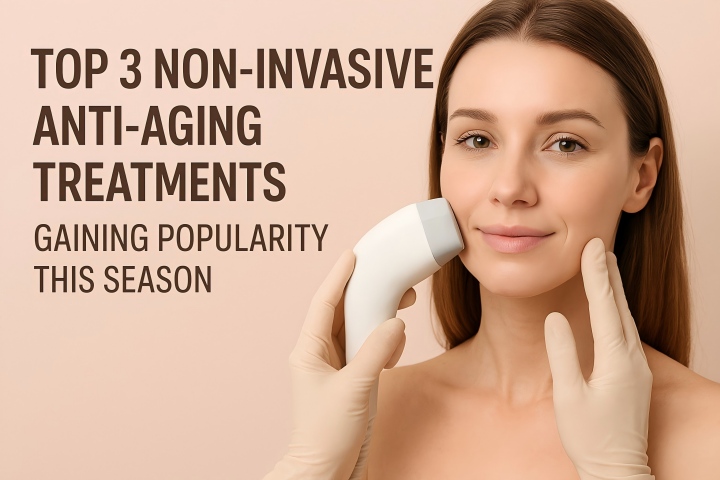
Top 3 Non-Invasive Anti-Aging Treatments Gaining Popularity This Season
As the demand for effective, non-surgical treatments grows, clinics and spas worldwide are turning to technologies that deliver visible, long-lasting results without downtime. Among the most trusted and advanced innovations are HIFU (High-Intensity Focused Ultrasound), RF Microneedling, and the Fractional CO₂ Laser — three treatments that rejuvenate the skin from different layers, working together to restore firmness, radiance, and youthfulness.
The Power of Non-Invasive Rejuvenation
Modern aesthetic devices target specific layers of the skin to stimulate natural healing and collagen regeneration — tightening, resurfacing, and renewing without surgical intervention.
While each technology has a unique mechanism, together they create a multi-dimensional approach to anti-aging, addressing both deep structural support and surface texture.
Why non-invasive multi-modal approaches work better for modern clinics
Aging is multi-layered — not just a surface problem. Patients want natural results, minimal downtime, and evidence of collagen remodeling. No single device treats every layer equally:
HIFU targets deep, structural layers (SMAS / deep dermis) for lift.
RF Microneedling remodels the mid-dermis for scar, texture, and tightening.
Fractional CO₂ resurfaces the epidermis and superficial dermis to correct texture, pigmentation, and lines.
Combining technologies sequentially or in a tailored program lets clinics treat the whole aging process (support, collagen density, and surface quality), which improves outcomes, retention, and lifetime value per patient. From a business POV: multi-modal packages justify premium pricing, deliver predictable outcomes, and generate before/after assets that power marketing.
HIFU (High-Intensity Focused Ultrasound)
What is HIFU?
HIFU (High-Intensity Focused Ultrasound) is a non-surgical energy modality that delivers focused ultrasound energy into precise depths beneath the skin to stimulate localized thermal coagulation, collagen denaturation, and subsequent neocollagenesis (new collagen formation). Unlike lasers that act on the epidermis or superficial dermis, HIFU can reach deeper targets including the superficial musculoaponeurotic system (SMAS) — the same layer surgeons address in surgical facelifts.
Primary use: non-surgical tightening and lifting of the face, neck, jawline, and selected body areas.
How HIFU works — technical breakdown
Focused ultrasound beams are emitted through a handheld transducer (cartridge). These beams are focused to a small focal point where energy density increases and tissue heats rapidly (often to ~60–70°C), creating microthermal coagulation points.
Depth control is achieved by different cartridges/handpieces (commonly 1.5mm, 3.0mm, 4.5mm for facial treatments; deeper cartridges exist for body). Each depth targets a specific tissue plane.
SMAS heating at ~4.5mm triggers collagen contraction and remodeling, producing a lifting effect over weeks to months.
No incision, no foreign material — the lifting is via endogenous tissue remodeling.
Key clinical benefits & indications
Non-surgical lifting of sagging midface, jowls, and neck
Jawline redefinition and submental tightening
Brow lift effect and improvement of forehead laxity
Long-term collagen remodeling — gradual natural improvement up to 12–18 months
Minimal downtime; can be combined with other treatments (e.g., RF or lasers) in staged protocols
Ideal candidates:
Mild to moderate skin laxity, early jowling, loss of jawline definition, and patients seeking non-surgical lift. Best in patients with realistic expectations.
Typical treatment plan, timeline, and outcomes
Initial consult with skin laxity assessment; mark treatment areas.
Session: 1 treatment of full face & neck typically lasts 30–90 minutes depending on device and treatment density.
Frequency: Most patients benefit from 1 session; advanced cases may have a booster at 6–12 months. A common plan is 1–3 sessions per year depending on severity and maintenance protocol.
Results timeline: immediate mild tightening (from collagen contraction), with gradual improvement as new collagen forms — notable improvements at 2–3 months, peak at 6 months, durability up to 12–18 months.
Longevity: maintenance sessions annually or as clinically indicated.
Safety, patient selection, contraindications & side effects
Common mild side effects: erythema (redness), tenderness, transient swelling, rarely bruising.
Less common: numbness, localized paresthesia, temporary muscle weakness (very rare), superficial blistering with improper technique.
Contraindications: active infection at treatment site, open wounds, severe systemic illness, pregnancy, certain implants in treatment area (discuss with manufacturer), severe skin disease.
Important: operator training and correct cartridge selection are crucial for safety and outcomes.
Why choose HIFU for your clinic (clinical + business rationale)
Clinical:
Targets a unique deep plane (SMAS) that other non-invasive devices can’t reliably reach.
Produces a natural lift — desirable for patients wary of surgery.
Business:
High perceived value = premium pricing power.
Minimal consumable cost (varies by manufacturer) = good margins.
Short treatment time and minimal downtime enhance throughput and patient satisfaction.
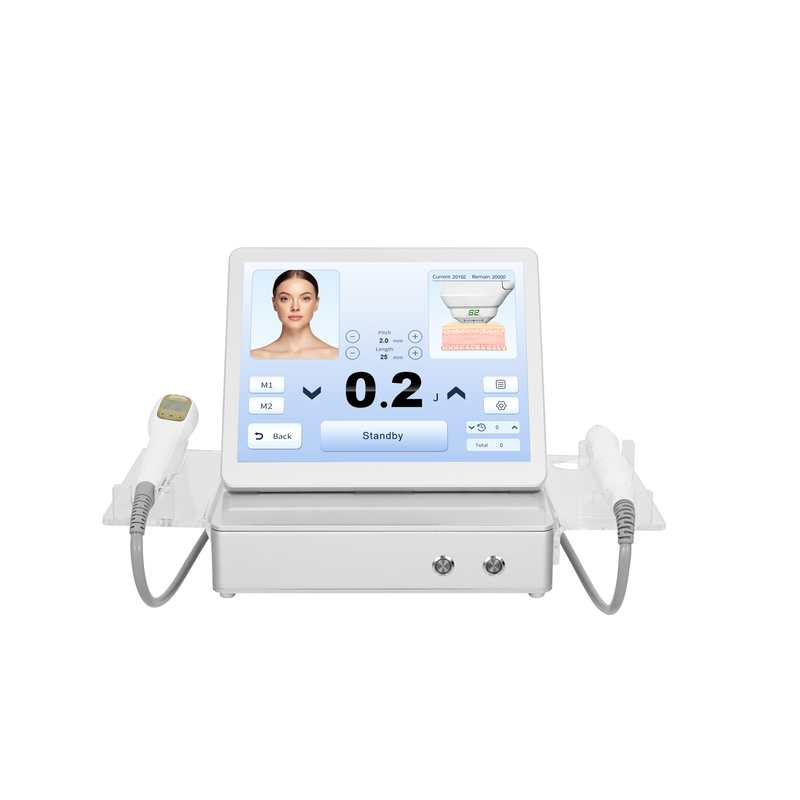
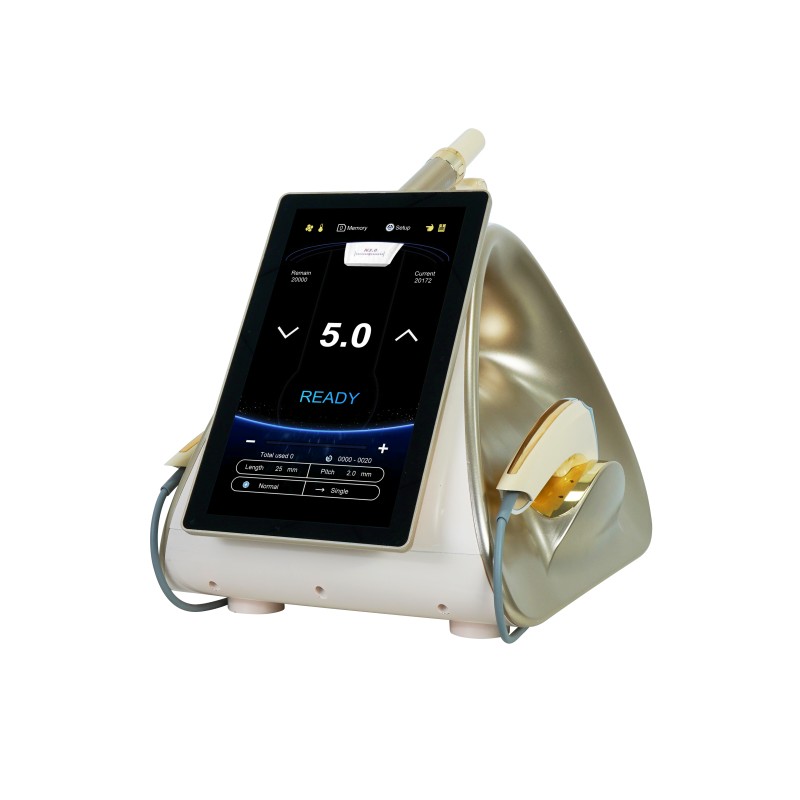
Recommended Krysmed HIFU model(s) — clinic recommendation
Why Krysmed DermaLift SD-HIFU (clinic-facing selling points):
Multi-cartridge system (1.5mm / 3.0mm / 4.5mm) for layered treatment of epidermis to SMAS.
Adjustable energy and line spacing for customizable protocols across skin types.
Ergonomic handheld transducer and fast shot speed for shorter session times.
Built-in safety cutoffs and clear interface for treatment records.
Comprehensive training package (PDF + video + live) included.
OEM customization available for clinics who want co-branding for high-end treatment menus.
Clinic benefit: robust support reduces learning curve, making it ideal for clinics expanding into non-surgical lift services.
Practical tips for successful HIFU treatments
Pre-treatment assessment: photograph, measure jiggle, mark landmarks.
Anesthesia: topical anesthetic and/or oral analgesics as per clinic protocol.
Technique: apply coupling gel liberally, maintain perpendicular transducer angle, use consistent shot spacing.
Post-treatment: advise mild analgesics, avoid strenuous exercise for 24–48 hours, follow-up at 1, 3, and 6 months.
Troubleshooting: if patient complains of focal pain, pause and reassess; work at lower energy and increase gradually in subsequent passes.
RF Microneedling — Firm, Smooth, and Refined Skin
What is RF Microneedling?
RF Microneedling combines mechanical micro-injury (via fine needles) with delivery of bipolar or monopolar radiofrequency (RF) energy into the dermis. This synergy stimulates rapid collagen and elastin remodeling while causing controlled dermal heating that tightens tissue and remodels scars.
How RF Microneedling works — technical details
Needle array: sterile cartridges with multiple fine needles penetrate the epidermis and reach adjustable dermal depths (commonly 0.5–3.5mm).
RF energy delivery: at depth, RF current heats dermal tissue, causing collagen denaturation and triggering a wound-healing cascade.
Controlled injury & coagulation: the combination ensures precise thermal zones minimizing epidermal damage — enabling treatments on darker skin tones with reduced PIH risk compared to many ablative lasers.
Ablative vs. non-ablative: RF microneedling is non-ablative to the epidermis (unless subcision/dermal remodeling cartridges are used), improving safety in Fitzpatrick IV–VI.
Key parameters:
Needle depth: tuned to scar depth and skin thickness.
RF power & pulse duration: determine thermal effect.
Passes: number of times the handpiece passes over an area influences efficacy and downtime.
Key clinical benefits & indications
Improvement in acne scars, surgical scars, stretch marks
Reduction of fine lines and deeper wrinkles
Pore size reduction and improvement in skin texture and tone
Skin tightening and lifting when used with appropriate depths and energy
Safe across a wide range of skin tones (less post-inflammatory hyperpigmentation than many lasers)
Ideal candidates:
Patients with textural issues, acne scarring, enlarged pores, mild to moderate laxity seeking minimal downtime.
Typical treatment course and expected results
Course: 3–4 sessions spaced 4–8 weeks apart is common. Severe scars may need more sessions.
Immediate: erythema, pinpoint bleeding (rare with insulated needles), tightness.
Results: progressive improvement after each session; collagen remodeling continues for up to 6–12 months.
Maintenance: recommended boosters at 6–12 months based on outcomes.
Safety, patient selection, contraindications, side effects
Common side effects: transient redness, swelling, possible bruising, minimal crusting if aggressive.
Rare: infection, prolonged erythema, scarring (if improper technique), PIH in susceptible patients (mitigated with conservative energies and pre/post care).
Contraindications: active acne cysts or infection at target site, isotretinoin use within past 6–12 months (controversial; follow local guidelines), pregnancy, implanted electrical devices (pacemakers) — check device compatibility.
Why choose RF Microneedling for your clinic
Clinical:
Versatile: treats a wide range of textural and atrophic indications.
Works on all skin types, especially valuable for multiethnic clinics.
Strong before/after results for scarring and skin quality improvement.
Business:
Consumable cartridges (sterile tips) create recurring revenue.
Many patients bought into “collagen boost” treatments are repeat buyers (boosters).
Cross-sell opportunities: combine with PRP, growth factors, or topical infusions for premium packages.
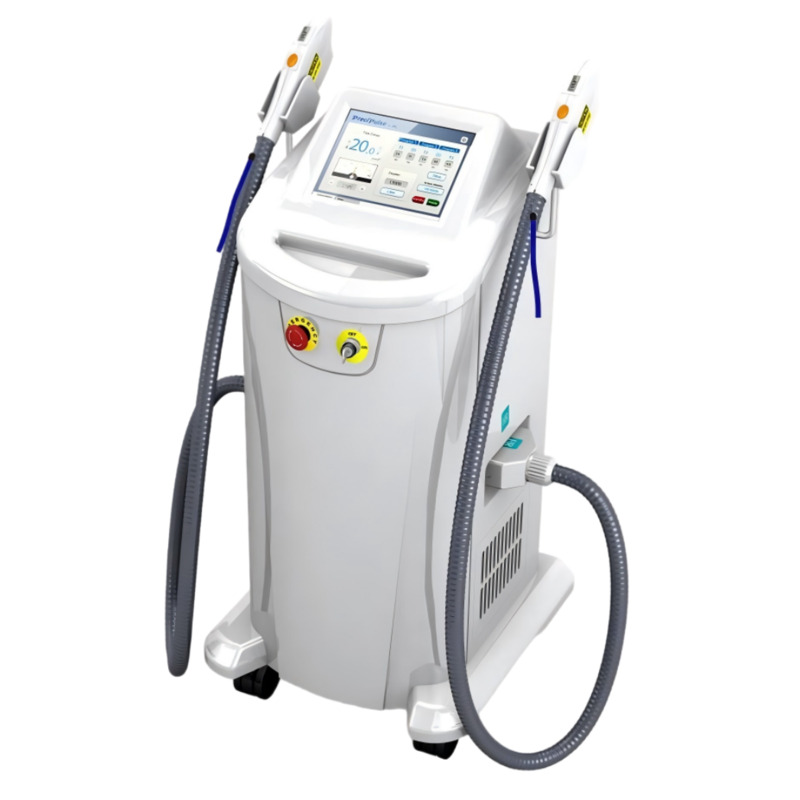
Recommended Krysmed RF Microneedling model(s)
Why DermaVance Gold:
Variable needle depth 0.5–7.0mm with insulated and non-insulated cartridge options.
Precise energy control to tailor thermal profile for scarring vs. tightening.
Ergonomic handpiece with quick-change sterile cartridges for high throughput.
Integrated treatment logs, patient profiles, and recommended preset protocols.
Training modules included; strong consumable supply chain and favorable margins.
Clinic benefit: flexible, safe for diverse client base, and profitable through consumable cartridge sales.
Practical clinic protocols and combinations
Pre-treatment: topical numbing 30–45 minutes, antiviral prophylaxis if indicated (history of HSV).
Technique: start with conservative depths & energies for first session to assess tolerance and skin reaction.
Combine: PRP (platelet-rich plasma) or growth factor serums immediately post-treatment for additive collagen stimulation and marketing appeal (“vampire” or bio-boost).
Post-treatment care: gentle cleansing, avoid retinoids and strong actives for 5–7 days, SPF, hydrating masks.
Follow-up: photograph and set expectations for staggered improvement.
Fractional CO₂ Laser — Deep Renewal for Lasting Radiance
What is Fractional CO₂?
Fractional CO₂ laser therapy is a controlled ablative resurfacing technology that delivers carbon dioxide laser energy in a fractional pattern — creating thousands of microscopic thermal zones (MTZs) in the skin. Each MTZ ablates damaged tissue and stimulates a wound healing response, prompting new collagen formation and epidermal regeneration.
Fractional CO₂ merged the power of full-field ablative lasers with the safety of fractional delivery — producing dramatic improvement with reduced downtime vs classic full-field resurfacing.
How Fractional CO₂ works — mechanism & parameters
Ablative microcolumns: the laser creates microscopic columns of ablation surrounded by intact tissue, enabling rapid healing from the untouched zones.
Thermal coagulation: columns are both ablated and thermally coagulated, stimulating collagen remodeling deeper in the dermis.
Density and energy: clinicians control energy per microbeam, density (coverage percentage), and pulse duration — balancing results vs. downtime.
Scanning modes: many devices have scanning or random patterns to minimize heat stacking and increase safety.
Key parameters:
Energy (mJ) per microbeam determines depth and strength.
Density (%) expresses how much of the area receives microcolumns.
Passes: single vs multiple passes affect efficacy and downtime.
Spot size & pulse duration: influence thermal diffusion & coagulation zone.
Key clinical benefits & indications
Dramatic improvement of fine lines and deep wrinkles
Treatment of moderate to severe acne scarring and surgical scars
Correction of dyspigmentation & photodamage (with careful settings)
Skin tightening and pore reduction
Periorbital rejuvenation (with conservative settings)
Ideal candidates:
Patients with textural damage, significant photodamage, deep wrinkles, and those willing to accept a controlled downtime for superior results. Fitzpatrick I–III are ideal, though darker skin types may be treated cautiously with tailored settings and pre/post care.
Treatment planning, downtime, and outcomes
Sessions: 1–3 sessions typically, spaced 3–6 months apart for deeper indications.
Downtime: depends on energy/density; typical fractional CO₂ downtime is 3–10 days (redness may persist longer).
Outcomes: substantial improvement in texture and tightness — results continue to evolve for 6–12 months post-treatment.
Maintenance: annual resurfacing or targeted repeat sessions as needed.
Safety, patient selection, side effects
Common: redness, swelling, crusting, temporary hyperpigmentation/hypopigmentation if not properly managed.
Serious (rare): infection, scarring, persistent dyspigmentation.
Managing dark skin: preconditioning (hydroquinone or alternative), conservative energies, and extended post-op follow-up minimize PIH risk. Some clinics perform test spots.
Why choose Fractional CO₂ for your clinic
Clinical:
Gold standard for deep resurfacing and long-term skin quality improvements.
Delivers the most dramatic surface rejuvenation among non-invasive options.
Business:
Premium procedure with strong margins.
Ideal for bridal season, major life events, and clients who want visible transformational results.
Ability to upsell peels, topical regimens, and LED/PRP combination packages.
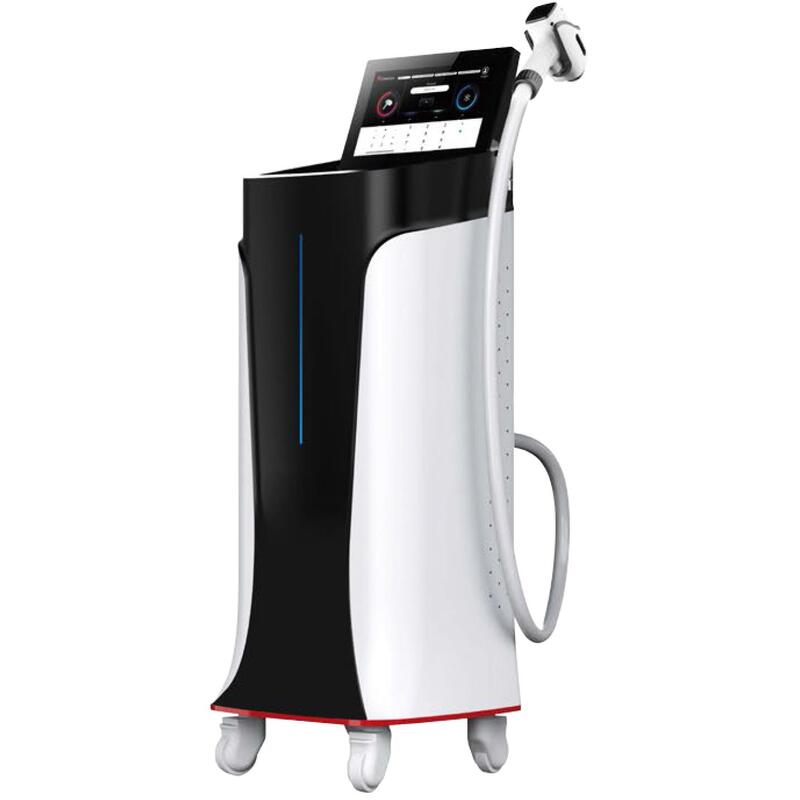
Recommended Krysmed Fractional CO₂ model(s)
Why DermaLaser CO₂:
Precise energy control and multiple scanning patterns for tailored resurfacing.
Fractional handpiece with adjustable densities and pulse durations for safe treatment of varying skin types.
Integrated cooling and safety interlocks to reduce epidermal overheating.
Comprehensive consumables and clear maintenance schedule.
Training, marketing materials, and patient protocols included.
Clinic benefit: strong clinical results, configurable for conservative to aggressive treatments, robust support reduces complication risk.
Clinical workflows and best practices
Pre-treatment conditioning: consider 4–8 weeks of pigment suppression for darker skin or notable photodamage (topical agents, sunscreen).
Test spots for unfamiliar skin types.
Anesthesia: topical anesthetic; for larger areas consider oral sedation/anxiolytics as per clinic policy.
Aftercare: wound healing regimen (barrier ointments, aloe, sterile dressings), strict sunscreen, and antiviral prophylaxis if indicated.
Follow-ups: 48 hours, 1 week, 1 month, and 3 months or as protocols specify.
Combining HIFU + RF Microneedling + Fractional CO₂ — the layered approach
Why combine?
Each of the three technologies targets a different layer of the skin, creating a synergistic, full-spectrum rejuvenation:
| Treatment | Target Layer | Key Benefits |
|---|---|---|
| HIFU | SMAS & Deep Dermis | Lifts and tightens from within |
| RF Microneedling | Mid-Dermis | Firms and refines texture |
| Fractional CO₂ Laser | Epidermis & Superficial Dermis | Smooths and brightens the surface |
By layering treatments, clinics can address multiple aging concerns in one program:
HIFU strengthens deep structural support, RF Microneedling rebuilds collagen density, and CO₂ Laser polishes the surface for an overall rejuvenated appearance.
This combination offers not only enhanced outcomes but also shorter recovery time and higher client satisfaction, making it one of the most effective strategies for anti-aging clinics today.
Sequencing rationale (recommended order)
HIFU first (deep support): because HIFU acts on the SMAS and deep dermis without ablating the epidermis, it can be performed as an initial foundational treatment. Allow 4–8 weeks for collagen to begin remodeling.
RF Microneedling after HIFU (mid-dermal remodeling): perform RF microneedling 4–12 weeks post-HIFU depending on patient recovery and goals. This stimulates additional dermal collagen and improves texture/pores.
Fractional CO₂ last to polish surface and correct pigmentation and fine lines. Schedule CO₂ at least 8–12 weeks after RF microneedling to ensure skin integrity and reduce risk.
Alternative sequencing for specific goals
If patient’s primary concern is scars & texture (rather than laxity), RF microneedling → CO₂ may be prioritized.
For patients who require rapid surface improvement for an event, CO₂ can be scheduled early but understand deeper lift may be better post-HIFU.
Sample 6-month program (clinic marketing package)
Month 0: Consultation + HIFU full face & neck
Month 1–2: Maintenance skincare; optional LED therapy
Month 3: RF Microneedling course (3 sessions, every 4 weeks)
Month 6: Fractional CO₂ single session (custom energy/density)
Maintenance: annual HIFU booster and RF microneedling touch-ups every 6–12 months
Pricing strategy and ROI for clinics
Package pricing sells better than à la carte: create tiered packages (Basic Lift, Collagen Boost, Complete Rejuvenation). Price packages 15–30% below combined a la carte to encourage uptake.
ROI estimation example (illustrative):
Cost basis: device amortization, consumables, staff time.
Revenue: average package price $2,500. If device amortization and consumables per procedure are $150 and staff time $100, gross margin can be 85%+ before overhead.
Sell financing: offering payment plans increases conversions for high-ticket packages.
Marketing, SEO, and packaging tips for clinics
SEO keywords & content strategy (use across site)
Primary SEO phrases to integrate naturally:
professional HIFU for clinics
HIFU treatment for face and neck
RF microneedling for acne scars
Fractional CO₂ resurfacing for wrinkles
non-surgical facelift near me (localize for city/clinic)
med spa skin rejuvenation treatments
best non-invasive anti-aging treatments
clinic skin tightening services
professional laser for clinics
aesthetic treatments for clinics and med spas
Use long-form landing pages targeting each technology, a combined “Full Rejuvenation Program” page, FAQs, before/after galleries, and blog posts that answer patient questions (cost, pain, recovery, timeline). Include structured data (FAQ schema) and patient review snippets to improve CTR.
Content & social strategies
Before/after galleries: consistent lighting and standardized photos; include short case stories.
Videos: short educational clips showing devices (no procedure inside shots without consent), clinician explaining process, and patient testimonials.
Patient journeys: create multi-post storylines (consultation → treatment → 3-month result) to educate expectations.
Lead magnets: free downloadable “Anti-Aging Program Guide” in exchange for email capture.
Events: free consult nights, demo days (live HIFU demo with volunteer), and financing offers.
Packaging ideas
Starter Lift: 1 HIFU session + 1 RF microneedling pass — price lower to upsell.
Transformational Rejuvenation: HIFU + 3 RF microneedling + Fractional CO₂ (1 session) — premium package.
Membership: monthly membership that includes one maintenance treatment every X months + discounts on add-ons.
Messaging (clinic, professional tone)
Emphasize safety, clinician-operated devices, training, and evidence-based outcomes.
Use social proof: “Performed by certified clinicians”, “Over X treatments completed”, and before/after galleries.
Training, safety systems, and after-sales support (what clinics need)
Clinics should expect:
Comprehensive training: device fundamentals, advanced protocols, hands-on sessions, and complication management.
Clinical manuals & checklists: pre/post care, contraindication lists, emergency contacts.
Consumable logistics: predictable supply of cartridges, sterile tips, and replacement handpieces.
Warranty & service: transparent warranty terms, local service partners, and remote troubleshooting.
Marketing kit: brochures, clinic posters, social media assets.
Clinics must maintain documented consent, photos, and follow-up notes for each patient to mitigate risk and track outcomes.
Why choose Krysmed — very detailed (differentiators, support, and clinical value)
Below is an extensive, clinic-oriented case for choosing Krysmed as your partner for HIFU, RF Microneedling, and Fractional CO₂ systems. Use this content for “Why Choose Us” pages, sales decks, or training materials.
Device performance and clinical design
Krysmed designs devices with clinical outcomes first: each platform incorporates adjustable energy settings, modular cartridges, and treatment logs that let clinicians fine-tune protocols for diverse skin types and indications. For HIFU, Krysmed’s multi-depth cartridges cover from 1.5mm to 4.5mm, delivering reproducible SMAS-level heating with consistent focal accuracy. Their RF Microneedling systems offer insulated needles and variable pulse durations, enabling safe remodeling even in higher Fitzpatrick types. The Krysmed Fractional CO₂ platform balances aggressive resurfacing capability with scanning patterns and safety interlocks to minimize thermal stacking.
Clinical evidence and outcome orientation
Krysmed prioritizes evidence-based protocols. Their training programs reference clinical studies on collagen remodeling timelines, thermal dose for effective tightening, and standardized parametric ranges for scar remodeling. For clinics, this means protocols with predictable outcomes and lower complication rates when followed.
Training & certification — reducing clinical risk
Krysmed provides multi-modal training:
Step-by-step PDF manuals for each device.
On-demand video libraries (treatment demos, complication management, marketing & patient consultation scripts).
Live online or on-site training sessions focused on hands-on skills and patient selection.
Certification programs for clinic clinicians — adding credibility when marketing “certified Krysmed provider”.
This reduces the learning curve and helps clinics confidently expand service lines.
After-sales support & consumables
A reliable supply chain is vital. Krysmed offers:
Stable supply of cartridges, sterile tips, and CO₂ handpieces.
Transparent consumable pricing and bulk discounts for high-volume clinics.
Warranty packages with optional extended plans and expedited replacement.
Remote technical support and a global network of service partners for prompt repairs.
This is critical for uptime and predictable revenue.
Customization & OEM/ODM options
For clinics that want a unique brand experience or distributors wanting bespoke solutions, Krysmed provides OEM/ODM customization. This includes cosmetic front-panel branding, tailored packaging, and promotional collateral with your clinic’s identity.
Clinic profitability focus
Krysmed’s devices are designed with clinic economics in mind:
HIFU platforms with low per-treatment consumable cost and high ticket price potential.
RF Microneedling systems with consumable cartridges that are profitable and recurring.
Fractional CO₂ units with long-life handpieces and clear maintenance schedules.
Krysmed provides ROI calculators and sample financial projections to help clinics forecast break-even timelines and profit margins.
Regulatory & compliance assistance
Krysmed assists clinics with documentation for local regulatory compliance (device safety data, electrical certifications, and user manuals). They provide templates for patient consent forms and treatment logs — simplifying clinic onboarding.
Marketing & operational support
Krysmed supplies clinics with:
Professional before/after image libraries (for training use).
Social media templates, clinic brochures, and website copy.
Patient education videos and downloadable guides — saving clinics marketing time and improving conversion rates.
Global footprint & reputation
Krysmed supports clinics worldwide — which translates to operational stability: established shipping routes, clinical partnerships, and experience with diverse skin types and regulatory environments. For clinics, that means confidence the supplier will support long-term growth.
Continuous innovation & upgrades
Krysmed invests in R&D to introduce software updates, new cartridges, and improved protocols. Clinics benefit from iterative improvements without full hardware replacement in many cases.
Patient FAQs (clinic website copy — detailed)
Q: Which treatment is best for me — HIFU, RF Microneedling, or Fractional CO₂?
A: It depends on your main concern. For sagging and laxity (jawline, neck), HIFU excels. For texture, acne scars, and pore size, RF Microneedling is ideal. For dramatic surface resurfacing (wrinkles, severe photodamage), Fractional CO₂ is most effective. Many patients receive a combination for full-spectrum rejuvenation.
Q: How painful are these treatments?
A: Pain varies. HIFU causes brief focal discomfort; topical anesthetic is not required though some patients take analgesics. RF Microneedling requires topical anesthesia for comfort. Fractional CO₂ uses topical anesthesia and sometimes oral analgesics or sedation for larger treatments. Your clinician will discuss pain management options.
Q: How soon will I see results?
A: HIFU: gradual over 2–3 months with peak at 6 months. RF Microneedling: progressive improvement across sessions, full effect up to 6 months. Fractional CO₂: visible surface improvement after re-epithelialization; collagen remodeling evolves over several months.
Q: What is the downtime?
A: HIFU: minimal. RF Microneedling: 1–5 days depending on settings. Fractional CO₂: typically 3–10 days for visible healing; redness may last longer.
Q: Can these be combined?
A: Yes. Proper sequencing increases safety and outcomes — typically HIFU → RF Microneedling → Fractional CO₂ across months. Your clinician will create a personalized plan.
Q: Any long-term risks?
A: When performed by trained clinicians using appropriate protocols, risks are low. Possible complications include prolonged redness, hyperpigmentation (especially in darker skin if not managed), and rare scarring. Adequate pre/post care and patient selection reduce risk.
Clinical case examples & sample consent language
Short clinical case (example)
Patient: 52-year-old female, Fitzpatrick III, concerns: jowls, nasolabial folds, uneven texture and sunspots.
Plan: HIFU full face & neck (baseline), RF microneedling (3 sessions spaced 4–6 weeks starting month 3), Fractional CO₂ (single session month 6 for pigment and fine lines).
Outcome: at month 9, measurable jawline lift, improved skin texture, reduced fine lines; patient reports higher satisfaction and signs of natural rejuvenation with no major complications.
Sample consent snippet (clinic use)
“I understand that HIFU/RF Microneedling/Fractional CO₂ involves energy-based treatment that stimulates collagen remodeling. Expected benefits include skin tightening, textural improvements, and reduced wrinkles. Risks (redness, swelling, temporary numbness, pigmentation changes) have been explained. I have had the opportunity to ask questions and understand the proposed treatment plan. I consent to proceed.”
(Include specific device name, practitioner name, and aftercare instructions in final consent.)
Appendix — suggested clinical protocols, checklists & marketing copy snippets
Sample HIFU protocol (clinic template)
Cleanse & photograph.
Apply coupling gel.
Mark landmarks.
Settings: Start with moderate energy; deliver lines across treated area at preset spacing. (Refer to device presets per treatment area).
Post: cold compress, analgesic PRN, follow-up appointment.
Sample RF Microneedling protocol
Topical anesthetic 30–45 minutes.
Create grid passes (1–3 passes depending on indication), adjust depth per anatomical zone.
Post: apply growth factor + occlusive dressing; provide take-home kit (gentle cleanser & sunblock).
Sample Fractional CO₂ protocol
Preconditioning for pigmentation patients (4–8 weeks).
Topical anesthesia; check antiviral history.
Conservative density & energy for first-time treatments.
Post: barrier ointment & dressing; follow up 48h and 7 days.
Marketing copy — short snippets
“Experience a natural, non-surgical lift with Krysmed UltraLift HIFU — professional, clinic-grade, and clinician-delivered.”
“Transform acne scars and texture with Krysmed DermalRegen RF Microneedling — the clinic’s choice for visible collagen remodeling.”
“Deep resurfacing with controlled downtime — Krysmed Resurface CO₂ Fractional for dramatic rejuvenation.”
Partner with Krysmed
At Krysmed, we empower professionals with high-performance HIFU, RF Microneedling, and Fractional CO₂ Laser systems — designed for precision, safety, and profitability.
Our complete solution includes:
Professional training (PDF, video, and live sessions)
OEM & ODM customization options
Global technical and after-sales support
Whether you’re expanding your clinic’s service menu or launching your first aesthetic business, Krysmed helps you deliver visible, confidence-boosting results your clients will love.
✨ Elevate Your Practice with Krysmed
Bring advanced non-invasive anti-aging solutions to your clients — and transform your business with trusted, results-driven technologies.
Contact Krysmed today to learn more about our professional HIFU, RF Microneedling and CO₂ systems.
Our Contact
Ready to Elevate Your Business with Krysmed?
Let’s discuss your needs and find the best solution for your business. Our experts are here to provide personalized recommendations tailored to your business needs.
-
Call For Inquiry
-
Send Us Email
info@krysmed.com
Get A Custom Quote Now!
We value your privacy and guarantee a prompt, professional reply.
 WhatsApp
 info@krysmed.com
 +86 19867944875