

News
17
Jun
Top Skin Tightening Technologies for Beauty Clinics in 2026
Choosing the right skin tightening technology can make the difference between a treatment that clients ask for once and one they keep coming back for. With so many options available—from HIFU and RF to RF microneedling and the latest MFU+RF systems—many beauty clinic owners struggle to decide which skin tightening machine offers the best results, patient experience, and return on investment. In this guide, we'll explore the top skin tightening technologies shaping the aesthetic industry in 2026 and how to choose the right solution for your clinic.
1. Why Skin Tightening Treatments Continue to Grow in 2026
The demand for skin tightening treatments continues to rise as more people look for effective anti-aging solutions without surgery. For beauty clinics, investing in the right skin tightening technology has become one of the most reliable ways to attract clients and increase treatment revenue.
Rising Demand for Non-Surgical Facelift Procedures
More clients are choosing non-surgical facelift treatments because they want visible results without the risks, recovery time, or high costs associated with surgery. At the same time, younger clients are starting preventative anti-aging treatments earlier, creating growing demand for technologies such as HIFU, RF skin tightening, and RF microneedling.
Clinics Need High-Profit Treatments with Minimal Downtime
Skin tightening treatments are popular among clinic owners because they typically require little to no downtime, allowing clients to return to their daily routines quickly. These treatments also encourage repeat visits and long-term treatment plans, helping clinics improve client retention and overall profitability.
Technology Innovation Is Driving Better Results
Modern skin tightening machines are delivering faster treatments, greater comfort, and more consistent outcomes than ever before. Advances in HIFU, RF, and emerging MFU+RF technology are helping clinics provide better patient experiences while achieving stronger skin tightening and lifting results.
2. HIFU Technology Remains a Leading Choice for Skin Tightening
Even with newer technologies entering the market, HIFU remains one of the most trusted skin tightening treatments in aesthetic clinics. Its ability to target deeper tissue layers makes it a popular option for non-surgical facelift and skin lifting procedures.
How HIFU Works for Lifting and Tightening
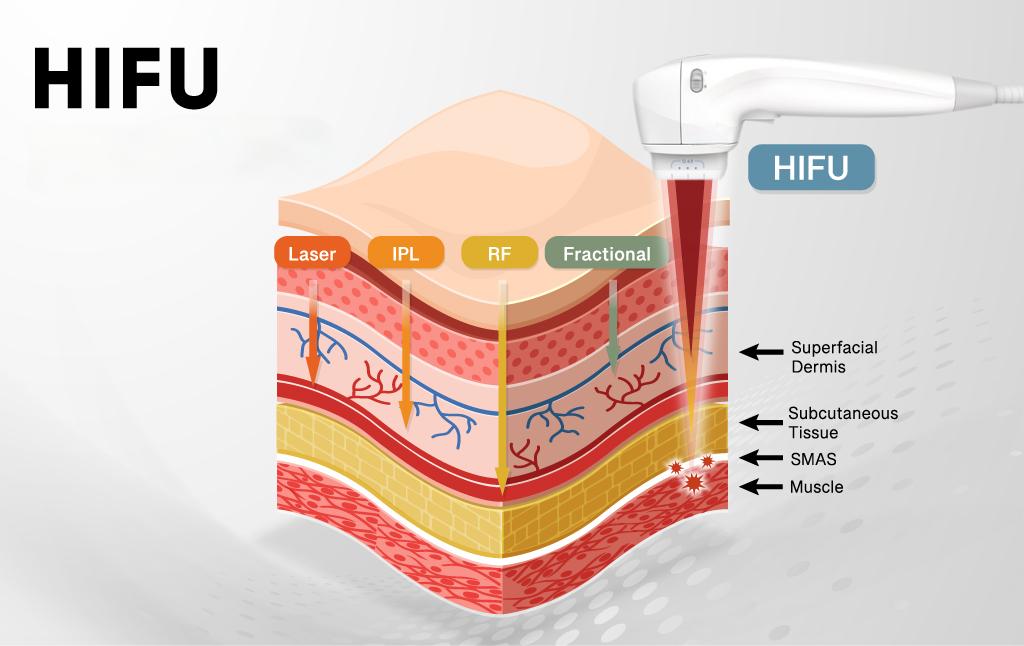
HIFU (High-Intensity Focused Ultrasound) works by delivering focused ultrasound energy to the SMAS layer, the same foundational layer targeted during surgical facelifts. This controlled thermal effect stimulates collagen production and tissue remodeling, gradually improving skin firmness and lifting over the following months.
Benefits of HIFU for Beauty Clinics
A professional HIFU machine can treat multiple concerns, including facial lifting, jawline contouring, and neck tightening, making it a versatile addition to any beauty clinic. Because clients often seek visible anti-aging results without surgery, HIFU treatments continue to generate strong demand and attractive profit margins.
Limitations of Traditional HIFU Systems
While HIFU is highly effective, traditional systems can involve longer treatment times and may cause discomfort for some clients during the procedure. Treatment results can also vary depending on the operator's technique and experience, making proper training especially important for consistent outcomes.
3. Radio Frequency (RF) Technology Continues to Expand
RF skin tightening technology continues to gain popularity in beauty clinics because it offers a gentler alternative to more aggressive lifting treatments. As demand grows for comfortable and low-risk anti-aging solutions, RF devices have become a core part of modern aesthetic equipment.
Why RF Treatments Remain Popular
RF skin tightening treatments are widely used because they are gentle on the skin and suitable for almost all skin types, including sensitive skin. Clients appreciate the comfortable experience, and clinics value the steady demand for non-invasive skin tightening treatments with minimal downtime.
Monopolar RF vs Bipolar RF
Monopolar RF penetrates deeper into the skin layers, making it more suitable for overall tightening and deeper tissue heating, while bipolar RF focuses more on superficial skin layers for surface rejuvenation. Both RF technologies are commonly used in aesthetic clinics, but they serve different treatment goals depending on patient needs.
Best RF Applications for Modern Clinics
In modern beauty clinics, RF technology is mainly used for skin tightening, wrinkle reduction, and overall facial rejuvenation. It is often combined with other technologies like HIFU or RF microneedling to deliver more comprehensive anti-aging results and improve patient satisfaction.
4. RF Microneedling Is Becoming a Core Anti-Aging Treatment
RF microneedling has quickly become one of the most in-demand anti-aging treatments in modern beauty clinics. By combining skin resurfacing and skin tightening in one procedure, it fills the gap between traditional RF and deeper lifting technologies like HIFU.
How RF Microneedling Combines Mechanical and Thermal Stimulation
RF microneedling works by creating micro-injuries in the skin while delivering radio frequency energy directly into the dermis. This dual action triggers collagen remodeling from both mechanical stimulation and controlled thermal heating. The result is improved skin texture and gradual skin tightening with visible anti-aging effects.
Conditions RF Microneedling Can Treat
RF microneedling is commonly used in beauty clinics to treat acne scars, enlarged pores, fine lines, and mild skin laxity. It is especially effective for clients who want skin rejuvenation with stronger resurfacing results compared to traditional RF skin tightening. Over time, it helps improve overall skin quality and firmness.
Why Many Clinics Pair RF Microneedling with HIFU
Many clinics combine RF microneedling with HIFU because the two technologies target different skin layers and complement each other well. HIFU works deeper for lifting and tightening, while RF microneedling improves surface texture and elasticity. Together, they deliver more complete non-surgical facelift results for clients seeking stronger anti-aging outcomes.
5. MFU + RF Combination Technology Is Emerging as the Next Generation of Skin Tightening
In 2026, more beauty clinics are starting to move beyond single-function devices and look for advanced skin tightening machines that combine multiple energies. MFU + RF technology is gaining attention because it delivers deeper lifting plus stronger skin tightening in one platform.
What Is MFU Technology?
MFU (Micro-Focused Ultrasound) is an advanced version of ultrasound-based skin tightening that targets deeper structural layers of the skin. It works by creating precise thermal points that stimulate collagen regeneration and gradual lifting effects. Compared with traditional systems, MFU offers more controlled energy delivery for non-surgical facelift treatments.
Why Combining MFU and RF Creates Better Treatment Synergy
Combining MFU and RF skin tightening technology allows clinics to treat both deep tissue and superficial skin layers at the same time. MFU focuses on lifting from the deeper foundation, while RF improves skin firmness and surface texture. This synergy results in more balanced and visible anti-aging outcomes.
Key Advantages of MFU + RF Systems
MFU + RF systems are becoming popular because they offer faster treatment sessions, improved patient comfort, multi-layer tissue stimulation, and enhanced collagen remodeling. For clinics, this means higher efficiency and better treatment results using a single skin tightening machine. It also helps attract clients looking for modern, time-saving aesthetic solutions.
Why More Clinics Are Upgrading to Dual-Technology Platforms
More beauty clinics are upgrading to MFU + RF platforms because they want to stay competitive in a fast-evolving aesthetic market. Clients are increasingly expecting better results in fewer sessions, and dual-technology devices meet that demand. For clinic owners, it’s also a smarter long-term investment with higher treatment value per patient.
6. How to Choose the Best Skin Tightening Technology for Your Clinic
Choosing the right skin tightening technology is not just about buying the newest machine—it’s about matching the device with your clinic’s clients, services, and long-term business goals. A smart investment in a skin tightening machine can directly improve patient satisfaction, treatment results, and clinic profitability.
Consider Your Target Client Demographics
Before investing in any skin tightening machine, clinics need to clearly understand their target clients, such as age group, skin concerns, and budget level. For example, younger clients may prefer gentle RF skin tightening, while older clients may look for stronger lifting treatments like HIFU or MFU technology.
Evaluate Treatment Versatility
A good aesthetic machine should offer multiple treatment options so your clinic can serve different skin concerns with one platform. Technologies like RF, HIFU, and RF microneedling increase flexibility and help clinics attract a wider range of skin tightening and anti-aging clients.
Compare Consumable Costs and Profit Margins
When selecting a skin tightening technology, it’s important to look beyond the purchase price and evaluate long-term consumable costs. Lower operating costs and higher treatment efficiency usually mean better profit margins for beauty clinics over time.
Assess Manufacturer Training and Technical Support
Even the best skin tightening machine requires proper training and ongoing support to deliver consistent results. Clinics should choose manufacturers that provide clear training programs, clinical protocols, and responsive after-sales service to avoid operational issues.
Focus on Long-Term ROI Rather Than Initial Purchase Price
Instead of focusing only on upfront cost, clinic owners should evaluate how quickly a skin tightening technology can generate return on investment. A slightly higher-priced machine with stable performance and strong demand often delivers better long-term revenue than cheaper alternatives.
7. Comparing the Most Popular Skin Tightening Technologies in 2026
With so many skin tightening technologies available today, beauty clinics often struggle to decide which system delivers the best results. Comparing HIFU, RF, RF microneedling, and MFU + RF helps clinic owners choose the right skin tightening machine based on treatment goals and client demand.
HIFU vs RF
HIFU and RF skin tightening work in very different ways—HIFU targets deeper layers like the SMAS for lifting, while RF focuses on heating the dermis for gradual tightening. In general, HIFU is better for lifting and contouring, while RF is more suitable for gentle skin tightening and maintenance treatments.
HIFU vs RF Microneedling
HIFU is mainly used for deep tissue lifting and non-surgical facelift results, while RF microneedling focuses more on skin resurfacing and texture improvement. Clinics often choose HIFU for sagging concerns and RF microneedling for acne scars, pores, and overall skin quality.
RF Microneedling vs Traditional RF
Traditional RF skin tightening is non-invasive and mainly improves skin firmness through controlled heating, while RF microneedling delivers energy deeper through micro-injuries. This makes RF microneedling more effective for stronger collagen remodeling and visible skin rejuvenation results.
MFU + RF vs Traditional HIFU Systems
MFU + RF systems combine deep lifting and surface tightening in one platform, while traditional HIFU machines focus only on deeper structural lifting. For modern beauty clinics, MFU + RF offers faster treatments, better patient comfort, and more complete anti-aging results compared to single-function HIFU systems.
8. What Skin Tightening Technology Trends Will Shape the Future of Aesthetic Clinics?
The future of aesthetic clinics is clearly moving toward smarter, faster, and more efficient skin tightening technology. Clinics that invest in advanced skin tightening machines today will be better positioned to stay competitive in the growing anti-aging market.
Multi-Technology Platforms Are Replacing Single-Function Devices
More clinics are shifting away from single-function devices and choosing multi-technology skin tightening machines that combine HIFU, RF, and RF microneedling. These all-in-one platforms allow clinics to treat different skin concerns without switching equipment, improving workflow and profitability.
Faster Treatments Are Becoming a Competitive Advantage
In 2026, treatment speed is becoming a key factor in clinic success, especially for high-volume aesthetic centers. Modern skin tightening technologies are designed to reduce session time while still delivering effective lifting and tightening results.
Patient Comfort Is More Important Than Ever
Patients are increasingly choosing skin tightening treatments that deliver results with minimal discomfort. Technologies like advanced RF and MFU + RF systems are gaining popularity because they offer a more comfortable experience compared to traditional HIFU machines.
Personalized Treatment Protocols Powered by Advanced Energy Systems
New-generation skin tightening machines are allowing clinics to customize energy levels and treatment depth based on individual patient needs. This personalization helps improve treatment outcomes and makes non-surgical facelift procedures more precise and effective.
FAQ
Here are some of the most common questions beauty clinic owners ask when choosing skin tightening technology and investing in a skin tightening machine in 2026. These answers will help you better understand HIFU, RF, RF microneedling, and MFU + RF systems.
What is the best skin tightening technology for beauty clinics in 2026?
There is no one-size-fits-all answer, but most modern beauty clinics combine HIFU, RF, and RF microneedling for different treatment needs. Newer MFU + RF skin tightening machines are also becoming popular because they offer multiple functions in one platform with better efficiency and results.
Is HIFU still worth investing in for aesthetic clinics?
Yes, HIFU skin tightening is still a strong investment for clinics because it delivers reliable non-surgical facelift results. However, many clinics now prefer combining HIFU with RF or upgrading to MFU + RF systems for better treatment versatility.
What is the difference between HIFU and RF skin tightening?
HIFU targets deeper layers of the skin for lifting and contouring, while RF skin tightening works on the dermis to improve firmness and elasticity. In simple terms, HIFU is for lifting, and RF is for gradual tightening and skin quality improvement.
Does RF microneedling tighten skin better than HIFU?
RF microneedling is more effective for improving skin texture, scars, and fine lines, while HIFU is stronger for deep lifting and sagging. Most clinics use both because they target different layers of the skin and deliver complementary anti-aging results.
What are the benefits of MFU + RF technology?
MFU + RF skin tightening technology combines deep tissue lifting with surface tightening in one treatment system. This allows clinics to achieve faster procedures, better patient comfort, and more complete collagen stimulation for anti-aging treatments.
Which skin tightening treatment offers the highest ROI for clinics?
High ROI usually comes from technologies with strong demand, fast treatment times, and repeatable procedures, such as RF skin tightening and RF microneedling. MFU + RF systems are also gaining attention because they combine multiple treatments in one machine, increasing revenue potential per client.
How much can clinics charge for skin tightening treatments?
Pricing varies by region and device type, but most skin tightening treatments like HIFU or RF microneedling are charged per session. Clinics often increase pricing when using advanced skin tightening machines that deliver faster and more effective results.
What should clinics look for when buying a skin tightening machine?
Clinics should focus on technology stability, treatment versatility, ROI potential, and after-sales support when choosing a skin tightening machine. A reliable manufacturer that provides training and clinical guidance is also essential for long-term success.
Final Thoughts
In 2026, skin tightening technology is no longer just about offering one treatment—it’s about building a complete non-surgical facelift solution that fits different client needs. Whether it’s HIFU, RF, RF microneedling, or advanced MFU + RF systems, the key for beauty clinics is choosing a skin tightening machine that delivers consistent results and strong long-term ROI.
Upgrade Your Clinic with Advanced Skin Tightening Technology
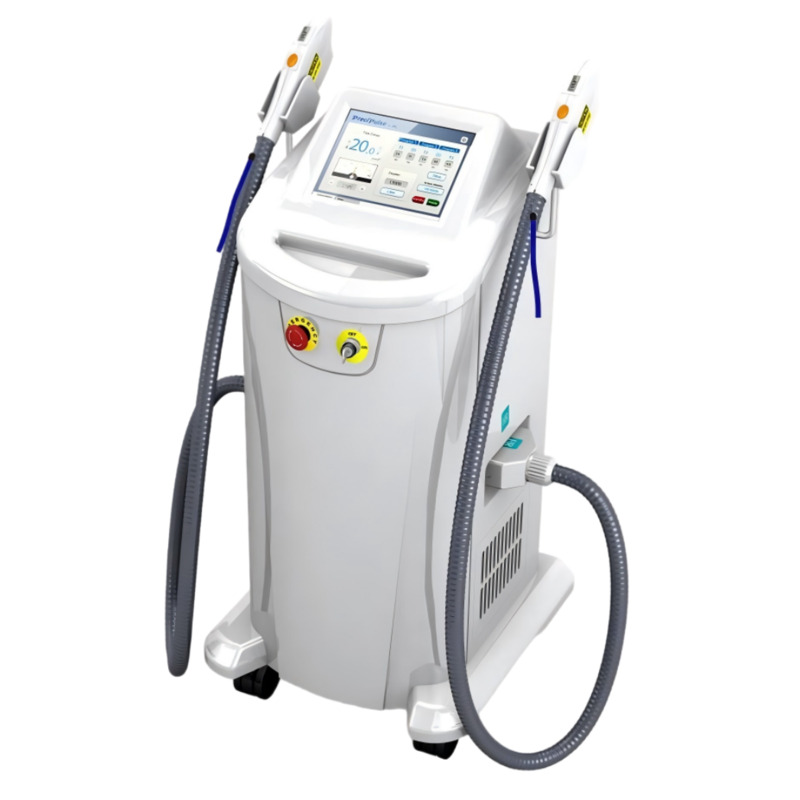
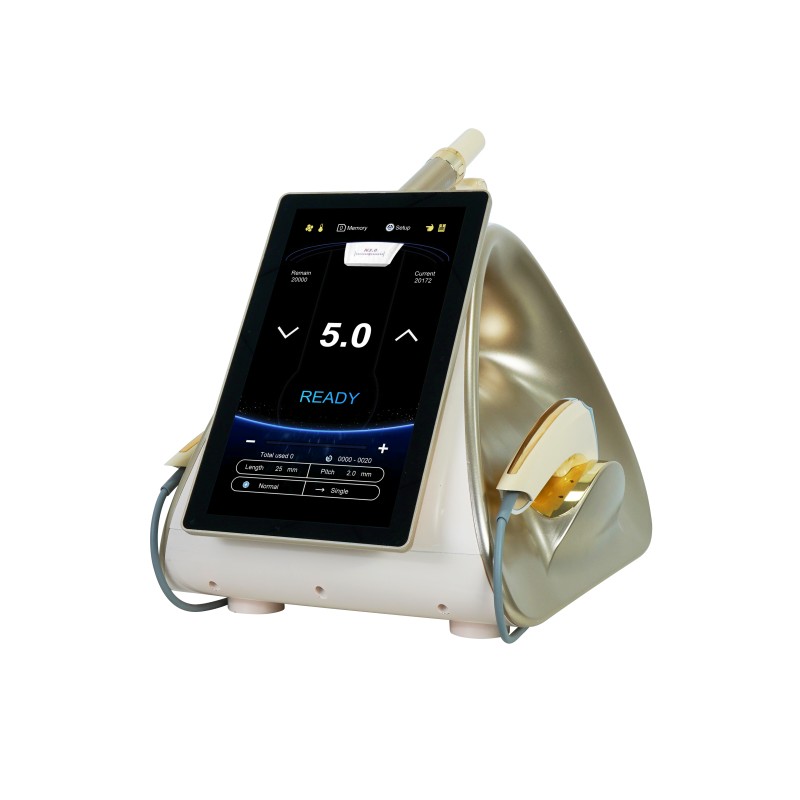
If you’re planning to upgrade your aesthetic clinic, now is the right time to invest in advanced skin tightening machines that combine performance, efficiency, and versatility. At Krysmed Technology, we provide professional skin tightening technology including HIFU, RF, and MFU + RF solutions designed to help clinics grow faster and stay competitive in 2026.
Our Contact
Ready to Elevate Your Business with Krysmed?
Let’s discuss your needs and find the best solution for your business. Our experts are here to provide personalized recommendations tailored to your business needs.
-
Call For Inquiry
-
Send Us Email
info@krysmed.com
Get A Custom Quote Now!
We value your privacy and guarantee a prompt, professional reply.
 WhatsApp
 info@krysmed.com
 +86 19867944875