

News
02
Apr
What Beauty Therapists Need to Know About HIFU to Boost Client Results
If you’re a beauty therapist looking to offer HIFU treatments that really deliver results, you know it’s not just about pushing a button. Clients want tighter, lifted skin—and it’s up to you to make it happen safely and effectively. This guide covers what every beauty therapist needs to know about HIFU to boost client satisfaction and confidence.
1. Common Questions Beauty Therapists Ask About HIFU
Many beauty therapists wonder what to expect when offering HIFU treatments. Here are the most common questions clients ask and practical tips to answer them confidently.
Does HIFU treatment hurt?
Most clients feel mild tingling or warmth during HIFU. Using proper technique and settings can keep the treatment comfortable. Communicating this clearly builds trust and reduces anxiety.
How long do the results last?
HIFU results usually appear gradually over 2–3 months and can last 6–12 months. Individual results vary depending on age, skin type, and lifestyle. Setting realistic expectations keeps clients happy.
Who is the best candidate for HIFU?
Clients with mild to moderate skin laxity usually see the best results. Avoid treating those with severe sagging or certain medical conditions. Always perform a proper consultation first.
How long does a session take?
A full-face HIFU treatment typically takes 30–60 minutes. Smaller areas or touch-ups can be done in 15–20 minutes. Efficient timing helps you manage multiple clients in a day.
Can HIFU be combined with other treatments?
Yes, HIFU works well with facials, microneedling, or light chemical peels. Combining treatments can enhance results if scheduled correctly. Always advise clients on recovery times between sessions.
| Question | Tips for Therapists | Client Takeaway |
|---|---|---|
| Does HIFU hurt? | Mild tingling; adjust settings; explain clearly. | Comfortable and safe. |
| How long do results last? | Appear 2–3 months; last 6–12 months; varies by skin. | Gradual, lasting improvement. |
| Who is the best candidate? | Mild/moderate laxity; consult first; avoid certain conditions. | Suitable for lifting/tightening. |
| How long is a session? | Full-face 30–60 min; small areas 15–20 min. | Quick and convenient. |
| Can it combine with other treatments? | Works with facials, microneedling, peels; schedule properly. | Better results with combos. |
2. How to Get the Best Results for Your Clients
To deliver effective HIFU treatments, beauty therapists need practical tips and careful preparation. Following these steps ensures your clients see real results and stay satisfied.
Consult thoroughly before treatment
Ask about medical history, skin type, and previous treatments. A proper consultation helps you tailor HIFU settings safely. Clients appreciate when you understand their needs.
Choose the right depth and intensity
Different areas of the face and neck require different HIFU depths. Adjust intensity based on skin thickness and sensitivity. Correct settings make the difference between average and impressive results.
Prepare the skin properly
Cleanse the skin thoroughly and remove makeup or oils. Applying the right gel ensures smooth ultrasound delivery. Proper preparation improves comfort and results.
Follow a systematic treatment plan
Treat one area at a time, following a consistent pattern. Avoid overlapping excessively to prevent discomfort or bruising. A structured approach saves time and enhances outcomes.
Give clear aftercare instructions
Advise clients to avoid intense heat, sun exposure, or harsh skincare for 24–48 hours. Simple tips like hydration and gentle massage help maintain results. Clear guidance improves client satisfaction and trust.
| Step | Tips for Therapists | Client Takeaway |
|---|---|---|
| Consult before treatment | Ask medical history, skin type, past treatments. | Personalized, safe treatment. |
| Choose depth & intensity | Adjust by area, skin thickness, sensitivity. | Better, noticeable results. |
| Prepare the skin | Cleanse, remove makeup/oil, apply gel. | Comfortable, smooth session. |
| Follow systematic plan | Treat one area at a time; avoid overlap. | Comfortable, efficient treatment. |
| Give aftercare instructions | Avoid heat/sun/harsh skincare 24–48 hrs; recommend hydration. | Faster recovery, better results. |
3. Troubleshooting & Avoiding Mistakes
Even experienced beauty therapists can run into challenges with HIFU treatments. Knowing common issues and how to avoid them keeps clients happy and ensures safe, effective results.
Redness and swelling after treatment
Mild redness or swelling is normal and usually fades within a few hours. Applying a cool compress can help clients feel more comfortable. Always reassure them that this is expected.
Clients experience discomfort or pain
Adjusting the intensity or pausing briefly can reduce discomfort. Use proper technique and check in frequently with clients. Comfort is key to a positive HIFU experience.
Results are not as noticeable
Ensure the treatment depth and energy settings match the client’s skin type. Multiple sessions may be needed for optimal lifting. Setting realistic expectations from the start prevents dissatisfaction.
Avoiding overlapping or over-treating
Moving too fast or overlapping excessively can cause bruising or irritation. Follow a consistent pattern and pace. Precision improves results and keeps clients safe.
Handling client concerns professionally
Listen to questions carefully and explain what HIFU can realistically achieve. Using before-and-after examples helps build trust. Educated clients are happier clients.
| Issue / Mistake | Tips for Therapists | Client Takeaway |
|---|---|---|
| Redness & swelling | Normal; fades in hours; use cool compress. | Mild and temporary. |
| Discomfort or pain | Adjust intensity; pause if needed; check in. | Comfortable, positive experience. |
| Results not noticeable | Match depth/energy to skin; multiple sessions may help. | Realistic expectations needed. |
| Overlapping / over-treating | Follow pattern; avoid excessive overlap. | Safe, precise treatment. |
| Handling client concerns | Listen, explain realistic outcomes; show examples. | Builds trust and confidence. |
4. Building Client Trust and Selling HIFU Treatments
Trust is everything when offering HIFU treatments. Beauty therapists who communicate clearly and show real results can increase bookings and client satisfaction.
Use before-and-after photos
Show clients real examples of previous treatments. Visual proof helps them understand what HIFU can achieve. Keep photos realistic to manage expectations.
Answer questions confidently
Be ready for common client questions about pain, results, and recovery. Honest and knowledgeable answers build credibility. Confident therapists close more appointments.
Offer package deals or follow-ups
Suggest a series of sessions for best results or combine HIFU with complementary treatments. Packages encourage repeat visits and boost client loyalty.
Share real client stories
Testimonials and short success stories resonate with new clients. People trust peers more than marketing claims. Sharing stories builds rapport quickly.
Educate clients about results
Explain that results appear gradually over 2–3 months and may require maintenance. Clear guidance prevents disappointment. Educated clients are more likely to return.
| Strategy | Tips for Therapists | Client Takeaway |
|---|---|---|
| Use before-and-after photos | Show real examples; keep photos realistic. | Understand what HIFU can achieve. |
| Answer questions confidently | Be ready for questions on pain, results, recovery; be honest. | Builds trust and credibility. |
| Offer package deals / follow-ups | Suggest session series or combine treatments. | Encourages repeat visits. |
| Share real client stories | Use testimonials and success stories. | Builds rapport and confidence. |
| Educate clients about results | Explain gradual results and maintenance. | Prevents disappointment, encourages return visits. |
Key Takeaways
HIFU can deliver real, visible results when beauty therapists follow the right steps. Proper consultation, correct settings, systematic treatment, and clear aftercare are essential for client satisfaction. Educating clients and building trust ensures repeat business and positive referrals.
Focus on safety and comfort
Always prioritize client safety and comfort during HIFU sessions. Happy clients are more likely to recommend your services.
Set realistic expectations
Explain how results develop over time and the potential need for multiple sessions. Clear expectations prevent misunderstandings.
Use proof and follow-ups
Before-and-after photos, testimonials, and follow-up sessions build credibility. Visual proof reinforces trust and encourages repeat visits.
Offer packages wisely
Suggest treatment packages or combinations with other services to boost client loyalty and revenue. Thoughtful offers keep clients coming back.
| Key Point | Tips for Therapists | Client Takeaway |
|---|---|---|
| Focus on safety and comfort | Prioritize safety; check client comfort. | Happy, satisfied clients. |
| Set realistic expectations | Explain gradual results; multiple sessions if needed. | Clients understand outcomes clearly. |
| Use proof and follow-ups | Show before/after photos; collect testimonials. | Builds trust and encourages return visits. |
| Offer packages wisely | Suggest treatment series or combos. | Boosts loyalty and repeat business. |
Ready to Transform Your HIFU Results?
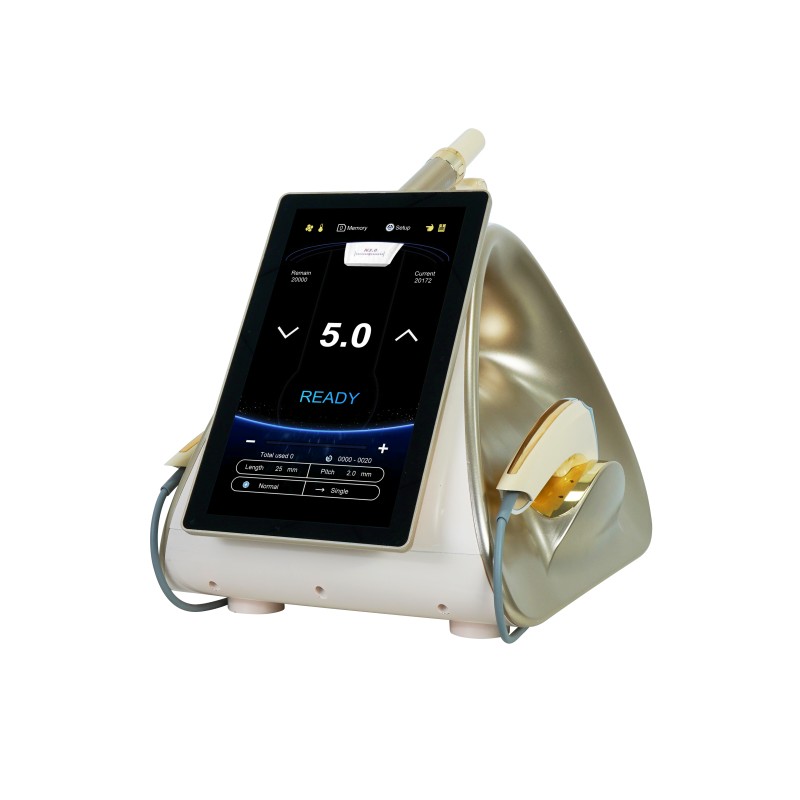
Offer treatments that truly impress your clients and keep them coming back. Contact Krysmed today to explore training, tips, and the best HIFU machines for your beauty clinic.
FAQ
Q1: Can HIFU be used on sensitive skin?
Yes, but it’s important to test a small area first and adjust the energy settings to ensure client comfort.
Q2: How often can clients repeat HIFU treatments?
Typically, treatments can be repeated every 6–12 months depending on skin condition and previous sessions.
Q3: Are there any skincare products clients should avoid before HIFU?
Clients should avoid retinoids or harsh exfoliants 2–3 days before treatment to prevent irritation.
Q4: Can HIFU treat areas other than the face?
Yes, HIFU can also be used on the neck, décolletage, and certain body areas for skin tightening.
Q5: What is the expected downtime after HIFU?
Most clients experience minimal to no downtime, with only slight redness or tenderness in some cases.
Q6: How do I maintain my HIFU device for long-term use?
Regularly clean the transducers, follow manufacturer guidelines, and check software updates to ensure optimal performance.
Q7: Can HIFU help with acne scars or pigmentation?
HIFU is primarily for lifting and tightening; other treatments like microneedling or IPL are better suited for scars or pigmentation.
Our Contact
Ready to Elevate Your Business with Krysmed?
Let’s discuss your needs and find the best solution for your business. Our experts are here to provide personalized recommendations tailored to your business needs.
-
Call For Inquiry
-
Send Us Email
info@krysmed.com
Get A Custom Quote Now!
We value your privacy and guarantee a prompt, professional reply.
 WhatsApp
 info@krysmed.com
 +86 19867944875