

News
05
Jul
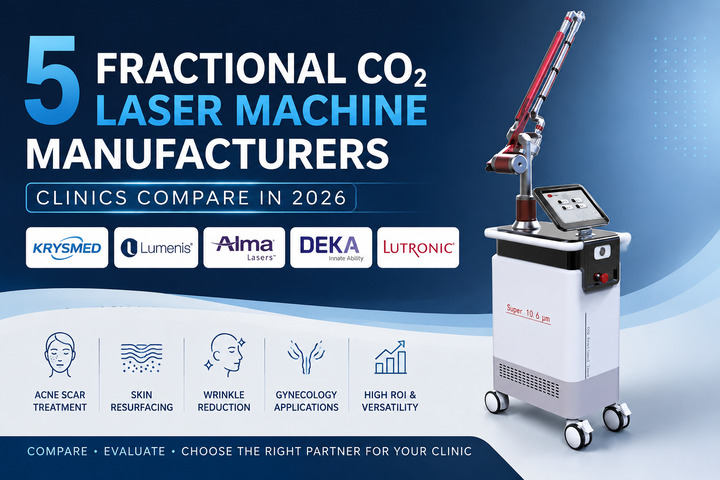
5 Fractional CO2 Laser Machine Manufacturers Clinics Compare in 2026
Choosing the right fractional CO2 laser machine manufacturer is about more than price or specifications. Clinics and distributors need a supplier that offers reliable technology, practical training, responsive support, and long-term value. In this guide, we compare five fractional CO2 laser machine manufacturers in 2026 to help you find the best fit for your clinic, treatment goals, and budget.
Why Choosing the Right Fractional CO2 Laser Manufacturer Matters More Than Just Choosing a Machine
A fractional CO2 laser is not a one-time consumable purchase. It is a long-term treatment platform that affects what services a clinic can offer, how confidently practitioners can work, how quickly the investment can be recovered, and how smoothly the machine can be maintained over time.
Two systems may look similar on a quotation sheet, but the manufacturer behind the machine often makes a major difference in real-world use. A supplier’s training quality, response time, spare parts availability, documentation, and willingness to help after installation can influence results just as much as the machine’s headline specifications.
For clinics offering acne scar revision, skin resurfacing, wrinkle reduction, lesion treatment, or women’s intimate care procedures where appropriate, the right fractional CO2 laser supplier should be evaluated as a technology partner, not simply a hardware vendor.
How We Evaluated These Fractional CO2 Laser Machine Manufacturers
To make this comparison more useful for clinics, we focused on the areas that most often influence purchasing decisions and long-term satisfaction.
Editor's Note: Manufacturers may update machine configurations, accessories, certifications, warranty policies, or software over time. Always verify the latest specifications and documentation directly with the supplier before making a purchasing decision.
What Clinics Should Compare Before Buying a Fractional CO2 Laser Machine
Buying Tip: Before requesting quotations, compare manufacturers using all of these criteria—not just machine specifications or price. A supplier with better training, technical support, and long-term reliability can often deliver a higher return on investment than a lower-priced alternative.
5 Fractional CO2 Laser Machine Manufacturers Clinics Compare in 2026
Below are five manufacturers that clinics commonly compare when looking for a professional fractional CO2 laser machine.
1. Krysmed
Best for: clinics, medspas, and distributors looking for a professional fractional CO2 laser with strong value, multiple treatment functions, and direct manufacturer support.
Krysmed is one of the manufacturers worth shortlisting when a clinic wants a fractional CO2 laser machine that balances versatility and cost control rather than paying purely for premium brand prestige. Its DermaLaser CO₂ platform is positioned as a multi-application CO2 system for skin resurfacing, acne scars, wrinkle reduction, surgical support, and gynecology or intimate care applications where relevant.
According to Krysmed’s published product information, the DermaLaser CO₂ highlights a Coherent RF metal tube, 40W output, multiple treatment heads, and a platform designed to support both fractional resurfacing and broader treatment functions. The company also presents it as a long-service-life system with a 2-year warranty and multiple certification claims on the product page. Clinics comparing value-focused professional suppliers may find this combination attractive because it is not just a resurfacing machine; it is positioned as a broader treatment platform. See Krysmed DermaLaser CO₂.
Key strengths
Positioned as a multi-function fractional CO2 platform, not just a basic resurfacing device
Strong appeal for clinics that want acne scar treatment, resurfacing, wrinkle work, and additional functions from one machine
Direct manufacturer model may be attractive for clinics and distributors that value communication and quotation flexibility
Better suited than premium-priced systems for buyers who are focused on ownership value and ROI
Potential limitations
It does not have the same global prestige or physician-facing brand recognition as legacy premium brands such as Lumenis, Alma, or DEKA
Clinics should still verify which functions, certifications, accessories, and support arrangements apply in their own market
Who should consider Krysmed
Startup or growing aesthetic clinics that want a professional CO2 platform without stepping into premium-brand pricing
Medspas adding acne scar and resurfacing treatments
Buyers who want one system with fractional, ultrapulse / surgical, and gynecology-oriented versatility
Distributors comparing China-based aesthetic device manufacturers with broader product ranges
2. Lumenis
Best for: dermatology clinics, physician-led practices, and buyers who prioritize premium brand recognition and established medical reputation.
Lumenis is one of the most recognizable names in energy-based medical aesthetics. For many clinics, the appeal of a brand like Lumenis is not only the machine itself but the global reputation, long-standing presence in medical aesthetics, and strong brand recognition among physicians. When clinics compare fractional CO2 laser machine manufacturers at the premium end of the market, Lumenis is often one of the first names on the shortlist.
The trade-off is that premium reputation usually comes with a premium price. For clinics that want the reassurance of a globally known brand and may be less price-sensitive, Lumenis can be a strong option. For smaller clinics or medspas focused on ROI, however, the premium positioning may not always be necessary.
Key strengths
Strong global brand recognition
Well-known medical aesthetics presence
Often viewed as a premium option for physician-led clinics
Suitable for clinics that value brand trust and established market visibility
Potential limitations
Higher acquisition cost than value-focused manufacturers
Not every clinic needs premium-brand pricing to offer profitable resurfacing treatments
Who should consider Lumenis
Dermatology clinics and physician-led practices
Clinics that want premium brand prestige
Buyers with larger budgets and a preference for established medical brands
3. Alma Lasers
Best for: established aesthetic clinics and medspas that prefer a globally recognized aesthetic technology company with a broad treatment portfolio.
Alma Lasers is another manufacturer frequently included in discussions around professional aesthetic devices. Its strength lies in being part of a broader aesthetic ecosystem rather than being known for only one device category. For clinics already familiar with Alma or using multiple energy-based technologies, that can be appealing.
In a fractional CO2 comparison, Alma’s value comes from brand familiarity, aesthetic industry presence, and portfolio depth. For some buyers, that makes Alma feel like a safer investment. On the other hand, clinics focused mainly on CO2 resurfacing ROI rather than broader brand alignment may still compare Alma against more cost-effective manufacturers.
Key strengths
Strong recognition in the aesthetic equipment industry
Attractive to clinics that prefer established international brands
Fits well in multi-device clinics that already work with aesthetic platforms from major manufacturers
Potential limitations
May not offer the same value proposition as a more direct, manufacturer-led supplier
Pricing and support experience can vary depending on local distribution structure
Who should consider Alma Lasers
Multi-treatment aesthetic clinics
Medspas building a portfolio of branded aesthetic technologies
Buyers who value global brand familiarity
4. DEKA
Best for: clinics that prioritize premium positioning, resurfacing credibility, and a more medically branded image.
DEKA is often associated with premium aesthetic and medical laser technology, especially in conversations around resurfacing and women’s health applications. For clinics that want a supplier with strong European medical branding and a more premium image, DEKA can be a compelling option.
As with other premium manufacturers, the main question is not whether the brand is credible. It is whether the clinic actually needs a premium-priced platform for its business model. A physician-led dermatology clinic may see clear value in that positioning, while a startup medspa may prefer a system that delivers broader ownership value at a lower entry cost.
Key strengths
Premium medical-aesthetic brand positioning
Strong fit for clinics that want a high-end resurfacing image
Relevant for practices comparing resurfacing and women’s health applications
Potential limitations
Premium systems are not always the most practical choice for smaller clinics
Buyers should compare cost against how often they will realistically use advanced functions
Who should consider DEKA
Premium aesthetic clinics
Dermatology and physician-led practices
Clinics wanting a high-end resurfacing brand image
5. Lutronic
Best for: clinics that want a recognized aesthetic laser brand with relevance in resurfacing and scar-focused treatments.
Lutronic is another manufacturer that often appears in discussions around professional resurfacing and energy-based skin treatments. It is a familiar name to many clinics, particularly those that follow physician-led aesthetic technology trends. In a buyer comparison, Lutronic often appeals to clinics looking for a balance between strong clinical branding and aesthetic technology credibility.
That said, clinics should still compare the practical buying factors that affect everyday use: support, training, ownership cost, and whether the platform fits their real treatment demand.
Key strengths
Recognized brand in aesthetic laser technology
Relevant to clinics focused on resurfacing and skin quality treatments
Attractive for buyers who want a known international supplier
Potential limitations
May still be more expensive than value-focused manufacturer options
Brand familiarity should not replace a practical comparison of support and ownership value
Who should consider Lutronic
Clinics focused on acne scars, resurfacing, and skin quality treatments
Buyers who want an internationally recognized aesthetic laser brand
Practices that prefer a more clinically branded supplier than a purely price-driven one
Fractional CO₂ Laser Machine Manufacturer Comparison at a Glance
The table below summarizes how these five manufacturers are commonly positioned in a clinic buying decision.
Quick Take: Premium brands such as Lumenis, Alma Lasers, DEKA, and Lutronic are often chosen for their established reputation. Krysmed, on the other hand, stands out for clinics looking to balance treatment versatility, direct manufacturer support, and long-term return on investment.
Feature Comparison Table: What Clinics Should Look at Beyond Brand Name
Brand reputation matters, but it should not be the only deciding factor. Clinics should compare each supplier across the areas that affect both treatment quality and ownership experience.
Editor's Note
This scorecard is based on publicly available product information, manufacturer positioning, treatment versatility, ownership value, and suitability for different clinic types. It is intended as a practical purchasing reference rather than an absolute ranking. Buyers should verify specifications, certifications, pricing, and after-sales support directly with each manufacturer before making a purchasing decision.
This scorecard is based on publicly available product information, manufacturer positioning, treatment versatility, ownership value, and suitability for different clinic types. It is intended as a practical purchasing reference rather than an absolute ranking. Buyers should verify specifications, certifications, pricing, and after-sales support directly with each manufacturer before making a purchasing decision.
Which Fractional CO2 Laser Manufacturer Is Best for Different Clinic Types?
There is no single “best” manufacturer for every clinic. The better question is which supplier is the best fit for your business model, treatment plan, and budget.
Quick Buying Tip
There is no single best fractional CO₂ laser machine manufacturer for every clinic. The right choice depends on your treatment goals, target patients, available budget, and long-term business strategy. Choosing a manufacturer that aligns with your clinic's growth plans will usually deliver a better return on investment than selecting a machine based on brand name alone.
There is no single best fractional CO₂ laser machine manufacturer for every clinic. The right choice depends on your treatment goals, target patients, available budget, and long-term business strategy. Choosing a manufacturer that aligns with your clinic's growth plans will usually deliver a better return on investment than selecting a machine based on brand name alone.
Common Mistakes Clinics Make When Comparing Fractional CO2 Laser Suppliers
Pro Tip: The best fractional CO₂ laser machine is not necessarily the one with the longest feature list or the lowest price. Focus on choosing a manufacturer that offers reliable technology, practical training, responsive support, and the right treatment capabilities for your clinic's business goals.
Questions Every Clinic Should Ask Before Buying a Fractional CO₂ Laser Machine
Before signing a quotation, clinics should ask the manufacturer or supplier a few practical questions:
Pro Buying Tip
Before signing a quotation or paying a deposit, ask every manufacturer the same set of questions. Comparing suppliers using consistent criteria makes it easier to identify the fractional CO₂ laser machine manufacturer that offers the best combination of technology, support, and long-term value for your clinic.
Before signing a quotation or paying a deposit, ask every manufacturer the same set of questions. Comparing suppliers using consistent criteria makes it easier to identify the fractional CO₂ laser machine manufacturer that offers the best combination of technology, support, and long-term value for your clinic.
Final Verdict
The best fractional CO2 laser machine manufacturer depends on your clinic's treatment goals, budget, and long-term business plans—not simply on brand recognition. While premium brands such as Lumenis and DEKA may suit clinics seeking established medical prestige, Krysmed's DermaLaser CO₂ is a strong choice for clinics and distributors looking for a versatile fractional CO2 laser machine with reliable performance, multiple treatment applications, direct manufacturer support, and excellent long-term value. Ultimately, choosing the right fractional CO2 laser machine manufacturer means finding the supplier that best fits your clinic's needs today while supporting future growth.
Need Help Comparing Fractional CO2 Laser Machines for Your Clinic?
If you are evaluating fractional CO2 laser machine manufacturers and want a machine that balances resurfacing performance, treatment versatility, and long-term ownership value, it is worth taking a closer look at Krysmed’s CO2 platform.
You can explore the specifications of the DermaLaser CO₂ fractional laser machine or contact Krysmed directly to ask about:
treatment functions and available handpieces
training and after-sales support
certifications and documentation
pricing, shipping, and distributor opportunities
FAQ
What is the best fractional CO2 laser machine manufacturer for a small clinic?
For a small clinic, the best choice is usually the manufacturer that offers the strongest balance of versatility, training, support, and manageable ownership cost. A premium brand is not always necessary if the clinic’s goal is to build profitable resurfacing and scar treatments without overextending the budget.
Is a multi-function fractional CO2 laser machine better than a resurfacing-only machine?
It depends on the clinic. A multi-function platform can create more revenue opportunities if the clinic actually plans to use those additional treatments. If the clinic only wants resurfacing and acne scar work, a simpler system may still be enough.
Is Krysmed DermaLaser CO2 a good option for acne scars and resurfacing?
Krysmed is worth considering for clinics that want a professional fractional CO2 platform with broader treatment versatility and stronger value positioning than premium legacy brands. As always, buyers should verify the exact model configuration, training support, and documentation before purchasing.
How important is training when buying a professional CO2 laser machine?
Training is extremely important, especially for clinics that are new to ablative resurfacing. A machine can be technically strong, but without proper onboarding and support, it may not be used confidently or profitably.
What certifications should a fractional CO2 laser manufacturer provide?
That depends on your market, but clinics commonly ask for documentation such as CE, FDA-related information where applicable, ISO-related manufacturing documentation, and other compliance materials relevant to import or clinic use. Buyers should verify what is required in their own country before purchasing.
Our Contact
Ready to Elevate Your Business with Krysmed?
Let’s discuss your needs and find the best solution for your business. Our experts are here to provide personalized recommendations tailored to your business needs.
-
Call For Inquiry
-
Send Us Email
info@krysmed.com
Get A Custom Quote Now!
We value your privacy and guarantee a prompt, professional reply.
 WhatsApp
 info@krysmed.com
 +86 19867944875