

News

06
Nov
Best HIFU Machines for Clinics in 2026: A Complete Buying Guide
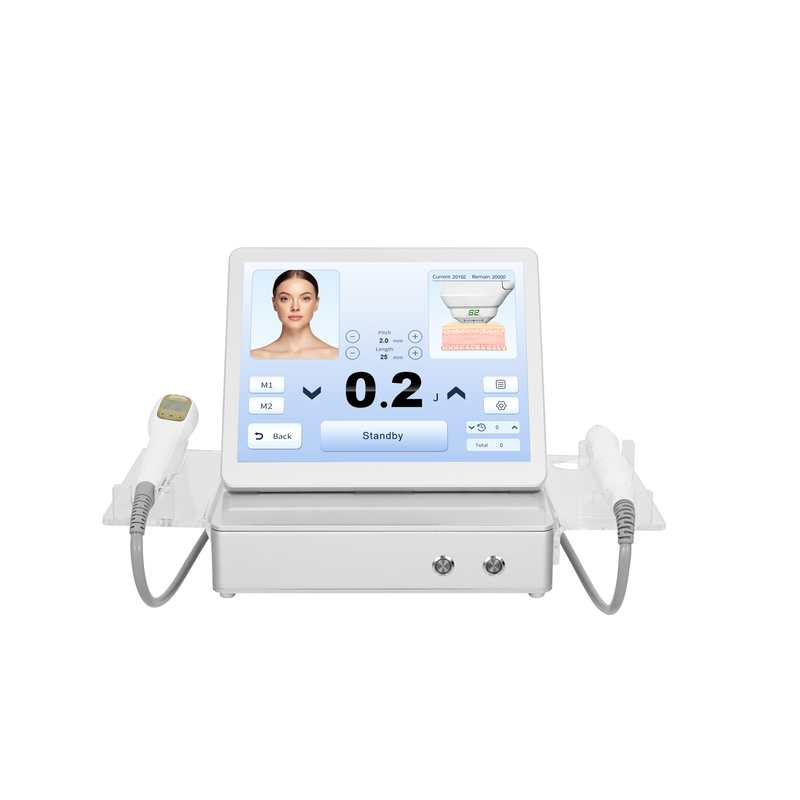
High-Intensity Focused Ultrasound (HIFU) has revolutionized non-invasive facial lifting, skin tightening, and body contouring. By stimulating collagen without surgery or downtime, HIFU has become a top choice for clinics and patients seeking effective, comfortable treatments.
In 2026, the demand for HIFU machines continues to rise as clients expect quick, noticeable results. For clinics, choosing the right HIFU device is key to delivering high-quality care, maximizing ROI, and staying competitive in the growing non-surgical aesthetics market.
Understading HIFU Technology
1. What Is HIFU?
HIFU (High-Intensity Focused Ultrasound) is an advanced non-invasive aesthetic technology that lifts, tightens, and rejuvenates the skin without surgery or downtime. Unlike laser or radiofrequency treatments that work primarily on the skin’s surface, HIFU delivers focused ultrasound energy deep beneath the skin, stimulating collagen and elastin regeneration — the proteins responsible for firmness and elasticity.
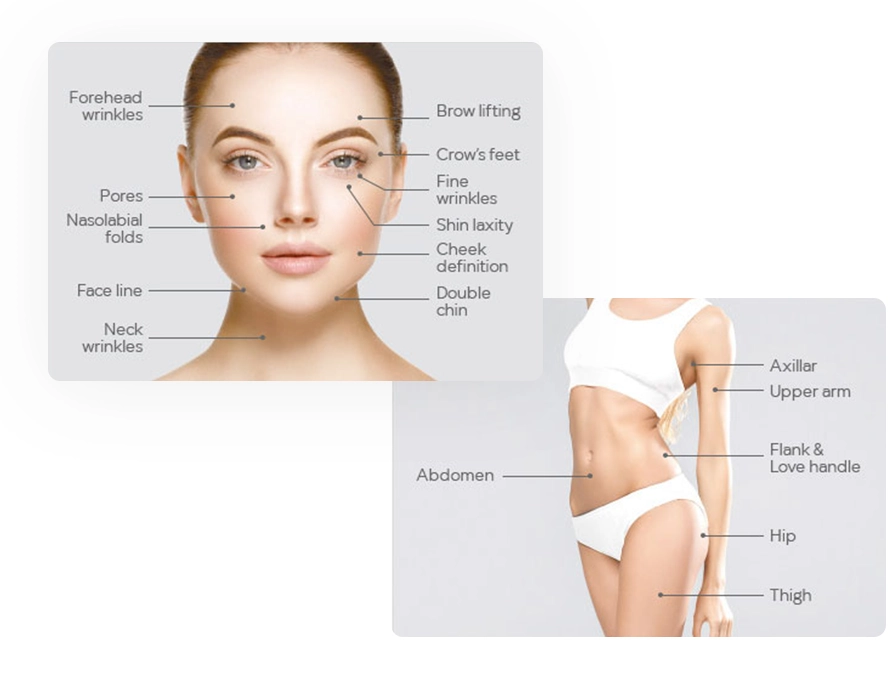
In aesthetic medicine, HIFU is best known for facial lifting, wrinkle reduction, and skin tightening on the jawline, cheeks, neck, and around the eyes. Beyond the face, it can also target the abdomen, thighs, and arms for overall contouring and toning, making it one of the most versatile technologies in modern skin therapy.
2. How Does HIFU Work?
HIFU works by delivering precise ultrasound energy at controlled depths — typically 1.5mm, 3.0mm, and 4.5mm for facial rejuvenation, and up to 13mm for body treatments. This energy creates thermal coagulation points in deeper tissue layers, including the SMAS (Superficial Musculoaponeurotic System) — the same layer targeted in surgical facelifts.
When tissue temperatures reach around 60–70°C, the body’s natural healing response is activated, leading to:
Immediate tissue contraction, resulting in visible tightening
Long-term collagen remodeling, improving firmness and elasticity over 2–3 months
Because the skin’s surface remains intact, HIFU provides a lifting effect without needles, incisions, or significant downtime, a major advantage for both clients and practitioners.
3. Applications of HIFU
Today’s HIFU devices extend far beyond facial lifting. Common applications include:
Non-surgical face lifting and contouring
Jawline definition and double-chin reduction
Eyelid tightening and brow lifting
Neck and décolletage rejuvenation
Abdomen firming and postpartum skin tightening
Arm and thigh contouring
Each treatment protocol combines specific cartridge depths, energy settings, and shot patterns based on the patient’s unique skin structure and desired outcomes.
4.How to Use a HIFU Machine
Proper use of a HIFU device is crucial to ensure safety, effectiveness, and patient comfort. A typical treatment workflow includes:
Patient Assessment
Examine elasticity, and problem areas
Determine treatment depth and energy settings based on tissue thickness and desired outcome
Preparation
Cleanse the treatment area thoroughly
Apply ultrasound gel to facilitate energy transmission
Treatment Delivery
Use appropriate cartridges for each depth (e.g., 1.5mm for superficial layers, 4.5mm for SMAS)
Move the handpiece along designated treatment lines systematically
Monitor patient comfort and adjust energy levels if needed
Post-Treatment Care
Advise patients to avoid excessive sun exposure and heat for 24 hours
Recommend gentle skincare products
Schedule follow-up sessions as required
Following a standardized protocol ensures consistent results, patient satisfaction, and minimal adverse effects.
5. HIFU vs Other Non-Invasive Technologies
HIFU vs RF (Radio Frequency)
Depth of action: HIFU targets SMAS (~4.5mm), RF works mainly on dermis (1–3mm)
Effect longevity: HIFU results last 12–18 months; RF is effective for superficial tightening
Comfort: Modern HIFU is controllable; RF usually feels warm
Best for: HIFU for facial lifting and fat reduction; RF for light sagging and fine lines
HIFU vs Microneedling / RF Microneedling
Mechanism: Microneedling stimulates skin regeneration; RF Microneedling adds energy for deeper remodeling; HIFU acts non-invasively at deep tissue layers
Downtime: Microneedling may cause minor redness for 1–2 days; HIFU has none
Scope: HIFU for lifting/contouring; Microneedling for scars, fine lines, texture
HIFU vs Laser Treatments
Target layers: Laser acts on epidermis/dermis; HIFU penetrates deep tissue
Pain & risks: Laser may cause burns or pigmentation; HIFU safer, minimal pain
Use cases: Laser for pigmentation, resurfacing; HIFU for lifting and firming
Takeaway: HIFU’s strength lies in deep, non-invasive, long-lasting lifting, while other technologies are ideal for surface improvements or combined therapy.
6. HIFU Market Growth and Trend (2018–2026)
2018: Global HIFU market ~$420M, concentrated in high-end clinics in North America and Europe
2020: ~$610M, Asia-Pacific demand surged (Korea, China, Japan, Southeast Asia)
2023: ~$850M, mid-tier clinics adopting cost-effective HIFU systems
2026 (forecast): >$1.2B, CAGR ~12–14%
Drivers of growth: non-invasive procedures preferred, rising demand for long-term skin tightening, faster treatments with higher comfort, and broader accessibility in small clinics.
Core Technology Innovations in Modern HIFU Machines
Micro-Focused Ultrasound (MFU) and SMAS Layer Targeting
Modern HIFU machines leverage Micro-Focused Ultrasound (MFU) technology to deliver energy precisely to the SMAS layer beneath the skin. This layer is crucial for long-term skin tightening and facial lifting, as it supports the superficial tissues. By focusing ultrasound waves at a controlled depth, MFU stimulates collagen production and tissue regeneration without damaging the skin surface. The ability to reach the SMAS layer non-invasively is what distinguishes HIFU from other modalities like radiofrequency or laser treatments.
RF Fusion Technology and Skin Tightening
Some advanced HIFU devices combine MFU with radiofrequency (RF) energy to enhance skin tightening effects. RF penetrates the dermis to further stimulate collagen remodeling and improve skin elasticity. This dual approach allows clinics to achieve more dramatic and longer-lasting results, particularly in areas with thicker skin or mild sagging.
Upgraded Transducer Design
Modern HIFU machines feature multiple transducers designed for different depths, from 1.5mm to 13mm, suitable for facial and body treatments. The ergonomic, hand-held design ensures precise energy delivery, even on curved or challenging areas like the jawline and under the chin. Adjustable depth settings allow practitioners to customize treatments according to patient needs, skin thickness, and treatment goals.
Energy Distribution and Safety Mechanisms
Safety is a primary concern in HIFU treatments. Newer machines provide uniform energy distribution to avoid hotspots that could cause discomfort or minor burns. The precise energy delivery ensures that treatment outcomes are consistent while minimizing potential side effects.
Precision, Comfort, and Efficiency Improvements
While earlier HIFU devices focused primarily on efficacy, modern machines prioritize a balance of precision, speed, and patient comfort. Energy delivery has become more refined, enabling more accurate targeting of specific tissue layers. Treatment time has been reduced significantly due to faster pulse repetition rates and improved handpiece ergonomics. Additionally, enhanced comfort features make the experience more tolerable, leading to higher patient satisfaction and repeat visits.
Clinical Applications and Patient Outcomes of HIFU
Facial Contouring and Lifting
HIFU is highly effective for lifting sagging skin around the jawline, cheeks, and neck. By stimulating collagen production at multiple layers, it improves skin elasticity, tightens tissue, and enhances facial contours. Patients often notice visible results within a few weeks, with improvements continuing for several months.
Wrinkle Reduction and Skin Rejuvenation
Targeting superficial and mid-dermal layers allows HIFU to smooth fine lines and wrinkles. Common treatment areas include forehead lines, crow’s feet, and nasolabial folds. The combination of dermal and SMAS stimulation creates natural-looking rejuvenation without surgery.
Body Contouring Applications
Beyond the face, HIFU is effective for reducing localized fat deposits and tightening loose skin on the abdomen, arms, thighs, and buttocks. Precision targeting ensures that energy reaches subcutaneous fat while preserving surrounding tissues, making it a safe alternative to liposuction for patients seeking non-invasive solutions.
Patient Experience and Treatment Safety
Modern HIFU treatments are minimally painful, with many patients describing mild tingling or warmth during sessions. There is no downtime, allowing patients to return to normal activities immediately. The treatment’s non-invasive nature minimizes the risk of infection or scarring, making it suitable for a wide range of clients.
Business Impact and ROI Analysis of HIFU
Pricing and Revenue Potential
The average price per HIFU session varies by region and treatment area, typically ranging from $250 to $800. High-demand clinics with efficient scheduling can perform multiple sessions per day, generating significant revenue streams.
Customer Volume and Profit Margins
A well-marketed HIFU service can attract 5–15 clients per week initially, scaling up as the clinic builds reputation and client referrals. High-quality machines with low maintenance and durable transducers help maximize profit margins.
Equipment Maintenance and Longevity
Routine maintenance, such as transducer calibration and energy testing, ensures consistent results. Machines with longer lifespans and durable handpieces reduce the frequency of replacements and associated costs, positively impacting ROI.
Bundled Packages and Upselling Strategies
Clinics can increase revenue by offering HIFU as part of combined treatment packages, such as pairing facial lifting with RF skin tightening or LED therapy. Membership programs and recurring treatment plans further enhance profitability.
Choosing a HIFU Face and Body Machine — What to Look For
Selecting the right HIFU (High-Intensity Focused Ultrasound) machine for both face and body treatments is a crucial decision for any clinic or beauty professional. The right system not only determines treatment results and patient satisfaction, but also influences your return on investment, clinic workflow, and brand reputation.
Below are the key factors you should carefully evaluate before making your purchase.
1. Treatment Versatility — Face and Body Capabilities
Not all HIFU devices are created equal. Some models are designed exclusively for facial lifting, while others include body cartridges that target deeper tissue layers for tightening and contouring.
When choosing a versatile machine, check for:
Multiple cartridge depths:
1.5mm & 3.0mm – upper and mid-dermal layers for fine lines and wrinkles
4.5mm – SMAS layer for deep lifting and firming
6mm–13mm – for abdomen, arms, thighs, and body sculpting
Adjustable shot length and spacing to tailor treatment density and comfort
Automatic depth recognition or smart interface to prevent operator error
A high-quality face and body HIFU machine should allow seamless switching between cartridges for customized full-face rejuvenation and body tightening.
2. Precision and Energy Delivery
HIFU works by focusing ultrasound energy into precise points beneath the skin.
To achieve consistent results and patient comfort, the machine must ensure accurate energy delivery at every shot.
Key factors include:
Stable power output – prevents fluctuations that can cause uneven results or discomfort
Uniform thermal distribution – ensures even coagulation zones, promoting smooth lifting results
Adjustable energy levels – enables treatment customization for different skin types and sensitivity levels
High shot accuracy – modern systems use micro-focus or digital scanning technology for millimeter precision
Precision determines not only treatment safety but also the quality of results — the hallmark of professional HIFU performance.
3. Safety Features and Certifications
Patient safety is non-negotiable. When evaluating machines, always confirm that they meet international quality and safety standards.
Look for:
CE certification (Europe) or FDA clearance (U.S.)
Electrical safety compliance reports
Overheat protection and energy cut-off systems
Real-time skin contact sensors that detect insufficient coupling or incorrect placement
A machine with robust safety mechanisms minimizes risk, enhances client confidence, and protects your clinic’s reputation.
4. User Interface and Ease of Operation
An intuitive design makes all the difference in daily operation.
Modern HIFU devices now feature touchscreen interfaces with clear parameter settings, visual mapping, and treatment tracking.
What to look for:
Smart interface with real-time display of cartridge depth, pulse count, and remaining shots
Preset protocols for face, neck, and body zones
Lightweight ergonomic handpiece for comfortable long-duration use
A well-designed interface improves both treatment efficiency and operator confidence, leading to more consistent clinical results.
5. Treatment Comfort and Patient Experience
One of the main reasons clients choose HIFU over invasive procedures is the minimal discomfort and downtime.
Newer generation systems are designed with enhanced patient comfort in mind.
Features that improve comfort:
High-speed shot emission for faster treatments
Smooth glide motion with quality ultrasound gel application
Advanced technology for a preciser and more comfortable experience
The more comfortable the treatment feels, the higher your client retention and word-of-mouth referrals.
6. Performance, Efficiency, and ROI
From a business perspective, your HIFU machine should balance performance and profitability.
A faster, more efficient machine means more treatments per day — and a faster return on investment.
Consider:
Shot speed per line – faster systems reduce treatment time from 90 minutes to 45 minutes
Cartridge lifespan – check how many shots each cartridge can deliver (e.g., 10,000–60,000)
Maintenance cost and availability of replacement parts
Expected treatment price and patient volume in your clinic
A machine that performs efficiently with low maintenance costs ensures sustainable profits and long-term value.
7. After-Sales Support and Training
Even the most advanced machine needs proper operation and maintenance.
When choosing a supplier, evaluate their support quality and training resources.
Reliable suppliers should provide:
Comprehensive online or in-person training
Operation manuals, treatment guides, and protocol videos
Warranty coverage and technical support
Marketing tools, such as before-and-after photos and promotional materials
Choosing a supplier who offers strong training and lifetime support ensures your investment remains secure and your staff confident.
8. Price Range and Budget Considerations
HIFU machine pricing varies widely depending on technology level, power, and functionality.
Here’s a general overview:
| Category | Technology | Price Range (USD) | Suitable For |
|---|---|---|---|
| Entry-level | Traditional HIFU | $1,800–$2,000 | Small spas, beginners |
| Mid-range | Advanced technology like MFU and MPT | $3,000–$5,500 | Clinics offering facial & light contouring |
| Premium | Latest HIFU innovations | $6,000–$8,000+ | Established clinics & medical centers |
Avoid choosing based on price alone — always balance budget with technology quality and long-term support.
9. Brand Reputation and Supplier Reliability
A machine is only as good as the company behind it.
Always research the manufacturer’s reputation, client feedback, and market presence.
Check for:
Years of experience in medical aesthetics manufacturing
Client testimonials and real treatment results
Availability of spare parts and software updates
Transparency in warranty and service policies
Reliable suppliers don’t just sell you a machine — they become long-term partners in your clinic’s success.
Which HIFU Type Is Right for Your Clinic?
Choosing the right HIFU machine depends on your treatment goals, target clientele, and budget.
For Startups or Small Clinics
A HIFU with reliable, cost-effective, and easy to operate features
These systems provide visible lifting and tightening results, perfect for facial rejuvenation packages.
For Established Clinics or Medical Spas
Consider upgrading to 7D HIFU or MFU/MPT systems for advanced treatments and higher precision.
They offer more depth options, improved comfort, and shorter downtime — ideal for premium clients.
Many modern devices now combine HIFU + RF functions, offering versatile facial and body programs.
For Body Sculpting Clinics
Select a professional-grade HIFU with 6–13mm body cartridges to target fat reduction and skin tightening on larger areas such as abdomen, arms, thighs, and flanks.
The combination of deep HIFU energy and Liposonix technology ensures faster sessions and better lifting results.
For At-Home Use or Maintenance
Compact home-use HIFU devices can help maintain clinic results between treatments.
These are suitable for clients who want mild tightening or anti-aging care with no downtime.
In summary, understanding the type and technology of your HIFU machine ensures you select the most suitable system — one that aligns with your business goals, enhances client satisfaction, and maximizes your return on investment.
Questions to Ask Before Buying a HIFU Machine
Purchasing a professional HIFU device is a major investment — not only financially but also in terms of your clinic’s reputation and treatment results. Before making your decision, ask these critical questions to ensure you choose a machine that truly meets your needs.
1. What Type of HIFU Technology Does It Use?
Not all HIFU devices are created equal.
Some machines use traditional ultrasound, while others feature MFU or MPT technology for faster, more uniform treatments.
2. How Many Cartridges Are Included, and What’s the Lifespan?
Ask about:
The number of shots per cartridge (e.g., 10,000–60,000 shots)
The cost of replacement cartridges
Availability of different depth options for face and body
A longer cartridge lifespan significantly reduces maintenance cost and improves profit margins.
3. Is the User Interface Easy to Operate?
A well-designed HIFU system should be intuitive and efficient to use.
Check whether it includes:
Preset treatment modes or customized parameter settings
Touchscreen operation with clear visual guides
Lightweight handpieces and ergonomic design for long procedures
Smooth workflow not only improves user comfort but also enhances client safety.
4. What Kind of Training and Support Are Provided?
Proper training ensures optimal results and minimizes risk.
Reputable suppliers offer:
Detailed user manuals and training videos
Online or on-site training sessions
Ongoing technical support and marketing materials
5. What Is the Warranty and Maintenance Policy?
Before buying, clarify:
Warranty period (typically 1–2 years)
Repair or replacement policy
Availability of spare parts
Machines with lifetime technical support or remote troubleshooting provide long-term peace of mind.
Why Choose Krysmed HIFU?
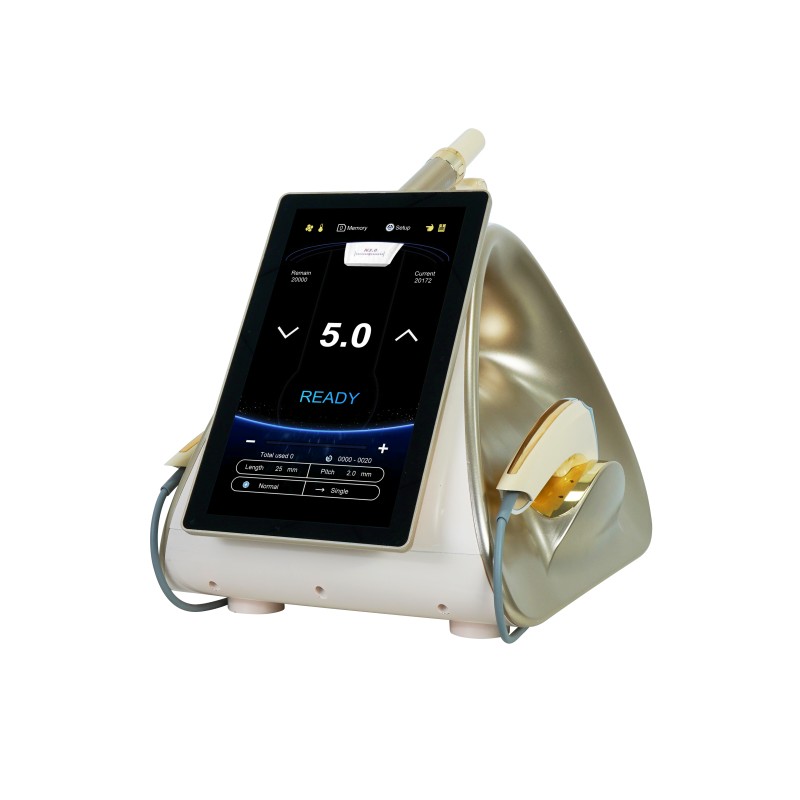
For clinics seeking high-performance, reliable, and safe HIFU machines, Krysmed HIFU stands out as a top choice in 2026. Krysmed devices combine advanced Micro-Focused Ultrasound (MFU) technology with optional RF energy fusion, allowing precise targeting of the SMAS layer for face lifting, as well as deeper layers for body contouring.
Key Advantages of Krysmed HIFU:
Versatile Treatment Depths: Cartridges ranging from 1.5mm to 13mm, suitable for facial and body applications.
Precision & Safety: Uniform energy distribution with real-time monitoring ensures effective and comfortable treatments.
Enhanced Patient Experience: Ergonomic handpieces, adjustable shot spacing, and smooth energy delivery reduce discomfort and downtime.
Proven Clinical Results: Clinically tested for consistent lifting, tightening, and contouring outcomes.
Training & Support: Comprehensive online and in-person training, plus responsive technical support, help clinics maximize ROI and patient satisfaction.
FAQ
1. What is the difference between 3D, 4D, 5D, and 7D HIFU?
These terms describe how many lines or shots the machine delivers in a single shot and how advanced the technology is.
3D,4D and 5D HIFU can deliver multiple lines in one pulse, allowing faster treatments and better coverage.
7D HIFU (or MFU/MPT) systems use micro-focused ultrasound with real-time visualization for higher precision, comfort, and uniform energy delivery.
2. How long do HIFU results last?
Most clients enjoy visible lifting and tightening results that continue to improve for 2–3 months after treatment, lasting up to 12–18 months depending on age, lifestyle, and skin condition.
Regular maintenance sessions can help extend and enhance results.
3. Is HIFU safe for all skin types?
Yes. HIFU works beneath the skin surface, so it’s safe for all skin tones and types, with minimal risk of hyperpigmentation or irritation.
However, clients with open wounds, severe acne, or metallic implants should be assessed carefully before treatment.
4. How many treatments can one HIFU cartridge perform?
Typically between 10,000 and 60,000 shots per cartridge, depending on the model and intensity settings.
For busy clinics, having extra cartridges ensures consistent service and minimizes downtime.
5. What kind of training is required?
While HIFU is non-invasive, proper training is essential to ensure accurate energy delivery and client safety.
Professional suppliers should offer hands-on or virtual training, covering anatomy, device operation, and treatment protocols.
6. How do I choose between HIFU, RF Microneedling, and Laser?
Each technology targets different skin layers and concerns:
HIFU: Lifts and tightens from the SMAS layer (deep foundation).
RF Microneedling: Improves texture, scars, and fine lines through collagen stimulation at mid-dermal depths.
Laser: Treats pigmentation and surface tone, and vascular issues.
For best results, many clinics combine them in a custom treatment plan.
7. What maintenance does a HIFU device require?
Minimal. Keep the handpiece clean, replace cartridges when needed.
8. What ROI can clinics expect from a HIFU investment?
HIFU offers one of the fastest returns in non-surgical aesthetics.
With an average treatment price of $250–$800 and minimal consumables, many clinics recover their investment within 3 months, depending on marketing and client volume.
Our Contact
Ready to Elevate Your Business with Krysmed?
Let’s discuss your needs and find the best solution for your business. Our experts are here to provide personalized recommendations tailored to your business needs.
-
Call For Inquiry
-
Send Us Email
info@krysmed.com
Get A Custom Quote Now!
We value your privacy and guarantee a prompt, professional reply.
 WhatsApp
 info@krysmed.com
 +86 19867944875