

News
06
Nov
Top Affordable HIFU Machines for Small Clinics in 2026
Why HIFU Matters for Growing Clinics
High-Intensity Focused Ultrasound (HIFU) has become one of the most in-demand non-invasive aesthetic treatments across the globe. It bridges the gap between professional-grade lifting results and client comfort — without needles, downtime, or surgery.
For small clinics and beauty studios, HIFU represents an opportunity to offer premium anti-aging treatments at a fraction of the cost of invasive procedures.
The global market for non-surgical facial lifting and tightening treatments has surged over the past five years. With new, more affordable HIFU systems entering the market in 2025–2026, small clinic owners now have access to technologies that were once limited to high-end medical facilities.
But not all HIFU devices are created equal. Choosing the right one requires understanding the technology, energy precision, treatment comfort, and long-term profitability.
What Is HIFU
HIFU, or High-Intensity Focused Ultrasound, is a non-surgical skin rejuvenation technique that uses focused ultrasound energy to heat targeted layers beneath the skin surface.
Unlike RF or laser systems that act superficially, HIFU can penetrate deep into the SMAS (Superficial Musculoaponeurotic System) — the same layer tightened during surgical facelifts.
When ultrasound waves reach this layer, they create thermal coagulation points, heating tissues to approximately 60–70°C, triggering a natural healing response.
The result: collagen remodeling, firmer skin, and visible lifting that continues to improve over 2–3 months post-treatment.
Key Benefits for Clinics:
Non-invasive with zero downtime
Safe for most skin types
Fast treatment sessions (30–60 mins)
Long-lasting lifting results (6–12 months)
Low operating cost and high profit margins
How HIFU Works: The Science Behind the Lift
Modern HIFU systems are designed with multiple depth cartridges — commonly 1.5mm, 3.0mm, 4.5mm for facial treatments, and 6–13mm for body contouring.
Each cartridge targets a specific skin layer:
| Depth | Target Layer | Treatment Effect |
|---|---|---|
| 1.5 mm | Epidermal–Dermal junction | Fine lines, superficial wrinkles |
| 3.0 mm | Deep dermis | Collagen stimulation, skin tightening |
| 4.5 mm | SMAS layer | Lifting and contouring |
| 6–13 mm | Subcutaneous tissue | Fat reduction and body firming |
This layered approach allows practitioners to customize treatment intensity and results, offering a full lifting protocol without harming the skin’s surface.
Clinical Applications and Patient Outcomes of HIFU
HIFU has become a versatile tool in both aesthetic medicine and beauty clinics, offering a non-invasive solution for skin rejuvenation, lifting, and contouring. Its ability to penetrate deep skin layers — including the SMAS (Superficial Musculoaponeurotic System) — makes it unique among non-surgical treatments. Below, we explore its key clinical applications and the outcomes patients can expect.
1. Facial Rejuvenation and Lifting
HIFU is widely recognized for its facial lifting capabilities, particularly around the jawline, cheeks, and brow area. By targeting the SMAS and deep dermal layers, HIFU stimulates collagen production and tissue tightening, resulting in a natural, non-surgical lift.
Typical benefits include:
Reduction of sagging skin on cheeks and jawline
Improved jawline definition and reduced jowls
Brow lifting and eyelid tightening
Smoother, firmer skin with fewer fine lines
Patient outcomes: Most patients notice immediate mild lifting due to tissue contraction, with gradual improvements over 2–3 months as collagen remodels. Results typically last 6–12 months, depending on age, skin condition, and lifestyle.
2. Neck and Décolletage Tightening
The neck and décolletage are challenging areas for non-surgical lifting due to thinner skin and weaker underlying support. HIFU’s precision allows treatment at 1.5mm–4.5mm depths, tightening loose skin and reducing horizontal neck lines.
Key results:
Smoother neck skin
Improved skin elasticity and firmness
Reduction in mild to moderate sagging
HIFU is especially popular among patients seeking subtle, natural-looking improvement without surgery.
3. Body Contouring and Skin Firming
Beyond the face, HIFU is effective for body areas prone to sagging or fat accumulation, including the arms, abdomen, flanks, and thighs. Using deeper cartridges (up to 13mm), HIFU can target subcutaneous fat and connective tissue, providing:
Localized fat reduction
Skin tightening for postpartum or weight-loss patients
Improved body contour and tone
Patient outcomes: Many patients see gradual lifting and firming over 2–3 months, often in combination with diet or exercise. Multiple sessions may be required for larger areas.
4. Specialized Applications
Double Chin Reduction: HIFU can reduce submental fat and tighten jawline skin.
Eyelid Lifting: For mild drooping eyelids, HIFU can provide subtle lift without surgery.
Postpartum Skin Tightening: Abdomen and thighs can benefit from non-invasive lifting after pregnancy.
5. Safety and Patient Comfort
One of HIFU’s main advantages is minimal downtime. Most patients experience only mild redness or tingling, which typically resolves within hours. Pain is generally mild due to modern devices’ pain-reduction technology such as pulse fractionation and integrated cooling.
Considerations for optimal outcomes:
Proper patient selection (good skin elasticity, mild to moderate sagging)
Correct depth and energy settings for each area
Experienced operators to ensure uniform treatment coverage
Long-Term Benefits: Regular maintenance sessions can extend lifting effects, promote collagen regeneration, and slow the progression of skin laxity.
HIFU Machine Options
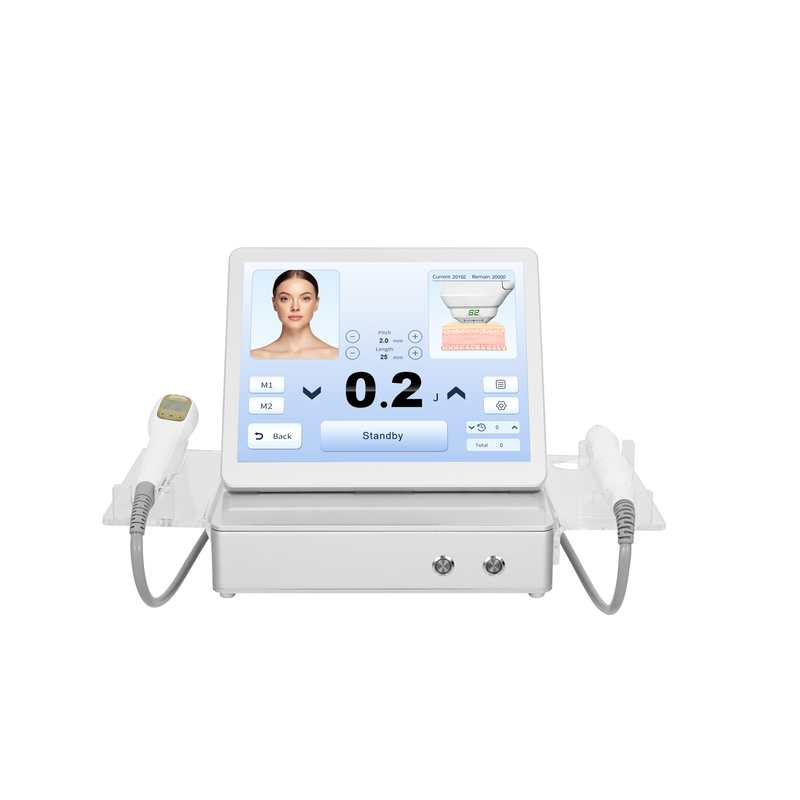
For small clinics or beauty studios that want to try HIFU without a big upfront investment, entry-level and portable machines are ideal. These devices are lightweight, easy to carry, and can be used in multiple treatment rooms or even on-the-go.
Most entry-level models cost between $500 and $2,200. Some home-use devices are even cheaper ($100–$300), but they offer limited features and are best suited for very small areas or experimental use.
Popular Entry-Level and Portable Options:
| Product Name | Price Range (USD) |
|---|---|
| HIFU Facial Machine | $500–$1,500 |
| 3D HIFU | $750–$1,750 |
| 4D HIFU | $800–$1,800 |
| 5D HIFU | $1,150–$2,150 |
| 7D HIFU | $850–$1,850 |
| 9D HIFU | $1,950–$2,950 |
| Liposonix HIFU | $950–$1,950 |
| Vaginal HIFU | $500–$1,500 |
| Home Use HIFU | $1,100–$2,100 |
| Korean HIFU | $950–$1,950 |
These machines generally feature basic settings, suitable for facial treatments or small target areas. Some models allow adjustable treatment depths, which is helpful for different skin types. Entry-level devices are also lightweight, making them convenient for mobile use.
Tip: Entry-level devices are perfect for clinics wanting to experiment with HIFU services before investing in larger professional systems.
Professional-Grade HIFU Systems
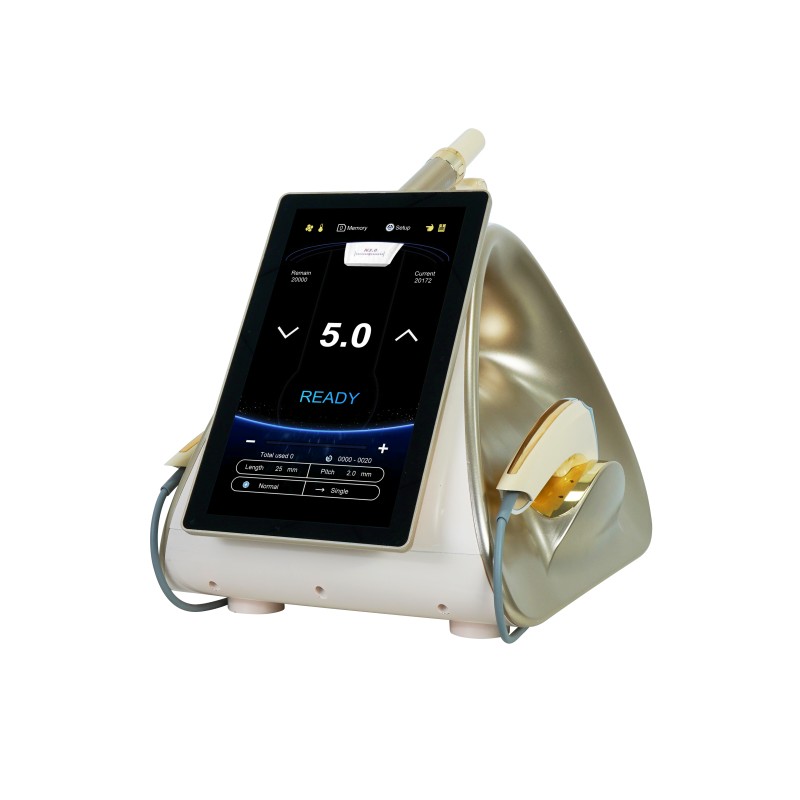
For clinics aiming to offer advanced lifting, tightening, and anti-aging treatments, professional-grade HIFU machines are the best choice. While some premium systems cost $10,000 and up, budget-friendly options like Krysmed DermaLift HIFU series are available for $2,000–$6,000.
| Machine Name | Price Range | Features Description |
|---|---|---|
| DermaLift SD HIFU | $2,000–$6,000 | Budget-friendly, adjustable settings, multiple treatment heads |
| DermaLift 7D HIFU | $2,000–$6,000 | Advanced vertical technology for skin tightening and anti-aging effects |
| DermaLift HIFU MPT | $2,000+ | New technology with customizable treatment depths for targeted results |
Professional systems provide more flexibility, efficiency, and durability. They can treat both faces and bodies, support multiple cartridges for shallow and deep layers, and usually include touchscreen interfaces, advanced settings, and faster treatment times.
Feature Comparison: Professional vs Entry-Level
| Feature | Professional-Grade Systems | Entry-Level Models |
|---|---|---|
| Multi-Depth Cartridges | 1.5mm to 13mm | Limited options |
| User Interface | Advanced touchscreen, adjustable settings | Basic controls |
| Durability | 10,000–60,000 shots lifespan | Shorter lifespan |
| Treatment Speed | Faster treatments | Slower treatments |
| Compatibility | Facial and body areas | Limited compatibility |
Recommendation: Clinics that want to expand service offerings, see more patients, or achieve better results should consider professional-grade systems. These devices ensure longer machine life, higher patient satisfaction, and better return on investment.
Why HIFU Is a Smart Investment for Clinics
High-Intensity Focused Ultrasound (HIFU) has quickly become a must-have technology for clinics and beauty studios aiming to expand their non-invasive treatment offerings. Unlike many other aesthetic devices, HIFU provides high-value results with relatively low operational costs, making it an attractive investment for small to medium-sized clinics.
1. High Demand in the Non-Surgical Aesthetic Market
The global market for non-surgical aesthetic treatments has grown steadily over the past decade, driven by:
Increasing awareness of anti-aging treatments
Preference for non-invasive procedures with minimal downtime
Rising disposable income and cosmetic spending
HIFU sits at the intersection of these trends. It addresses common client concerns such as sagging skin, fine lines, double chin, and body laxity without requiring surgery. For clinic owners, this translates into a steady stream of repeat and new clients seeking face and body treatments.
2. High Profit Margins with Minimal Consumables
Unlike injectables or RF Micronnedling, HIFU systems have less ongoing product cost for each treatment, apart from occasional cartridge replacement. This means:
High revenue per session
Minimal per-patient cost
Faster break-even for the machine investment
For example, a single facial session can be priced between $250–$800, depending on the market, and body treatments can command even higher fees. Clinics can recoup the initial investment quickly — sometimes within 3–6 months — depending on patient volume and pricing strategy.
3. Broad Treatment Applications Increase Client Base
A single HIFU machine can treat multiple areas:
Face: jawline, cheeks, brows, eyelids
Neck and décolletage
Body: arms, abdomen, thighs, flanks
This versatility allows clinics to:
Offer multiple treatment packages
Upsell complementary services (RF, Microneedling, facials)
Cater to a wider demographic, from young adults to older clients seeking anti-aging solutions
Expanding treatment menus without purchasing multiple devices enhances ROI and reduces the need for extra equipment.
4. Minimal Downtime Enhances Client Satisfaction
One of HIFU’s strongest selling points is non-invasiveness. Treatments are generally pain-controlled, require no recovery period, and allow clients to return to work immediately.
This convenience:
Attracts busy professionals and high-value clients
Increases repeat bookings
Builds a positive reputation for your clinic
Satisfied clients often refer friends and family, generating organic growth without additional marketing costs.
5. Scalable and Future-Proof Investment
Modern HIFU machines are designed with multi-depth cartridges and adjustable energy settings, meaning clinics can:
Treat a variety of skin types and concerns
Upgrade treatment protocols without buying new machines
Combine with other modalities such as RF or Microneedling for advanced results
Even entry-level or budget-friendly systems can support future service expansion, making HIFU a long-term, scalable asset for small clinics.
Choosing a HIFU Face and Body Machine: What to Look For
Selecting the right HIFU machine for your clinic goes beyond technical specifications. While depth, lines per shot, and energy settings matter, other factors like cost-effectiveness, ease of use, support, and long-term ROI are equally important. Here’s what to consider:
1. Cost vs. Capabilities
Price alone should never be the deciding factor. A higher-priced machine often comes with advanced technology, multiple cartridges, faster treatment speeds, and more reliable performance.
Key considerations:
Treatment versatility: Can it handle both facial and body areas?
Number of cartridges and depths: More options allow for customized treatments and better results.
Longevity: Professional-grade machines usually last longer and require fewer replacements.
For small clinics, a mid-range system may offer the best balance between affordability and treatment capabilities, while larger clinics may benefit from premium systems to maximize efficiency.
2. Ease of Use and Training
A machine is only as good as the operator using it. User-friendly interfaces, preset protocols, and automatic shot counting can significantly reduce the learning curve.
Important factors:
Touchscreen interface: Simplifies operation and prevents missed spots.
Preset treatment modes: Helps beginners achieve consistent results.
Training availability: Choose suppliers who offer hands-on or online training sessions.
Ease of use not only ensures safety and client satisfaction, but also allows staff to perform more treatments per day, improving clinic profitability.
3. Support and Warranty
Reliable post-purchase support is essential. Even the best machines may need maintenance, calibration, or software updates.
Key points to evaluate:
Warranty coverage: Look for machines with at least 1 years warranty.
Technical support: Access to quick, responsive support can minimize downtime.
Cartridge replacement availability: Ensure consumables are easy to source and affordable.
Choosing a supplier who provides training materials, marketing support, and long-term technical assistance can make the difference between a good purchase and a poor investment.
4. ROI and Business Growth Potential
A HIFU machine should be viewed as an investment, not just equipment. Consider:
Profit per session: Higher-value treatments increase ROI.
Repeat visits: Many patients require follow-ups, creating ongoing revenue.
Upselling opportunities: Combine HIFU with RF, microneedling, or facials for package deals.
By evaluating cost, ease of use, support, and business potential, clinics can make an informed choice that maximizes patient satisfaction and long-term profitability.
5.Maintenance and Cartridge Longevity
Cartridge shot life (commonly 10,000–60,000 shots) directly affects operational costs. Opt for machines with rechargeable or replaceable cartridges and transparent warranty terms.
Comparing HIFU with Other Aesthetic Technologies
| Technology | Target Depth | Best For | Downtime | Discomfort | Longevity of Results |
|---|---|---|---|---|---|
| HIFU | 1.5–13 mm | Lifting, tightening, contouring | None | Mild | 6–12 months |
| Radio Frequency (RF) | 1–3 mm | Surface tightening | Minimal | Mild | 3–6 months |
| Microneedling RF | 0.5–3.5 mm | Texture, scars, collagen | 1–2 days | Moderate | 6–9 months |
| Laser | <1 mm | Pigmentation, tone | 3–5 days | Moderate | 3–6 months |
HIFU stands out as the only non-invasive technology that directly reaches the SMAS layer, achieving true lifting without injections or downtime.
Questions to Ask Before Buying a HIFU Machine
How long does each cartridge last?
Is training included, and is it only user manual or online training?
What post-sale technical support and warranty are provided?
What is the average ROI timeline for clinics of your size?
Are consumables easily replaceable and affordable?
What is the real treatment comfort level reported by users?
HIFU Market Outlook for 2026
The HIFU market continues to grow rapidly, with a projected annual growth rate of over 11% through 2026.
Key drivers include:
Rising demand for non-invasive aesthetic procedures
Improved affordability of professional HIFU machines
Expanding use in combination treatments (e.g., HIFU + RF + Microneedling)
Growing acceptance in both medical and beauty sectors
For small clinics, 2026 marks an ideal time to invest in new-generation HIFU systems that balance price, performance, and profitability.
Conclusion: Making the Right Investment
Choosing an affordable HIFU machine in 2026 isn’t just about price — it’s about balancing technology, safety, and support.
Small clinics that adopt next-generation HIFU technology can:
Attract new anti-aging clients
Offer premium treatments with minimal setup costs
Build reputation through visible, lasting results
At Krysmed, we offer professional-grade HIFU systems designed to meet the needs of both new and established clinics. Our models, such as the DermaLift HIFU MPT, DermaLift SD HIFU, DermaLift 7D HIFU, provide:
Multi-depth cartridges for face and body treatments
User-friendly interfaces and adjustable energy settings
Reliable performance with long-lasting durability
When sourced from a trusted manufacturer like Krysmed and paired with proper training, even budget-friendly HIFU machines can deliver medical-grade outcomes, helping small clinics compete confidently in the ever-evolving beauty industry.
HIFU Machine FAQ
1. What areas can HIFU treat?
HIFU can be used on both face and body. Common treatment areas include:
Face: jawline, cheeks, brows, and under-eye area
Neck and décolletage
Body: arms, abdomen, thighs, and flanks
Some machines also offer specialized cartridges for double chin reduction or vaginal rejuvenation.
2. How long does a HIFU treatment take?
Treatment duration depends on the area and machine type:
Facial treatment: 30–60 minutes
Neck and décolletage: 30–50 minutes
Body areas: 45–90 minutes
Professional-grade machines are usually faster due to higher lines per shot and multi-depth cartridges.
3. Is HIFU painful?
Most patients experience mild discomfort or tingling during treatment. Modern machines often include pain-reduction technology, such as adjustable energy settings and preciser energy delivery. Pain levels are generally low compared to invasive procedures.
4. How soon will I see results?
Immediate results: Some mild lifting can be noticed right after treatment
Full effect: Collagen remodeling occurs over 2–3 months
Longevity: Results typically last 6–12 months, depending on skin type, age, and lifestyle.
5. How many sessions are needed for HIFU?
Most patients benefit from 1–3 sessions for facial treatments
Body contouring or larger areas may require multiple sessions for optimal results
Maintenance sessions every 6–12 months can extend outcomes
6. Are there any side effects or downtime?
HIFU is non-invasive, so downtime is minimal. Some temporary side effects may include:
Mild redness
Slight tingling or swelling
Temporary tenderness
These usually resolve within a few hours to 2 days.
7. Can HIFU be combined with other treatments?
Yes, HIFU can be combined with:
IPL for enhanced skin tightening
RF Microneedling for improved skin texture
Fractional CO2 laser for a comprehensive anti-aging plan
Combination treatments often increase patient satisfaction and clinic revenue.
8. What should I look for when choosing a HIFU machine?
Key factors include:
Machine type: Entry-level vs. professional-grade
Multi-depth cartridges and adjustable energy
Ease of use and training
Warranty and technical support
ROI potential and treatment versatility
9. Are home-use HIFU devices effective?
Home devices are suitable for light maintenance or small areas, but results are usually less dramatic than professional systems. Clinics offering HIFU for clients should invest in professional-grade machines to ensure safety, versatility, and optimal outcomes.
10. How much does a HIFU machine cost?
Entry-level/portable devices: $500–$2,200
Mid-range professional systems: $2,000–$6,000
Premium professional-grade systems: $10,000+
Prices vary depending on brand, technology (MFU, MPT, 4D/5D/7D), treatment depth, and included features.
Our Contact
Ready to Elevate Your Business with Krysmed?
Let’s discuss your needs and find the best solution for your business. Our experts are here to provide personalized recommendations tailored to your business needs.
-
Call For Inquiry
-
Send Us Email
info@krysmed.com
Get A Custom Quote Now!
We value your privacy and guarantee a prompt, professional reply.
 WhatsApp
 info@krysmed.com
 +86 19867944875