


News
07
Jan
Better Facial Rejuvenation Results with 7D HIFU: What Successful Clinics Do Differently
Not all 7D HIFU facial rejuvenation treatments deliver the same results—outcomes can range from noticeable lifting to short-lived effects. Successful clinics achieve better results by combining precise assessment, controlled energy delivery, and structured protocols, treating 7D HIFU as a safe, non-invasive facial rejuvenation strategy that stimulates collagen consistently.
1. Successful Clinics Start with Precise Facial Assessment
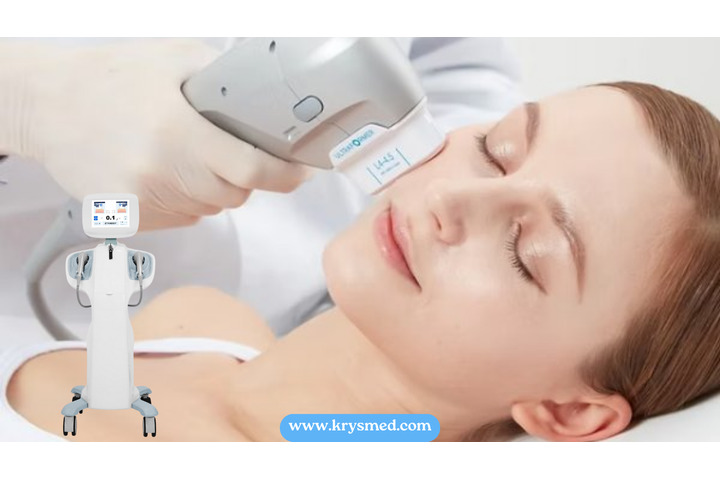
Successful clinics achieve better facial rejuvenation results with 7D HIFU by starting with accurate facial assessment rather than generic treatment plans. They evaluate facial structure, tissue condition, and aging patterns to determine how 7D HIFU facial rejuvenation should be performed.
Understanding Facial Aging Beyond Skin Laxity
Facial aging involves more than loose skin, including volume loss and changes in deeper support layers. Clinics that understand this deliver HIFU facial lifting treatments that stimulate collagen where it matters most.
Identifying Ideal Candidates for 7D HIFU Facial Rejuvenation
Not every patient is an ideal candidate for non-invasive facial rejuvenation with HIFU. Successful clinics focus on patients with mild to moderate laxity to ensure predictable 7D HIFU treatment results.
Why Over-Treatment Leads to Poor Outcomes and Dissatisfaction
Excessive energy or unnecessary treatment areas rarely improve results and often increase discomfort. Clinics that prioritize controlled, precise 7D HIFU treatments achieve higher patient satisfaction and more consistent outcomes.
2. Multi-Depth Treatment Is Key to Effective Facial Rejuvenation
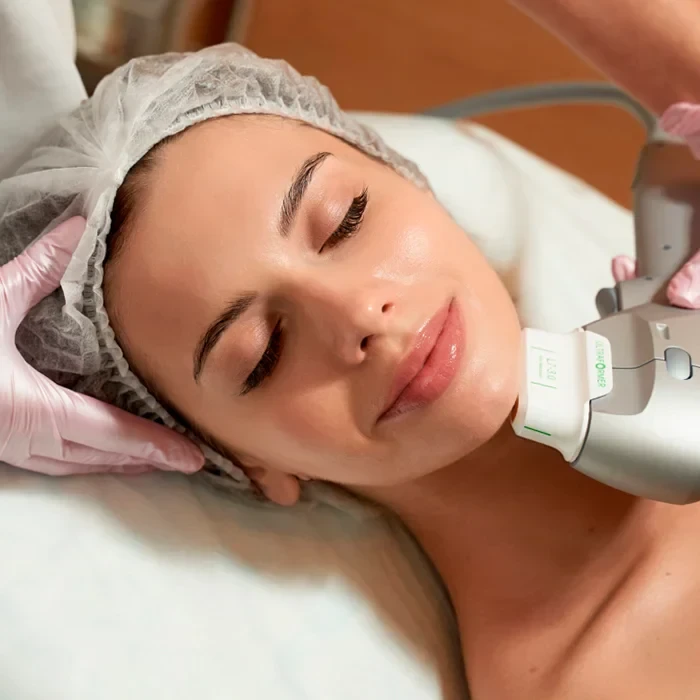
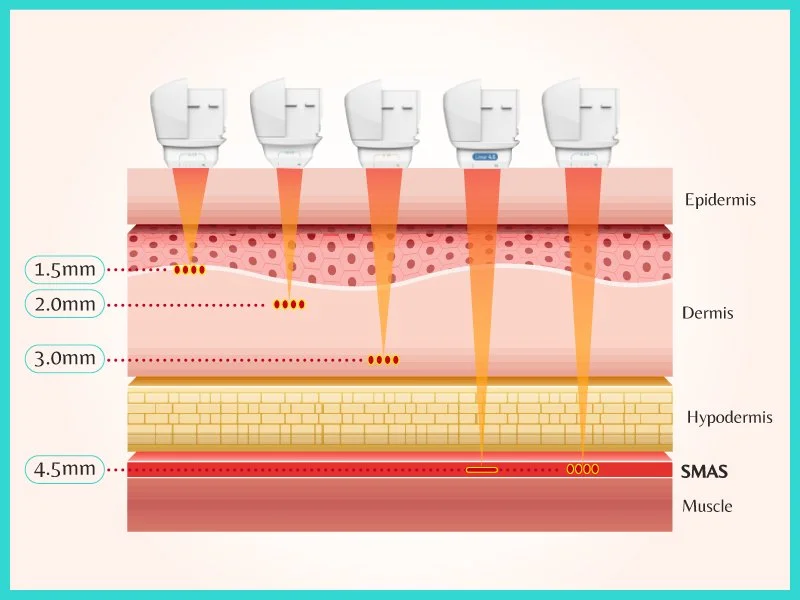
One reason successful clinics achieve better facial rejuvenation results with 7D HIFU is their use of multi-depth treatment strategies. Instead of treating only one layer, they target different tissue depths to support both lifting and skin tightening.
How 7D HIFU Targets Multiple Facial Layers
7D HIFU facial rejuvenation allows precise energy delivery to both superficial and deeper layers in a single session. This layered approach enhances collagen stimulation and improves overall HIFU facial lifting outcomes.
Strategic Use of Cartridges Improves Treatment Results
Successful clinics select cartridges based on facial zones and tissue thickness rather than convenience. This targeted use helps maximize 7D HIFU treatment results while maintaining patient comfort.
Why Single-Depth HIFU Treatments Often Underperform
Single-depth treatments may stimulate collagen in only one layer, limiting visible improvement. Multi-depth 7D HIFU treatments address facial aging more comprehensively, resulting in longer-lasting rejuvenation.
3. Energy Control Matters More Than Maximum Power
Clinics that deliver consistent 7D HIFU facial rejuvenation results understand that higher energy does not guarantee better outcomes. Controlled energy delivery allows effective collagen stimulation while minimizing discomfort and post-treatment sensitivity.
Why Higher Energy Does Not Equal Better Results
Excessive energy can increase pain without improving HIFU facial lifting效果. Successful clinics adjust parameters based on facial zones to achieve safer and more predictable 7D HIFU treatment results.
Adjusting Energy Levels by Facial Area
Different facial areas respond differently to ultrasound energy due to tissue thickness and sensitivity. Customizing energy levels helps optimize non-invasive facial rejuvenation while protecting delicate zones.
Balancing Patient Comfort and Collagen Stimulation
Comfort directly affects patient satisfaction and treatment acceptance. Clinics that balance energy and technique achieve better long-term 7D HIFU results and higher repeat treatment rates.
4. Treatment Mapping and Line Density Make a Visible Difference
Successful clinics achieve better facial rejuvenation results with 7D HIFU by following structured treatment mapping rather than freehand operation. Precise line placement and balanced shot distribution are essential for consistent HIFU facial lifting and skin tightening outcomes.
Why Structured Treatment Mapping Improves 7D HIFU Results
Treatment mapping ensures even energy delivery across targeted facial areas. This structured approach improves 7D HIFU facial rejuvenation results while reducing the risk of uneven tightening or missed zones.
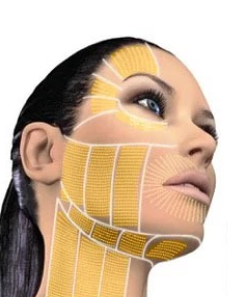
The Role of Line Density in Facial Lifting Outcomes
Line density directly influences collagen stimulation and lifting result. Clinics that optimize line spacing achieve more visible, natural-looking results from non-invasive facial rejuvenation with HIFU.
Operator Consistency Drives Predictable Treatment Results
Consistent technique is as important as the technology itself. Clinics that standardize HIFU treatment protocols achieve more reliable 7D HIFU treatment results across different practitioners.
5. Educating Patients on Results and Recovery Timeline
Better facial rejuvenation results with 7D HIFU are not instantaneous. Successful clinics set clear expectations, explaining that collagen remodeling takes weeks to months to achieve visible facial lifting and tightening effects.
Explaining the Collagen Regeneration Process
7D HIFU stimulates the body’s natural collagen production, which gradually improves skin firmness and elasticity. Patients who understand this timeline are more satisfied with their non-invasive facial rejuvenation results.
Managing Expectations for Optimal Patient Satisfaction
Clear communication about treatment frequency and expected improvements helps clinics reduce disappointment. Educated patients are more likely to return for follow-up 7D HIFU treatments, improving long-term outcomes and clinic retention.
The Role of Follow-Up Treatments
Strategic follow-up sessions enhance and maintain HIFU facial lifting results. Clinics that plan these touch-ups see more consistent and long-lasting facial rejuvenation with 7D HIFU.
6. Combining 7D HIFU with Complementary Treatments
Successful clinics enhance facial rejuvenation results with 7D HIFU by integrating complementary treatments. Combining HIFU with RF, skin tightening, or targeted injectables can improve lifting and overall skin quality without invasive procedures.
When to Combine Treatments for Maximum Impact
Non-invasive facial rejuvenation works best when treatments are strategically combined. Clinics evaluate patient needs and plan HIFU alongside other modalities to achieve smoother, firmer, and more youthful-looking results.
Avoiding Overtreatment While Maximizing Results
Combining therapies requires careful planning to avoid excessive energy or overlapping treatments. Structured protocols help clinics deliver safe and effective 7D HIFU facial rejuvenation results consistently.
Enhancing Long-Term Patient Satisfaction
Patients notice faster and more comprehensive improvements when HIFU is paired with complementary treatments. This approach not only boosts immediate results but also supports repeat visits and long-term clinic retention.
7. Standardized Protocols Are the Secret Behind Consistent Results
Top clinics achieve better facial rejuvenation results with 7D HIFU by following standardized treatment protocols. Consistent steps in patient assessment, energy settings, line density, and follow-up ensure predictable, high-quality outcomes.
Why Protocols Improve 7D HIFU Facial Rejuvenation
Standardized protocols reduce variation between practitioners and sessions. Clinics that rely on documented 7D HIFU procedures deliver reliable, repeatable non-invasive facial rejuvenation results every time.
Training and Documentation Matter
Staff training and clear procedural guidelines are critical for maintaining quality. Clinics that invest in professional HIFU training see higher patient satisfaction and better long-term outcomes.
Turning Strategy into Predictable Revenue
Structured 7D HIFU treatment protocols not only enhance patient results but also improve clinic efficiency. Predictable outcomes build reputation, patient trust, and repeat visits, turning facial rejuvenation treatments into a reliable revenue stream.
Conclusion
Better facial rejuvenation results with 7D HIFU are not accidental—they result from precise assessment, multi-depth treatment, controlled energy, structured mapping, patient education, complementary therapies, and standardized protocols. Clinics that approach 7D HIFU as a strategic, non-invasive facial rejuvenation procedure consistently deliver safe, effective, and visible results while building long-term patient trust.
Ready to Transform Your Clinic’s Facial Rejuvenation Results?
If you’re looking to elevate your clinic’s facial rejuvenation offerings, Krysmed provides professional 7D HIFU solutions, training, and support. Our clinical experts can guide you on protocols, multi-depth treatment strategies, and energy optimization to help you achieve consistent, visible results for your patients. Discover how Krysmed can help your clinic deliver better facial rejuvenation with 7D HIFU—contact us today to learn more.
FAQ: 7D HIFU Facial Rejuvenation
Q1: What is 7D HIFU facial rejuvenation?
A1: 7D HIFU is a non-invasive facial rejuvenation technology that uses focused ultrasound to stimulate collagen production. It lifts and tightens skin without surgery or downtime.
Q2: How soon can patients see results from 7D HIFU?
A2: Visible results typically appear gradually over 4–12 weeks as collagen regenerates. Optimal outcomes often require one or more follow-up sessions depending on individual aging patterns.
Q3: Is 7D HIFU safe for all skin types?
A3: Yes, 7D HIFU facial rejuvenation is generally safe for most skin types. Proper patient assessment ensures effective treatment and minimizes the risk of side effects.
Q4: How long does a typical HIFU treatment session take?
A4: A standard session usually lasts 30–90 minutes, depending on the treated area and depth. Clinics with structured protocols deliver consistent and comfortable treatments.
Q5: Can 7D HIFU be combined with other treatments?
A5: Yes, successful clinics often combine HIFU with RF, Microneedling, or lasers to enhance results. Combining therapies strategically supports more comprehensive and long-lasting facial rejuvenation outcomes.
Q6: How often should patients have 7D HIFU treatments?
A6: Most patients benefit from one session initially, with follow-ups every 6–12 months for maintenance. Clinics that follow structured protocols see more predictable and consistent results.
Our Contact
Ready to Elevate Your Business with Krysmed?
Let’s discuss your needs and find the best solution for your business. Our experts are here to provide personalized recommendations tailored to your business needs.
-
Call For Inquiry
-
Send Us Email
info@krysmed.com
Get A Custom Quote Now!
We value your privacy and guarantee a prompt, professional reply.
 WhatsApp
 info@krysmed.com
 +86 19867944875