

News
08
Jan
Old HIFU vs New-Generation HIFU: What Clinics Should Know Before Upgrading
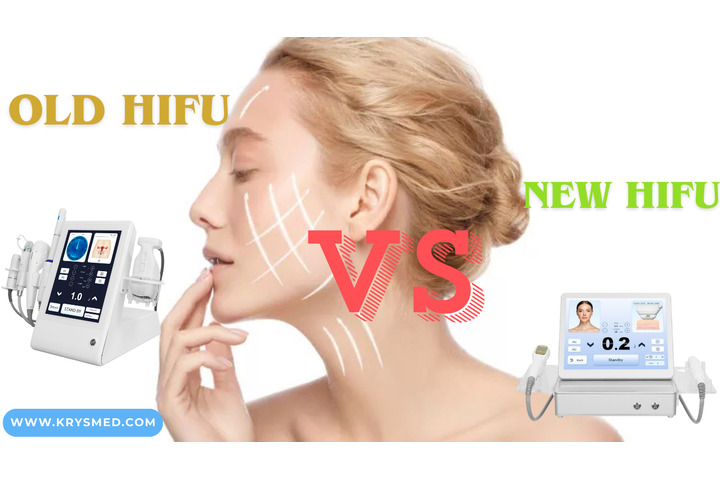
High-Intensity Focused Ultrasound (HIFU) is a proven solution for non-surgical lifting and skin tightening. Clinics are increasingly comparing old HIFU vs new-generation HIFU to decide if an upgrade is worthwhile. New-generation HIFU offers improved energy control, treatment precision, and patient comfort, helping clinics achieve consistent results and stronger long-term ROI. This guide covers the key factors clinics should consider before upgrading.
1. Old HIFU vs New-Generation HIFU: A Technology Overview
Traditional HIFU: Conventional Focused Ultrasound
Traditional HIFU systems are built on conventional focused ultrasound technology. Energy is delivered in fixed lines with limited modulation, which can lead to uneven thermal distribution within the treated tissue. In clinical practice, this often results in longer treatment times and higher levels of discomfort. Treatment outcomes also depend heavily on operator technique, making consistency more difficult to maintain.
New-Generation HIFU: MFU and MMFU Technology
New-generation HIFU systems typically adopt MFU (Micro-Focused Ultrasound) or MMFU (Micro & Macro Focused Ultrasound) technology. These systems are designed to deliver ultrasound energy with greater precision and more controlled focal zones. This allows treatments to be completed more efficiently while maintaining stable energy distribution across targeted tissue layers. As a result, unnecessary thermal spread is reduced and treatment control is improved.
Clinical Impact for Patients and Clinics
For patients, the transition to new-generation HIFU is reflected in shorter treatment sessions and improved comfort. For clinics, it means more predictable clinical outcomes and a smoother workflow when evaluating a HIFU system upgrade.
2. Core Technology Differences That Matter Clinically
Modern clinics considering a HIFU upgrade need to understand the key technological differences that affect treatment outcomes, patient comfort, and workflow efficiency. The table below summarizes how older HIFU systems compare with new-generation HIFU platforms across critical clinical factors.
| Feature | Older HIFU Systems | New-Generation HIFU (MFU/MMFU) |
|---|---|---|
| Energy Delivery & Precision | Fixed energy lines, limited modulation; less predictable results | Controlled focal zones, precise energy delivery; consistent lifting & tightening |
| Treatment Depth | Limited depth options; single-layer treatment | Multi-depth targeting; layered approach for dermis & SMAS |
| Thermal Stability & Comfort | Uneven heat distribution; higher discomfort | Stable thermal profile; improved patient comfort |
| Treatment Efficiency & Workflow | Longer sessions; lower daily capacity | Faster treatments; better clinic workflow and higher ROI |
3. Treatment Results — Why Outcomes Vary Between Systems
Collagen Stimulation Efficiency
Older HIFU systems often produce uneven collagen activation due to fixed energy lines. New-generation HIFU, including MFU and MMFU platforms, delivers energy more precisely, resulting in more consistent collagen stimulation and visible lifting effects.
Patient Comfort and Satisfaction
Discomfort during treatment can affect patient tolerance and satisfaction. New-generation HIFU reduces unnecessary heat exposure, making sessions faster and more comfortable, which can enhance repeat treatment rates.
Longevity of Results
Older HIFU often provides temporary tightening, requiring frequent follow-ups. Modern MFU/MMFU systems can achieve deeper tissue remodeling, supporting longer-lasting lifting and rejuvenation results for patients.
4. Operator Experience & Training Impact
Skill Dependency of Older HIFU
Traditional HIFU systems require significant operator skill to achieve consistent results. Small variations in angle or energy application can lead to uneven lifting or inconsistent patient outcomes.
Simplified Protocols in New-Generation HIFU
New-generation HIFU platforms often include structured treatment protocols and guided interfaces. This reduces reliance on operator expertise, making it easier for clinics to train staff efficiently.
Training Efficiency and Workflow
With modern HIFU systems, clinicians can learn treatments faster while maintaining quality. Shorter training cycles improve clinic workflow and support scalability, allowing multiple operators to deliver consistent results.
5. How Upgrading HIFU Impacts Your Clinic
Treat More Patients in Less Time
Older HIFU systems often require longer sessions, limiting how many patients can be treated in a day. New-generation HIFU delivers energy more efficiently, making treatments faster and more consistent. Clinics can see more patients without sacrificing results.
Keep Clients Coming Back
Comfortable and predictable treatments encourage patients to return. Modern HIFU systems improve the treatment experience, helping clinics maintain high client satisfaction and strengthen long-term loyalty.
Stand Out and Grow Your Business
Offering advanced HIFU treatments helps your clinic differentiate from competitors. New-generation systems support premium services and pricing, making the upgrade not just a clinical improvement but also a smart business decision.
6. How to Know When Your Clinic Is Ready for an HIFU Upgrade
Patients Are Asking for More
If you notice more clients requesting the latest non-surgical lifting treatments, it’s a clear sign that demand for advanced HIFU is growing. Meeting this expectation can help your clinic attract new patients and improve overall satisfaction.
Workflow Is Slowing Down
Long treatment sessions can create bottlenecks and reduce daily patient capacity. Clinics ready to upgrade often see an opportunity to speed up treatments and make their workflow more efficient, boosting both productivity and ROI.
Staying Competitive Matters
When nearby clinics offer more advanced HIFU treatments with better comfort and results, traditional systems can leave you at a disadvantage. Upgrading helps your clinic stay competitive and offer services that patients value most.
7. Recommended New-Generation HIFU Systems
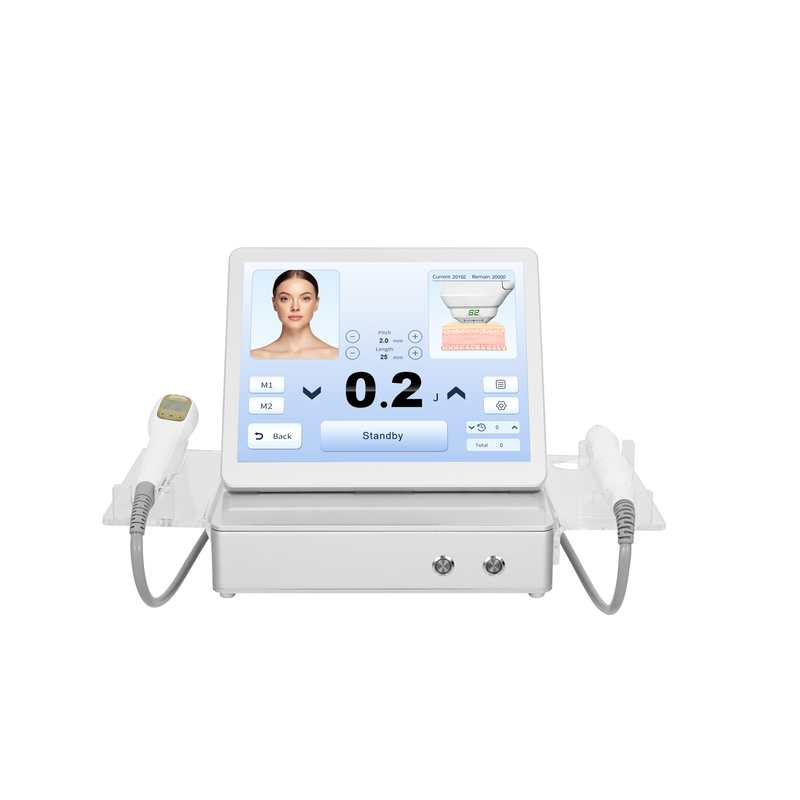
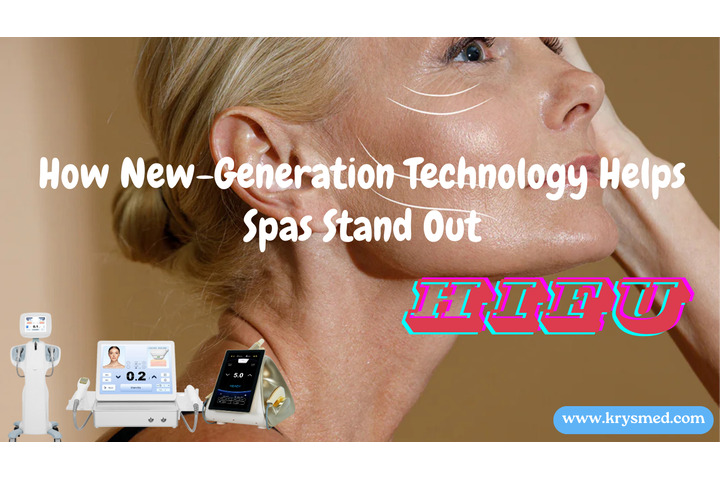
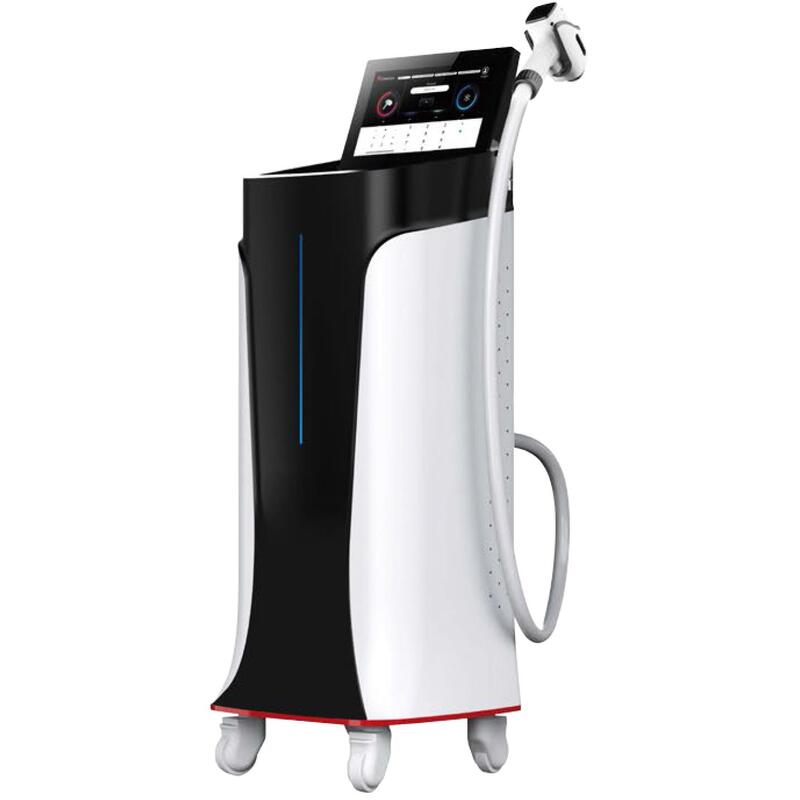
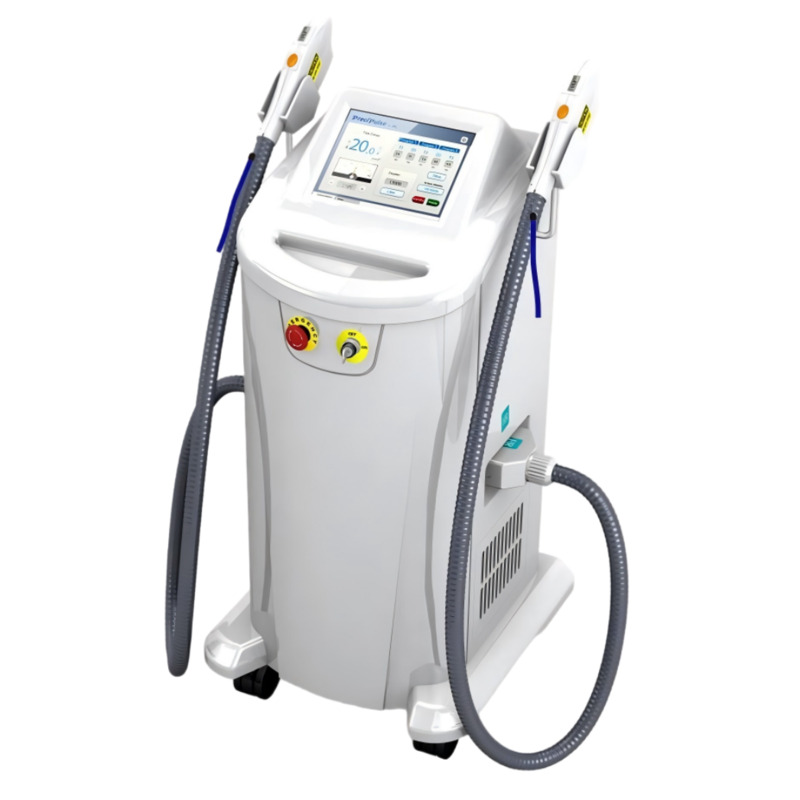
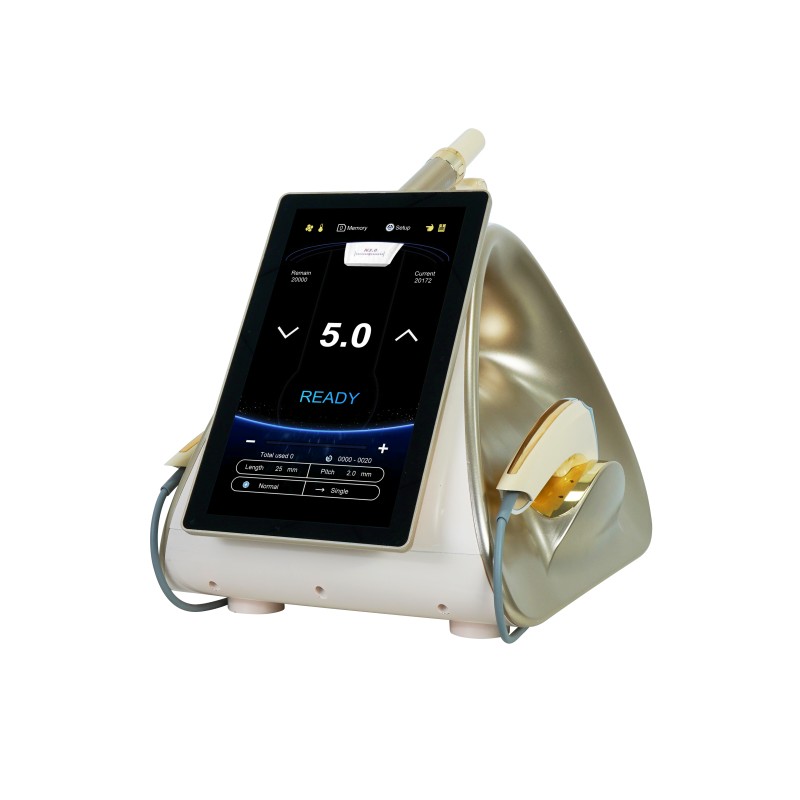
The DermaLift SD HIFU, 7D, and HIFU MPT are advanced new-generation HIFU systems. They offer precise energy control, multi-depth treatment, and improved patient comfort, making them ideal for clinics seeking consistent and efficient results.
| Feature / Clinic Need | DermaLift SD HIFU | DermaLift 7D HIFU | DermaLift HIFU MPT |
|---|---|---|---|
| Technology Type | New-generation HIFU with precise energy logic | Enhanced 7D-depth HIFU for facial refinement | Multi-depth HIFU with advanced focal control |
| Energy Consistency | Stable output for predictable results | High consistency with refined modulation | Optimized energy distribution across depths |
| Depth Coverage | Multiple depths for face | Expanded depth options for face & neck | Broad depth range, suitable for face & body |
| Patient Comfort | Thermal stability + ergonomic design | Smooth delivery with reduced discomfort | Enhanced comfort with adaptive control |
| System Integration | User-friendly interface | Intuitive controls for rapid workflow | Workflow-focused UI for scalable operations |
| Training Support | Structured learning modules | Guided training built-in | Comprehensive support + scalable staff training |
| Clinic Focus | Foundational HIFU for lifting & tightening | Precision facial rejuvenation | Versatile HIFU for face and body treatments |
| HIFU ROI Potential | Improves throughput & consistency | Supports premium face treatments | Broad service offering & differentiated packages |
Conclusion
Upgrading from traditional HIFU to a new-generation HIFU system can significantly improve clinic outcomes, patient comfort, and treatment efficiency. Systems like DermaLift SD HIFU, 7D, and HIFU MPT offer precise energy control, multi-depth targeting, and streamlined workflows, supporting predictable and high-quality aesthetic results. For clinics aiming to enhance HIFU ROI and maintain a competitive edge, choosing the right platform is a strategic investment in both patient satisfaction and business growth.
Take the Next Step
Explore how DermaLift SD, 7D, or HIFU MPT can transform your clinic’s HIFU treatments. Contact Krysmed today to discuss your clinic’s upgrade options. Take the first step toward faster, more precise, and more comfortable HIFU treatments for your patients.
FAQ
1. What is the main difference between old HIFU and new-generation HIFU?
New-generation HIFU offers multi-depth targeting, precise energy control, and improved thermal stability. This results in more predictable lifting and tightening compared to traditional HIFU systems.
2. How does treatment time differ between older and modern HIFU systems?
Older HIFU typically requires longer sessions due to less efficient energy delivery. Modern systems can complete treatments faster while maintaining consistent results, improving clinic workflow and patient throughput.
3. Is patient comfort improved with new-generation HIFU?
Yes. Enhanced thermal control and more precise energy delivery reduce discomfort during sessions. Patients often experience shorter, more comfortable treatments compared to conventional HIFU.
4. Do results last longer with new-generation HIFU?
New-generation HIFU stimulates deeper tissue remodeling and collagen production more effectively. This can extend the longevity of lifting and tightening results relative to older systems.
5. How important is operator training for new-generation HIFU?
While modern HIFU platforms reduce operator dependency, proper training is still essential. Understanding treatment protocols ensures safety, consistent outcomes, and optimal patient satisfaction.
6. Can new-generation HIFU be used for both face and body?
Many modern HIFU systems support multi-depth treatment for both facial and body areas. Clinics can offer versatile services without needing multiple devices, enhancing ROI and treatment efficiency.
Our Contact
Ready to Elevate Your Business with Krysmed?
Let’s discuss your needs and find the best solution for your business. Our experts are here to provide personalized recommendations tailored to your business needs.
-
Call For Inquiry
-
Send Us Email
info@krysmed.com
Get A Custom Quote Now!
We value your privacy and guarantee a prompt, professional reply.
 WhatsApp
 info@krysmed.com
 +86 19867944875