

News
14
Jan
Does IPL Really Work for Rosacea? What Clinics and Patients Should Know
Rosacea is a chronic skin condition that causes persistent facial redness, visible blood vessels, and skin sensitivity. Traditional skincare often provides limited relief, which is why many patients and clinics ask: does IPL really work for rosacea, or does it only temporarily reduce redness?
1. Understanding Rosacea and Why Redness Is Hard to Treat
Rosacea-related redness is often persistent because it involves both inflammation and abnormal blood vessel activity. This dual mechanism makes rosacea more difficult to manage than simple skin sensitivity and explains why many clinics look beyond topical care when considering IPL for rosacea.
Common Types of Rosacea Clinics Encounter
Most clinics see erythematotelangiectatic rosacea, marked by diffuse redness and visible capillaries, which responds best to IPL rosacea treatment. Papulopustular rosacea includes inflammatory bumps and may require combination therapy, while phymatous and ocular rosacea are generally not primary candidates for IPL.
Why Topical Products Alone Often Fall Short
Topical products can reduce irritation and support the skin barrier, but they do not correct dilated blood vessels beneath the skin. As a result, redness often returns once triggers appear, leading patients to seek light-based rosacea treatment for longer-lasting improvement.
The Role of Vascular Changes in Persistent Redness
Repeated flushing causes blood vessels to remain enlarged and visible over time. IPL works for rosacea by targeting these vascular structures, helping reduce redness at its source rather than only calming surface symptoms.
2. How IPL Works for Rosacea-Prone Skin
IPL is designed to address the vascular component of rosacea while maintaining a gentler treatment profile. Its adjustable settings allow clinics to tailor IPL rosacea treatment to different skin sensitivities, making it a commonly chosen option for redness management.
What Makes IPL Different from Lasers
Unlike lasers that emit a single, fixed wavelength, IPL delivers a broad spectrum of light that can be filtered and adjusted. This flexibility allows practitioners to treat diffuse redness and larger areas more efficiently, which is especially useful for rosacea-prone skin with widespread flushing.
How IPL Targets Redness and Visible Vessels
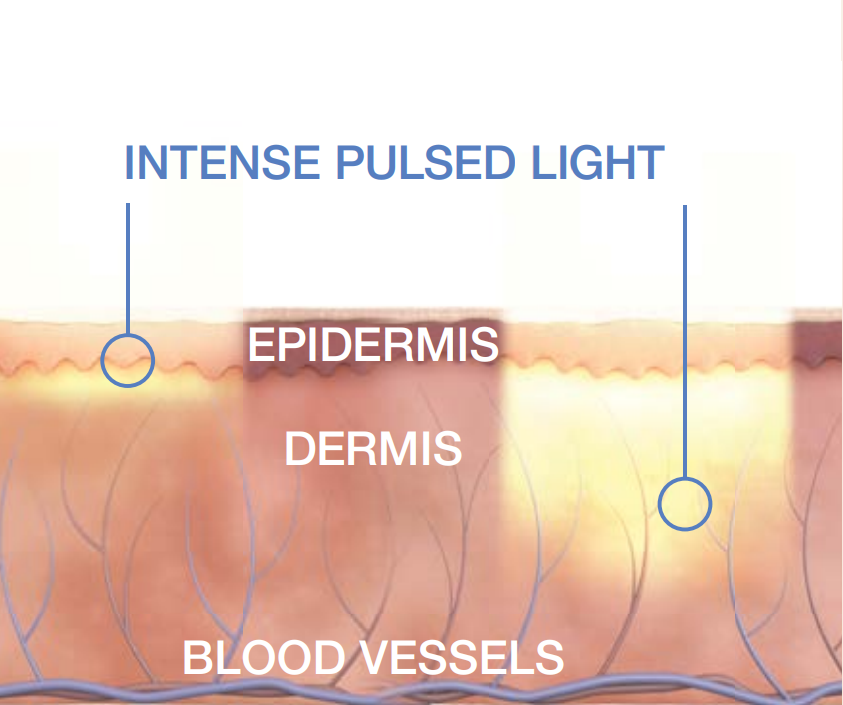
IPL works by targeting hemoglobin in dilated blood vessels beneath the skin. The light energy is absorbed by these vessels, helping reduce their visibility and supporting gradual IPL redness reduction without aggressive tissue damage when performed correctly.
Why Controlled Energy Matters for Sensitive Skin
Rosacea-prone skin reacts easily to excess heat. Precise energy control, appropriate pulse duration, and proper cooling are essential to avoid triggering flare-ups. This is why treatment outcomes vary between clinics and why experience and protocol design play a critical role in safe, effective IPL rosacea treatment.
3. Does IPL Really Work for Rosacea? What Results Can Be Expected
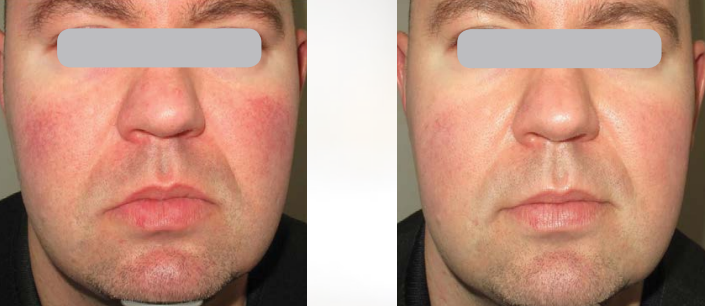
IPL rosacea treatment can deliver visible improvement for many patients, especially those with redness driven by dilated blood vessels. Results depend on rosacea type, skin sensitivity, and treatment protocol, making expectation management an essential part of clinical success.
Improvements Patients Typically Notice
Patients commonly report reduced facial redness, fewer visible capillaries, and a more even skin tone. Some also notice decreased flushing and improved skin texture as inflammation is better controlled through IPL redness reduction.
How Many Sessions Are Usually Needed
Most patients require a series of treatments rather than a single session. Typically, 3–5 IPL sessions spaced several weeks apart are recommended to achieve consistent rosacea improvement, with maintenance treatments as needed.
When Results Are Gradual, Not Immediate
IPL works progressively by targeting vascular structures over time. Redness reduction develops gradually as treated vessels respond and clear, which is why results are more noticeable weeks after each session rather than immediately after treatment.
4. Who Is a Good Candidate — and Who Is Not
Selecting the right patients is key to achieving safe and effective IPL rosacea treatment. Not all rosacea types respond equally, and understanding limitations ensures both clinician and patient satisfaction.
Rosacea Types That Respond Best to IPL
Patients with erythematotelangiectatic rosacea, characterized by persistent redness and visible blood vessels, usually see the most improvement. IPL targets these vascular features effectively, helping reduce redness and improve skin tone over multiple sessions.
When IPL May Not Be the Right Option
IPL is less effective for papulopustular, phymatous, or ocular rosacea, where inflammation or tissue thickening dominates. In these cases, IPL may need to be combined with topical or systemic treatments to achieve noticeable results.
Skin Tone Considerations and Safety Limits
IPL works best on lighter skin tones (Fitzpatrick I–III) because darker skin absorbs more light, increasing the risk of burns or hyperpigmentation. Controlled energy settings and proper cooling are essential to protect sensitive skin, ensuring both safety and optimal IPL redness reduction.
5. IPL vs Laser for Rosacea: Key Differences Clinics Should Understand
When deciding between light-based treatments, clinics often weigh the benefits of IPL vs laser for rosacea. Both can reduce redness, but differences in wavelength, flexibility, and treatment experience impact results and patient satisfaction.
IPL vs Pulsed Dye Laser for Redness
IPL uses a broad spectrum of light to target multiple dilated vessels at once, making it effective for diffuse redness. Pulsed dye laser (PDL), on the other hand, delivers a single wavelength highly specific to hemoglobin, which can provide precise results for smaller vessels but may require more targeted sessions.
Flexibility, Downtime, and Treatment Coverage
IPL allows adjustable settings for skin type, sensitivity, and treatment area, often covering larger areas with minimal downtime. PDL can be more intense, with potential temporary redness or swelling, but can be highly effective for concentrated vascular spots.
Choosing Technology Based on Clinic Workflow
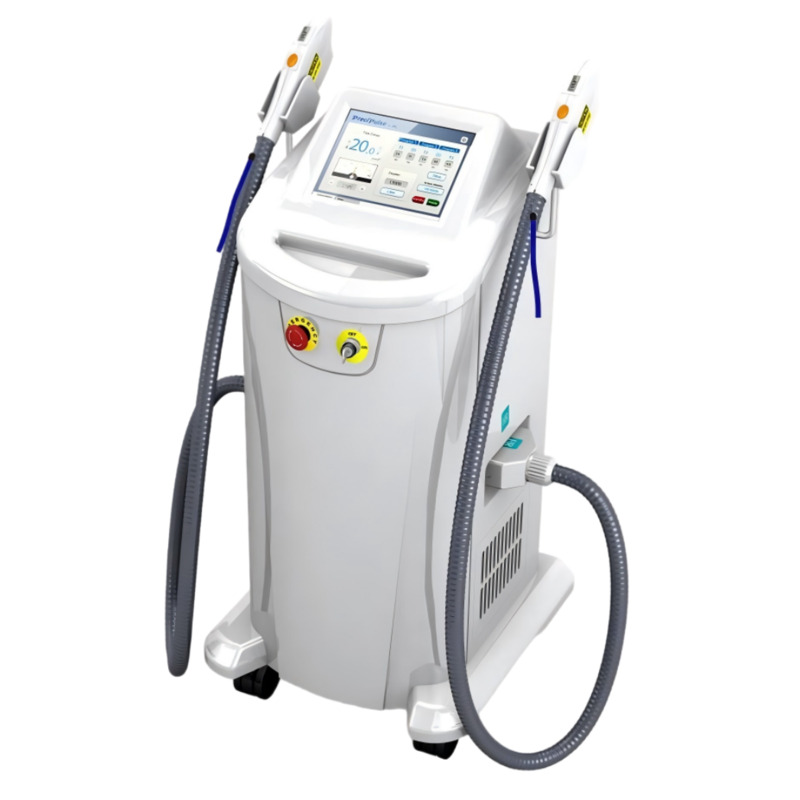
Selecting the right device depends on your clinic’s patient demographics, treatment goals, and scheduling capacity. IPL rosacea treatment may suit clinics with high patient throughput and diffuse redness cases, while PDL may be better for specialized vascular concerns. Understanding these differences helps clinics provide predictable, safe outcomes while optimizing workflow.
6. Safety, Settings, and Why Results Vary Between Clinics
While IPL rosacea treatment can be effective, results vary widely depending on device settings, patient selection, and practitioner skill. Understanding safety and proper protocols is essential to achieve consistent, predictable outcomes.
Why Incorrect Settings Can Worsen Rosacea
Using excessive energy, incorrect pulse duration, or unsuitable filters can trigger flare-ups, burns, or prolonged redness. Even minor deviations in settings can compromise results and patient satisfaction.
Importance of Proper Skin Assessment
Every patient’s skin is different. Evaluating rosacea type, skin tone, sensitivity, and history of flare-ups allows clinicians to choose safe parameters and anticipate potential reactions, ensuring both efficacy and comfort.
Training and Protocol Consistency
Experience and standardized protocols are critical. Clinics with trained staff who follow consistent treatment guidelines report better IPL redness reduction and fewer complications, highlighting that not all IPL treatments deliver the same results.
7. Is IPL a Cure for Rosacea or a Management Solution?
IPL is a powerful tool for rosacea management, but it is not a permanent cure. Setting realistic expectations helps clinics build trust and achieve satisfied patients over the long term.
Symptom Control vs Permanent Cure
IPL focuses on reducing redness, visible blood vessels, and flushing, helping patients look and feel better. However, it does not eliminate the underlying chronic condition, making it a management strategy rather than a cure.
Maintenance Treatments and Long-Term Planning
To sustain results, patients may require maintenance IPL sessions every few months. Combined with lifestyle adjustments, trigger management, and gentle skincare, IPL can provide lasting improvements in appearance and comfort.
Combining IPL with Other Rosacea Treatments
For optimal outcomes, IPL is often paired with topical therapies, oral medications, or other vascular-targeted treatments. Clinics that integrate IPL rosacea treatment into a broader care plan can achieve safer, more consistent results while addressing multiple rosacea symptoms.
8. Final Thoughts: When IPL Makes Sense for Rosacea Treatment
IPL can be an effective tool for managing rosacea, but its success depends on proper patient selection, controlled treatment, and realistic expectations. Understanding when and how to use IPL helps clinics deliver safe, reliable results.
Setting Realistic Expectations for Patients
Patients should know that IPL rosacea treatment improves redness and visible blood vessels gradually over multiple sessions. It is a management strategy, not a permanent cure, which helps prevent disappointment and builds long-term trust.
How Clinics Can Achieve Better, Safer Outcomes
Careful skin assessment, proper energy settings, and adherence to protocols are key to minimizing side effects. Clinics that combine IPL with patient education and maintenance plans see the best IPL redness reduction and higher patient satisfaction.
Why Device Quality and Protocol Matter
Not all IPL devices perform equally. High-quality equipment and standardized treatment protocols ensure consistent results, reduce risks, and enhance clinic reputation. Clinics that invest in training and proper devices can provide safe, effective rosacea care while maximizing treatment success.
Ready to explore how IPL can help manage rosacea?
Contact KrysMed today to schedule a consultation or learn more about safe and effective IPL rosacea treatment tailored to your needs.
FAQ: IPL for Rosacea
Q1: Does IPL completely cure rosacea?
A: No. IPL is a management solution, not a permanent cure. It helps reduce redness and visible blood vessels gradually. Long-term improvement works best when combined with proper skincare and trigger management.
Q2: How many IPL sessions are typically needed for rosacea?
A: Most patients see noticeable improvement after 3–5 sessions, spaced several weeks apart. Maintenance treatments may be recommended depending on skin type and rosacea severity.
Q3: Is IPL safe for all skin types?
A: IPL is most effective and safest for lighter skin tones (Fitzpatrick I–III). Darker skin tones require careful settings to avoid burns or hyperpigmentation. Proper skin assessment by trained clinicians is essential.
Q4: Can IPL be combined with other rosacea treatments?
A: Yes. IPL is often used alongside topical therapies, oral medications, or other vascular treatments to achieve optimal results.
Q5: How do I get started with IPL for rosacea?
A: Contact KrysMed to schedule a consultation or learn about safe, effective IPL rosacea treatment options tailored to your skin type and condition.
Our Contact
Ready to Elevate Your Business with Krysmed?
Let’s discuss your needs and find the best solution for your business. Our experts are here to provide personalized recommendations tailored to your business needs.
-
Call For Inquiry
-
Send Us Email
info@krysmed.com
Get A Custom Quote Now!
We value your privacy and guarantee a prompt, professional reply.
 WhatsApp
 info@krysmed.com
 +86 19867944875