

News
15
Jan
The Real Cost of Professional Face Lifting Machines Every Aesthetic Clinic Should Calculate
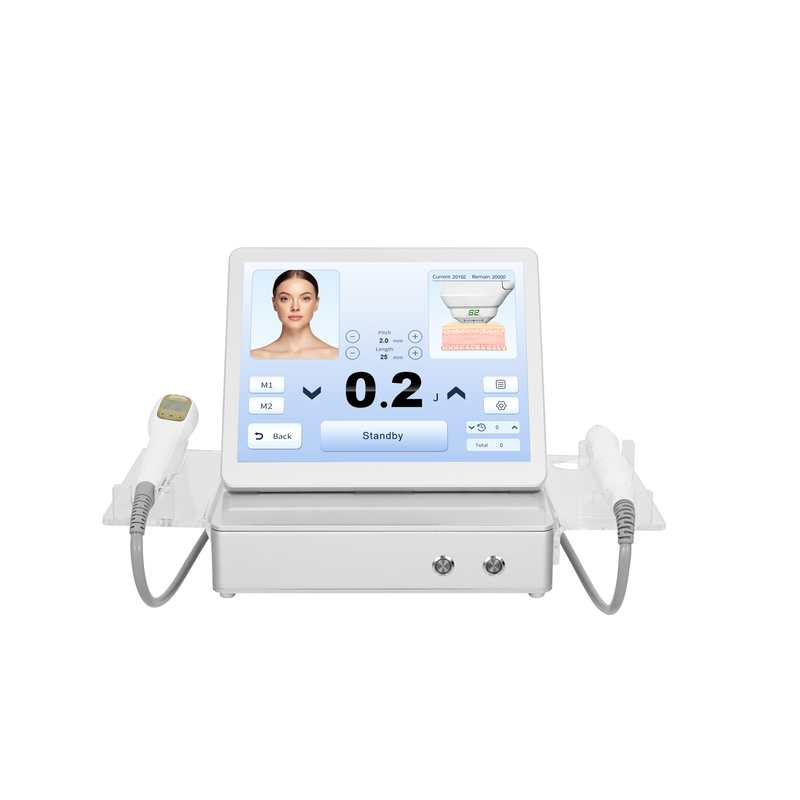
Many aesthetic clinics evaluate professional face lifting machines based on price alone—only to discover hidden costs later. In reality, the true cost of non-invasive face lifting devices includes treatment consistency, equipment durability, maintenance, training, and long-term ROI. Whether investing in a HIFU face lifting machine or other advanced systems, overlooking these factors often leads to unstable results and reduced profitability. Smart aesthetic equipment investment starts with calculating total cost, not just the initial purchase price.
1. Equipment Performance and Treatment Consistency
For HIFU face lifting treatments, consistent performance is key. High energy on paper doesn’t guarantee visible lifting—what matters is whether the machine delivers stable energy throughout the session.
Energy Stability and Clinical Results
Unstable HIFU output leads to uneven treatment results. Some clients see clear lifting, others don’t. Over time, this inconsistency increases retreatments and reduces client trust. As components wear, older or lower-quality machines can lose energy stability, making outcomes unpredictable and raising operational costs.
Technology Generation Matters
Old-generation HIFU machines often lack precise energy control, causing variable results and operator frustration. Newer systems use advanced energy regulation and more durable transducers, delivering predictable results with fewer adjustments. Investing in modern HIFU technology ensures consistent lifting, higher client satisfaction, and a better long-term ROI.
2. Energy Stability Determines Treatment Results
For HIFU face lifting treatments, stable energy output is critical. Even if a machine has high power on paper, uneven energy delivery can result in inconsistent lifting and variable client outcomes.
How Inconsistent HIFU Output Affects Clinical Results
When HIFU energy is unstable, the treated tissue heats unevenly. Some clients experience noticeable lifting, while others see minimal change. This inconsistency reduces treatment reliability and can damage client trust over time.
Increased Retreatments and Client Complaints
Unstable HIFU output often leads to repeated sessions or adjustments, increasing operational costs and lowering ROI. Clients may become frustrated with variable results, which impacts retention and referrals. Reliable energy stability is essential for predictable, high-quality HIFU treatments.
3. Cartridge Lifespan Is a Major Hidden Cost
For HIFU face lifting treatments, cartridges are a critical component. Many clinics focus on the machine price but underestimate the cost and impact of cartridges over time.
Why Cartridge Lifespan Matters
Each HIFU cartridge has a limited number of shots. Lower-quality cartridges may deliver fewer pulses than advertised, reducing treatment efficiency. When cartridges wear out faster than expected, clinics must replace them sooner, increasing operational costs.
How Short Lifespan Impacts ROI
Frequent cartridge replacements raise the total cost of HIFU treatments and reduce profit margins. Inconsistent cartridge performance can also affect lifting results, leading to client dissatisfaction and more retreatments. Choosing durable, high-quality cartridges ensures consistent outcomes, lowers long-term expenses, and improves overall ROI for professional HIFU systems.
4. Training and Protocols Affect Profitability
For HIFU face lifting treatments, even the best machine can underperform without proper training. Operator skill and standardized protocols directly affect treatment quality and clinic revenue.
Why Proper Training Matters
HIFU machines require precise hand positioning, correct energy settings, and accurate treatment mapping. Poorly trained operators may deliver uneven results or overcompensate with higher energy, causing client discomfort and inconsistent lifting outcomes.
How Protocols Influence ROI
Standardized HIFU treatment protocols reduce variability and ensure predictable results. Clinics with clear protocols spend less time on retreatments, minimize client complaints, and improve repeat bookings. Investing in staff training and well-documented procedures is a critical part of the real cost of professional HIFU systems, supporting long-term profitability.
5. Client Satisfaction and Repeat Treatments
In HIFU face lifting, predictable results are key to client satisfaction. Even minor inconsistencies in lifting can affect how clients perceive your clinic and influence their decision to return.
Why Predictable Results Matter
Clients expect consistent lifting with each session. When outcomes vary due to machine performance, cartridge issues, or operator error, trust declines. Satisfied clients are more likely to book follow-up treatments and refer friends, directly impacting clinic growth.
How Inconsistent Outcomes Affect ROI
Unreliable HIFU results can lead to additional retreatments, higher operational costs, and negative reviews. Ensuring stable energy delivery, proper training, and durable cartridges helps clinics maintain predictable results, boost repeat bookings, and maximize the return on investment of professional HIFU systems.
6. Calculating Real ROI for HIFU Face Lifting Machines
Understanding the true cost of HIFU face lifting machines goes beyond the initial purchase price. Clinics must factor in consumables, maintenance, training, and client retention to evaluate real profitability.
Treatment Pricing vs Session Volume
The price per HIFU session and the number of treatments a clinic can perform each month directly affect ROI. Even a high-quality machine will underperform financially if session pricing is too low or patient volume is limited.
Equipment Lifespan and Long-Term Costs
Cartridge replacements, component wear, and maintenance influence total cost over time. Cheaper machines may save money upfront but can lead to higher operational expenses and more frequent retreatments. Calculating ROI should consider equipment durability, predictable results, and ongoing support to ensure the investment contributes to sustainable clinic growth.
7. Choosing a Professional HIFU System That Supports Growth
Selecting the right HIFU face lifting machine is more than comparing price tags. Clinics need a system that delivers reliable results, supports staff efficiency, and adapts to evolving treatment demands.
When to Upgrade to Newer HIFU Technology
Older-generation machines may struggle with energy consistency, cartridge durability, and treatment predictability. Clinics looking to improve client satisfaction and reduce retreatments should consider newer-generation HIFU systems with advanced energy regulation and durable components.
Facial-Only vs Face-and-Body HIFU Platforms
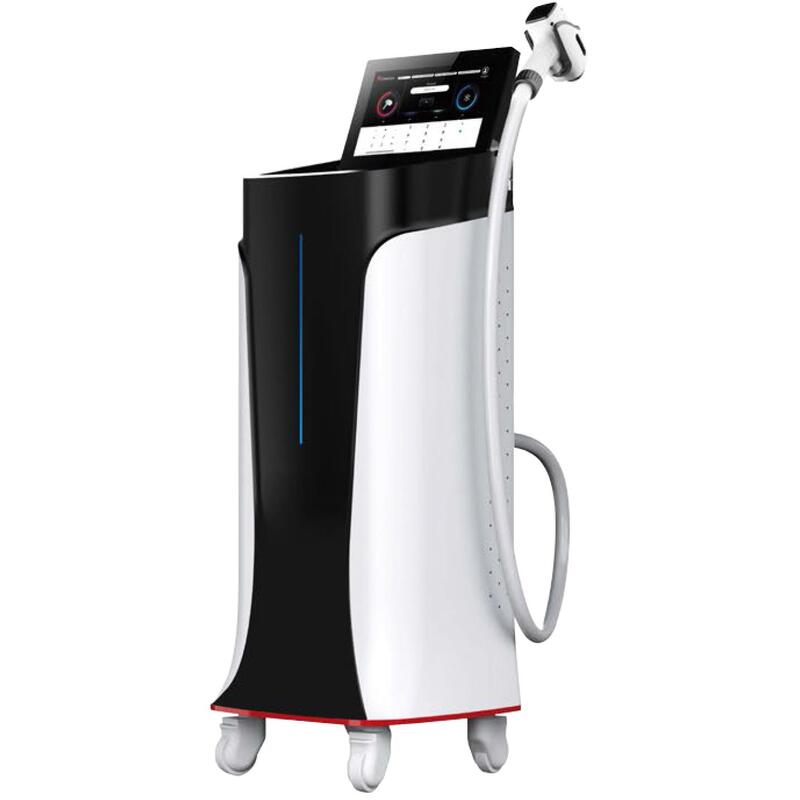
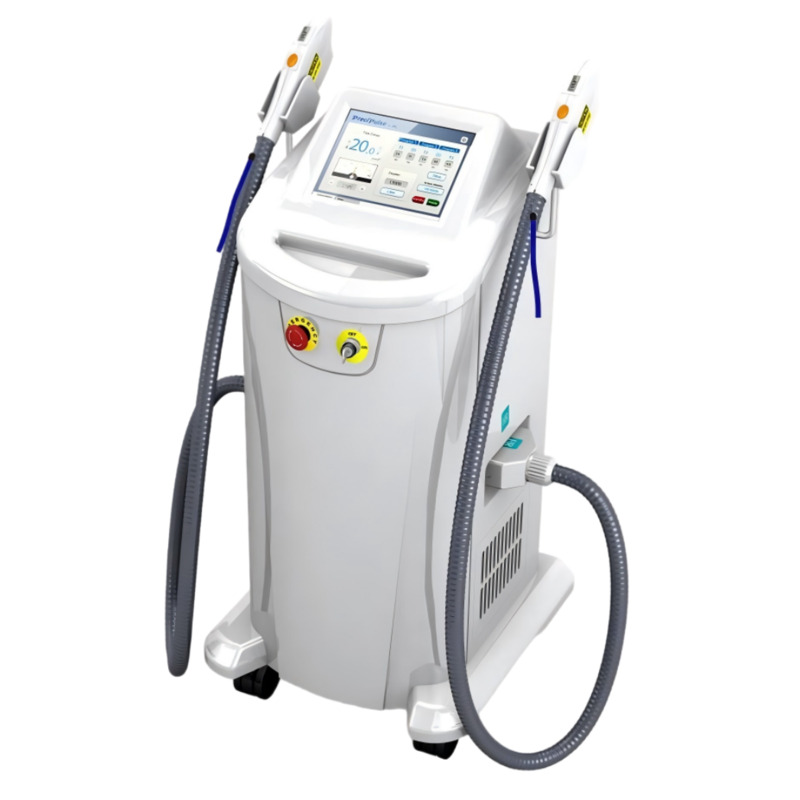
Some clinics focus solely on facial treatments, while others expand to body lifting and tightening. Multi-function HIFU platforms offer more versatility and can increase revenue streams, but only if the technology ensures consistent, safe, and effective results across all treatment areas.
Investing in a professional HIFU system that balances performance, reliability, and versatility ensures long-term clinic growth, predictable client outcomes, and a higher return on investment.
8. Final Thoughts: The True Cost of HIFU Is Measured in Results
For aesthetic clinics, the real cost of a HIFU face lifting machine goes far beyond the purchase price. Energy stability, cartridge lifespan, operator training, and treatment consistency all contribute to long-term profitability and client satisfaction.
Results Over Price
A lower-priced HIFU machine may seem attractive initially, but inconsistent lifting, frequent retreatments, and unhappy clients can make it far more expensive over time. Clinics that focus on predictable results protect their reputation and ensure a higher return on investment.
Investing in Long-Term Success
Professional HIFU systems with stable energy, durable cartridges, and proper training support allow clinics to deliver reliable treatments every session. Understanding the full scope of costs—beyond just the machine—helps clinic owners make informed decisions, improve client outcomes, and achieve sustainable growth.
Take Action
Ready to see how a professional HIFU system can deliver predictable lifting results for your clinic? Contact Krysmed team today to discuss the right solution for your treatments, ROI, and long-term growth.
FAQ: HIFU Face Lifting Machines
Q1: How often should HIFU treatments be performed?
HIFU face lifting treatments are typically done once every 12–18 months, depending on client skin condition and the area treated. Consistent results rely on proper machine energy, cartridge quality, and trained operators.
Q2: What affects the cost of HIFU treatments for clinics?
The real cost includes machine price, cartridge replacements, maintenance, operator training, and treatment consistency. Clinics that overlook these factors often face higher retreatment costs and lower ROI.
Q3: What’s the difference between old-generation and new-generation HIFU machines?
New-generation HIFU systems provide more stable energy output, longer-lasting cartridges, and advanced treatment protocols. They deliver more predictable results and reduce client complaints compared to older machines.
Q4: Can HIFU be used for both face and body treatments?
Yes. Some HIFU platforms are facial-only, while others support both face and body. Multi-function HIFU machines increase versatility and revenue potential, but only if performance and treatment predictability are reliable.
Q5: How can clinics maximize ROI with HIFU?
Focus on machines with stable energy, durable cartridges, standardized treatment protocols, and proper operator training. Reliable results improve client satisfaction, reduce retreatments, and drive repeat bookings, ensuring a strong long-term ROI.
Our Contact
Ready to Elevate Your Business with Krysmed?
Let’s discuss your needs and find the best solution for your business. Our experts are here to provide personalized recommendations tailored to your business needs.
-
Call For Inquiry
-
Send Us Email
info@krysmed.com
Get A Custom Quote Now!
We value your privacy and guarantee a prompt, professional reply.
 WhatsApp
 info@krysmed.com
 +86 19867944875