

News
28
Jan
Does LED Light Therapy Really Help Post-Acne Pigmentation? What Clinics Should Know
Post-acne pigmentation is a persistent concern for many clinics, and clients increasingly look for treatments with minimal downtime and risk. This raises a common question: does LED light therapy really help post-acne pigmentation, or is its role often overstated? While LED light therapy does not directly remove pigment, it can support post-acne recovery by reducing inflammation and improving skin healing when used correctly. Understanding where LED therapy works, where it doesn’t, and how clinics should use it is key to achieving better results and maintaining client trust.
1. Understanding Post-Acne Pigmentation
Post-acne pigmentation is not a single condition, and this is where many treatments fail. To use LED light therapy effectively, clinics first need to understand what type of post-acne marks they are dealing with and why they behave differently on the skin.
Post-Inflammatory Hyperpigmentation (PIH)
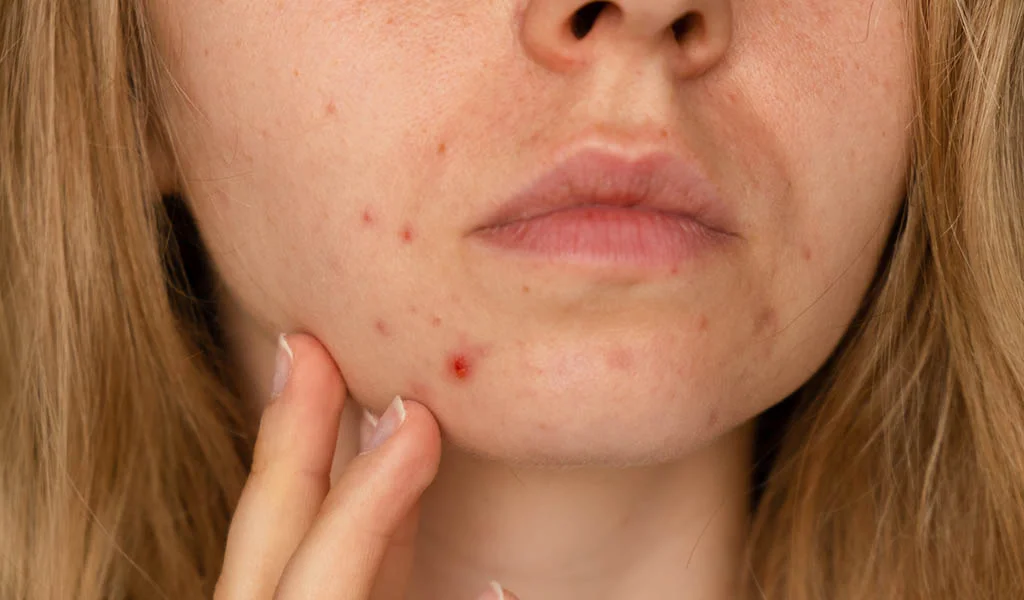
PIH appears as brown or dark spots caused by excess melanin after acne inflammation. It is more common in darker skin types and tends to fade slowly, especially when inflammation is repeatedly triggered. LED light therapy does not remove pigment directly but can help prevent PIH from becoming worse.
Post-Acne Erythema (Red Acne Marks)
Post-acne erythema shows up as red or pink marks linked to dilated blood vessels rather than pigment. This type of post-acne mark often responds better to LED light therapy, especially red or near-infrared wavelengths. Reducing inflammation early is key to faster fading.
Why Treating Post-Acne Pigmentation Takes Time
Post-acne pigmentation is driven by ongoing inflammation, slow skin turnover, and a weakened skin barrier. Without proper calming and repair, marks can linger for months even after acne is gone. This is where LED light therapy plays a supportive—but important—role in treatment plans.
2. How LED Light Therapy Works on the Skin
LED light therapy has become popular in clinics because it calms inflammation and supports skin healing. For post-acne pigmentation, understanding which wavelengths do what is key to achieving better results.
Red Light for Inflammation and Healing
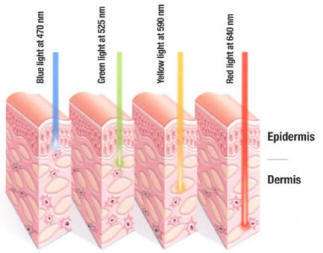
Red LED penetrates deeper into the skin to reduce inflammation and promote collagen production. This helps post-acne erythema fade faster and supports overall skin recovery. It also prepares the skin for other pigmentation treatments.
Blue Light for Acne Control
Blue LED targets acne-causing bacteria and helps prevent new breakouts. Fewer breakouts mean less risk of new post-acne pigmentation forming. It’s not effective on dark spots but is essential for long-term management.
Near-Infrared Light for Skin Repair
Near-infrared light penetrates even deeper to improve circulation and speed up tissue repair. It supports both PIH prevention and the fading of red acne marks. Using it consistently enhances results from other treatments like chemical peels or microneedling.
3. Can LED Light Therapy Really Improve Post-Acne Pigmentation?
LED light therapy is not a magic eraser for all post-acne marks, but when used strategically, it can make a real difference in certain cases. Understanding where it works and where it doesn’t is crucial for clinics to deliver effective results.
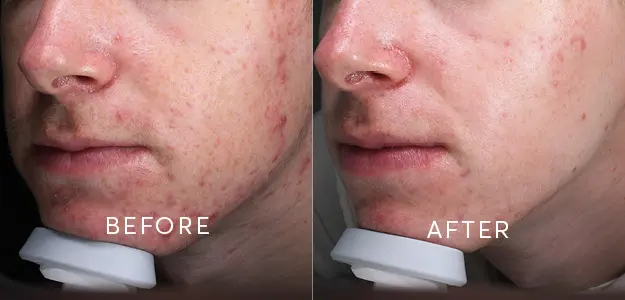
Effective for Red Acne Marks (Erythema)
Red LED and near-infrared light reduce inflammation and calm blood vessels. This helps pink or red acne marks fade faster than they would naturally. Consistent sessions improve overall skin tone and client satisfaction.
Limited Impact on Dark Pigmented Spots (PIH)
LED does not directly remove melanin, so brown or dark post-acne spots require additional treatments. Chemical peels, microneedling, or laser therapy are often needed alongside LED for better fading. Clinics should set realistic expectations to maintain trust.
Best Results Come from Combination Approaches
Using LED as a supportive therapy enhances healing and reduces downtime from other treatments. It helps prevent new post-acne pigmentation by calming active inflammation. Pairing LED with other interventions makes pigmentation management faster and safer for clients.
4. LED Therapy as a Supportive Treatment—Practical Tips for Clinics
LED light therapy works best when it is part of a broader post-acne pigmentation strategy. Clinics that follow practical protocols can improve results, reduce downtime, and keep clients satisfied.
Session Frequency and Duration
For red acne marks, 2–3 sessions per week with 10–20 minutes per area is effective. For darker PIH spots, LED is supportive only—sessions can be spaced 2–3 times per week to aid healing after other treatments. Consistency is key to seeing gradual improvement.
Choosing the Right Wavelengths
Red and near-infrared lights target inflammation and support healing, while blue light helps prevent new breakouts. Using the correct wavelength for the skin concern ensures clients see real benefits. Mixing wavelengths can maximize overall skin recovery.
Managing Client Expectations
LED is supportive, not a standalone fix for all pigmentation. Explain clearly which marks will fade faster and which require additional treatments. Proper guidance helps maintain trust and keeps clients coming back for follow-ups.
Combining LED with Other Treatments
Pairing LED with chemical peels, microneedling, or gentle laser therapy accelerates fading of PIH and red marks. LED also helps reduce downtime and irritation after these procedures. Clinics can position LED as a healing booster to enhance all post-acne protocols.
| Tip | Details |
|---|---|
| Session Frequency | Red marks: 2–3/week, 10–20 min per area PIH: 2–3/week after other treatments |
| Wavelengths | Red & near-infrared for healing Blue for acne control |
| Client Expectations | LED is supportive, not standalone Explain which marks fade faster |
| Combination Treatments | Pair with peels, microneedling, or laser Speeds healing, reduces downtime |
5. Is LED Worth Offering for Post-Acne Pigmentation?
LED light therapy may not remove every post-acne mark on its own, but it is a valuable tool for clinics looking to enhance client results. When used correctly, it supports healing, reduces inflammation, and improves overall treatment outcomes.
Adds Value to Your Service Menu
Offering LED therapy allows clinics to provide a gentle, non-invasive option for clients with red or inflamed acne marks. This can attract new clients who prefer low-downtime treatments.
Enhances Results from Other Treatments
LED works best as part of a combined approach, complementing chemical peels, microneedling, or laser therapies. Clients notice faster fading and better overall skin recovery, increasing satisfaction and loyalty.
Builds Client Trust and Retention
Being transparent about LED’s strengths and limits sets realistic expectations. Clients appreciate professional guidance, which strengthens trust and encourages repeat visits.
Practical Recommendation for Clinics
Use LED therapy as a supportive treatment rather than a standalone solution. Focus on regular sessions, the right wavelengths, and combining it with other interventions for optimal results. This strategy ensures clients see real benefits and positions your clinic as an expert in post-acne care.
| Benefit / Tip | Key Points |
|---|---|
| Adds Value | Gentle, non-invasive option. Attracts clients seeking low downtime |
| Enhances Results | Works best with peels, microneedling, or laser. Faster fading, better recovery |
| Builds Trust | Transparent about strengths & limits. Professional guidance encourages repeat visits |
| Practical Recommendation | Supportive, not standalone. Use correct wavelengths & regular sessions. Combine with other treatments |
6. Beyond Acne: How LED Can Transform Your Clients’ Skin
LED light therapy is versatile and can treat more than just post-acne pigmentation. Offering multiple benefits makes it a valuable addition to any clinic’s service menu.
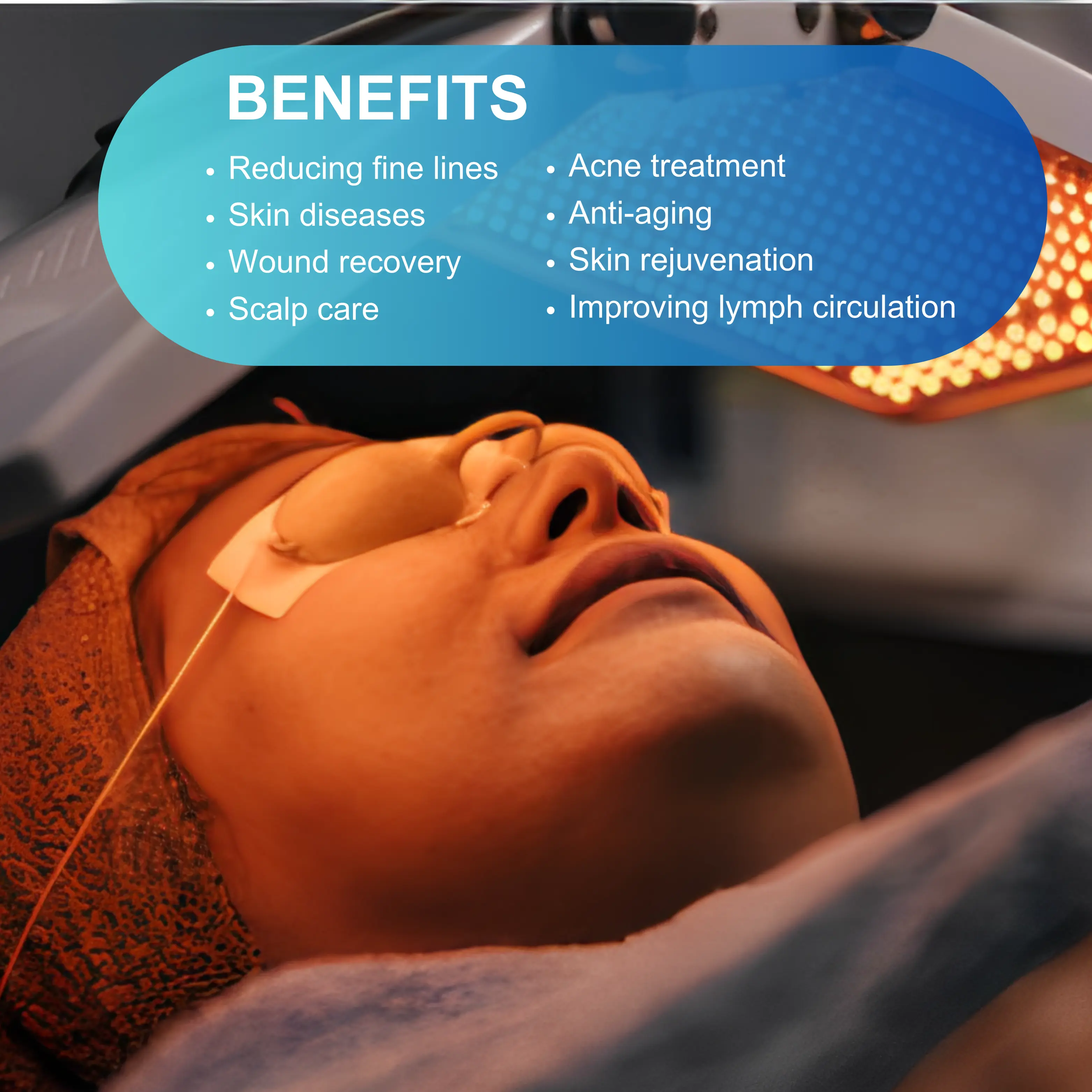
Reducing Fine Lines and Wrinkles
Red and near-infrared LEDs stimulate collagen production and improve skin elasticity. Regular treatments can help clients achieve smoother, firmer skin over time.
Calming Sensitive or Irritated Skin
LED therapy soothes redness and inflammation from sensitive skin, chemical peels, or laser procedures. It’s gentle, non-invasive, and safe for most clients.
Supporting Acne Management
Blue LED kills acne-causing bacteria, while red light reduces inflammation. Combining wavelengths helps prevent new breakouts and supports long-term skin clarity.
Enhancing Healing After Treatments
LED can accelerate recovery after microneedling, chemical peels, or laser therapy. Faster healing means less downtime and higher client satisfaction.
| Benefit | Key Points |
|---|---|
| Reducing Fine Lines & Wrinkles | Red & near-infrared LEDs stimulate collagen. Improves elasticity, smoother firmer skin over time |
| Calming Sensitive Skin | Soothes redness & inflammation. Gentle, non-invasive, safe for most clients |
| Supporting Acne Management | Blue LED kills acne bacteria. Red light reduces inflammation, prevents new breakouts |
| Enhancing Healing After Treatments | Speeds recovery after microneedling, peels, or laser. Less downtime, higher client satisfaction |
7. How to Combine LED Therapy with Other Treatments
LED therapy works best when it’s part of a complete skin care plan. Combining it with other treatments can accelerate results, reduce downtime, and improve client satisfaction.
LED + Chemical Peels
Use LED after a mild chemical peel to calm inflammation and support healing. This helps reduce redness and speeds up skin recovery, making clients more comfortable post-treatment.
LED + Microneedling
LED can be applied after microneedling to promote collagen production and reduce irritation. Red or near-infrared light enhances overall results and shortens downtime.
LED + Laser Therapy
Post-laser LED treatments help soothe the skin and minimize inflammation. This combination reduces the risk of prolonged redness and supports faster healing.
LED + Skincare Products
Applying serums or calming creams immediately after LED can boost absorption and enhance benefits. LED increases circulation and skin permeability, making topical products more effective.
| Combination | Key Points |
|---|---|
| LED + Chemical Peels | Calms inflammation after peel. Reduces redness, speeds recovery |
| LED + Microneedling | Promotes collagen, reduces irritation. Enhances results, shortens downtime |
| LED + Laser Therapy | Soothes skin post-laser. Minimizes inflammation, supports faster healing |
| LED + Skincare Products | Boosts absorption of serums/creams. Improves overall treatment benefits |
Conclusion
LED therapy is a supportive tool for post-acne pigmentation and overall skin health. It calms inflammation, speeds healing, and enhances results from peels, microneedling, or laser treatments.
Choosing the right device and following proper protocols helps clinics deliver better results, boost client satisfaction, and build long-term trust.
Ready to Add LED Therapy to Your Clinic?
LED light therapy can enhance post-acne care, reduce downtime, and improve client satisfaction when used correctly. Start offering this supportive treatment today to provide better results and build long-term client trust. Contact Krysmed today to learn more about LED devices and professional training options.
FAQ
Q1: Can LED remove dark post-acne spots on its own?
A1: No, LED mainly supports healing and reduces inflammation. Dark spots (PIH) require additional treatments like chemical peels, microneedling, or laser therapy.
Q2: Which LED wavelength is best for post-acne marks?
A2: Red and near-infrared lights are effective for reducing inflammation and calming red marks. Blue light helps prevent new acne but does not fade pigmentation.
Q3: How often should clients receive LED sessions?
A3: For red acne marks, 2–3 sessions per week with 10–20 minutes per area works well. For darker PIH spots, LED is supportive, usually 2–3 times per week after other treatments.
Q4: Is LED therapy safe for all skin types?
A4: Yes, LED is non-invasive and suitable for all skin types. However, proper wavelength selection and session timing are essential for effective results.
Q5: Can LED therapy replace other pigmentation treatments?
A5: No, LED is best used as a supportive therapy alongside other interventions. It enhances healing and speeds up recovery but does not directly remove pigment.
Our Contact
Ready to Elevate Your Business with Krysmed?
Let’s discuss your needs and find the best solution for your business. Our experts are here to provide personalized recommendations tailored to your business needs.
-
Call For Inquiry
-
Send Us Email
info@krysmed.com
Get A Custom Quote Now!
We value your privacy and guarantee a prompt, professional reply.
 WhatsApp
 info@krysmed.com
 +86 19867944875