

News
27
Jan
How Long Does It Take to Recover the Cost of a CO2 Laser Machine in a Clinic?
Investing in a CO2 laser machine is a major financial decision for any clinic. The key question is simple: how long does it take to recover the cost and start making real profit? Although CO2 laser treatments for acne scars and skin resurfacing are in high demand, ROI depends on treatment pricing, patient volume, operating costs, and system reliability. This guide explains how clinics recover their CO2 laser investment and what determines long-term profitability.
1. Why ROI Matters When Investing in a CO2 Laser Machine
Purchasing a CO2 laser machine is not just a clinical decision, but a long-term financial commitment for any clinic. Beyond treatment performance, return on investment determines whether the device becomes a profit generator or a financial burden. Machine price alone does not reflect true cost, as utilization rate, operating expenses, and system reliability all affect recovery time. Understanding ROI is therefore essential before making a final purchasing decision.
Equipment Is an Investment, Not Just a Treatment Tool
A CO2 laser machine should be viewed as a revenue-producing asset rather than a single-purpose treatment device. Its value depends on treatment versatility, patient throughput, and long-term performance stability. High utilization across multiple indications shortens the break-even timeline and improves overall profitability. Strategic equipment selection directly influences clinical growth and financial sustainability.
Common Financial Concerns Before Purchase
Clinic owners often worry about recovery time, treatment demand, and whether patient volume can support the investment. Additional concerns include maintenance costs, downtime risk, and hidden operating expenses. Price differences between systems further complicate decision-making. Clear ROI analysis helps reduce uncertainty and supports confident purchasing decisions.
2. Typical Cost Structure of a CO2 Laser Machine
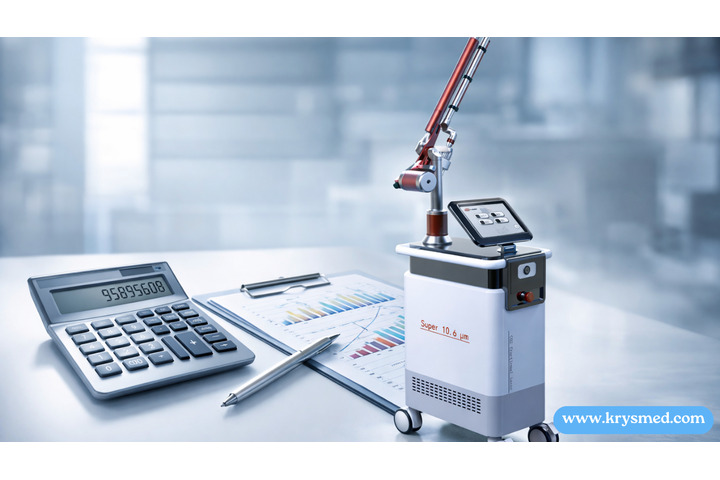
The total cost of a CO2 laser machine extends beyond the initial purchase price. Clinics must consider configuration options, installation, training, and long-term operating expenses when evaluating investment size. Ignoring these components often leads to inaccurate ROI estimation and delayed break-even. A clear understanding of cost structure is essential for realistic financial planning.
Machine Price Range and Configuration Differences
CO2 laser machine prices vary widely depending on power output, scanning system, and clinical functionality. Entry-level systems may reduce upfront cost but often limit treatment versatility and performance stability. Advanced platforms support a broader range of indications and higher patient throughput. Configuration selection directly affects both clinical capability and long-term return on investment.
Installation, Training, and Initial Setup Costs
Initial expenses include system installation, clinical training, and workflow integration. Proper training reduces complication rates and improves treatment efficiency, accelerating early revenue generation. Inadequate setup often results in longer learning curves and inconsistent outcomes. These early-stage costs should be included in any realistic ROI calculation.
Maintenance and Consumable Expenses Over Time
Ongoing costs include routine servicing, component replacement, and occasional system calibration. Unstable systems increase downtime and repair frequency, directly reducing treatment revenue. Consumables and spare parts also contribute to long-term operating expenses. Factoring these costs prevents underestimating the true recovery timeline.
3. Average Treatment Pricing and Revenue Potential
Revenue from a CO2 laser machine depends primarily on treatment pricing and patient volume. Indications such as acne scars, skin resurfacing, and surgical revision support premium treatment fees in most markets. However, income varies significantly by region, clinic positioning, and case complexity. Accurate revenue estimation is essential for calculating realistic break-even timelines.
Typical Price per Session by Market
Fractional CO2 laser treatments are commonly priced higher than non-ablative resurfacing procedures. Fees vary by region, but acne scar and resurfacing sessions typically command mid- to high-range pricing. Advanced indications and combination treatments further increase per-session revenue. Treatment pricing directly determines how quickly investment cost can be recovered.
Monthly Treatment Volume in Small and Medium Clinics
In most clinics, monthly case volume depends on referral flow, marketing strategy, and patient retention. Even moderate utilization can generate stable recurring income when scheduling is consistent. Underutilization remains the most common reason for delayed ROI. Estimating realistic monthly volume is critical for accurate financial planning.
Revenue Differences Between Scar, Rejuvenation, and Surgical Indications
Acne scars and deep resurfacing treatments usually produce higher revenue per case than superficial rejuvenation. Surgical scar revision and specialized indications further increase profitability. A diversified treatment portfolio improves machine utilization and stabilizes cash flow. Indication selection strongly influences long-term revenue potential.
4. How to Calculate Break-Even Time in a Real Clinic
Break-even time refers to the period required for treatment revenue to fully recover the total investment cost of a CO2 laser machine. This timeline depends on machine price, treatment fees, monthly case volume, and operating expenses. Rather than relying on optimistic projections, clinics should base calculations on realistic utilization and conservative pricing. A clear break-even model provides a reliable foundation for investment decisions.
Simple ROI Formula for Clinic Owners
A basic ROI calculation compares total equipment cost with net monthly treatment revenue. Monthly revenue is estimated by multiplying treatment price by the number of sessions performed, then subtracting operating and maintenance expenses. Dividing total investment by net monthly income provides an approximate break-even timeline. This simple model allows clinic owners to quickly assess financial feasibility.
Example Scenarios: Conservative, Moderate, and High Utilization
In conservative scenarios, limited patient volume and lower pricing extend the recovery period to twelve months or longer. Moderate utilization with stable referrals often achieves break-even within six to nine months. High-demand clinics with efficient scheduling may recover investment within three to six months. These scenarios highlight how utilization rate is the primary driver of ROI speed.
3-Month vs 6-Month vs 12-Month Recovery Models
Rapid three-month recovery typically requires high case volume, premium pricing, and minimal downtime. Six-month recovery represents a balanced and realistic target for most established clinics. Twelve-month recovery is common in new practices with gradual patient growth. Understanding these models helps clinics set practical financial expectations and plan sustainable expansion.
5. What Shortens or Delays ROI in Daily Practice
In daily clinical operation, ROI is influenced more by workflow efficiency and treatment quality than by machine price alone. Patient demand, complication rates, and scheduling efficiency directly affect revenue stability. Small operational inefficiencies can significantly extend the break-even timeline. Identifying these factors early helps clinics optimize profitability and reduce financial risk.
Treatment Demand and Case Selection
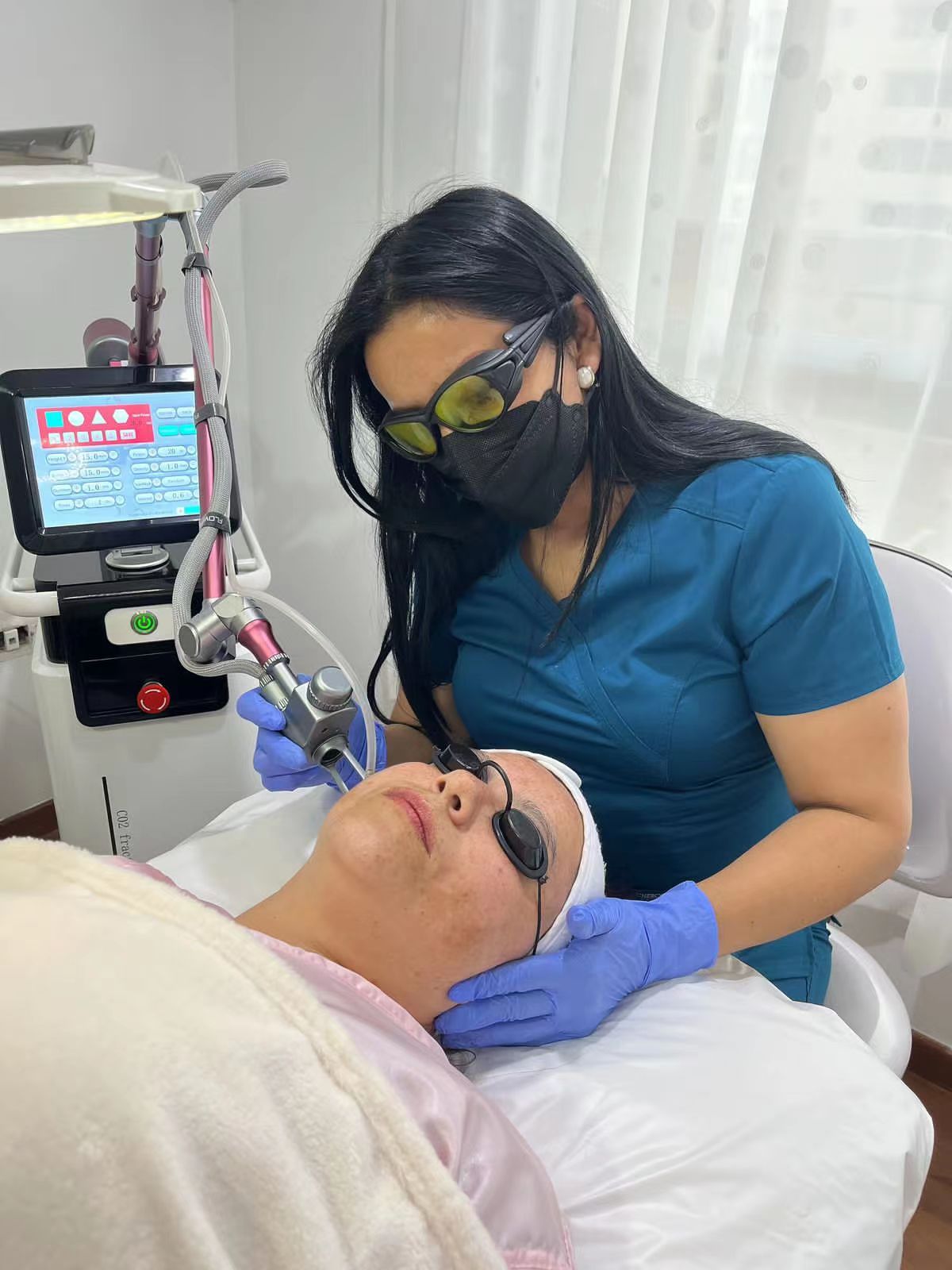
Consistent patient demand is the primary driver of rapid ROI. Clinics that focus on high-value indications such as acne scars and deep resurfacing achieve higher revenue per session. Poor case selection leads to low utilization and limited treatment outcomes. Strategic indication planning improves both clinical results and financial performance.
Downtime, Complication Rates, and Re-Treatment Costs
Unplanned downtime immediately reduces treatment capacity and monthly revenue. High complication rates increase re-treatment frequency and prolong recovery periods, lowering patient satisfaction. Additional sessions without revenue further delay cost recovery. System reliability and treatment safety are therefore critical to maintaining stable cash flow.
Operator Skill and Protocol Efficiency
Experienced operators achieve consistent results with shorter treatment times and fewer corrective sessions. Inefficient protocols reduce daily throughput and increase labor cost per case. Proper training improves parameter selection and minimizes unnecessary energy delivery. Operator proficiency plays a central role in accelerating ROI and sustaining long-term profitability.
6. Technology Factors That Strongly Influence Profitability
The technical performance of a CO2 laser machine directly affects treatment efficiency, safety, and revenue stability. Energy control, scanning accuracy, and system reliability determine both clinical outcomes and patient throughput. Machines with limited stability or slow workflow often delay break-even despite lower purchase price. Technology selection therefore plays a central role in long-term profitability.
Energy Stability and Pulse Consistency
Stable energy output ensures predictable tissue interaction and consistent clinical results. Pulse inconsistency increases the risk of uneven ablation, complications, and re-treatment. Reliable systems reduce adjustment time and shorten learning curves. Energy stability directly improves treatment efficiency and revenue consistency.
Scanning Speed and Patient Throughput
Fast and accurate scanning shortens procedure time and increases daily treatment capacity. Higher patient throughput improves machine utilization and monthly revenue potential. Slow scanning systems limit scheduling flexibility and reduce income per working hour. Workflow efficiency is a key factor in accelerating ROI.
Spot Size Range and Treatment Versatility
A wide range of spot sizes allows precise treatment across different scar types and anatomical areas. Greater versatility expands clinical indications and increases case volume. Limited configuration restricts treatment options and underutilizes system capability. Versatile platforms generate higher long-term revenue through broader application.
Reliability, Downtime, and Service Response Time
System reliability determines whether scheduled treatments proceed without interruption. Frequent downtime reduces revenue and damages patient confidence. Delayed service response further extends financial loss. Reliable platforms with stable support infrastructure protect cash flow and shorten the overall break-even timeline.
| Technology Factor | Operational Impact | ROI Influence |
|---|---|---|
| Energy Stability | Consistent output, fewer errors | Higher treatment efficiency |
| Pulse Consistency | Predictable tissue response | Reduced re-treatments |
| Scanning Speed | Shorter procedure time | Increased daily capacity |
| Workflow Efficiency | Faster scheduling turnover | Higher monthly utilization |
| Spot Size Flexibility | Broader clinical applications | Expanded revenue streams |
| System Reliability | Minimal downtime | Stable cash flow |
| Service Response Time | Faster recovery from faults | Shorter break-even period |
7. Low-Cost Machines vs Reliable Systems: Long-Term ROI Comparison
The initial price difference between CO2 laser machines often masks significant long-term financial impact. Low-cost systems may reduce upfront investment, but performance limitations and instability frequently delay break-even. Reliable platforms maintain consistent output, higher utilization, and predictable revenue. Long-term ROI is therefore determined more by system quality than by purchase price alone.
Hidden Costs of Inconsistent Performance
Inconsistent energy delivery leads to variable results, longer treatment times, and increased adjustment sessions. Additional operator time and repeated treatments reduce effective revenue per case. Patient dissatisfaction further limits repeat bookings and referrals. These hidden costs gradually erode the apparent savings of low-cost machines.
Impact of Repairs and Treatment Interruptions
Frequent repairs directly reduce treatment capacity and monthly income. Cancelled sessions disrupt scheduling and weaken patient confidence. Spare part delays and extended service cycles further extend downtime. Treatment interruptions are among the most common reasons for delayed ROI.
Why Cheaper Machines Often Delay Break-Even
Lower-priced systems typically operate with limited stability, slower workflow, and narrower clinical indications. Reduced utilization and higher complication risk extend the recovery timeline. While initial investment appears lower, total revenue accumulation progresses more slowly. In many cases, reliable systems achieve faster break-even despite higher purchase cost.
8. How Clinics Maximize Return from a CO2 Laser Platform
Maximizing ROI from a CO2 laser machine requires more than increasing treatment volume. Indication expansion, pricing strategy, and workflow optimization all influence long-term profitability. Clinics that actively manage utilization achieve faster break-even and higher lifetime revenue. Strategic operation turns the laser platform into a sustainable profit center.
Expanding Indications Beyond Acne Scars
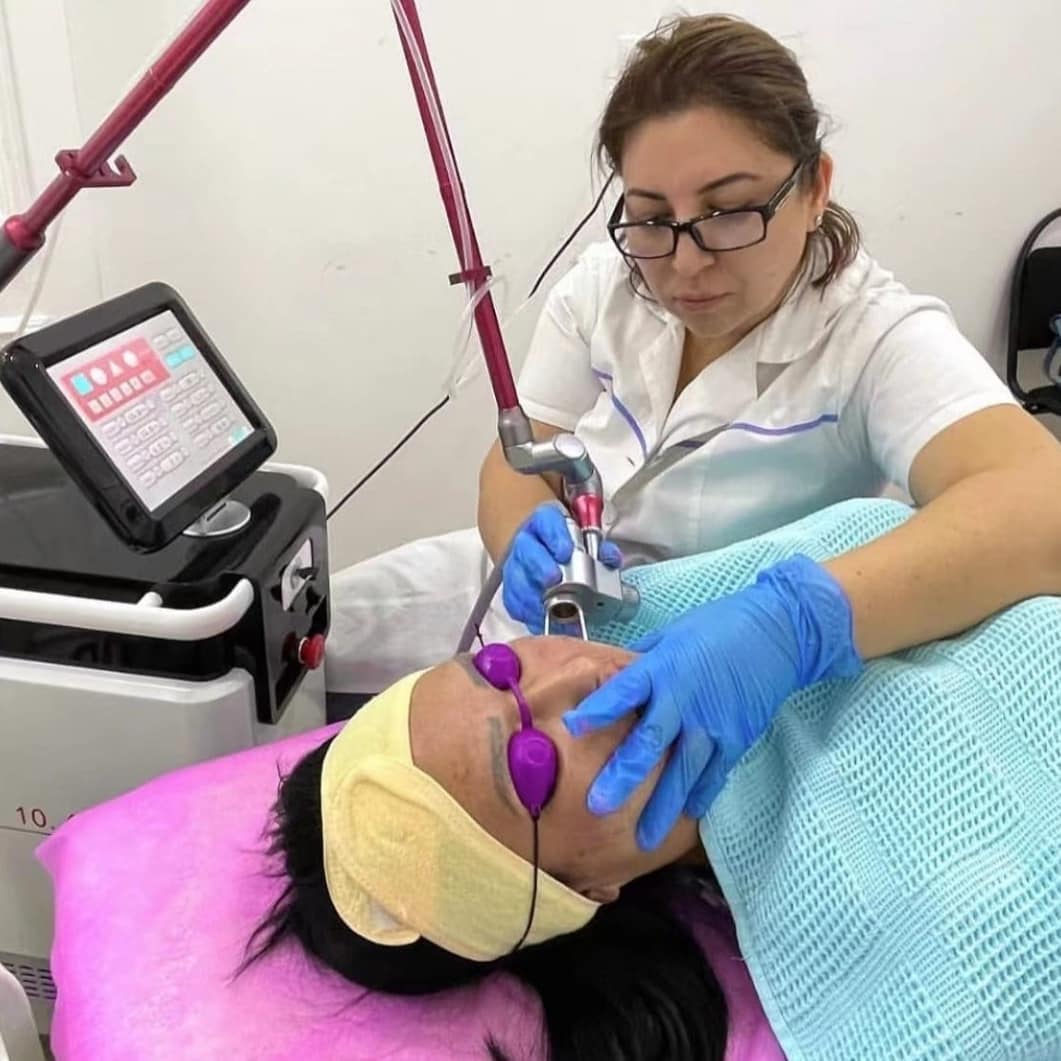
Treating multiple indications such as skin resurfacing, surgical scars, and lesion revision increases machine utilization. Broader applications attract a wider patient base and stabilize monthly case volume. Limiting the system to a single indication underuses its clinical potential. Indication diversification is one of the most effective ways to accelerate ROI.
Package Pricing and Treatment Planning Strategies
Treatment packages improve patient compliance and secure predictable revenue across multiple sessions. Structured treatment plans reduce scheduling gaps and improve workflow efficiency. Bundled pricing increases overall treatment value without lowering per-session margins. Effective planning directly improves cash flow stability and utilization rate.
Combining CO2 with Other Modalities for Higher Revenue
Combining fractional CO2 laser with RF, microneedling, or injectable treatments enhances clinical outcomes and increases per-case revenue. Multi-modality protocols differentiate clinics and support premium pricing. Combination treatments also improve patient satisfaction and retention. Integrated therapy strategies significantly raise long-term profitability.
9. Final Thoughts: When a CO2 Laser Becomes a Profitable Asset
A CO2 laser machine becomes a profitable asset only when clinical performance, utilization efficiency, and system reliability align. Fast break-even is driven not by low purchase price, but by stable output, versatile indications, and consistent patient demand. Clinics that invest strategically achieve predictable returns and long-term growth. Ultimately, sustainable ROI depends on choosing technology that supports both clinical excellence and financial performance.
Ready to Evaluate the ROI of a CO2 Laser Machine for Your Clinic?
If you are planning to introduce or upgrade a CO2 laser system, a professional evaluation can clarify realistic recovery timelines and optimal configuration for your practice. Contact Krysmed today to explore reliable CO2 laser solutions designed for stable performance, efficient workflow, and sustainable ROI.
FAQ
Q1: What skin conditions respond best to fractional CO2 treatment?
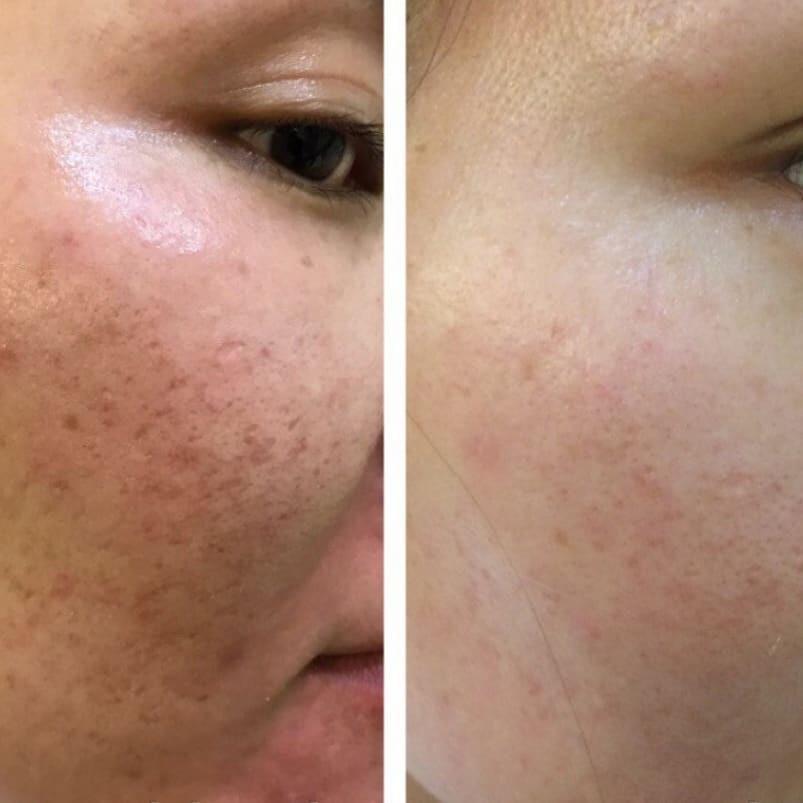
Acne scars, surgical scars, wrinkles, enlarged pores, texture irregularities, pigmentation, and overall photoaging show the most consistent improvement.
Q2: How does fractional CO2 stimulate long-term skin renewal?
Thermal micro-injuries trigger wound healing cascades, leading to new collagen formation, dermal remodeling, and long-term improvement in skin thickness and elasticity.
Q3: How many sessions are usually required for visible transformation?
Mild to moderate concerns often require 1–3 sessions, while deeper scars and wrinkles may need multiple treatments spaced 2–3 months apart.
Q4: Is fractional CO2 safe for darker skin types?
It can be used cautiously on Fitzpatrick III–V with adjusted parameters, proper cooling, and strict post-treatment sun protection to reduce the risk of post-inflammatory hyperpigmentation.
Q5: What is the typical downtime after treatment?
Downtime ranges from 3 to 10 days depending on treatment intensity, with redness, edema, and micro-crusting gradually resolving.
Q6: How does treatment density affect results and recovery?
Higher density improves resurfacing and scar correction but increases downtime, while lower density favors faster recovery with gradual cumulative improvement.
Q7: Can fractional CO2 be combined with other treatments?
Yes. It is commonly combined with PRP, growth factors, RF microneedling, or topical cosmeceuticals to enhance healing and results.
Q8: What operator skills are most critical for safe outcomes?
Correct depth control, energy selection, overlap management, and understanding of skin healing physiology are essential to avoid burns, scarring, and pigmentation complications.
Our Contact
Ready to Elevate Your Business with Krysmed?
Let’s discuss your needs and find the best solution for your business. Our experts are here to provide personalized recommendations tailored to your business needs.
-
Call For Inquiry
-
Send Us Email
info@krysmed.com
Get A Custom Quote Now!
We value your privacy and guarantee a prompt, professional reply.
 WhatsApp
 info@krysmed.com
 +86 19867944875