

News
02
Dec
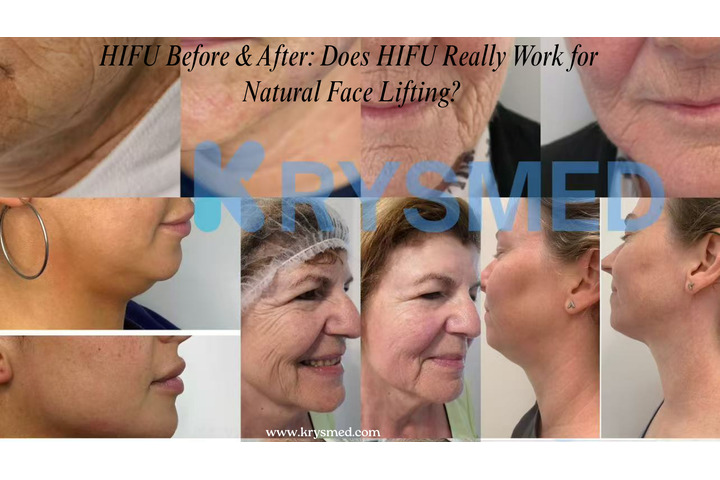
HIFU Before & After: Does HIFU Really Work for Natural Face Lifting?
HIFU (High-Intensity Focused Ultrasound) has quickly become one of the most popular non-surgical treatments for lifting and tightening the face. Known for its ability to target the deeper SMAS layer—the same layer addressed in surgical facelifts—HIFU offers a natural lifting effect without needles, downtime, or invasive procedures.
In this guide, we’ll break down what real HIFU before and after results look like and answer the question clients ask most: Does HIFU really work for face lifting?
What Is HIFU and How Does It Work?
What Is HIFU?
HIFU (High-Intensity Focused Ultrasound) is a non-invasive treatment that uses concentrated ultrasound energy to lift and tighten the skin. Unlike lasers or RF, HIFU works beneath the surface without harming the epidermis.
How Ultrasound Energy Stimulates Collagen
HIFU delivers precise thermal energy into specific depths of the skin. These focused points of heat trigger the body’s natural repair response, leading to gradual tightening and firming over time.
Targeting the SMAS Layer for Maximum Lift
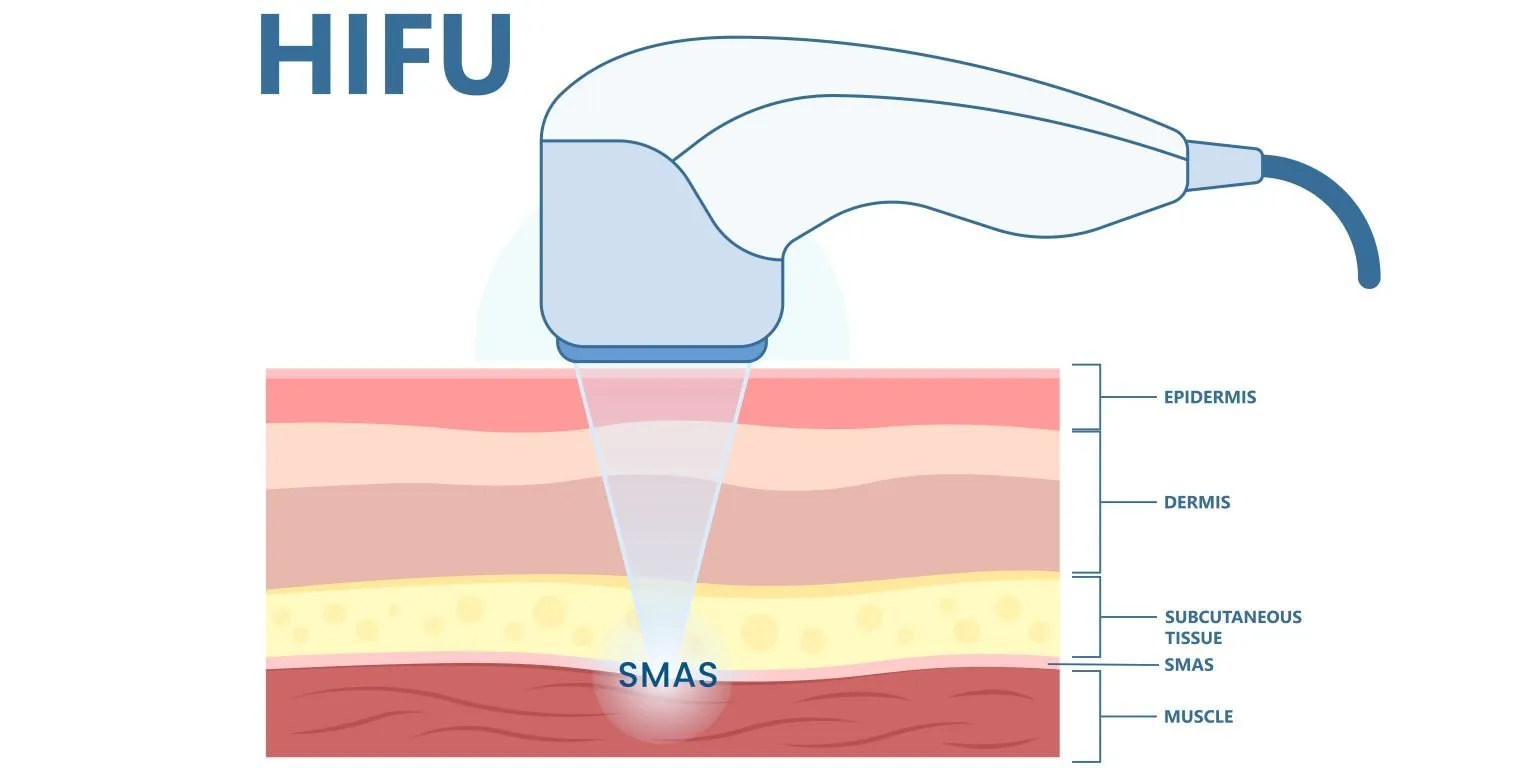
One of HIFU’s biggest advantages is its ability to reach the SMAS layer—the same layer tightened during surgical facelifts. By heating this deep support layer, HIFU can lift facial tissues without incisions or downtime.
Collagen Stimulation & Natural Lifting
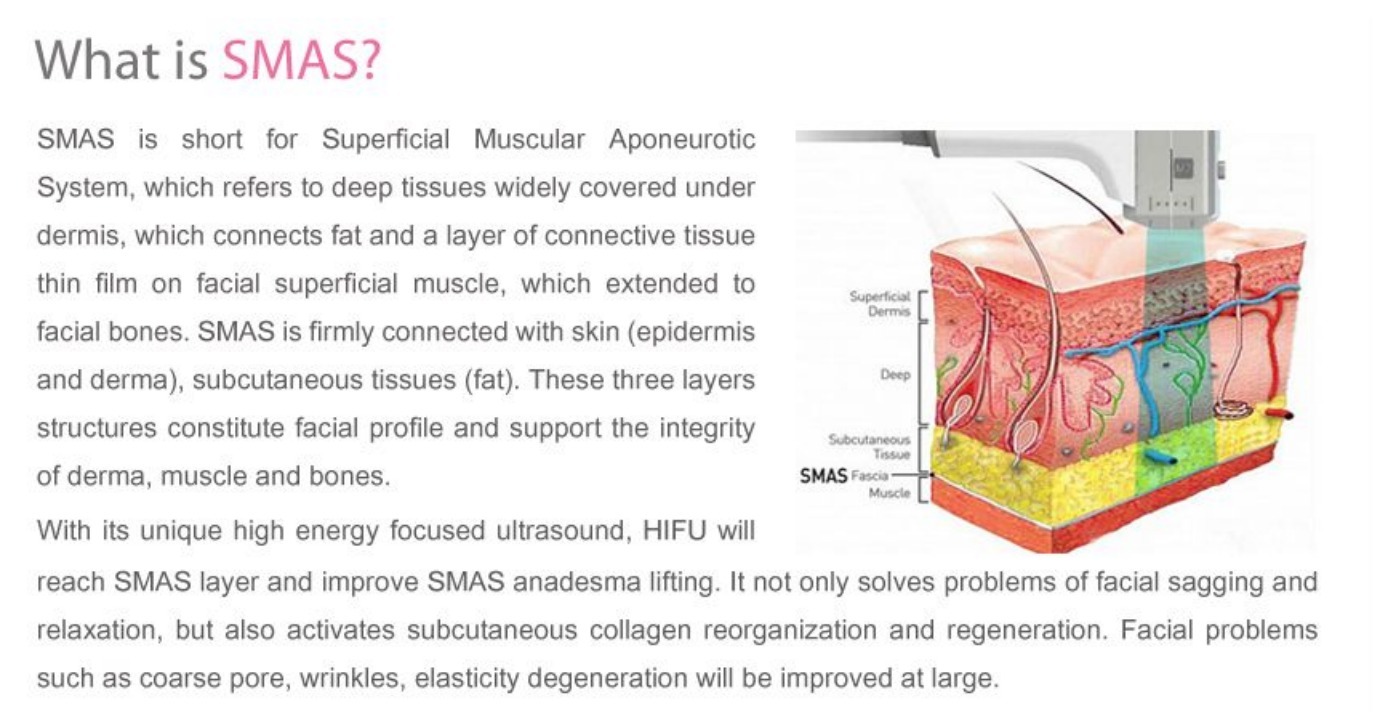
The controlled heat stimulates new collagen production. Over the next 8–12 weeks, the skin becomes firmer, smoother, and more lifted as fresh collagen rebuilds the skin’s structure.
Key Advantages of HIFU
100% non-invasive
No downtime or recovery period
Natural-looking results
Long-lasting effects (6–12 months)
Safe for most skin types
HIFU Before & After: What Real Results Look Like
Visible Improvements Clients Commonly See
Most clients notice a more defined jawline, lifted cheeks, and smoother nasolabial folds. HIFU also helps tighten loose skin under the chin and around the eyes, giving the face a fresher, more contoured appearance.

Timeline of Results
HIFU results develop gradually, allowing the skin to lift in a natural and subtle way:
Immediately: Mild tightening due to tissue contraction
4–8 weeks: Noticeable lift as new collagen forms
12 weeks: Peak results with improved firmness and definition
Realistic Before & After Expectations
HIFU does not create dramatic “overnight facelift” results. Instead, it enhances the face by strengthening the deeper support layers. Clients can expect a more lifted, rejuvenated, and youthful look—without the risk, pain, or downtime of surgery.
Does HIFU Really Work for Face Lifting?
Short Answer
Yes — HIFU can be highly effective for lifting and tightening the face, especially for people with mild to moderate skin laxity. By targeting deeper structural layers and stimulating collagen, HIFU delivers natural, noticeable improvement without surgery. However, results vary depending on age, skin condition, device quality, and technique.
What Clinical Evidence Shows
Most clinical studies and real-world cases report visible improvements in jawline definition, cheek lifting, and overall facial firmness after HIFU.
Results develop gradually — mild tightening appears quickly, while full lifting effects peak around 8–12 weeks as collagen rebuilds.
Consistency of results depends heavily on proper energy settings, accurate targeting, and using a medical-grade HIFU device.
Who Sees the Best Results
Individuals in their late 20s to 50s
Clients with mild to moderate skin laxity
People wanting a natural, gradual lift without downtime
Those who prefer non-surgical options but still want visible improvements
These clients typically achieve the most noticeable before-and-after changes.
When Results May Be Limited
Severe sagging or excess skin (often requires surgical lifting)
Very mature skin with minimal elasticity
Heavy lower-face volume or thick subcutaneous fat, which can mask lifting
Clients expecting dramatic, immediate facelift-like results
HIFU works best as a collagen-boosting and tissue-tightening treatment, not a replacement for surgery in advanced cases.
Key Factors That Affect HIFU Results
Device quality: Medical-grade HIFU delivers consistent, precise thermal energy.
Practitioner skill: Good technique ensures correct depth, line placement, and energy density.
Treatment design: Using the correct cartridges (1.5mm, 3.0mm, 4.5mm) for different facial layers is essential.
Client factors: Age, collagen levels, lifestyle habits, and sun exposure all impact results.
Aftercare: SPF, good hydration, and healthy lifestyle habits help maintain collagen production.
Setting Realistic Expectations
HIFU provides natural, progressive lifting — not an instant or dramatic transformation. Clients typically look refreshed and more defined rather than “different.”
Side effects are usually mild (temporary redness, tenderness, or numbness), and serious complications are rare when the treatment is performed correctly.
Professional Recommendation
A proper consultation that includes photo assessment and palpation helps determine whether the client is a good candidate.
For moderate laxity or clients seeking stronger results, a combination approach — such as HIFU + RF microneedling or HIFU + fillers — can enhance outcomes and create more dramatic before-and-after differences.
How Many Sessions Are Needed?
Standard Single Session
Most clients only need one full-face HIFU session to achieve noticeable lifting and tightening. Because the treatment works by stimulating collagen production, results continue to improve over several months, making a single session effective for many people.
Follow-Up Sessions for Enhanced Results
A follow-up session may be suggested in the following situations:
Moderate to advanced sagging
Weak collagen structure or thinner skin
Clients over 45–50 years old
Desire for stronger or longer-lasting lifting
Using HIFU as part of an anti-aging plan instead of a one-time treatment
In these cases, a second treatment performed 8–12 weeks after the first can enhance overall results.
Maintenance for Long-Term Lifting
HIFU results typically last 6–12 months, depending on age, lifestyle, and skin condition.
For best long-term lifting and collagen support, most practitioners recommend:
Maintenance every 6 months for clients over 40
Maintenance every 9–12 months for younger clients with mild laxity
Regular maintenance helps preserve jawline definition, facial contours, and skin firmness over time.
Treatment Customization Matters
Not all faces age the same way. A personalized plan — considering facial structure, collagen levels, and lifestyle — produces the best outcomes.
During consultation, a practitioner may combine different depths (1.5mm / 3.0mm / 4.5mm) to treat multiple layers for a more comprehensive lift.
HIFU Before & After Care Tips for Best Results
Pre-Treatment Tips
Avoid sun exposure for at least 1 week before treatment to reduce skin sensitivity.
Skip active skin treatments like chemical peels or aggressive exfoliation for a few days prior.
Hydrate well — well-moisturized skin responds better to HIFU energy.
Discuss medical history with your practitioner, including medications or conditions that may affect healing.
Immediate Aftercare
Mild redness or swelling is normal and usually disappears within a few hours to a day.
Avoid hot showers, saunas, or strenuous exercise for 24–48 hours to minimize irritation.
Light moisturizers and gentle cleansing are recommended; skip harsh exfoliants or chemical products.
Long-Term Care
Sun protection: Use SPF daily to prevent collagen breakdown.
Healthy lifestyle: Adequate sleep, hydration, and a balanced diet support collagen production.
Skin maintenance: Complement HIFU with gentle skincare routines; some clients use serums or moisturizers with peptides to enhance firmness.
When to Schedule Follow-Up
Most patients benefit from 1–2 follow-up sessions depending on age and skin laxity.
Keep a treatment log to track results and schedule maintenance every 6–12 months for optimal long-term lifting.
Key Takeaway
Proper pre- and post-treatment care maximizes HIFU results. By protecting the skin, supporting collagen production, and following practitioner guidance, clients can enjoy noticeable, long-lasting face lifting effects.
Is HIFU Safe? Risks and Side Effects
General Safety
HIFU is considered a safe, non-invasive procedure when performed by trained professionals using medical-grade devices. It targets deep tissue layers without cutting the skin, minimizing the risk of infections, scarring, or permanent damage.
Common Mild Side Effects
Most clients experience only temporary, mild reactions, which usually resolve within a few hours to a couple of days:
Redness or slight swelling
Tenderness or mild soreness in treated areas
Temporary numbness or tingling
Rare bruising
These effects are normal and indicate the collagen-stimulating process is active.
Rare Complications
Serious side effects are uncommon but can occur if the treatment is performed incorrectly or with inappropriate energy levels:
Prolonged numbness or nerve irritation
Burns from excessive energy delivery
Uneven lifting or contour irregularities
Choosing a licensed clinic with an experienced practitioner dramatically reduces these risks.
Who Should Avoid HIFU
Pregnant or breastfeeding individuals
People with active skin infections or severe acne in the treatment area
Clients with metal implants or electronic devices near the face (e.g., pacemakers)
Individuals with uncontrolled medical conditions affecting healing
Key Safety Tips
Always verify practitioner experience and device quality.
Ask about the depth and energy settings used during your session.
Follow all pre- and post-care instructions to minimize temporary side effects.
Conclusion
HIFU is a low-risk, non-surgical lifting option for most clients. Mild, short-term side effects are common, while serious complications are rare when treatments are performed properly. Safety is maximized with trained professionals, proper equipment, and responsible aftercare.
HIFU vs Other Lifting Treatments
When choosing a face-lifting treatment, it’s important to understand how HIFU compares with other popular options. Below is a clear comparison:
| Treatment | Depth / Target Layer | Ideal Candidates | Downtime | Key Benefits | Limitations |
|---|---|---|---|---|---|
| HIFU | SMAS layer (deep tissue) | Mild–moderate sagging, ages 25–50, non-surgical seekers | Minimal | Non-invasive, stimulates collagen, natural lift, long-lasting | Gradual results, less effective for severe sagging |
| RF Microneedling | Dermis (mid-layer) | Skin texture issues, mild laxity, acne scars | 1–3 days | Improves skin texture, tightens pores, stimulates collagen | Limited lifting effect, surface-focused |
| Thread Lift | Superficial SMAS & subcutaneous | Moderate sagging, clients wanting instant lift | 1–7 days | Immediate lifting effect, can contour face | Invasive, potential for asymmetry, temporary (1–3 years) |
| Surgical Facelift | SMAS + skin | Severe sagging, older clients, dramatic lift | 2–4 weeks | Long-lasting, dramatic lifting | Invasive, higher risk, longer recovery, higher cost |
Key Takeaways
HIFU is ideal for those seeking a non-surgical, natural lift with minimal downtime.
RF Microneedling works best for skin quality and mild tightening, but cannot replace deep lifting.
Thread lifts provide immediate lift, but results are temporary and involve minor invasiveness.
Surgical facelifts remain the gold standard for advanced sagging, but require longer recovery and higher cost.
Combination Treatments
Many practitioners combine HIFU with other treatments for enhanced results:
HIFU + RF Microneedling: lift + texture improvement
HIFU + Fillers: volume restoration + lifting
HIFU + Thread lift: stronger lift in targeted areas
This layered approach allows clients to get the best before & after results while minimizing downtime.
Who Is the Ideal Candidate for HIFU?
Age Range
HIFU is most effective for individuals aged late 20s to 50s. At this stage, skin still has sufficient elasticity to respond to collagen stimulation, allowing for noticeable lifting and tightening.
Skin Concerns
Mild to moderate sagging around the jawline, cheeks, and under the chin
Early jowls or soft tissue laxity
Desire for non-surgical rejuvenation without needles or downtime
Interested in natural, gradual improvement rather than dramatic surgical results
Health Considerations
Generally healthy individuals with no severe medical conditions
Clients without active skin infections or inflammatory skin conditions in the treatment area
Those who can follow pre- and post-treatment care instructions
Combination Treatments for Borderline Candidates
A consultation with a trained practitioner is essential to evaluate skin laxity, facial anatomy, and collagen levels.
Sometimes, combination treatments (e.g., HIFU + fillers, HIFU + thread lift) are recommended for optimal results, especially for borderline candidates.
Final Thoughts: Is HIFU Worth It?
HIFU is a safe, non-surgical solution for lifting and tightening the face, making it an excellent option for those with mild to moderate skin laxity. By targeting the SMAS layer and stimulating collagen production, it delivers natural, gradual improvements in jawline definition, cheek lift, and overall facial firmness.
While it may not replace a surgical facelift for severe sagging, HIFU offers noticeable, long-lasting results with minimal downtime. With proper pre- and post-care, experienced practitioners, and occasional maintenance sessions, HIFU can help clients achieve a refreshed, youthful appearance without surgery, needles, or extensive recovery.
Boost Your Results with Krysmed HIFU
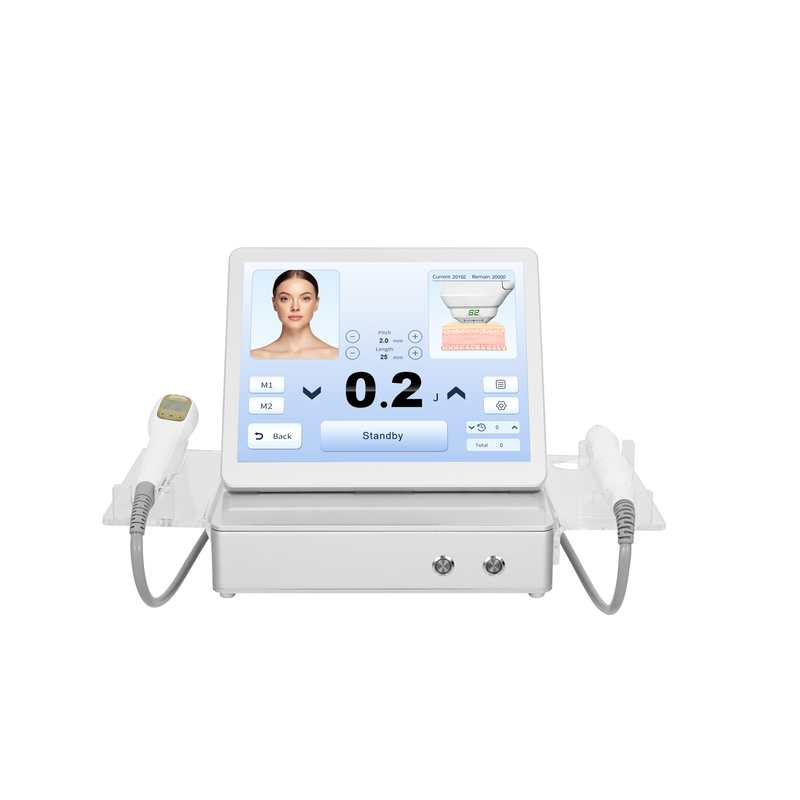
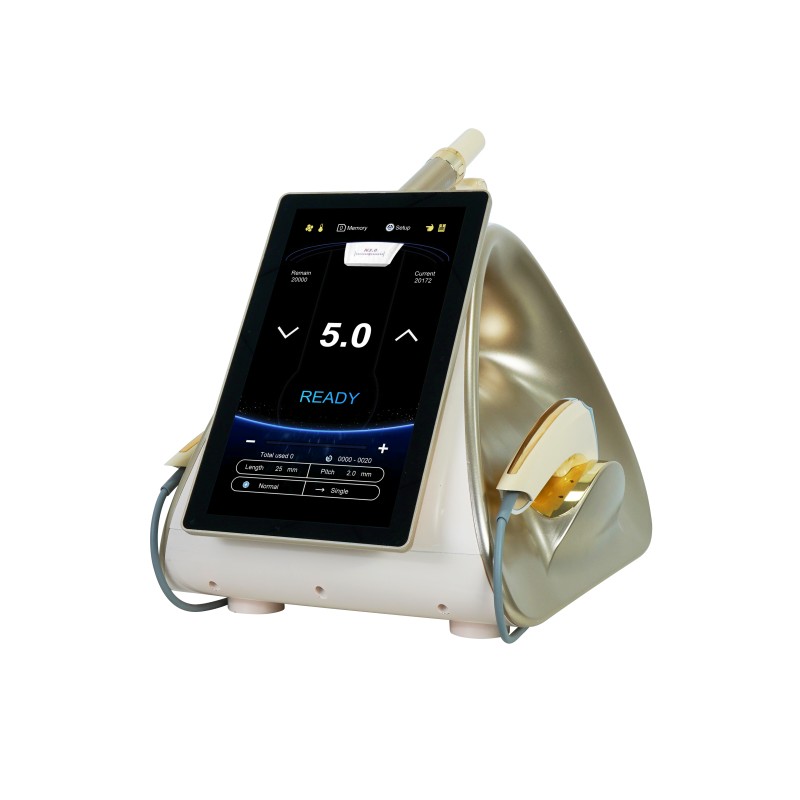
For clinics and professionals looking to achieve safe, natural, and long-lasting face lifting, the Krysmed HIFU system is an ideal choice. Its advanced ultrasound technology precisely targets multiple skin layers, stimulating collagen and lifting the jawline, cheeks, and overall facial contours.
Ready to see real HIFU results in your clinic? Contact Krysmed today and offer your clients a non-surgical, professional face lifting solution.
HIFU Face Lifting FAQ
1. How long does a HIFU treatment take?
A full-face HIFU session typically lasts 45–90 minutes, depending on the treatment area and depth.
2. Does HIFU hurt?
Most clients feel mild heat or tingling during treatment. Some areas may be more sensitive, but discomfort is usually minimal and temporary.
3. When will I see results after HIFU treatment?
Results develop gradually:
Immediate: slight tightening
4–8 weeks: noticeable lift and firmer skin
12 weeks: peak results as collagen fully rebuilds
4. How long do HIFU results last?
Results generally last 6–12 months. Maintenance sessions every 6–12 months can help prolong the lifting effect.
5. Is HIFU safe?
Yes, HIFU is a non-invasive and safe procedure when performed by trained professionals using medical-grade devices. Mild redness or swelling may occur but usually resolves within a day or two.
6. Who is the ideal candidate for HIFU?
Ages late 20s–50s
Mild to moderate skin laxity
Seeking a non-surgical, natural lift
Healthy skin without active infections or severe medical conditions
7. Can HIFU replace a surgical facelift?
HIFU is ideal for mild to moderate sagging. For severe skin laxity or excess skin, a surgical facelift may be more effective. HIFU can also be combined with other treatments for enhanced results.
8. Are there any side effects for HIFU treatment?
Common side effects include temporary redness, swelling, or mild tenderness. Serious complications are rare with proper treatment.
9. How many sessions are needed?
Most clients see results with one session, though a second session may be recommended for stronger or longer-lasting lift. Maintenance sessions help sustain results.
10. Can HIFU be combined with other treatments?
Yes, HIFU can be combined with RF Microneedling, fillers, or thread lifts to achieve more comprehensive lifting, improved skin texture, and overall facial rejuvenation.
Our Contact
Ready to Elevate Your Business with Krysmed?
Let’s discuss your needs and find the best solution for your business. Our experts are here to provide personalized recommendations tailored to your business needs.
-
Call For Inquiry
-
Send Us Email
info@krysmed.com
Get A Custom Quote Now!
We value your privacy and guarantee a prompt, professional reply.
 WhatsApp
 info@krysmed.com
 +86 19867944875