

News

01
Dec
Nd:YAG vs CO2 Laser: Which Is Better for Skin Resurfacing?
Laser skin resurfacing has become one of the most effective treatments for improving texture, wrinkles, scars, and overall skin quality. Among the many technologies available today, CO2 lasers and Nd:YAG lasers are two of the most widely used—each offering unique strengths, levels of intensity, and suitability for different skin types and concerns.
Understanding how these two lasers differ is essential for choosing the safest and most effective approach, whether you’re a practitioner or a clinic investing in new technology.
Understanding Laser Skin Resurfacing from a Professional Perspective
Laser resurfacing works by delivering controlled energy to the skin to trigger:
Collagen regeneration
Cell turnover
Tissue remodeling
Scar softening
Pigment correction
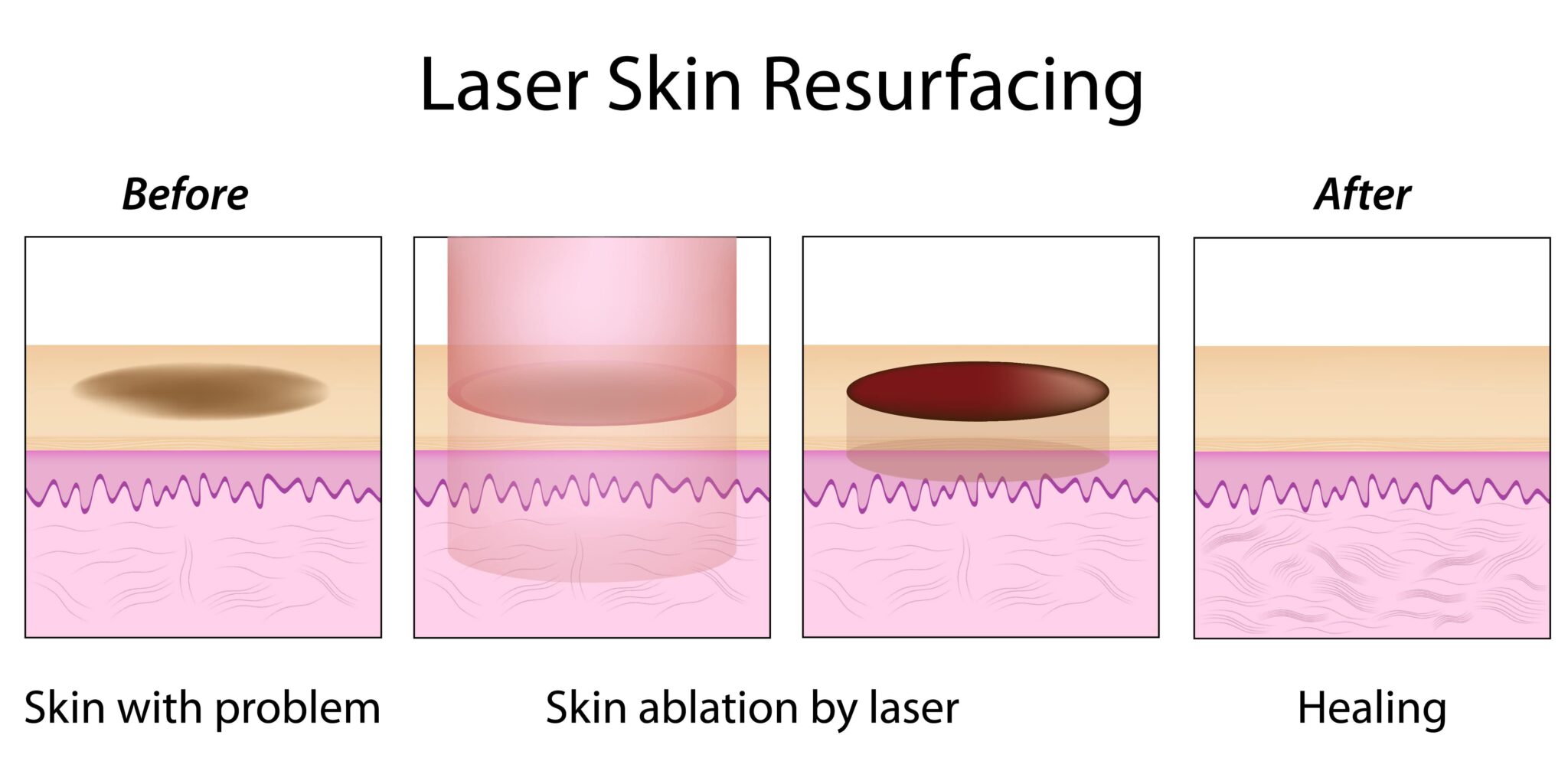
But not all lasers work the same way. The wavelength determines:
Depth of penetration
Heat absorption
Target chromophore
Safety on different skin tones
Treatment aggressiveness
Downtime
Risk level
This is why comparing Nd:YAG and CO2 requires understanding their mechanism—not just their marketing descriptions.
What Is CO2 Laser Resurfacing? (10,600 nm)
Ablative | High intensity | Significant downtime | Dramatic results
CO2 lasers are considered the most powerful resurfacing technology in cosmetic dermatology. Using a 10,600-nm wavelength, the laser is strongly absorbed by water, which makes up a large portion of the skin’s tissues. This leads to:
Vaporization of the epidermis (the surface layer)
Deep thermal injury in the dermis
Robust collagen remodeling
Tightening effect through controlled tissue contraction
How CO2 Works on the Skin—Professional Explanation
CO2 lasers ablate the skin layer-by-layer. This controlled injury removes:
Deep wrinkles
Sun damage
Rough texture
Atrophic acne scars
Precancerous lesions
The skin then regenerates itself over several weeks, resulting in dramatic improvement that very few non-ablative devices can match.
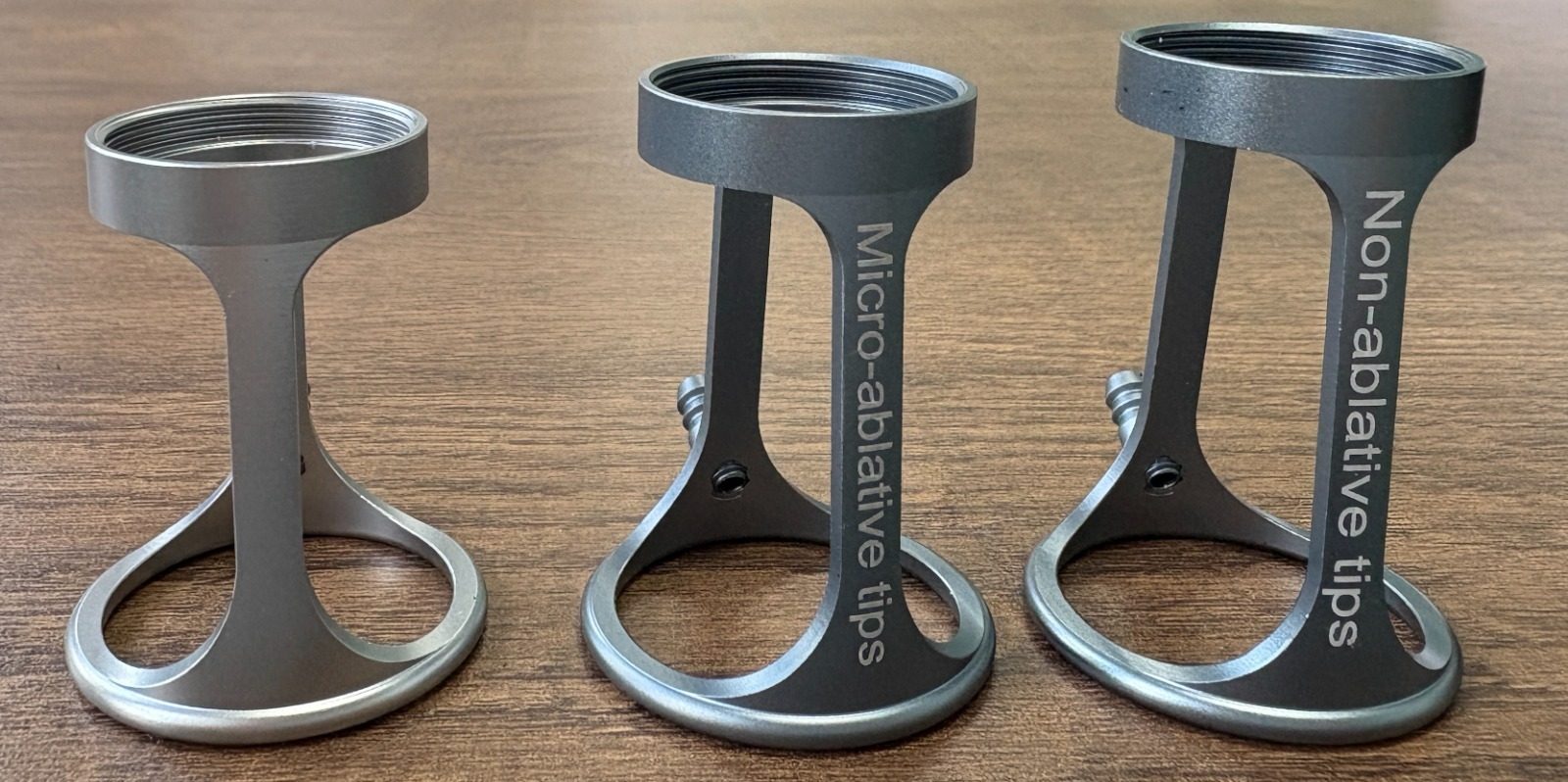
Types of CO2 Lasers Used in Clinics
| CO2 Laser Type | Key Features | Best For | Downtime / Notes |
|---|---|---|---|
| Fully Ablative CO2 Laser |
|
|
|
| Fractional CO2 Laser |
|
|
|
| Micro-Ablative CO2 Laser |
|
|
|
| Non-Ablative CO2 Laser |
|
|
|

What CO2 Treats Best (Based on Practitioner Experience)
Deep wrinkles around the eyes and mouth
Severe sun damage
Uneven texture
Deep acne scars
Laxity and crepey skin
Seborrheic keratosis
Enlarged pores
Stretch marks (selected areas)
CO2 Downsides
Painful treatment—usually requires anesthesia
7–14 days of social downtime
Redness can last weeks to months
Risk of infection if aftercare is poor
High risk of PIH (post-inflammatory hyperpigmentation) in skin types IV–VI
Requires experienced practitioners
Because CO2 removes skin, the treatment must be performed with absolute precision and strict hygiene protocols. This is why CO2 is considered a doctor-level device in many countries.
What Is Nd:YAG Laser Resurfacing? (1064 & 1320 nm)
Non-ablative | Low downtime | Safe for most skin tones | Gradual improvement
Nd:YAG lasers operate at 1064 nm (most common) or 1320 nm depending on the device. Unlike CO2, Nd:YAG does not remove the epidermis. Instead, it penetrates deeply into the dermis, heating tissues safely without breaking the skin barrier.
This makes Nd:YAG:
Less aggressive
Much safer for darker skin tones
Ideal for clients who want results with minimal downtime
How Nd:YAG Works—Professional Explanation
The 1064 nm wavelength bypasses melanin, making it the safest laser for skin types IV–VI. Instead of vaporizing tissue, it:
Heats the dermis
Stimulates collagen remodeling
Improves vascular issues
Targets pigment (in certain modes)
Smooths texture gradually
What Nd:YAG Treats Best
Enlarged pores
Fine lines
Mild-to-moderate texture issues
Diffuse sun damage
Melasma (when delivered in low-fluence mode)
Deep dermal tightening (non-ablative)
Nd:YAG Advantages
Very low downtime
Minimal risk of PIH
Can be used year-round
Safer for darker skin
Comfortable treatment
Suitable for repeat sessions
Easier for clinics to operate
Nd:YAG Limitations
Cannot treat deep wrinkles as effectively as CO2
Results are gradual and require multiple sessions
Less dramatic improvement for severe acne scars
No ablative resurfacing effect
In short: Nd:YAG improves, CO2 transforms.
Nd:YAG vs CO2: Key Differences
Below is a professional side-by-side comparison:
| Feature | CO2 Laser | Nd:YAG Laser |
|---|---|---|
| Targets | Water in tissue | Hemoglobin / deep tissue |
| Results | Dramatic | Gradual |
| Sessions Needed | 1–2 | 3–10 |
| Downtime | 7–14 days | None to 24 hours |
| Pain Level | High | Low |
| Risk | Moderate–high | Low |
| Best For | Severe texture, deep lines, scars | Mild texture and pores |
| Skin Types | Best for I–III | Safe for I–VI |
| Operator Skill Requirement | High | Moderate |
This difference is why the two lasers should never be treated as interchangeable technologies.
Treatment Experience: What Clients Can Expect
Although both CO2 and Nd:YAG lasers resurface and rejuvenate the skin, the actual treatment experience is completely different. CO2 delivers dramatic results with noticeable downtime, while Nd:YAG offers a gentler, zero-downtime approach ideal for clients seeking progressive improvement.
CO2 vs Nd:YAG: Treatment Experience Comparison
| Category | CO2 Laser | Nd:YAG Laser |
|---|---|---|
| Treatment Duration | 45–90 minutes (numbing + cooling required) | 20–45 minutes, minimal prep |
| Pain Level | High — requires numbing cream or nerve blocks; heat & stinging sensations | Low to moderate — warm pulses or light tingling |
| Aftercare Needs | Ointments, strict sun avoidance, no makeup 7–14 days, possible oozing & crusting | Light redness only; makeup next day; resume normal activities |
| Downtime | 7–14 days visible downtime + several weeks of pinkness | No downtime; skin normal within hours |
| Number of Sessions | 1–3 sessions for major improvement | 4–10 sessions depending on concern |
| Result Style | Dramatic, one-time transformation | Gradual, buildable improvement |
Expected Results: Professional Insight from Real Cases
Understanding what results clients can realistically expect is essential for building trust and ensuring satisfaction. CO2 and Nd:YAG lasers deliver very different outcomes, both in magnitude and timeline.
| Aspect | CO2 Laser | Nd:YAG Laser |
|---|---|---|
| Visible Transformation |
|
|
| Timeline |
|
|
| Expert Tip | Combining treatment with professional post-care and skincare enhances healing and prolongs results | Ideal for low-risk, zero-downtime rejuvenation, especially for darker skin types |
Risks, Side Effects & Contraindications
Safety is a critical component. Both CO2 and Nd:YAG lasers are safe when operated by trained professionals, but risks differ significantly.
CO2 Laser Risks
Post-inflammatory hyperpigmentation
Prolonged erythema
Infection
Scarring (rare but possible)
Milia formation
Reactivation of herpes simplex
Hypopigmentation (long-term risk)
Nd:YAG Laser Risks
Temporary redness
Mild swelling
Rare superficial burns
Temporary darkening of pigment before fading
Clinical Insight: Nd:YAG is widely regarded as one of the safest resurfacing lasers due to its non-ablative nature and minimal melanin absorption.
Absolute Contraindications for Both Nd:YAG and CO2
Active skin infection or open wounds
Severe eczema or psoriasis flare-ups
Pregnancy or breastfeeding (precautionary)
Recent isotretinoin usage (especially for CO2)
History of keloid formation or hypertrophic scarring (CO2 caution)
Which Laser Should Your Clinic Choose?
Choosing the right laser depends on client goals, skin type, recovery expectations, and clinic capabilities. Here is a professional guide:
Choose CO2 Laser If Your Clinic Treats:
Deep wrinkles
Severe photoaging
Boxcar or rolling acne scars
Thick texture damage
Patients wanting dramatic results
Clients willing to accept downtime
CO2 helps clinics market:
“One treatment. Big results.”
Choose Nd:YAG Laser If Your Clinic Treats:
All skin types, including darker tones
Mild to moderate texture
Clients who cannot afford downtime
Maintenance and monthly programs
Anti-aging packages
Nd:YAG helps clinics market:
“Gentle, safe, zero-downtime rejuvenation.”
Conclusion
CO2 and Nd:YAG lasers are both powerful tools, but their strengths lie in different areas. After years of supporting clinics and training practitioners worldwide, one truth is clear:
🚫 There is no “best” laser.
✔️ Only the best laser for a specific purpose.
If your goal is dramatic resurfacing, deep wrinkle removal, and scar revision → CO2 is unmatched.
If your goal is safe, comfortable, zero-downtime, all-skin-type rejuvenation → Nd:YAG is the superior choice.
Both lasers can coexist beautifully in a clinic, offering clients a full spectrum of options from gentle refresh to intensive resurfacing.
Ready to Upgrade Your Clinic?
Offer your clients the latest in skin resurfacing with Krysmed lasers — safe, effective, and designed for professional use.
Frequently Asked Questions (FAQ) – CO2 vs Nd:YAG Laser for Clinics
1. What is the difference between CO2 and Nd:YAG lasers for skin resurfacing in clinics?
CO2 lasers are ablative devices commonly used in clinics to remove the epidermis, making them ideal for treating deep wrinkles, acne scars, and severe sun damage in one or two sessions. Nd:YAG lasers are non-ablative, safe for all skin types, and perfect for clinics offering gradual skin rejuvenation with minimal downtime.
2. Which laser is safer for darker skin types in a professional setting?
Nd:YAG laser systems are the safest choice for darker skin types (IV–VI) in clinics because they bypass melanin, reducing the risk of post-inflammatory hyperpigmentation. CO2 lasers require more caution and skilled operators to ensure safe resurfacing results.
3. How many sessions are typically required for CO2 vs Nd:YAG laser treatments?
CO2 laser for clinics: Usually 1–3 sessions are sufficient for dramatic skin resurfacing.
Nd:YAG laser for skin rejuvenation: Multiple sessions (4–10) are recommended for gradual improvement of texture, pores, and fine lines.
4. What is the downtime for CO2 and Nd:YAG lasers in a clinical environment?
CO2 laser: Clients can expect 7–14 days of redness, peeling, and swelling, requiring careful aftercare.
Nd:YAG laser: Minimal to no downtime, allowing clinics to offer treatments that fit easily into clients’ schedules.
5. Can clinics combine CO2 and Nd:YAG laser treatments?
Yes. Many aesthetic clinics combine CO2 and Nd:YAG lasers to provide a full range of skin resurfacing and rejuvenation treatments, catering to clients who want either dramatic results or gentle, zero-downtime improvements.
6. What are the main risks associated with each laser in a clinic setting?
CO2 laser risks: Higher chance of PIH, infection, and prolonged redness; requires professional expertise.
Nd:YAG laser risks: Low, usually limited to temporary redness or mild swelling, making it suitable for repeat sessions in clinics.
7. Which laser is better for clinics looking to increase revenue?
CO2 laser for clinics: Attracts clients seeking high-impact, one-time treatments, ideal for premium packages.
Nd:YAG laser for clinics: Supports recurring revenue through multiple sessions and membership programs.
8. How should a clinic decide between CO2 and Nd:YAG laser systems?
Decision factors include client skin type, treatment goals, and downtime tolerance:
CO2 laser for intensive resurfacing: Best for severe wrinkles, deep acne scars, and advanced photoaging.
Nd:YAG laser for gradual rejuvenation: Ideal for mild-to-moderate texture concerns, zero-downtime treatments, and safe for all skin types.
Our Contact
Ready to Elevate Your Business with Krysmed?
Let’s discuss your needs and find the best solution for your business. Our experts are here to provide personalized recommendations tailored to your business needs.
-
Call For Inquiry
-
Send Us Email
info@krysmed.com
Get A Custom Quote Now!
We value your privacy and guarantee a prompt, professional reply.
 WhatsApp
 info@krysmed.com
 +86 19867944875