

News
25
Dec
HIFU Device Buying Guide for Clinics: Tips to Ensure Profitable Investment
High-Intensity Focused Ultrasound (HIFU) has become one of the most sought-after non-invasive treatments for skin lifting and tightening in modern clinics. With rising demand for effective anti-aging solutions, investing in a professional HIFU device can open new revenue streams and enhance patient satisfaction.
However, choosing the right HIFU machine is crucial for clinics to ensure a profitable investment. From device features and safety certifications to ROI considerations and after-sales support, this guide will help clinic owners make informed decisions and select a HIFU system that delivers both results and long-term business value.
Brief Overview of HIFU Technology
What Is HIFU?
High-Intensity Focused Ultrasound (HIFU) is an advanced, non-invasive aesthetic technology widely used in professional clinics for skin lifting, tightening, and facial rejuvenation. A professional HIFU device delivers focused ultrasound energy deep into the skin without damaging the surface, making it a popular alternative to surgical facelift procedures.
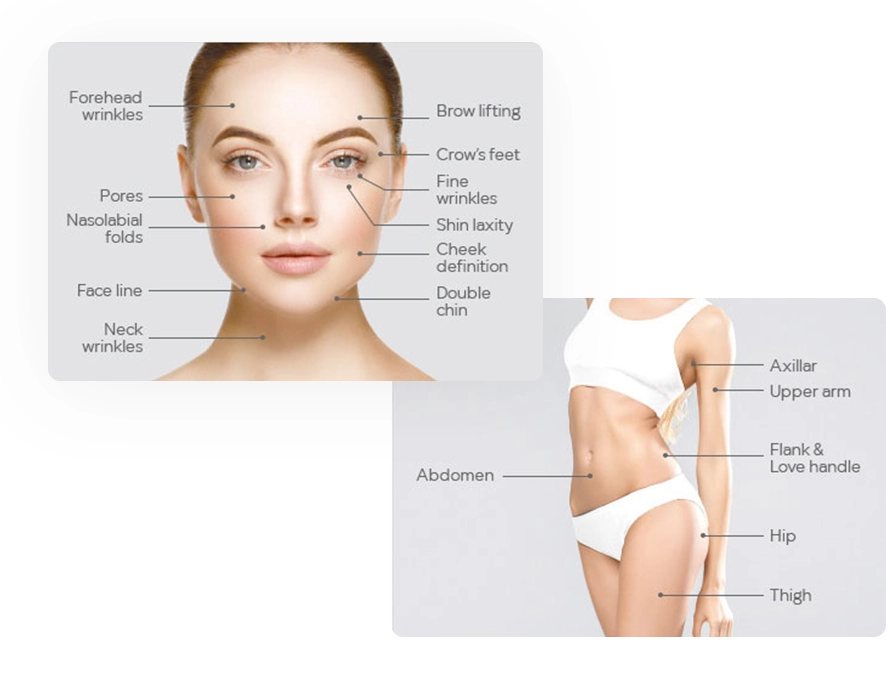
HIFU treatments are commonly performed on the face, neck, jawline, and body, targeting skin laxity, wrinkles, and loss of firmness. Due to its proven results and minimal downtime, HIFU has become a high-demand treatment in modern aesthetic and medical clinics.
How Does HIFU Work?
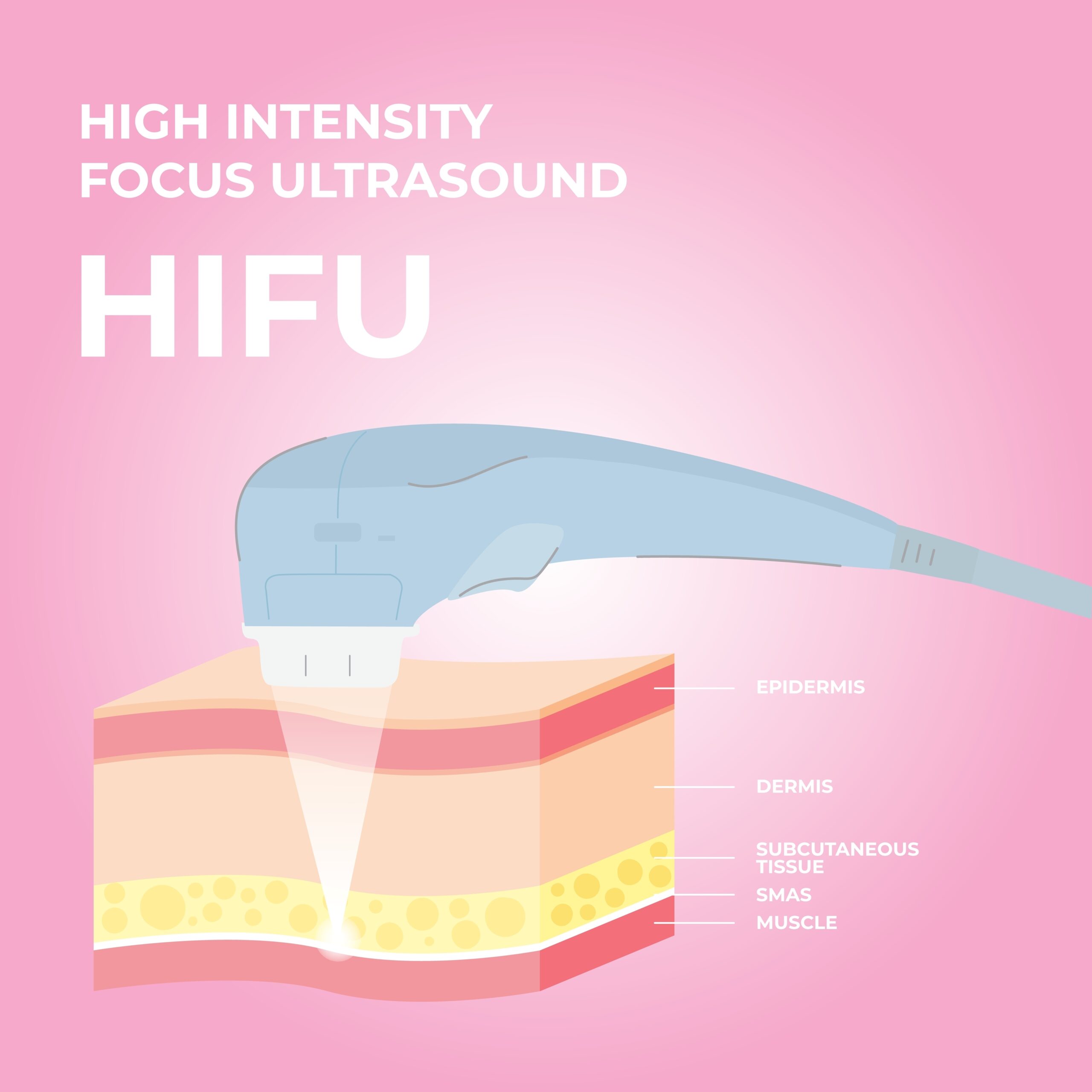
HIFU technology works by delivering precise ultrasound energy to specific depths beneath the skin, including the dermis and the SMAS (Superficial Muscular Aponeurotic System) layer. These targeted energy points create controlled thermal coagulation, stimulating natural collagen and elastin production.
As new collagen forms over time, the skin gradually becomes firmer, tighter, and more lifted. Professional HIFU machines allow clinics to adjust treatment depth and energy levels, ensuring safe and effective results for different treatment areas and skin types.
Key Benefits of HIFU for Clinics and Patients
Non-invasive treatment with no surgery, needles, or downtime
Long-lasting lifting and tightening results through collagen regeneration
Suitable for multiple areas, including face, neck, and body
High patient demand for natural-looking anti-aging solutions
Strong ROI potential for clinics due to premium treatment pricing and low consumable costs
By offering HIFU treatments with a reliable professional HIFU device, clinics can expand their service portfolio, attract new clients, and build a sustainable, profitable aesthetic business.
Why Investing in a HIFU Device Matters for Clinics
Growing Demand for Non-Invasive Aesthetic Treatments
The global aesthetic market is shifting rapidly toward non-invasive procedures, and HIFU treatments are at the forefront of this trend. Patients increasingly prefer skin lifting and tightening solutions that deliver visible results without surgery, anesthesia, or extended downtime.
By investing in a professional HIFU device, clinics can meet this growing demand and position themselves as providers of advanced, high-value anti-aging treatments.
High Profit Potential and Strong Return on Investment
One of the key reasons clinics invest in HIFU machines is their excellent ROI. A single HIFU device can generate consistent revenue with relatively low operating costs. Most professional HIFU systems require minimal consumables, and treatments are typically priced at a premium.
With proper patient volume, clinics can often recover the initial investment within a short period, making HIFU a smart and sustainable long-term investment for aesthetic practices.
Expanding Treatment Offerings and Competitive Advantage
Adding HIFU treatments allows clinics to expand their service menu without increasing operational complexity. HIFU can be combined with other aesthetic procedures such as RF, microneedling, or injectables, enhancing overall treatment outcomes.
Clinics equipped with advanced HIFU technology stand out in a competitive market, attracting clients who seek effective, non-surgical lifting solutions backed by professional-grade devices.
Improved Patient Satisfaction and Retention
HIFU treatments deliver gradual, natural-looking improvements that continue over several months, leading to high patient satisfaction. When patients see visible lifting and tightening results, they are more likely to return for maintenance treatments or additional services.
Investing in a reliable HIFU device not only increases treatment revenue but also strengthens long-term patient relationships and clinic reputation.
Key Features to Look for in a Professional HIFU Device
Choosing the right professional HIFU device is critical for clinics aiming to deliver consistent results, ensure patient safety, and achieve a profitable investment. Below are the key features every clinic should carefully evaluate before purchasing a HIFU machine.
Adjustable Energy Levels and Treatment Depths
A high-quality HIFU device should offer multiple energy levels and precise depth control. Different treatment areas—such as the face, neck, jawline, and body—require different penetration depths. Adjustable settings allow practitioners to customize treatments for various skin types and conditions, ensuring optimal results and patient comfort.
Cartridge Variety and Lifespan
Professional HIFU machines use cartridges designed for specific depths and treatment areas. A reliable system should support multiple cartridges with a long lifespan to reduce replacement costs. Clinics should also ensure that cartridges are readily available for long-term use.
Safety Features and Certifications
Safety is non-negotiable when investing in a HIFU device. Look for machines with built-in safety systems, such as temperature control and energy stabilization. Certifications like CE or FDA compliance indicate that the device meets international safety and quality standards, helping clinics reduce operational risk.
Ease of Use and Training Support
A user-friendly interface shortens the learning curve for staff and minimizes operational errors. Professional HIFU suppliers should also provide comprehensive training materials, including manuals, videos, or online sessions, to ensure safe and effective treatment delivery.
After-Sales Service and Technical Support
Long-term profitability depends heavily on reliable after-sales support. Clinics should prioritize suppliers that offer warranty coverage, technical assistance, spare parts availability, and fast response times. Strong after-sales service ensures uninterrupted clinic operations and protects your investment.
Professional HIFU Device Feature Comparison Table
| Feature | Why It Matters for Clinics |
|---|---|
| Adjustable Energy & Depth | Enables customized treatments for different areas and skin types |
| Multiple Cartridges | Expands treatment options and increases device versatility |
| Cartridge Lifespan | Reduces long-term consumable costs and improves ROI |
| Safety Certifications (CE/FDA) | Ensures compliance, safety, and professional credibility |
| User-Friendly Interface | Improves efficiency and reduces training time |
| Training & Support | Helps staff perform treatments confidently and correctly |
| After-Sales Service | Minimizes downtime and protects long-term investment |
Cost Considerations and ROI Analysis
Investing in a professional HIFU device requires more than just comparing upfront prices. Clinics should evaluate both initial costs and ongoing expenses, while estimating how quickly the investment can be recouped through treatment revenue. Understanding these financial factors is essential to ensure a profitable return on investment (ROI).
Initial Purchase Cost
Professional HIFU machines typically range between $2,000 and $3,500 depending on brand, features, and included accessories. Higher-priced models often include more advanced technology, longer warranty support, and better after-sales services, which can translate into greater clinic value over time.
Ongoing Expenses
In addition to the device cost, clinics should consider:
Cartridge replacements: Costs per cartridge depending on depth and number of shots.
Maintenance and repairs: Routine servicing or part replacements.
Training: Staff education to ensure safe and effective treatments.
Clinic overhead: Marketing, utilities, and treatment room costs.
Revenue and Profit Potential
HIFU treatments can be priced at a premium due to their non-invasive nature and strong patient demand. Treatment prices vary by region and clinic positioning, but average session fees commonly range from $800 to $2,000+ per session. With a higher price point and low consumable cost, HIFU treatments can quickly contribute to a strong ROI.
HIFU ROI Example Calculation
| Item | Estimate |
|---|---|
| HIFU Device Cost | $2,000–$3,500 |
| Average Treatment Price | $800 per session |
| Cartridge Cost (per patient) | $5–$8 |
| Net Revenue per Treatment | ~$790 |
| Treatment Sessions to Break Even | 3–5 sessions |
| Revenue After Break-Even (per 10 sessions) | ~$7,900 |
Explanation:
If a clinic charges $800 per HIFU session and the consumable cartridge cost per patient is only $5–$8, the net revenue per treatment can reach approximately $790. With a professional HIFU device priced between $2,000 and $3,500, clinics may recover their investment in as few as 3 to 5 treatment sessions. After the break-even point, nearly all treatment revenue becomes profit, making HIFU one of the most cost-effective aesthetic technologies for clinics.
Tips to Improve HIFU ROI
Optimize pricing strategy based on local competition and clinic positioning.
Promote package deals (e.g., 3 or 5 sessions) to increase upfront revenue.
Cross-sell complementary treatments such as skincare, RF, or microneedling.
Train staff to deliver efficient, consultative, and comfortable treatments.
Tips for Choosing the Right HIFU Device
Selecting the right HIFU device is a critical decision that directly impacts treatment results, patient satisfaction, and clinic profitability. Below are practical tips to help clinics choose a professional HIFU machine that delivers long-term value.
Prioritize Clinical Performance Over Low Price
While budget is an important consideration, choosing a HIFU device based solely on the lowest price can lead to inconsistent results and higher long-term costs. Clinics should focus on stable energy output, precise depth control, and proven treatment effectiveness. A reliable professional HIFU device ensures consistent outcomes and builds patient trust.
Check Adjustable Settings and Treatment Versatility
The best HIFU machines offer adjustable energy levels and multiple treatment depths to accommodate different skin types and treatment areas. Versatility allows clinics to treat the face, neck, jawline, and body with a single device, increasing usage frequency and maximizing return on investment.
Evaluate Cartridge Quality and Long-Term Availability
Cartridges play a key role in HIFU performance. Clinics should confirm cartridge durability, shot accuracy, and long-term availability from the supplier. Low-cost, high-lifespan cartridges help reduce consumable expenses and ensure uninterrupted clinic operations.
Confirm Safety Standards and Certifications
A professional HIFU device should comply with international safety standards such as CE or FDA. Built-in safety features and clinical testing help reduce risks and protect both practitioners and patients. Certification also enhances clinic credibility and supports regulatory compliance.
Assess Training and After-Sales Support
Comprehensive training and responsive after-sales service are essential for successful HIFU implementation. Clinics should choose suppliers that provide detailed operation manuals, training videos, and technical support. Reliable after-sales service minimizes downtime and protects your investment.
Choose a Supplier With Industry Experience
Working with an experienced HIFU manufacturer or supplier ensures better product quality, consistent updates, and professional support. Clinics benefit from suppliers who understand clinical needs and can offer guidance beyond the initial purchase.
Recommended Professional HIFU Devices from Krysmed
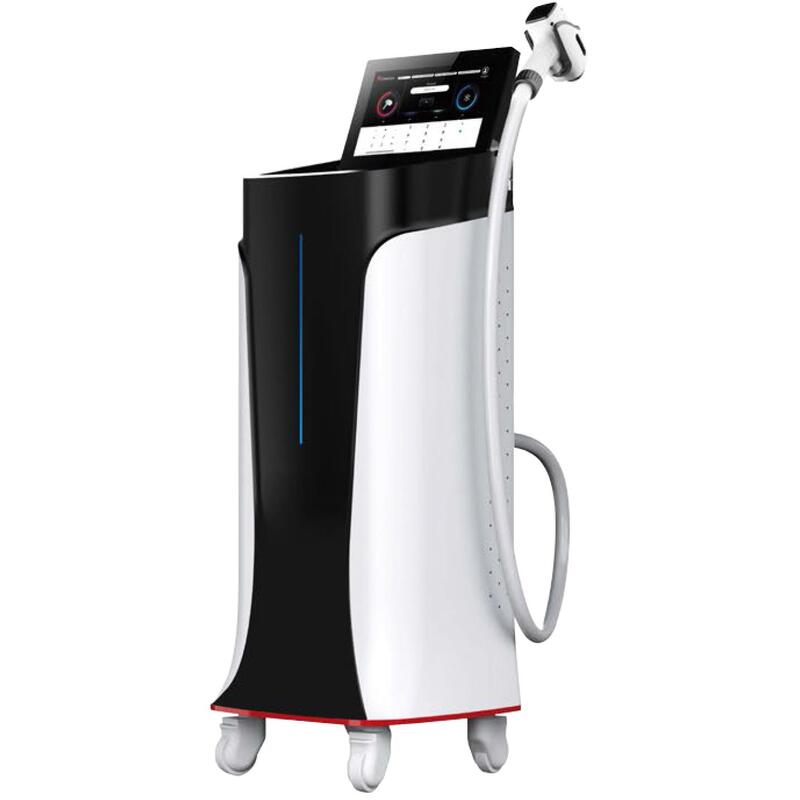
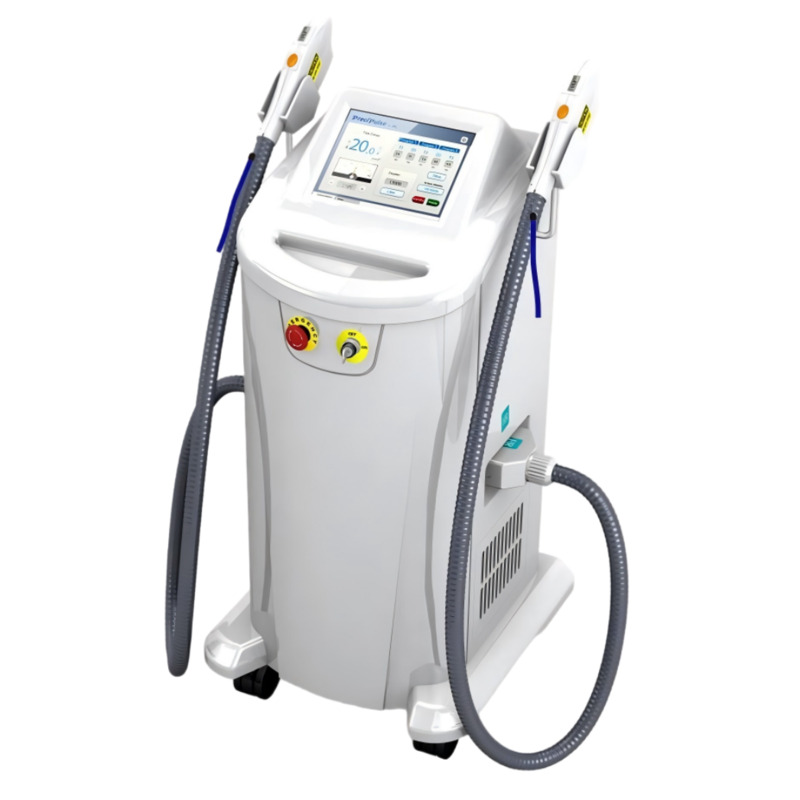
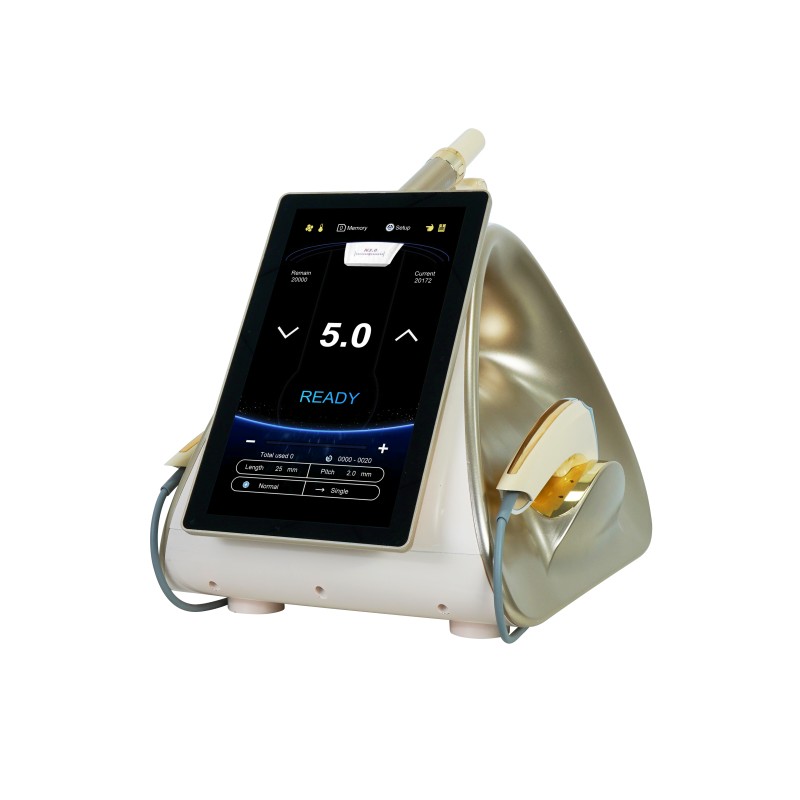
To support a wide range of clinical needs—from non-surgical skin lifting and tightening to body contouring and multifunctional aesthetic treatments—Krysmedoffers a comprehensive lineup of professional HIFU devices. Each system is designed to deliver stable energy output, precise depth control, and reliable long-term performance, helping clinics achieve consistent results while maintaining efficient workflows and strong ROI.
Whether you are a startup clinic or an established aesthetic center looking to expand services, Krysmed HIFU machines are engineered to meet different treatment demands, space requirements, and business models.
Krysmed HIFU Devices Comparison Table
| Model | Key Strengths | Applications |
|---|---|---|
| DermaLift SD HIFU | Dual MFU + RF synergy for enhanced collagen activation and precise energy control | Face & body lifting, skin tightening, rejuvenation with faster treatment time and adjustable depth |
| DermaLift HIFU MPT | Micro & Macro Focused Ultrasound (MMFU) with precise TCP energy delivery | Skin tightening, wrinkle reduction, body contouring using multi-depth cartridges |
| DermaLift 7D HIFU | Multi-layer focused ultrasound targeting multiple skin depths in one session | Facial and body lifting, elasticity improvement, fine-line reduction |
| DermaLift HIFU Pro | All-in-one 7D system with added vaginal rejuvenation and fat reduction functions | Facial lifting, body sculpting, and intimate wellness treatments |
| DermaLift HIFU Max | High-performance multifunction platform combining HIFU with additional technologies | Comprehensive clinic protocols including lifting, contouring, and tissue remodeling |
| DermaLift 7D HIFU Compact | Advanced MMFU technology in a compact tabletop design | Facial and full-body contouring for space-efficient clinics with precise multi-layer depth control |
Conclusion
Choosing the right professional HIFU device is a strategic decision that directly impacts treatment results, patient satisfaction, and clinic profitability. By focusing on proven technology, reliable performance, and long-term support, clinics can ensure a fast ROI and sustainable growth.
With low consumable costs and versatile treatment applications, Krysmed HIFU systems offer a practical and dependable solution for clinics seeking high-quality, non-invasive aesthetic treatments.
Looking to add or upgrade a HIFU system in your clinic?
Explore Krysmed’s professional HIFU devices and discover how the right technology can elevate your treatments and maximize ROI.
👉 Contact Krysmed today to request pricing, technical specifications, or a personalized recommendation based on your clinic’s needs.
HIFU FAQ for Clinics
1. What areas can HIFU treat?
HIFU is commonly used for facial lifting, neck tightening, jawline contouring, and body treatments such as abdominal or arm skin tightening.
2. How does HIFU differ from other non-invasive treatments?
Unlike RF or ultrasound alone, HIFU delivers focused ultrasound energy to deeper layers of the skin, stimulating collagen production for long-lasting lifting and tightening results.
3. Is HIFU safe for all skin types?
Yes, HIFU is generally safe for all skin types, but treatment settings should be adjusted based on skin thickness, age, and treatment area for optimal results.
4. How long does a typical HIFU session take?
Treatment time varies depending on the area, but most facial sessions take 30–60 minutes, while larger body areas may take longer.
5. Are there any side effects or downtime?
Most patients experience minimal discomfort and mild redness or swelling that typically resolves within a few hours. No significant downtime is required.
6. How soon can patients see results?
Some improvements may be visible immediately, but optimal results usually appear over 2–3 months as new collagen forms.
7. How many sessions are recommended for best results?
Most clinics recommend 1–3 sessions depending on patient needs, age, and desired outcomes. Maintenance treatments may be scheduled every 6–12 months.
8. What should clinics consider when investing in a HIFU device?
Clinics should evaluate device performance, adjustable settings, cartridge costs, safety certifications, training support, and potential ROI to ensure a smart and profitable investment.
Our Contact
Ready to Elevate Your Business with Krysmed?
Let’s discuss your needs and find the best solution for your business. Our experts are here to provide personalized recommendations tailored to your business needs.
-
Call For Inquiry
-
Send Us Email
info@krysmed.com
Get A Custom Quote Now!
We value your privacy and guarantee a prompt, professional reply.
 WhatsApp
 info@krysmed.com
 +86 19867944875