


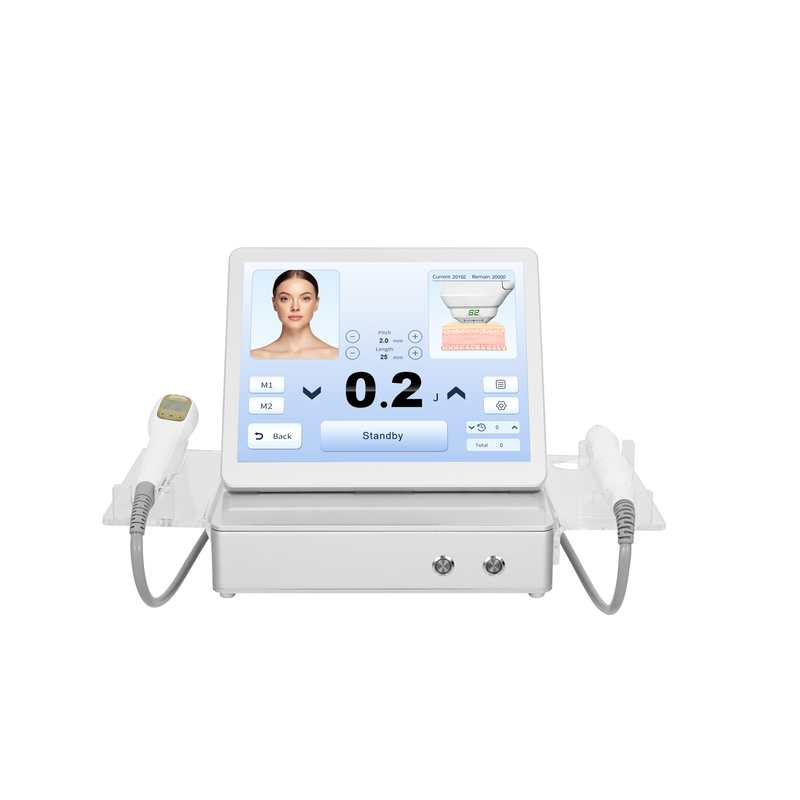
High-Intensity Focused Ultrasound (HIFU) has rapidly become one of the most sought-after non-invasive skin lifting and tightening treatments in aesthetic clinics worldwide. However, treatment outcomes can vary significantly. While some patients experience visible lifting and long-term collagen stimulation, others see minimal improvement. Understanding the critical factors that influence HIFU results is essential for clinics aiming to deliver safe, predictable, and high-quality outcomes.
Quality of the HIFU Device and Technology
Energy Stability and Precision of Focal Depth
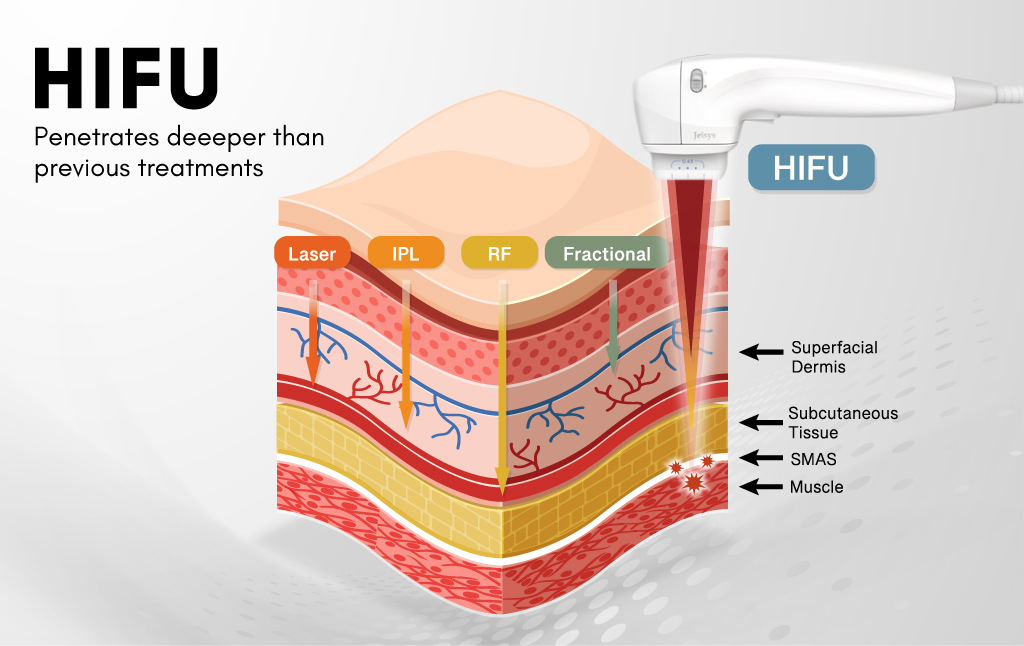
High-quality HIFU machines maintain stable energy output at precise focal depths, ensuring ultrasound waves converge at the intended treatment layer. Accurate depth control allows safe and effective stimulation of collagen without damaging surrounding tissue.
Professional vs Low-Quality Devices
Professional HIFU systems used in aesthetic clinics feature advanced energy control technology, calibrated transducers, and clinically tested parameters. These systems deliver predictable, repeatable results and support customized treatment protocols for different facial and body areas.
| Feature | Professional HIFU | Low-Quality Device |
|---|---|---|
| Energy Stability | High, consistent | Fluctuating |
| Depth Accuracy | Certified, precise | Inaccurate |
| Cartridge Lifespan | Long-lasting | Shorter, inconsistent |
| Treatment Results | Predictable & safe | Uneven, unreliable |
| Clinical Risk | Low | Higher risk of complications |
Low-quality or uncertified devices may appear more affordable but often compromise treatment effectiveness, patient safety, and clinic reputation.
Importance of Certified Cartridges and Accurate Depth Control
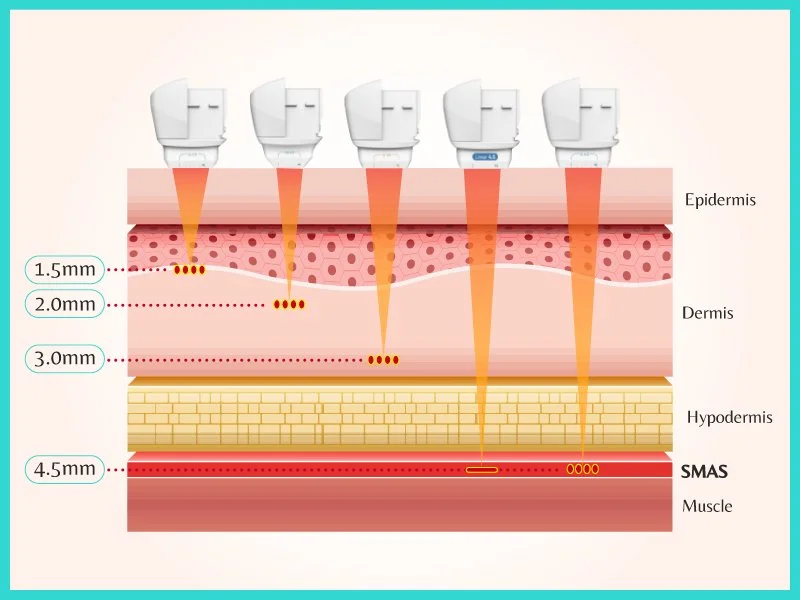
Certified HIFU cartridges are designed to deliver ultrasound energy at specific depths—typically 1.5 mm, 3.0 mm, and 4.5 mm—corresponding to different anatomical layers.
1.5 mm targets superficial dermal layers for skin tightening
3.0 mm reaches the deeper dermis to stimulate collagen
4.5 mm treats the SMAS layer for facial lifting and firming
Accurate depth control ensures each cartridge performs its function safely. Using certified cartridges prevents energy loss over time, supporting consistent, professional-level results.
Energy Settings and Treatment Parameters
How Energy Levels Directly Affect HIFU Treatment Results
Correct energy settings are crucial for achieving visible and long-lasting HIFU effects. Energy determines the thermal impact on the target tissue, directly influencing collagen denaturation and regeneration.
Too low: insufficient heat, minimal lifting
Too high: discomfort increases, tissue stress may occur without improved results
Professional protocols balance safety and efficacy, tailoring energy levels to the treatment area and patient condition.
Importance of Depth Selection and Line Density
Depth selection ensures energy reaches the correct skin layer for collagen remodeling. Line density, or the number of treatment lines per session, affects energy distribution. Proper coverage results in even lifting, while insufficient density may cause patchy results, and excessive stacking increases discomfort.
| Treatment Area | Recommended Depth | Purpose |
|---|---|---|
| Superficial dermis | 1.5 mm | Skin tightening |
| Deep dermis | 3.0 mm | Collagen stimulation & lifting |
| SMAS layer | 4.5 mm | Facial lifting & firming |
Customizing Parameters for Different Treatment Areas
Each facial or body area has unique tissue characteristics. Experienced practitioners adjust:
Energy levels based on skin laxity and fat thickness
Treatment depth according to structural support
Line placement and density for comfort and uniform results
This tailored approach enhances treatment effectiveness and patient satisfaction.
Practitioner Skill and Clinical Experience
Even with advanced HIFU devices, operator expertise is a decisive factor. Proper handpiece positioning, angle, and line placement directly influence energy delivery and collagen stimulation.
Understanding Facial Anatomy
A thorough knowledge of facial anatomy, including SMAS layer variations, skin thickness, and fat distribution, allows practitioners to:
Safely target key layers
Adapt treatment for different facial zones (jawline, cheeks, neck)
Achieve natural-looking lifting results
Training and Clinical Practice
Structured training programs and hands-on practice are essential. Clinics that invest in professional HIFU training achieve more reliable outcomes, reduce patient discomfort, and enhance trust.
Patient Selection and Skin Condition
Identifying Ideal Candidates for HIFU Treatment
HIFU works best for patients with mild to moderate skin laxity, realistic expectations, and early signs of aging. Proper selection improves treatment success and reduces dissatisfaction.
Impact of Skin Laxity, Age, and Tissue Structure
Skin condition plays a significant role in how the body responds to HIFU energy. Factors such as age, collagen density, and tissue elasticity influence the degree of lifting and tightening that can be achieved. Younger patients with better collagen reserves often experience faster and more noticeable improvement, while older patients may require combination treatments or multiple sessions.
The thickness of the fat layer and overall tissue structure also affect HIFU treatment effectiveness. Excessive fat or very thin tissue can limit energy penetration or reduce lifting efficiency, making individualized treatment planning essential for optimal results.
Managing Expectations for Different Skin Conditions
Clear communication is critical when treating patients with varying skin conditions. While HIFU can deliver visible lifting and long-term collagen regeneration, it is not a substitute for surgical procedures in cases of severe skin sagging. Educating patients about expected timelines and achievable results helps build trust and improve satisfaction.
Educating patients about achievable results, expected timelines, and limitations is critical to building trust and satisfaction.
Treatment Area and Cartridge Selection
Selecting the correct cartridge ensures ultrasound energy targets the intended layer for optimal collagen stimulation.
| Area | Recommended Cartridge | Notes |
|---|---|---|
| Face (cheeks, jawline) | 1.5–4.0 mm | Face lifting & tightening |
| Neck | 1.5–3.0 mm | Sensitive, thin skin; accuracy critical |
| Body (abdomen, thighs) | 4.5+ mm | Deeper tissue coverage; requires more energy |
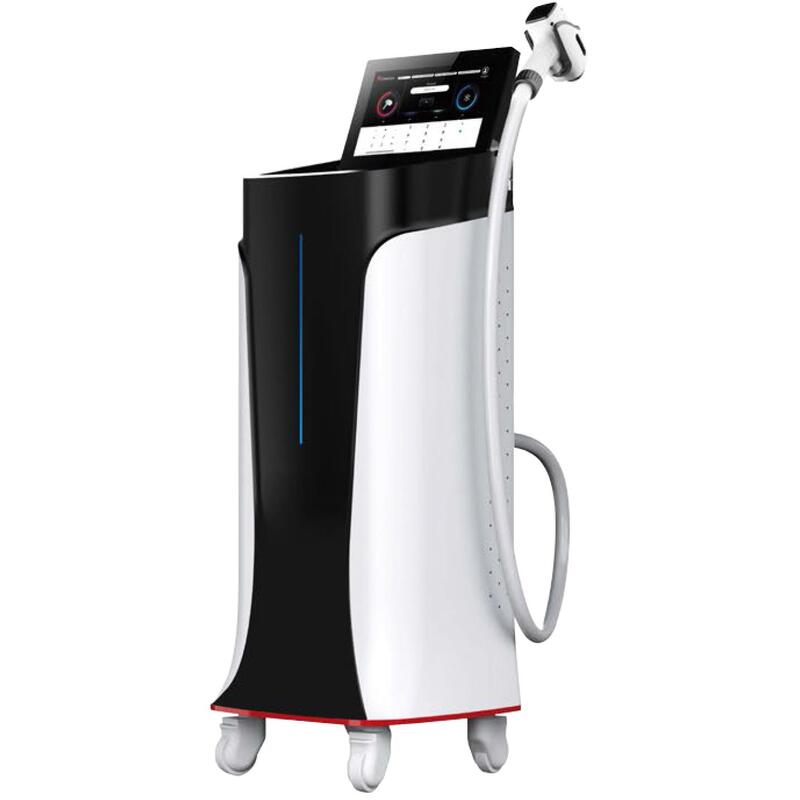
High-quality cartridges maintain stable energy output and predictable results, while low-quality or worn cartridges can compromise outcomes.
Treatment Protocol and Session Frequency
Single Session vs Multiple HIFU Treatments
Mild skin laxity may respond to a single session
Moderate to advanced laxity often requires multiple sessions with proper intervals for collagen remodeling
Importance of Proper Treatment Intervals
Collagen regeneration is a gradual biological process, and HIFU results continue to develop over several weeks to months. Performing treatments too frequently can interfere with tissue recovery and may reduce overall effectiveness. Most professional HIFU protocols recommend appropriate intervals to allow full collagen remodeling before repeating treatment.
Clinics that follow evidence-based session intervals achieve better long-term outcomes and maintain treatment safety. Proper scheduling also improves patient comfort and trust in the treatment process.
Avoiding Over-Treatment
More energy or sessions do not guarantee better results. Over-treatment increases discomfort and may reduce tissue responsiveness. Evidence-based protocols and session planning ensure safety and optimal lifting.
Post-Treatment Care and Patient Compliance
Proper aftercare supports collagen regeneration and stabilizes results. Patients should maintain:
Adequate hydration
Balanced diet and proper skincare
Sun protection and healthy lifestyle
Clinics providing clear guidance see higher patient satisfaction and more predictable outcomes.
Clinic Standards, Safety, and Results Consistency
Importance of Safety Certifications and Quality Control
High clinic standards and strict safety protocols are essential for delivering consistent HIFU treatment results. Clinics that use HIFU devices with CE or FDA certification ensure that treatments meet international safety and performance standards. Quality control measures, such as regular device maintenance and calibrated cartridges, further guarantee stable energy delivery and reduce the risk of adverse effects.
Maintaining high safety standards not only protects patients but also builds trust and credibility for the clinic, reinforcing its reputation as a professional aesthetic provider.
How Clinic Practices Affect Treatment Consistency
Consistent results depend on more than just device quality—it also relies on standardized clinical protocols. Clinics that follow systematic HIFU procedures, from patient assessment to treatment mapping and post-care instructions, are more likely to achieve predictable outcomes. Proper documentation and adherence to protocols ensure that treatments are reproducible across different practitioners and sessions.
Clinics with strong operational standards minimize variations in treatment quality, resulting in higher patient satisfaction and long-term loyalty.
Building Long-Term Patient Trust Through Professional Standards
Patients are more likely to return and recommend clinics that consistently deliver safe, effective, and predictable HIFU results. By combining certified devices, trained practitioners, and standardized clinical protocols, aesthetic clinics can maintain treatment consistency while maximizing patient confidence.
Investing in clinic standards, safety measures, and reliable treatment protocols ensures not only excellent HIFU results but also sustainable growth and credibility in the competitive aesthetic market.
Conclusion: How Clinics Can Maximize HIFU Treatment Results
Consistent HIFU results rely on high-quality devices, skilled practitioners, careful patient selection, and proper treatment protocols. Attention to post-care and patient compliance further enhances outcomes and longevity.
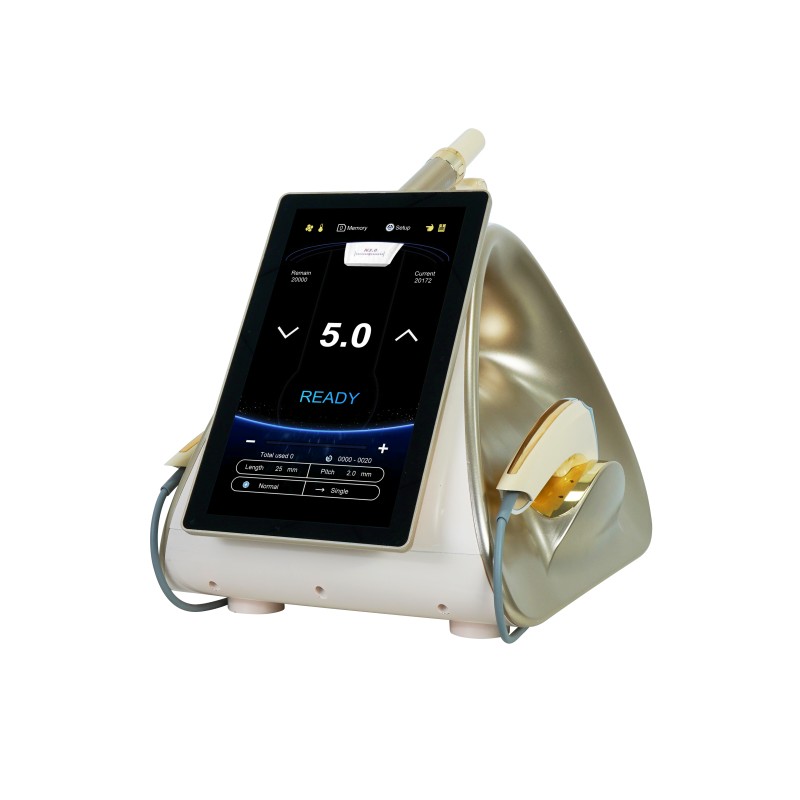
For aesthetic clinics seeking reliable and professional HIFU solutions, the Krysmed HIFU series offers professional devices with stable energy output, precise depth control, and certified cartridges for facial and body treatments. By combining reliable technology with professional clinical practice, aesthetic clinics can deliver predictable, safe, and effective HIFU outcomes, enhancing patient trust and clinic reputation.
Looking to add or upgrade a HIFU system in your clinic?
Discover Krysmed’s professional HIFU devices and see how the right technology can enhance your treatments, improve patient satisfaction, and maximize your ROI.
👉 Contact Krysmedtoday for pricing, detailed technical specifications, or a personalized recommendation tailored to your clinic’s needs.
FAQ: HIFU Treatment in Aesthetic Clinics
1. How long does it take to see results from HIFU?
Initial tightening may be visible within 2–4 weeks, but full collagen regeneration and optimal lifting typically appear after 2–3 months.
2. Is HIFU treatment painful?
HIFU is generally well-tolerated, though patients may feel mild tingling, warmth, or slight discomfort during the procedure. Pain levels vary depending on energy settings and treatment areas.
3. Who is an ideal candidate for HIFU?
HIFU works best for patients with mild to moderate skin laxity who want non-invasive lifting. It is less effective for severe sagging or very loose skin, which may require surgical intervention.
4. How many sessions are recommended?
For most patients, a single session delivers noticeable results. However, patients with advanced aging signs may benefit from multiple sessions spaced 8–12 weeks apart, depending on skin condition and treatment goals.
5. How important is practitioner skill for HIFU?
Practitioner expertise is critical. Accurate handpiece positioning, understanding facial anatomy, and correct parameter settings directly influence treatment effectiveness and safety.
6. Can post-treatment care affect results?
Yes. Proper hydration, skincare, and lifestyle habits support collagen regeneration. Following post-treatment instructions improves both the speed and longevity of HIFU results.
7. Why should clinics invest in high-quality HIFU devices?
Medical-grade HIFU systems, like the Krysmed HIFU series, offer stable energy output, precise depth control (1.5 mm, 3.0 mm, 4.5 mm), and certified cartridges. High-quality devices ensure predictable results, patient safety, and long-term clinic credibility.
8. Are HIFU results permanent?
HIFU stimulates collagen regeneration for long-lasting effects, but natural aging continues. Maintenance treatments may be recommended every 12–18 months to sustain optimal results.
 WhatsApp
 info@krysmed.com
 +86 19867944875