

News
15
Jul
How Fractional CO2 Laser Treatments Work: A Beginner-Friendly Guide for Clinics
Many clinics know that fractional CO2 laser treatments deliver impressive skin resurfacing results, but understanding how the technology works makes it much easier to explain treatments to patients and choose the right machine. In this beginner-friendly guide, we'll break down the treatment process, benefits, recovery, and what clinics should consider before investing in a fractional CO2 laser system.
1. What Are Fractional CO2 Laser Treatments?
Before offering or investing in fractional CO2 laser treatments, it's important to understand what the technology actually does. Once you know the basics, it becomes much easier to explain the treatment to patients and compare different laser systems.
A Simple Explanation Anyone Can Understand
Fractional CO2 laser treatments use a carbon dioxide laser to create thousands of tiny microscopic treatment zones in the skin instead of removing the entire surface. These small treatment columns trigger the skin's natural healing process and stimulate new collagen production, helping improve skin texture while leaving healthy surrounding tissue to speed up recovery.
How Fractional Technology Is Different from Traditional CO2 Laser Resurfacing
Traditional CO2 laser resurfacing removes the entire outer layer of skin in the treated area, which often delivers dramatic results but requires longer downtime and carries a higher risk of complications. Fractional CO2 laser treatments only treat a fraction of the skin at a time, allowing faster healing while still delivering noticeable improvements for scars, wrinkles, and overall skin quality.
Why Clinics Choose Fractional CO2 Lasers Instead of More Aggressive Resurfacing Methods
Many clinics prefer fractional CO2 laser treatments because they offer an excellent balance between visible results and manageable recovery time. Patients are more willing to accept a few days of downtime than several weeks, making the treatment easier to recommend and helping clinics attract a wider range of clients.
2. How Does a Fractional CO2 Laser Work?
Understanding how fractional CO2 laser treatments work helps clinics explain the procedure with confidence and set realistic expectations for patients. The science may sound complicated, but the basic process is actually easy to understand.
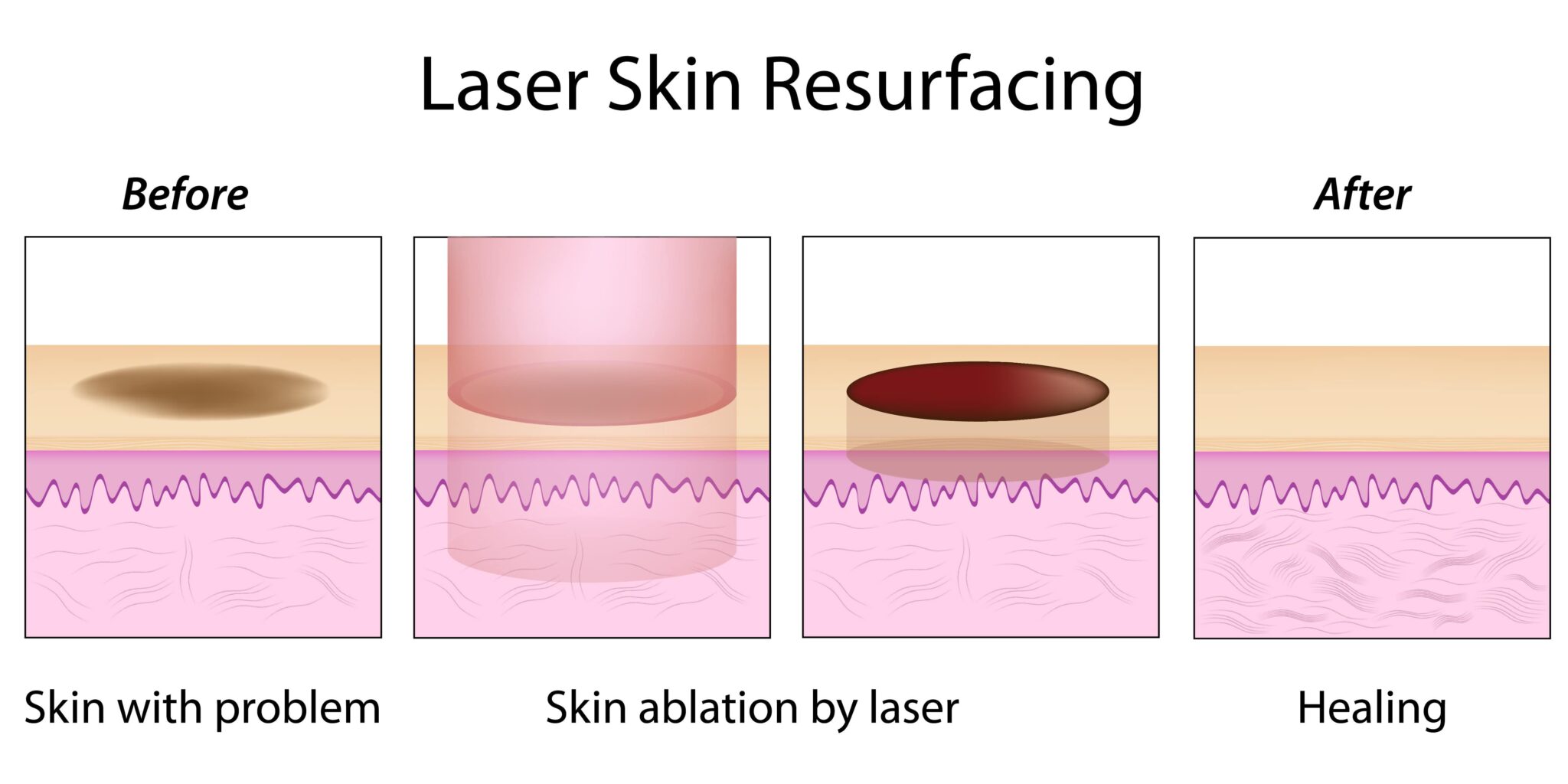
How the Laser Creates Microscopic Treatment Zones (MTZs)
A fractional CO2 laser delivers tiny columns of laser energy into the skin, creating thousands of microscopic treatment zones (MTZs) while leaving the surrounding tissue untouched. Because only a small percentage of the skin is treated at one time, the untreated areas help speed up healing and reduce downtime.
What Happens Inside the Skin After Treatment
Once these tiny treatment zones are created, the body immediately starts repairing the damaged tissue by producing new skin cells and rebuilding collagen. As the healing process continues over the following weeks, the skin gradually becomes smoother, healthier, and more even in appearance.
Why Collagen Remodeling Leads to Smoother and Firmer Skin
Collagen is the protein that gives skin its strength and elasticity, but it naturally decreases with age. Fractional CO2 laser treatments stimulate collagen remodeling, helping reduce wrinkles, soften acne scars, tighten the skin, and improve overall texture over time.
3. What Skin Concerns Can Fractional CO2 Laser Treatments Improve?
One reason fractional CO2 laser treatments remain popular is that they can address multiple skin concerns with a single technology. This versatility helps clinics expand their treatment menu without investing in separate devices for every indication.
Acne Scars and Surgical Scars
Fractional CO2 laser treatments are widely used to improve acne scars and certain surgical scars by stimulating collagen production beneath the skin. Over a series of treatments, scars often become smoother, shallower, and less noticeable.
Fine Lines, Wrinkles, and Photoaging
As collagen levels increase, the skin becomes firmer and fine lines gradually soften. This makes fractional CO2 laser treatments a popular option for patients looking to reduce wrinkles and reverse visible signs of sun damage and aging.
Enlarged Pores and Uneven Skin Texture
Patients with rough skin, enlarged pores, or uneven texture often notice smoother, more refined skin after treatment. The laser encourages new skin growth, helping create a more even and refreshed appearance.
Pigmentation and Sun-Damaged Skin (When Appropriate)
Fractional CO2 laser treatments can also improve certain types of pigmentation and sun-damaged skin by removing damaged surface layers and promoting healthier skin renewal. However, proper patient selection is important, as not every pigmentation concern or skin type is suitable for CO2 laser treatment.
| Skin Concern | How Fractional CO₂ Laser Helps | Typical Sessions | Downtime |
|---|---|---|---|
| Acne Scars | Stimulates collagen to smooth depressed scars | 3–5 | 5–7 days |
| Fine Lines & Wrinkles | Improves skin firmness and reduces visible wrinkles | 1–3 | 5–7 days |
| Large Pores | Refines skin texture and minimizes pore appearance | 2–4 | 3–5 days |
| Uneven Skin Texture | Promotes smoother and healthier-looking skin | 2–3 | 3–5 days |
| Sun Damage | Removes damaged skin and encourages skin renewal | 1–3 | 5–7 days |
| Selected Pigmentation | Improves certain pigmentation concerns after assessment | 2–4 | 5–7 days |
4. Who Is a Good Candidate for Fractional CO2 Laser Treatments?
Not every patient is the right fit for fractional CO2 laser treatments, and choosing suitable candidates is one of the keys to achieving safe, satisfying results. A proper consultation helps clinics reduce risks while improving patient confidence.
Skin Types That Usually Respond Well
Patients with acne scars, fine lines, wrinkles, enlarged pores, or sun-damaged skin often see excellent results from fractional CO2 laser treatments. In general, lighter skin tones tend to have a lower risk of post-inflammatory pigmentation, although treatment settings should always be customized.
Patients Who May Need Extra Caution or Alternative Treatments
Patients with very dark skin tones, active skin infections, open wounds, certain medical conditions, or a history of abnormal scar formation may require extra caution or a different treatment approach. In these cases, clinics should carefully assess the risks before recommending a fractional CO2 laser procedure.
Why Consultation and Skin Assessment Matter Before Treatment
A thorough consultation allows clinics to evaluate the patient's skin condition, treatment goals, medical history, and recovery expectations before starting treatment. This not only improves safety but also helps build trust and ensures patients understand the results that fractional CO2 laser treatments can realistically achieve.
5. What Happens During a Fractional CO2 Laser Treatment?
Many first-time patients ask what to expect during fractional CO2 laser treatments. When clinics clearly explain the process, patients feel more comfortable and are more likely to move forward with treatment.
Preparing the Patient Before Treatment
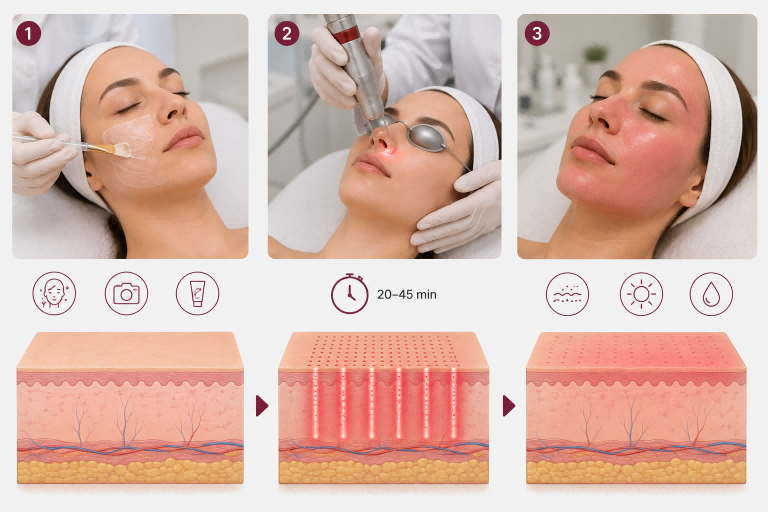
Before treatment, the skin is thoroughly cleansed, photos may be taken for comparison, and a topical numbing cream is usually applied to improve comfort. The practitioner also reviews the treatment plan and adjusts the laser settings based on the patient's skin type and concerns.
Step-by-Step Overview of a Typical Treatment Session
During the procedure, the practitioner moves the fractional CO2 laser handpiece across the treatment area in a controlled pattern, creating microscopic treatment zones in the skin. Most full-face treatments take around 20 to 45 minutes, depending on the size of the area and the treatment settings.
What Patients Usually Feel During the Procedure
Most patients describe the sensation as warmth with small pinprick or snapping feelings rather than severe pain, especially when numbing cream is used. After the session, the skin is usually red and warm, similar to a sunburn, which is a normal part of the healing process.
6. Fractional CO2 Laser Recovery Timeline: What Patients Should Expect
One of the biggest concerns patients have before fractional CO2 laser treatments is the recovery time. Setting clear expectations helps clinics improve patient satisfaction and reduce unnecessary follow-up questions.
The First 24 Hours After Treatment
During the first 24 hours, the skin is usually red, swollen, and feels warm, much like a moderate to severe sunburn. Applying a cold compress, using the recommended healing products, and avoiding heat can help keep patients comfortable.
Recovery During Days 2–7
From the second day onward, the redness gradually fades while the skin may become dry, rough, and start to flake as new skin forms underneath. Patients should avoid picking at peeling skin and continue following the recommended skincare routine to support healthy healing.
When Patients Can Return to Work, Makeup, and Normal Activities
Many patients feel comfortable returning to work within 3 to 7 days, depending on the treatment intensity and how quickly their skin heals. Makeup is usually safe once the skin surface has fully recovered, while direct sun exposure, swimming, and strenuous exercise should be avoided until healing is complete.
Essential Aftercare Tips for Better Healing and Results
Proper aftercare is just as important as the laser treatment itself for achieving the best results from fractional CO2 laser treatments. Clinics should remind patients to keep the skin moisturized, wear a broad-spectrum sunscreen every day, avoid harsh skincare products, and follow all post-treatment instructions carefully.
| Recovery Stage | What Patients May Experience | Recommended Care | Normal Activities |
|---|---|---|---|
| Day 1 | Redness, swelling, warmth, and mild burning sensation. | Use cold compresses, gentle moisturizer, and avoid heat. | Rest at home if possible. |
| Days 2–3 | Skin feels dry, rough, and begins forming tiny crusts. | Keep skin hydrated and never pick or scratch. | Light daily activities. |
| Days 4–7 | Peeling continues as new skin appears. | Continue moisturizer and apply SPF 30+ sunscreen daily. | Most patients return to work. |
| After 1 Week | Skin looks smoother with mild residual pinkness. | Resume normal skincare and maintain sun protection. | Makeup and normal routines are usually fine. |
| 1–6 Months | Collagen continues rebuilding beneath the skin. | Maintain good skincare and schedule follow-up if needed. | Results continue to improve naturally. |
7. What Results Can Clinics Expect from Fractional CO2 Laser Treatments?
Patients often ask when they'll see results and whether one session is enough. Setting realistic expectations for fractional CO2 laser treatments helps clinics build trust and improve patient satisfaction.
When Visible Improvements Usually Appear
Most patients notice smoother skin and a brighter complexion once the initial healing is complete, usually within one to two weeks. Collagen continues to rebuild over the next two to six months, so results often keep improving long after the treatment.
How Many Treatment Sessions Are Typically Recommended
The number of sessions depends on the skin concern, treatment goals, and laser settings used. Mild skin rejuvenation may only require one session, while deeper acne scars or more severe photoaging often benefit from a series of three to five fractional CO2 laser treatments.
How Long the Results Can Last with Proper Skincare
Results can last for several months to a few years, depending on the patient's age, lifestyle, sun exposure, and skincare routine. Daily sunscreen, good skincare habits, and occasional maintenance treatments help preserve the improvements for much longer.
8. Fractional CO2 Laser vs Other Skin Resurfacing Treatments
There are many skin resurfacing technologies on the market, and each has its own strengths. Understanding the differences helps clinics choose the right solution for their patients and business goals.
Fractional CO2 Laser vs RF Microneedling
Both treatments stimulate collagen production, but fractional CO2 laser treatments remove tiny columns of skin to improve surface texture and deeper scars, while RF microneedling delivers radiofrequency energy beneath the skin with less downtime. Clinics often choose CO2 lasers for acne scars and advanced resurfacing, while RF microneedling is popular for patients who want a quicker recovery.
Fractional CO2 Laser vs Erbium Laser
Erbium lasers are generally less aggressive than fractional CO2 lasers, making them a good option for mild wrinkles and superficial skin resurfacing with shorter downtime. Fractional CO2 laser treatments typically provide stronger results for deep wrinkles, acne scars, and more severe sun damage, although recovery is usually longer.
Fractional CO2 Laser vs Chemical Peels
Chemical peels improve the outer layers of the skin using acids, making them suitable for mild pigmentation, dull skin, and fine texture concerns. Fractional CO2 laser treatments reach deeper into the skin, making them a better choice for patients with acne scars, significant wrinkles, or advanced skin aging.
Which Option Makes the Most Sense for Different Clinics and Patients
There isn't a single treatment that's best for everyone—it depends on the patient's skin condition, downtime expectations, and treatment goals. For clinics looking to offer advanced skin resurfacing with high treatment value, fractional CO2 laser treatments remain one of the most versatile and in-demand options.
| Treatment | Best For | Downtime | Skin Penetration | Typical Results |
|---|---|---|---|---|
| Fractional CO₂ Laser | Acne scars, wrinkles, skin resurfacing, texture improvement | 5–7 days | Deep | Excellent collagen remodeling and visible resurfacing |
| RF Microneedling | Skin tightening, mild scars, enlarged pores | 1–3 days | Medium to Deep | Skin tightening with minimal downtime |
| Erbium Laser | Fine lines, superficial wrinkles, mild resurfacing | 3–5 days | Medium | Gentle resurfacing and faster recovery |
| Chemical Peel | Dull skin, pigmentation, uneven tone | 1–7 days | Superficial to Medium | Brighter skin and improved complexion |
9. What Should Clinics Consider Before Buying a Fractional CO2 Laser Machine?
Buying a fractional CO2 laser machine is a long-term investment, so looking beyond the price tag is essential. The right machine should deliver reliable treatments, minimize downtime, and support your clinic's growth for years to come.
Laser Tube Technology and System Stability
One of the first things to ask is what type of laser tube the machine uses, as this directly affects performance, lifespan, and maintenance costs. A stable laser output and high-quality components help ensure consistent treatment results and fewer service interruptions.
Treatment Modes, Software, and Clinical Flexibility
A good fractional CO2 laser machine should offer multiple treatment modes and adjustable parameters so clinics can treat different skin concerns and customize treatments for individual patients. User-friendly software also makes training easier and improves treatment efficiency.
Training, Technical Support, and Long-Term Maintenance
Even the best machine won't deliver great results without proper training and reliable after-sales support. Choose a manufacturer that provides clinical training, technical assistance, software updates, and fast access to spare parts whenever they're needed.
Why Choosing a Reliable Manufacturer Matters More Than the Lowest Price
A low-priced machine may save money upfront, but poor quality, limited support, and frequent repairs often cost much more in the long run. Working with an experienced manufacturer gives clinics greater confidence in product quality, ongoing support, and long-term business success.
| What to Evaluate | Why It Matters | What to Ask the Supplier |
|---|---|---|
| Laser Tube | Impacts stability, lifespan, and maintenance costs. | What laser source is used and how long does it last? |
| Treatment Modes | Determines the range of treatments your clinic can offer. | Which treatment modes are included? |
| Software | Improves ease of use and treatment efficiency. | Is the software easy to update and customize? |
| Training & Support | Helps staff operate the machine safely and confidently. | Is installation, training, and remote support included? |
| After-Sales Service | Reduces downtime if technical issues occur. | How quickly are spare parts and technical support provided? |
| Manufacturer Experience | Usually reflects product quality and long-term reliability. | How many years have you manufactured CO₂ laser systems? |
10. Common Mistakes Clinics Should Avoid with Fractional CO2 Laser Treatments
Even high-quality equipment can't guarantee great outcomes if it's used incorrectly. Avoiding these common mistakes helps clinics deliver safer fractional CO2 laser treatments, improve patient satisfaction, and protect their reputation.
Treating the Wrong Patient
Not every patient is an ideal candidate for fractional CO2 laser treatments, so skipping a proper consultation can increase the risk of complications and disappointing results. Always evaluate skin type, medical history, and treatment expectations before proceeding.
Using Aggressive Settings Too Early
Using high energy settings on the first treatment doesn't always produce better results and may increase downtime or the risk of side effects. It's often safer to start with conservative parameters and adjust future treatments based on the patient's response.
Ignoring Post-Treatment Care Instructions
Even a perfectly performed treatment can deliver poor results if patients don't follow aftercare instructions. Clinics should clearly explain how to protect the skin, stay out of the sun, and use the recommended skincare products during recovery.
Underestimating the Importance of Staff Training
Successful fractional CO2 laser treatments depend not only on the machine but also on the skills of the operator. Ongoing training helps staff choose the right treatment settings, handle different skin conditions confidently, and provide a better patient experience.
| Common Mistake | Potential Consequence | Best Practice |
|---|---|---|
| Treating the wrong patient | Higher risk of complications and unsatisfactory results. | Perform a thorough consultation and skin assessment before treatment. |
| Using aggressive settings too early | Increased downtime, discomfort, and risk of side effects. | Start with conservative settings and adjust based on patient response. |
| Ignoring aftercare instructions | Slower healing and reduced treatment results. | Provide clear written aftercare guidelines and follow up with patients. |
| Insufficient staff training | Inconsistent treatments and avoidable operator errors. | Invest in ongoing clinical training and manufacturer support. |
FAQ
How Do Fractional CO2 Laser Treatments Work?
Fractional CO2 laser treatments create thousands of tiny microscopic treatment zones in the skin while leaving surrounding tissue untouched. This stimulates the body's natural healing process and collagen production, leading to smoother, firmer, and healthier-looking skin over time.
Is Fractional CO2 Laser Treatment Painful?
Most patients experience mild to moderate discomfort rather than severe pain, especially when a topical numbing cream is used before treatment. Many describe the sensation as warmth combined with small pinpricks or snapping feelings.
How Long Does It Take to Recover from Fractional CO2 Laser Treatment?
Most patients need about 3 to 7 days for the initial healing, although redness can last longer depending on the treatment intensity. Complete collagen remodeling continues for several months after the procedure.
How Many Fractional CO2 Laser Sessions Are Needed?
The number of sessions depends on the patient's skin condition and treatment goals. Mild skin rejuvenation may only require one treatment, while acne scars and deeper wrinkles often respond best to three to five sessions.
Are Fractional CO2 Laser Treatments Safe for All Skin Types?
Fractional CO2 laser treatments are safe for many patients when performed by trained professionals, but they are not suitable for everyone. Patients with darker skin tones or certain skin conditions may require modified settings or alternative treatments to reduce the risk of pigmentation changes.
What Is the Difference Between Fractional CO2 Laser and RF Microneedling?
Both treatments stimulate collagen production, but fractional CO2 lasers resurface the skin by creating microscopic laser columns, while RF microneedling delivers radiofrequency energy beneath the skin through insulated needles. CO2 lasers are often preferred for deeper acne scars and advanced resurfacing, while RF microneedling usually involves less downtime.
How Long Do Fractional CO2 Laser Results Last?
Results can last from several months to a few years, depending on the patient's age, skincare routine, lifestyle, and sun exposure. Regular sunscreen use and maintenance treatments can help extend the benefits.
Is Fractional CO2 Laser Worth Adding to a Beauty Clinic?
For many clinics, the answer is yes because fractional CO2 laser treatments address multiple high-demand concerns, including acne scars, wrinkles, skin texture, and photoaging. With proper training, quality equipment, and good patient selection, they can become one of the most valuable and profitable treatments in a clinic's service portfolio.
Final Thoughts
Understanding how fractional CO2 laser treatments work is the first step toward delivering better patient outcomes and making smarter equipment decisions. Whether you're opening a new clinic or expanding your treatment menu, choosing the right technology, receiving proper training, and partnering with an experienced manufacturer will have a much bigger impact on your long-term success than simply choosing the lowest-priced machine.
Ready to Add Fractional CO2 Laser Treatments to Your Clinic?
If you're looking for a reliable fractional CO2 laser machine backed by expert training and long-term technical support, Krysmed Technology is here to help. With 15 years of manufacturing and export experience, OEM customization, strict quality control, and practical business support, we help clinics and distributors confidently introduce fractional CO2 laser treatments and grow a more profitable aesthetic business.
Our Contact
Ready to Elevate Your Business with Krysmed?
Let’s discuss your needs and find the best solution for your business. Our experts are here to provide personalized recommendations tailored to your business needs.
-
Call For Inquiry
-
Send Us Email
info@krysmed.com
Get A Custom Quote Now!
We value your privacy and guarantee a prompt, professional reply.
 WhatsApp
 info@krysmed.com
 +86 19867944875