

News
13
Jul
What Is a Fractional CO2 Laser? A Practical Guide for Beauty Clinics and Med Spas
Many beauty clinics and med spas know that skin rejuvenation treatments are in high demand, but choosing the right technology is not always easy. Clients want visible improvements for acne scars, fine lines, wrinkles, and uneven skin texture, while clinic owners need a treatment that delivers reliable results, good profitability, and long-term business value. This is where a fractional CO2 laser machine becomes an attractive option. However, before investing, it is important to understand what a fractional CO2 laser really does, how it works, what results clients can expect, and what features matter when selecting a professional system. In this guide, we will explain fractional CO2 laser technology from a practical clinic owner's perspective, helping you make a smarter decision and avoid common mistakes when choosing a skin resurfacing solution.
1. What Is a Fractional CO2 Laser and How Does It Work?
Before investing in a CO2 laser system, clinics need to understand how the technology works and why it has become a popular choice for advanced skin rejuvenation treatments.
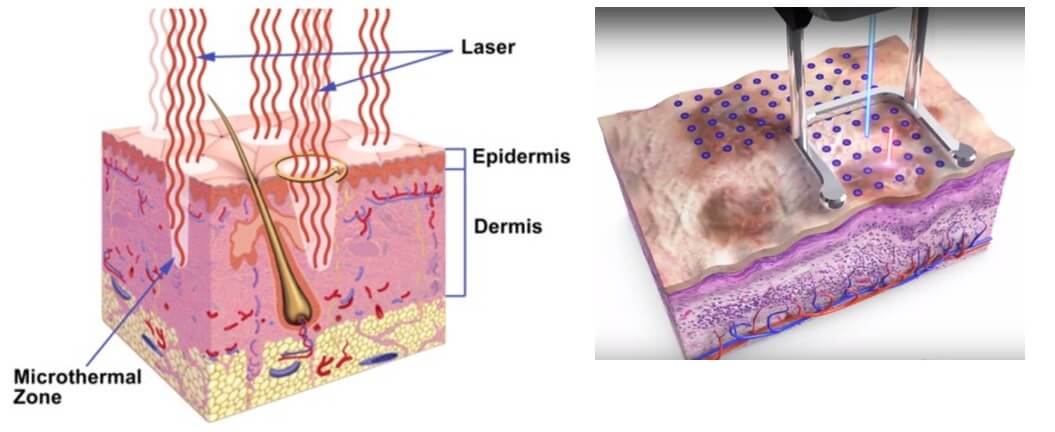
Fractional CO2 Laser Explained in Simple Words
A fractional CO2 laser is a skin resurfacing technology that uses laser energy to create thousands of tiny treatment columns in the skin instead of treating the entire surface area at once. Compared with traditional full-surface CO2 laser treatment, fractional technology leaves surrounding skin untreated, which helps support a more comfortable recovery process. For clinics choosing a fractional CO2 laser machine, this means offering stronger skin improvement while giving clients a more manageable treatment experience.
How CO2 Laser Energy Improves Skin Texture and Appearance
CO2 laser energy works by targeting water inside the skin cells, creating controlled thermal effects that trigger the body’s natural repair process. This controlled stimulation encourages collagen remodeling, helping improve skin quality over time. In aesthetic clinics, fractional CO2 laser treatments are commonly used for concerns such as acne scars, fine lines, wrinkles, enlarged pores, uneven skin texture, and overall skin rejuvenation.
What Makes Fractional CO2 Laser Different From Other Skin Resurfacing Treatments?
Compared with treatments like chemical peels, microneedling, RF microneedling, and non-ablative lasers, fractional CO2 laser offers a deeper skin resurfacing approach by combining controlled skin renewal with collagen stimulation. Many clients choose fractional CO2 laser because they are looking for more noticeable improvement in stubborn concerns such as scars, wrinkles, and uneven texture. For clinics, understanding these differences helps create better treatment recommendations based on each client’s needs and expectations.
2. What Problems Can a Fractional CO2 Laser Treat in Beauty Clinics?
A fractional CO2 laser can help clinics expand their skin rejuvenation services by addressing common concerns that many clients are actively looking to improve.
Acne Scars and Uneven Skin Texture
Acne scars and rough skin texture are among the most common reasons clients search for fractional CO2 laser treatments, especially when skincare products or lighter treatments cannot deliver the improvement they expect. By creating controlled micro-treatment zones in the skin, a fractional CO2 laser machine can support deeper skin renewal and help clinics provide solutions for clients who need more advanced scar and texture improvement.
Fine Lines, Wrinkles, and Skin Aging Concerns
As clients become more interested in non-surgical anti-aging solutions, fractional CO2 laser has become a popular option for improving fine lines, wrinkles, and overall skin quality through collagen remodeling. Clinics should set realistic expectations with clients, as results usually develop gradually and depend on factors such as skin condition, treatment parameters, and proper post-treatment care.
Enlarged Pores, Pigmentation, and Overall Skin Rejuvenation
Besides acne scars and wrinkles, fractional CO2 laser treatments are also used for concerns like enlarged pores, uneven skin tone, and general skin rejuvenation. However, successful outcomes are not only about the machine itself; the final results depend on choosing the right candidates, using suitable settings, and providing professional aftercare guidance.
3. What Should Clinics Know Before Buying a Fractional CO2 Laser Machine?
Choosing a fractional CO2 laser machine is not just about comparing prices; clinics need to look at the technology, reliability, and long-term support behind the equipment.
CO2 Laser Technology Matters: RF Tube vs Glass Tube Systems
When choosing a fractional CO2 laser machine, one important factor is the type of laser source used. RF tube CO2 lasers generally offer better energy stability, longer lifespan, lower maintenance needs, and more consistent treatment performance compared with traditional glass tube systems, which can directly affect the treatment experience and daily operation of a clinic.
Fractional CO2 Laser Machine Features That Actually Matter
A professional CO2 laser system should be evaluated by key factors such as laser source quality, energy stability, spot size, scanning options, treatment modes, cooling system, and software usability. Many buyers focus too much on the initial price, but a reliable fractional CO2 laser machine should also help reduce downtime, improve treatment consistency, and create better long-term value for the clinic.
Why Training and Technical Support Are Important for CO2 Laser Clinics
Buying the machine is only the first step; proper training and ongoing support are what help clinics use the technology safely and effectively. A reliable manufacturer should provide treatment training, parameter guidance, pre- and post-treatment instructions, and technical troubleshooting support to help clinic owners confidently deliver better results for their clients.
4. Fractional CO2 Laser Treatment: What Can Clients Expect?
For clinics offering fractional CO2 laser treatments, explaining the treatment process and recovery clearly helps clients feel more confident and improves their overall experience.
What Happens During a Fractional CO2 Laser Treatment Session?
A typical fractional CO2 laser treatment starts with a skin consultation to understand the client’s concerns, followed by skin preparation, laser application, and post-treatment cooling and care. When clinics explain each step clearly, clients can better understand what the fractional CO2 laser machine does and what they can expect during the procedure.
Fractional CO2 Laser Recovery Time: What Clinics Should Tell Clients
Recovery time after fractional CO2 laser treatment depends on the treatment intensity and individual skin condition, but clients usually experience redness and warmth within the first 24 hours, visible peeling or sensitivity during the first few days, and gradual skin improvement after about one week or longer. Setting realistic expectations about recovery helps improve client satisfaction and builds trust between clinics and their customers.
Fractional CO2 Laser Aftercare Tips for Better Results
Proper aftercare plays an important role in achieving good results after fractional CO2 laser treatment, including using sun protection, choosing gentle skincare products, avoiding skin irritation, and following the clinic’s professional instructions. A good clinic does not only provide the treatment but also guides clients through the recovery process to support safer and better outcomes.
5. Fractional CO2 Laser vs Other Popular Aesthetic Technologies
Understanding how fractional CO2 laser compares with other skin treatment technologies helps clinics choose the right equipment based on client needs and business goals.
Fractional CO2 Laser vs RF Microneedling: Which One Is Better for Clinics?
Both fractional CO2 laser and RF microneedling are popular skin rejuvenation treatments, but they work in different ways. RF microneedling uses controlled radiofrequency energy through tiny needles to stimulate collagen at different depths, while a fractional CO2 laser machine focuses on laser resurfacing and stronger skin renewal, making it popular for concerns like acne scars, deeper wrinkles, and uneven texture; many clinics choose to offer both technologies to cover a wider range of client needs.
Fractional CO2 Laser vs Fractional Non-Ablative Laser: Understanding the Difference
The main difference is that fractional CO2 laser is an ablative treatment, meaning it removes tiny columns of damaged skin to trigger renewal, while fractional non-ablative lasers heat the skin without removing the surface layer. Clinics should consider their target clients, treatment goals, and expected downtime when choosing between these technologies, as some clients prefer stronger results while others may prioritize shorter recovery.
Fractional CO2 Laser vs Traditional CO2 Laser: Why Fractional Technology Became More Popular
Traditional CO2 laser resurfacing treated the entire skin surface, which could lead to longer recovery and more downtime, while fractional CO2 laser technology created controlled treatment zones to improve the balance between results and recovery. This improvement has made fractional CO2 laser machines a more practical choice for many modern beauty clinics and med spas looking to provide effective skin rejuvenation with a better client experience.
6. How to Choose a Reliable Fractional CO2 Laser Machine Supplier
Choosing the right supplier is just as important as choosing the machine itself, because long-term support directly affects treatment quality and clinic growth.
Check the Manufacturer’s Experience and Export Background
For clinics and distributors, working with an experienced fractional CO2 laser machine manufacturer can reduce many risks during purchasing and daily operation. Before making a decision, buyers should look at factors such as years of industry experience, global customers, technical knowledge, production capability, and whether the supplier truly understands the needs of aesthetic businesses.
Ask About Training, Warranty, and Long-Term Support
A reliable supplier should provide more than just equipment; they should support customers with installation guidance, operator training, marketing materials, and ongoing technical assistance. Proper training helps clinics use the fractional CO2 laser machine correctly, improve treatment confidence, and avoid problems caused by incorrect operation.
Do Not Choose a CO2 Laser Machine Only Based on Price
The cheapest CO2 laser machine is not always the best investment, as low-cost equipment may come with unstable performance, limited training, or difficult maintenance issues later. Smart buyers should focus on long-term value, including machine reliability, supplier support, treatment results, and the ability to grow their clinic business over time.
7. Is a Fractional CO2 Laser Machine a Good Investment for Your Clinic?
For many beauty clinics and med spas, a fractional CO2 laser machine is not only a treatment device but also a tool to expand services, attract new clients, and create long-term business value.
How Fractional CO2 Laser Can Help Clinics Increase Treatment Revenue
Adding a fractional CO2 laser machine to your service menu can help clinics offer premium skin rejuvenation treatments with higher treatment value compared with basic skincare services. It can also create more business opportunities through new client acquisition, repeat treatments, and additional skincare programs that improve overall customer retention.
Who Is the Ideal Client for Fractional CO2 Laser Treatments?
The ideal clients for fractional CO2 laser treatments usually include people looking for solutions for acne scars, signs of aging, uneven skin texture, enlarged pores, and overall skin improvement. Understanding these customer groups helps clinics better position their services and identify new market opportunities instead of simply waiting for clients to ask about the treatment.
Why Fractional CO2 Laser Training Is Essential for Treatment Success
A high-quality machine alone does not guarantee good results; correct treatment settings, proper client assessment, and professional operation all play important roles in treatment safety and effectiveness. For clinics investing in a fractional CO2 laser machine, comprehensive training should be considered part of the investment, helping operators build confidence and deliver more consistent outcomes.
8. FAQ About Fractional CO2 Laser
These are some of the most common questions clinics, distributors, and clients ask before choosing or receiving fractional CO2 laser treatments.
What Is a Fractional CO2 Laser Used For?
A fractional CO2 laser is mainly used for skin resurfacing and rejuvenation, helping improve concerns such as acne scars, fine lines, wrinkles, enlarged pores, uneven skin texture, and overall skin quality. Many beauty clinics and med spas choose a fractional CO2 laser machine because it can provide a more advanced solution for clients who need deeper skin improvement.
Is Fractional CO2 Laser Painful?
Most clients describe fractional CO2 laser treatment as a warm or tingling sensation, and clinics usually apply topical numbing cream before treatment to improve comfort. The actual experience depends on the treatment settings, individual sensitivity, and how well the operator manages the procedure.
How Long Does It Take to Recover From Fractional CO2 Laser?
Recovery after fractional CO2 laser treatment varies depending on the treatment intensity and the client’s skin condition, but many clients experience redness and swelling in the first few days, followed by gradual skin recovery over the following week or longer. Clear communication about recovery time helps clinics build trust and avoid unrealistic expectations.
How Many Sessions of Fractional CO2 Laser Are Needed?
The number of fractional CO2 laser sessions depends on the client’s skin concerns, treatment goals, and how their skin responds to the procedure. Some clients may see improvement after one session, while deeper concerns such as acne scars or significant texture issues may require a customized treatment plan with multiple sessions.
Is Fractional CO2 Laser Safe for All Skin Types?
Fractional CO2 laser can be suitable for many skin types when proper assessment and treatment settings are used, but it is important for trained professionals to evaluate each client before treatment. Factors such as skin tone, sensitivity, medical history, and aftercare compliance should all be considered to achieve safer and better results.
How Much Does a Fractional CO2 Laser Machine Cost?
The price of a fractional CO2 laser machine can vary depending on factors such as laser technology, machine configuration, manufacturer experience, and the level of training and technical support included. For clinics and distributors, the lowest price is not always the best choice, as reliability, service support, and long-term value are equally important.
What Should I Look for When Buying a Fractional CO2 Laser Machine?
When choosing a fractional CO2 laser machine, buyers should consider the laser source quality, treatment stability, available functions, supplier experience, training support, warranty, and after-sales service. A reliable manufacturer should help customers choose a suitable system based on their business goals instead of simply selling a machine.
Final Thoughts
A fractional CO2 laser machine is more than just an aesthetic device; it is a long-term investment that can help beauty clinics and med spas expand their treatment options, attract higher-value clients, and build stronger revenue streams. However, the success of this technology depends not only on the machine itself but also on choosing the right supplier, receiving professional training, and understanding how to match treatments with client needs. For clinics and distributors, working with an experienced fractional CO2 laser machine manufacturer can make the difference between simply owning equipment and building a successful skin rejuvenation business.
Ready to Add Fractional CO2 Laser Technology to Your Clinic?
At Krysmed Technology, we understand that buying a fractional CO2 laser machine is not just about purchasing equipment — it is about finding a reliable technology partner who can support your business growth. With 15 years of experience in aesthetic equipment manufacturing and export, we provide professional training, OEM customization, strict quality control, and long-term technical support to help clinics and distributors deliver better treatments and grow their business with confidence. Contact Krysmed today to learn how our CO2 laser solutions can fit your clinic’s needs.
Our Contact
Ready to Elevate Your Business with Krysmed?
Let’s discuss your needs and find the best solution for your business. Our experts are here to provide personalized recommendations tailored to your business needs.
-
Call For Inquiry
-
Send Us Email
info@krysmed.com
Get A Custom Quote Now!
We value your privacy and guarantee a prompt, professional reply.
 WhatsApp
 info@krysmed.com
 +86 19867944875