

News
22
Jan
How Multi-Spectrum Imaging Improves Accuracy in Skin Analysis
Accurate skin analysis is essential for effective aesthetic treatments, yet visual assessment and single-light imaging often miss deeper skin conditions. Multi-spectrum imaging reveals both surface and subsurface information, providing higher diagnostic accuracy in modern professional skin analysis.
1. What Is Multi-Spectrum Imaging in Skin Analysis?
Multi-spectrum imaging is an advanced technology used in professional skin analysis systems to capture skin information under multiple wavelengths of light. By revealing both surface and subsurface conditions, it improves the accuracy of skin diagnosis and provides a more precise foundation for personalized treatment planning in modern professional skin analysis.
Beyond Standard Photography
Standard visual assessment and visible light imaging mainly show surface tone and texture, offering limited insight into deeper skin conditions. Hidden pigmentation, vascular changes, and early inflammation are often missed, reducing diagnostic reliability. Multi-spectrum imaging expands diagnostic depth and significantly enhances the precision of advanced skin analysis.
2. Key Spectrums Used in Professional Skin Analysis Systems
Professional skin analysis systems use multiple light modes, including RGB, UV, polarized, and thermal mapping, to see beneath the skin’s surface. This professional skin analysis system transforms invisible concerns into clear, measurable data, helping clinics provide precise, personalized treatments and build client trust.
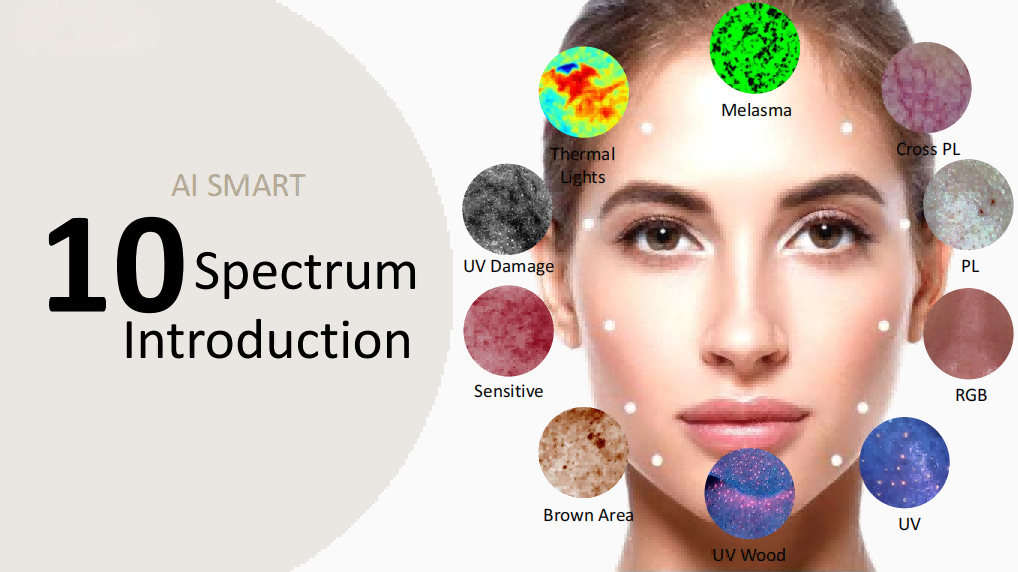
Surface Light – Texture and Radiance
High-resolution visible light highlights skin tone, texture, wrinkles, and pores, providing a clear baseline for designing effective aesthetic treatments in professional skin analysis.
UV Light – Hidden Pigmentation
UV imaging penetrates deeper layers to reveal sun damage, latent pigmentation, and early aging signs that are invisible to the naked eye, enabling clinics to plan targeted anti-aging and corrective care using multi-spectrum skin imaging.
Redness and Vascular Light – Sensitive Areas
Polarized and specialized vascular light modes identify redness, inflammation, and sensitive zones. This allows treatments such as laser, IPL, or RF to be applied safely and effectively, improving precision in advanced skin analysis systems.
Sebum and Acne Light – Risk Zones
Blue light imaging shows sebum distribution and acne-prone areas, allowing practitioners to customize skincare and preventive treatments. Detecting these zones enhances treatment accuracy and client satisfaction with professional skin analysis.
3. What Multi-Spectrum Imaging Reveals That Single-Light Systems Miss
While traditional single-light systems capture only surface tone and texture, multi-spectrum imaging uncovers hidden conditions beneath the skin, giving clinics a more complete view for precise and personalized treatment planning. By revealing subclinical changes, practitioners can intervene early, optimize results, and reduce the risk of treatment errors.
Early Pigmentation and Subclinical Damage
Multi-spectrum imaging detects pigmentation changes and skin damage that are invisible to the naked eye. By identifying these early signs, clinics can provide timely interventions with anti-aging or corrective treatments, improving overall outcomes and client satisfaction in professional skin analysis.
Differentiating Redness Causes: Vascular vs Inflammatory
Redness can result from vascular issues, inflammation, or sensitivity. Multi-spectrum systems allow practitioners to distinguish between these causes, ensuring that treatments such as IPL, laser, or repair therapies are applied accurately, preventing misdiagnosis and enhancing the precision of advanced skin analysis systems.
Mapping Sebum and Acne Risk Zones
Blue light and other specialized modes reveal sebum distribution and acne-prone areas, enabling clinics to design individualized skincare programs and treatment courses. By targeting these risk zones, practitioners can improve treatment efficiency, maintain skin health, and maximize the value of professional skin analysis.
| Focus Area | What Multi-Spectrum Imaging Reveals | Clinical Benefit |
|---|---|---|
| Early Pigmentation and Subclinical Damage | Detects pigmentation changes and skin damage invisible to the naked eye | Enables timely anti-aging or corrective treatments, improving outcomes and client satisfaction |
| Redness Causes: Vascular vs Inflammatory | Differentiates between vascular issues, inflammation, or sensitivity | Ensures accurate IPL, laser, or repair treatments, preventing misdiagnosis |
| Sebum and Acne Risk Zones | Maps sebum distribution and acne-prone areas | Guides individualized skincare programs and treatment courses, improving efficiency and maintaining skin health |
4. Clinical Benefits of Multi-Spectrum Skin Analysis
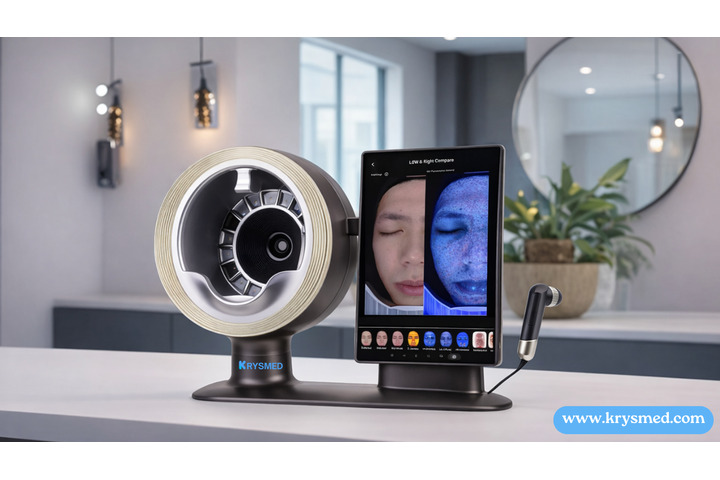
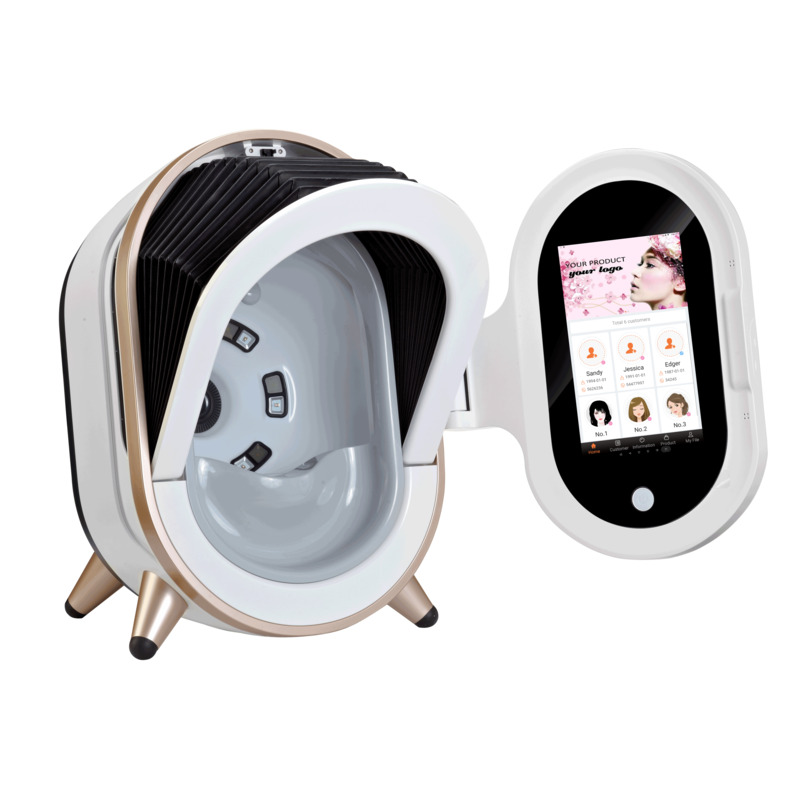
Advanced multi-spectrum skin analysis systems, like the DermaScan AI 2 in 1 Skin & Hair Analyzer, provide clinics with a clear, objective view of the skin, enabling more accurate diagnosis and personalized treatment planning. By capturing both surface and subsurface conditions, practitioners can address concerns early and improve overall treatment outcomes.
More Accurate Treatment Planning
Multi-spectrum imaging reveals hidden pigmentation, vascular changes, and subclinical aging signs that standard assessments may miss. This information allows clinics to select the most appropriate treatments, optimizing results and increasing the effectiveness of aesthetic procedures.
Objective Before-and-After Comparisons
Detailed imaging data provides an objective baseline for monitoring progress and evaluating treatment effectiveness. Clients can clearly see improvements over time, enhancing trust and satisfaction while demonstrating the value of professional skin analysis systems.
Personalized Skincare Programs
By understanding the full scope of each client’s skin health, practitioners can design tailored skincare and maintenance programs. Multi-spectrum analysis ensures treatments are targeted and efficient, improving client retention and long-term clinic success.
5. Multi-Spectrum Imaging and AI: From Imaging to Interpretation
The integration of AI with multi-spectrum skin imaging transforms raw data into actionable insights for clinics. By combining high-resolution imaging with intelligent algorithms, professional skin analysis systems can automatically detect, quantify, and interpret complex skin conditions, improving accuracy and efficiency.
How AI Processes Multi-Layer Skin Data
AI analyzes data from multiple wavelengths to identify pigmentation, vascular patterns, texture irregularities, and other subclinical conditions. Automated recognition and quantitative analysis allow clinics to understand skin health at a depth that manual assessment cannot achieve, enhancing the precision of professional skin analysis.
Turning Imaging Data into Actionable Treatment Insights
Beyond detection, AI interprets the imaging results into clear reports and practical recommendations. Practitioners can use these insights to design personalized treatment plans, select the most effective devices, and provide evidence-based care, maximizing the effectiveness of multi-spectrum skin analysis systems.
Reducing Operator Dependency in Skin Diagnosis
AI-driven interpretation reduces reliance on operator experience, making advanced skin analysis accessible even to less experienced staff. Standardized workflows and automated analysis ensure consistent results, increase clinic efficiency, and maintain high-quality patient care.
| AI Feature | Function | Clinical Benefit |
|---|---|---|
| How AI Processes Multi-Layer Skin Data | Analyzes data from multiple wavelengths to detect pigmentation, vascular patterns, texture irregularities, and subclinical conditions | Provides deep insight into skin health that manual assessment cannot achieve, enhancing diagnostic precision |
| Turning Imaging Data into Actionable Treatment Insights | Interprets imaging results into clear reports and practical recommendations for treatment planning | Helps practitioners design personalized treatment plans and select the most effective devices, improving treatment outcomes |
| Reducing Operator Dependency in Skin Diagnosis | Automates analysis and standardizes workflows, minimizing reliance on operator experience | Ensures consistent results, increases clinic efficiency, and makes advanced skin analysis accessible to all staff levels |
6. Choosing a Skin Analyzer with True Multi-Spectrum Capability
Selecting the right multi-spectrum skin analysis system is crucial for clinics that want reliable, accurate, and clinically meaningful results. A professional device not only provides detailed imaging but also supports long-term treatment planning, client communication, and operational efficiency.
3D Imaging and Aging Simulation
Systems combine multi-spectrum imaging with 3D modeling to visualize skin volume, wrinkles, and structural changes. Aging simulation allows clients to see predicted treatment outcomes, helping practitioners design personalized interventions and enhancing the value of professional skin analysis systems.
Image Quality, Calibration, and Repeatability
High-resolution images, proper calibration, and repeatable results are essential for consistent diagnostics. Reliable imaging allows clinics to compare before-and-after treatments accurately and make confident decisions, reinforcing the benefits of advanced skin analysis systems.
Software Analysis and Reporting Functions
Intelligent software that produces clear, professional reports adds immense value. Automated analysis and visually interpretable data enhance client communication, build trust, and help practitioners explain treatment rationale effectively using multi-spectrum skin imaging.
Integration with Treatment Devices and Workflow
A system that integrates smoothly with other treatment devices and the clinic workflow maximizes efficiency. From consultation to treatment follow-up, a well-connected analyzer ensures that imaging guides every step, improving outcomes and operational management in modern professional skin analysis.
7. Conclusion
Multi-spectrum imaging is not just a technological upgrade—it represents a fundamental shift in professional skin analysis, transforming diagnosis from surface-level estimation to precise, data-driven insight. By revealing hidden pigmentation, vascular patterns, sebum distribution, and early aging signs, it elevates treatment accuracy, strengthens client trust, and maximizes long-term clinic value, setting a new standard for modern aesthetic care.
Ready to Transform Your Clinic with Skin Analysis?
Elevate your treatments, gain precise insights, and build client trust with DermaScan AI 2 in 1 Skin & Hair Analyzer. Contact Krysmed today to start delivering better results and personalized care.
FAQ
Q1: What is multi-spectrum skin analysis?
A1: Multi-spectrum skin analysis uses multiple wavelengths of light to capture both surface and subsurface skin conditions, revealing hidden pigmentation, vascular patterns, texture irregularities, sebum distribution, and early aging signs.
Q2: How does it differ from traditional single-light analysis?
A2: Unlike single-light systems that show only surface tone and texture, multi-spectrum imaging provides a layered view of the skin, allowing more accurate diagnosis and personalized treatment planning.
Q3: What skin concerns can multi-spectrum analysis detect?
A3: It can identify pigmentation irregularities, vascular issues, inflammation, acne-prone zones, early signs of aging, pore size, and overall skin texture.
Q4: How does skin analysis help improve treatment outcomes?
A4: By revealing underlying conditions invisible to the naked eye, it allows practitioners to design precise, data-driven treatment plans, reducing risk and increasing effectiveness.
Q5: Why is multi-spectrum imaging important for professional skin analysis?
A5: It elevates diagnosis from visual estimation to objective assessment, providing reliable insights for treatment decisions, improving client trust, and enhancing long-term skin health management.
Q6: Can skin analysis track skin changes over time?
A6: Yes. Multi-spectrum imaging provides quantitative data that can be compared over multiple sessions, allowing clinics to monitor progress and evaluate treatment effectiveness objectively.
Our Contact
Ready to Elevate Your Business with Krysmed?
Let’s discuss your needs and find the best solution for your business. Our experts are here to provide personalized recommendations tailored to your business needs.
-
Call For Inquiry
-
Send Us Email
info@krysmed.com
Get A Custom Quote Now!
We value your privacy and guarantee a prompt, professional reply.
 WhatsApp
 info@krysmed.com
 +86 19867944875