

News

September 02, 2026

How a New Clinic Introduced Skin Analysis in Its First 30 Days
Opening a new clinic already means dealing with staff training, client consultations, treatment planning, and a long list of daily tasks, so adding a new skin analysis machine can easily become just another piece of equipment sitting in the corner. The real challenge is not buying an AI skin analysis system, but making skin analysis for clinics simple enough for your team to use and useful enough for clients to understand—helping turn skin concerns into clearer treatment conversations, more personalized recommendations, and better follow-up. This article looks at how a new clinic introduced professional skin analysis in its first 30 days and the practical steps that helped make it part of the everyday client journey.
Key Takeaways
Introduce a skin analysis machine as part of the consultation workflow, not simply as another piece of equipment in the treatment room.
Train staff to focus on 2–3 meaningful findings and explain them in plain language instead of walking clients through every number on the report.
Use skin analysis to connect client concerns → treatment priorities → follow-up, while keeping professional judgment at the center of the process.
Treat the first scan as a baseline and use suitable follow-up scans to track progress rather than scanning clients unnecessarily.
Measure the first 30 days through staff adoption, consultation quality, follow-up activity, and client engagement before judging the machine purely by revenue or ROI.
Why the Clinic Added Skin Analysis From Day One
The clinic already had treatment options, but the team needed a better way to structure the first consultation. Instead of using skin analysis as a fancy add-on, they treated it as the starting point for a more organized client conversation.
The Problem Was Not Lack of Treatments
New clinics often have the opposite problem: too many services and not enough structure around how to recommend them. A skin analysis machine gives the team a starting point, so the conversation can move from “What treatment do you want?” to “What are we actually seeing, and what are you hoping to improve?”
Clients Wanted Something They Could See
Clients may say they have dull skin, large pores, pigmentation, or wrinkles, but those descriptions can mean different things to different people. Showing selected images or analysis results makes the conversation more concrete and can help clients understand why a particular treatment or home-care plan has been suggested.
The Goal Was Not to Sell More
The first-month goal was not to push every client into a package. The team focused on making consultations more consistent, because trust is easier to build when a professional skin analyzer supports the conversation instead of replacing it.
The First-Month Target
| Area | First-Month Goal |
|---|---|
| Equipment | Get the skin analysis machine fully operational |
| Staff | Make every assigned staff member comfortable with the basic workflow |
| Consultation | Create one repeatable consultation process |
| Clients | Help clients understand 2–3 key skin concerns |
| Follow-up | Establish a baseline for future comparison |
| Business | Start collecting useful operating data |
Week 1: Build the Basic Workflow
The first week was about keeping things simple. Instead of creating a huge SOP that nobody wanted to use, the clinic built one basic flow and tested it with real consultations.
Start With One Consultation Flow
The clinic used a straightforward sequence: Welcome → Skin Analysis → Explain Results → Understand Client Goals → Treatment Plan → Follow-Up. This gave staff a clear path without making the consultation feel scripted.
Decide Who Should Run the Scan
Someone needs to own the process, whether that is a therapist, aesthetic consultant, nurse, or another trained team member. The important thing is consistency: the same person or role should know how to prepare the client, capture images correctly, and explain the basic report.
Create a “Do Not Over-Explain” Rule
One of the easiest mistakes is trying to explain every score on an AI skin analysis report. The clinic instead asked staff to choose two or three relevant findings and explain those in plain language.
Train for Interpretation, Not Just Operation
Knowing which button to press is not enough. Staff training should cover image capture, report reading, client communication, limitations of the analysis, and when a result should be discussed with an appropriately qualified professional rather than treated as a diagnosis.
Week 2: Turn Scan Results Into a Consultation
The second week was when the equipment started becoming part of the actual client experience. The clinic stopped treating the report as a technical document and started using it as a conversation tool.
Stop Reading the Report Like a Scorecard
A client does not need a staff member to read out ten different numbers. A better approach is to turn the report into a short story: “Here are the two areas we should focus on first, and here is why.”
Find the Client’s Main Concern First
The machine may highlight pigmentation while the client is mainly worried about acne or skin texture. Skin analysis for clinics works better when the technology supports the client’s goals rather than deciding the priorities on its own.
Separate “Treat Now” From “Monitor”
Not every visible concern needs an immediate treatment recommendation. Creating three simple categories—Treat Now, Improve Later, Monitor—helps staff avoid turning every scan into a sales pitch.
Example Consultation Framework
| Scan Finding | Client Concern | Discussion | Next Step |
|---|---|---|---|
| Pigmentation | Uneven skin tone | Explain visible areas and relevant factors | Treatment + home care |
| Enlarged pores | Rough texture | Discuss texture and sebum management | Treatment plan |
| Fine lines | Aging concerns | Discuss current condition and goals | Rejuvenation plan |
| Mild redness | Sensitivity concern | Avoid over-promising | Monitor + appropriate care |
| Little change | Maintenance | Explain that no urgent intervention is needed | Routine maintenance |
Week 3: Connect Skin Analysis With Treatment Planning
By week three, the clinic had enough practical experience to connect analysis results with its service menu. The key was not to create a different treatment for every possible skin concern, but to build a few clear pathways.
Build Three Simple Treatment Paths
A simple framework could be Correct → Maintain → Monitor. This makes it easier for staff to turn analysis results into a treatment conversation without memorizing dozens of combinations.
Use Analysis Before Package Recommendations
The clinic discussed the skin condition first and the package second. When a package is presented as part of a logical treatment plan rather than the opening sales message, the conversation usually feels much more natural.
Know When Not to Recommend a Treatment
One of the strongest trust-building moments can be telling a client that they do not need to add another service right now. A professional skin analyzer should help the team make better decisions, including deciding when the right answer is to monitor the situation.
Keep Treatment Recommendations Easy to Understand
| Client Situation | Better Conversation | What to Avoid |
|---|---|---|
| One clear concern | Focus on the main priority | Listing every service |
| Multiple concerns | Prioritize the first issue | Trying to treat everything at once |
| Mild concern | Explain and monitor | Creating urgency |
| Client unsure | Show the analysis and discuss goals | Pushing a package immediately |
| Follow-up client | Compare changes | Starting the consultation from zero |
Week 4: Make Skin Analysis Part of the Client Journey
The final week was about moving from “we have a machine” to “this is how we work.” The clinic started using analysis results before, during, and after treatments.
Use the First Scan as a Baseline
The first scan is most useful when it gives the team a reference point for future comparisons. Instead of presenting it as a final judgment on the client’s skin, the clinic treated it as a starting snapshot.
Bring the Report Back at Follow-Up
Asking “Do you think your skin is better?” gives a very subjective answer. Comparing suitable images or reports can make follow-up conversations more concrete, although results should still be interpreted carefully and not presented as guaranteed outcomes.
Create a Simple Re-Scan Schedule
Clients do not necessarily need a new analysis every time they visit. The better approach is to decide when another scan actually helps answer a question—for example, after a planned treatment cycle or when reviewing a longer-term skincare routine.
The 30-Day Skin Analysis Workflow
A simple workflow keeps the technology useful without adding unnecessary work to the front desk or treatment room.
The Basic Flow
| Step | What Happens |
|---|---|
| 1 | New client books an initial consultation |
| 2 | Run the skin analysis scan |
| 3 | Choose the 2–3 findings worth discussing |
| 4 | Compare results with the client’s own goals |
| 5 | Agree on a treatment or home-care plan |
| 6 | Record the scan as the client’s baseline |
| 7 | Follow up as planned |
| 8 | Re-scan when it answers a real question |
This flow matters more than the number of features on the machine because it tells the team exactly when skin analysis should happen and what should happen next.
What the Clinic Learned After 30 Days
The first month usually reveals a simple truth: the technology itself is rarely the hardest part. The real work is getting people to use it consistently and turning the results into a natural part of the client conversation.
The Machine Was Not the Hard Part
The clinic could learn the basic operation of a professional skin analysis machine relatively quickly. What took more practice was deciding what to show clients, how to explain findings, and how to connect those findings to the clinic’s actual services.
Shorter Reports Can Be More Useful
A complete report may contain plenty of information, but a consultation does not need to cover every detail. A focused explanation of the most relevant findings often works better than overwhelming the client with data.
Track Behavior Before Revenue
In the first month, the clinic tracked process metrics before making big conclusions about ROI. This helped identify whether the problem was the equipment, staff adoption, consultation flow, or simply not having enough opportunities to use the system.
A Better First-Month Dashboard
| Metric | What It Tells You |
|---|---|
| Total consultations | How many opportunities you had |
| Skin analyses completed | Whether staff are actually using the system |
| Analysis-based consultations | How often results shaped the conversation |
| Treatment plans created | Whether analysis is connected to recommendations |
| Follow-up bookings | Whether the process continues beyond the first visit |
| Re-scans completed | Whether the clinic is using analysis for progress tracking |
| Average consultation time | Whether the workflow is practical |
Common Mistakes New Clinics Should Avoid
A new skin analysis machine can add real value, but only when the team avoids turning it into another complicated task or an aggressive sales tool.
Showing Every Number
More information does not automatically mean more value. Clients usually need a clear explanation of the few findings that matter most to their current concerns.
Letting the Machine Decide the Treatment
An analysis system can provide imaging and data, but it should not be presented as a replacement for professional assessment or clinical judgment. Treatment recommendations should consider the client’s goals, relevant history, suitability, and the scope of practice involved.
Using Skin Analysis as a Sales Pitch
Clients can quickly sense when a scan is being used mainly to justify a package. The stronger approach is to show the relevant findings first and let the treatment recommendation follow naturally from the consultation.
Never Scanning the Client Again
Doing one scan and never using the information again leaves a lot of the value on the table. A baseline becomes much more useful when the clinic has a sensible plan for reviewing progress later.
Measuring Success Too Early
A machine does not need to “pay for itself” in the first few weeks to prove useful. Early success is better measured by staff adoption, smoother consultations, better documentation, and whether clients actually engage with the process.
A Practical 30-Day Checklist
This checklist turns the idea into something a clinic owner can actually hand to a team member and start using.
Week 1 Checklist
| Task | Done? |
|---|---|
| Install and test the skin analysis machine | ☐ |
| Train assigned staff | ☐ |
| Set up a standard scan process | ☐ |
| Create client photo and data procedures | ☐ |
| Decide who explains the report | ☐ |
| Prepare a simple consultation script | ☐ |
Week 2 Checklist
| Task | Done? |
|---|---|
| Use analysis with real clients | ☐ |
| Record common client questions | ☐ |
| Identify confusing report sections | ☐ |
| Reduce unnecessary explanations | ☐ |
| Review consultation time | ☐ |
Week 3 Checklist
| Task | Done? |
|---|---|
| Map common findings to treatments | ☐ |
| Create basic treatment pathways | ☐ |
| Define “Treat Now / Later / Monitor” | ☐ |
| Review staff recommendations | ☐ |
| Check whether clients understand the plan | ☐ |
Week 4 Checklist
| Task | Done? |
|---|---|
| Select clients suitable for follow-up scans | ☐ |
| Compare baseline and follow-up data | ☐ |
| Collect staff feedback | ☐ |
| Review consultation metrics | ☐ |
| Simplify the workflow where needed | ☐ |
| Set goals for month two | ☐ |
What to Track After Your First 30 Days
Once the basic workflow is working, the clinic can start looking at whether skin analysis is actually improving the client journey. The numbers do not need to be complicated; a small dashboard is usually enough.
Consultation Metrics
Track how many consultations included a skin analysis and how often those consultations resulted in a treatment plan or follow-up appointment. These numbers show whether the technology is becoming part of the normal workflow.
Client Experience Metrics
Pay attention to the questions clients ask, the parts of the report they understand, and where they seem confused. These observations can be just as useful as numerical data because they tell you how well the AI skin analysis experience is working from the client’s point of view.
Business Metrics
Once there is enough data, the clinic can compare average consultation value, booking rates, repeat visits, and other relevant business measures between different consultation workflows. Avoid assuming that every booking increase came from the machine alone, because pricing, promotions, staff performance, treatment demand, and other factors can also influence results.
A Simple Measurement Model
| Stage | Business Purpose |
|---|---|
| Skin Analysis Added | Create a structured starting point |
| Structured Consultation | Make client concerns easier to discuss |
| Clearer Client Understanding | Help clients understand the treatment priorities |
| Better Treatment Discussion | Connect findings with realistic recommendations |
| Follow-Up Opportunity | Continue the client relationship |
| Long-Term Tracking | Review progress over time |
The important point is that the value of skin analysis for clinics is often created across several steps rather than in one instant at the consultation desk.
What to Check Before Buying a Skin Analysis Machine
Choosing a skin analysis system is about more than camera resolution or the number of features listed on a product page. For a new clinic, the better question is whether the system fits the way your team actually works.
Look Beyond the Camera
Image quality matters, but so do lighting consistency, software usability, report presentation, data management, and how easily staff can explain the results. A technically impressive system that takes too long to operate may be less useful in a busy clinic than a simpler system the team actually uses.
Ask About Training and Support
Before purchasing, ask the supplier what training is included, how software support works, and what happens when staff need help with the system. For a new clinic, responsive technical and training support can be just as important as the machine specification.
Check the Imaging Workflow
Ask how the system handles image capture, lighting conditions, client positioning, data storage, and repeat scans. Consistent capture matters because the clinic may later want to compare images from different visits.
Think About the Full Client Journey
The right skin analysis machine for a clinic should fit the way your business operates. Consider your treatment menu, consultation time, staff experience, client volume, reporting needs, and how you plan to use analysis after the first appointment.
FAQ
Here are some practical questions clinic and spa owners often consider before adding a professional skin analysis system to their consultation process.
Is a skin analysis machine worth it for a new clinic?
A skin analysis machine can be worthwhile when the clinic has a clear plan for using it during consultations and follow-ups. The value comes from better consultations, treatment planning, documentation, and client communication rather than simply charging for scans.
How does a skin analysis machine help a clinic?
A skin analysis machine can help make visible skin concerns easier to discuss and document, which may support more structured consultations. Its practical value depends heavily on how the clinic uses the information.
How long does a professional skin analysis take?
The scanning process can be relatively quick, but the total consultation takes longer because staff still need to prepare the client, review the findings, and discuss the treatment plan. Clinics should test the complete workflow with their own staff before setting a fixed consultation time.
What does a skin analysis machine measure?
Depending on the system, a professional skin analyzer may assess or visualize areas such as pigmentation, wrinkles, pores, texture, redness, oiliness, moisture, or other skin characteristics. The exact parameters depend on the device and software, so clinics should check the actual specifications rather than assuming every system offers the same analysis.
Can a skin analyzer diagnose skin conditions?
A skin analysis system should not automatically be treated as a diagnostic device. Clinics should clearly distinguish between imaging or cosmetic skin analysis and medical diagnosis, and they should stay within the relevant professional and regulatory scope.
How often should a client have a skin analysis?
There is no single schedule that suits every client. A sensible approach is to repeat analysis when it helps evaluate progress, review a treatment plan, or establish a meaningful new baseline.
Should every client receive a skin analysis?
Not necessarily. It can make sense for initial consultations, selected treatment programs, premium consultation packages, or follow-up assessments, but the clinic should choose the situations where the analysis adds real value.
Can skin analysis increase treatment bookings?
It can help make treatment recommendations easier for clients to understand because they can see the areas being discussed. However, there is no universal conversion rate, and booking results depend on the consultation process, staff skills, treatment offer, pricing, and client demand as well.
Ready to Add Skin Analysis to Your Clinic?
Adding a skin analyzer is not about putting another high-tech device in the consultation room. It is about creating a better way to understand clients, explain treatment priorities, document a baseline, and continue the conversation at follow-up.
Start With the Workflow, Not Just the Machine
When comparing professional skin analysis systems, look at more than camera specifications and AI features. Software usability, report quality, staff training, technical support, and how well the system fits your clinic’s consultation process can make a much bigger difference in day-to-day use.
Build Your First 30-Day Plan With Krysmed
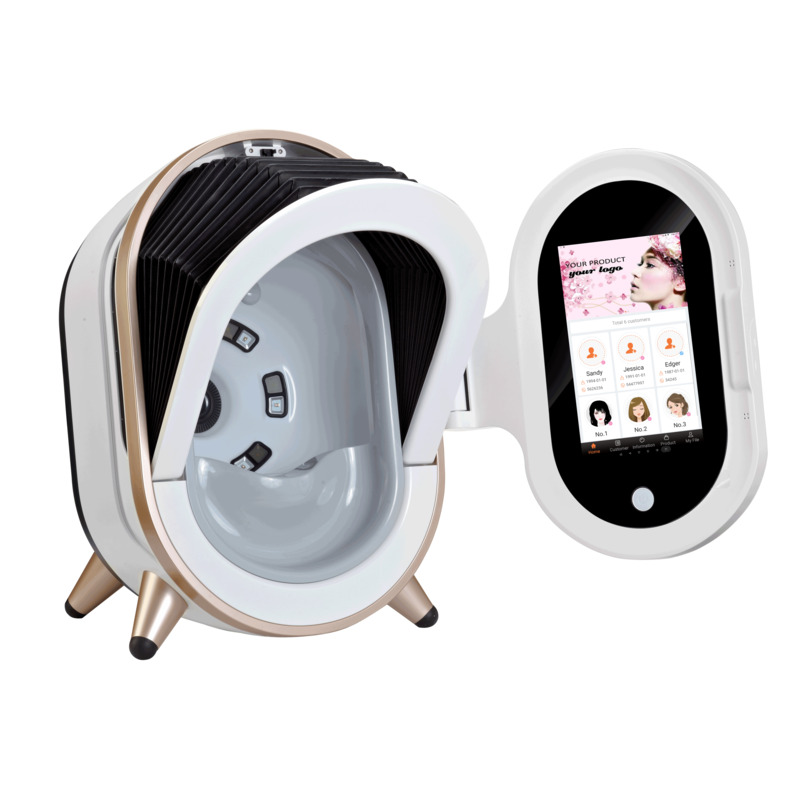
Krysmed provides professional AI skin analysis machines for beauty clinics and aesthetic businesses, including the DermaScan 3D Pro AI Skin Analysis Machine, with support for skin imaging, 3D visualization, detailed reports, and other analysis functions. Before choosing a system, it is worth matching the machine’s capabilities with your treatment menu, consultation workflow, and expected client volume rather than simply choosing the model with the longest feature list.
Our Contact
Ready to Elevate Your Business with Krysmed?
Let’s discuss your needs and find the best solution for your business. Our experts are here to provide personalized recommendations tailored to your business needs.
-
Call For Inquiry
-
Send Us Email
info@krysmed.com
Get A Custom Quote Now!
We value your privacy and guarantee a prompt, professional reply.
 WhatsApp
 info@krysmed.com
 +86 19867944875