

News
04
Mar
How to Extend the Lifespan of a Diode Laser Hair Removal Handpiece
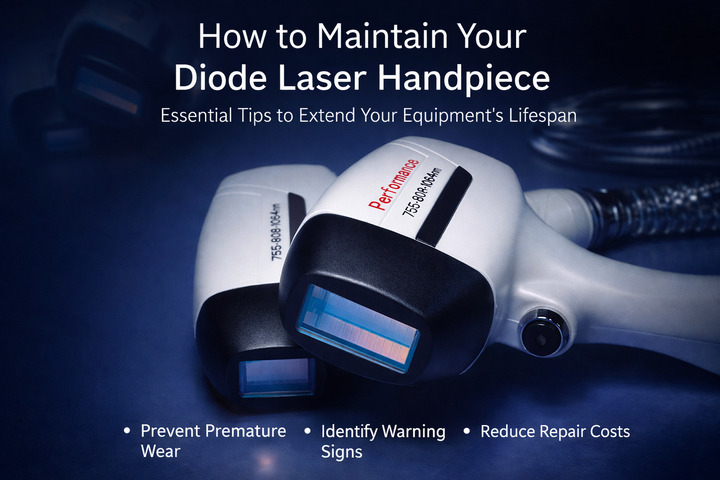
In diode laser hair removal systems, the handpiece is one of the most critical and expensive components. Poor maintenance, overheating, and cooling issues can shorten the diode laser handpiece lifespan and affect treatment results. Understanding proper care helps clinics protect their diode laser hair removal machine and reduce long-term maintenance costs.
1. Why Handpiece Lifespan Matters for Clinics
In diode laser hair removal systems, the handpiece is responsible for delivering laser energy directly to the skin. Because it operates under high energy and continuous cooling demands, it is also the component most exposed to wear. Maintaining a longer handpiece lifespan helps clinics control costs and ensure consistent treatment performance.
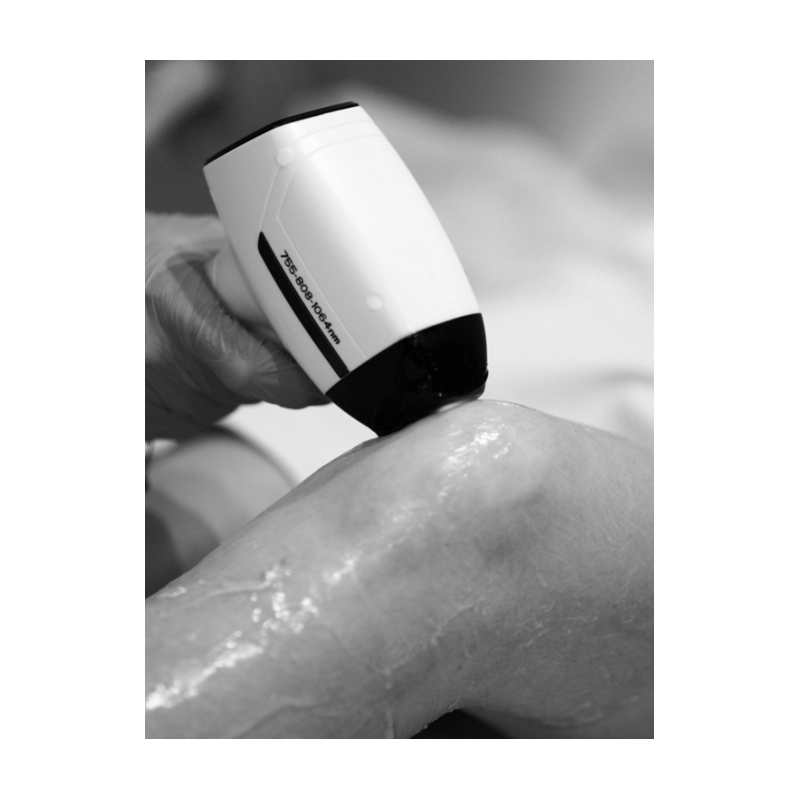
The Handpiece Is the Most Expensive Wear Component
The handpiece contains critical components such as laser diode bars, cooling modules, and optical elements. Due to these high-precision parts, replacing a handpiece can be one of the most expensive maintenance costs for clinics. Proper care and correct operation can significantly extend its service life and protect the clinic’s investment.
How Energy Degradation Affects Treatment Results
Over time, laser diode bars gradually lose efficiency, leading to reduced energy output. This energy degradation can result in weaker treatment performance and less predictable hair removal results. Maintaining stable handpiece performance is essential for ensuring consistent outcomes and client satisfaction.
2. Understand What Causes Diode Laser Handpiece Wear
Several factors can gradually shorten the lifespan of a diode laser handpiece. Most wear is not caused by a single failure but by daily operational habits and maintenance practices. Understanding these causes helps clinics prevent premature damage and maintain stable device performance.
Overheating and Poor Cooling Management
Diode laser handpieces generate significant heat during operation and rely on an efficient cooling system to remain stable. If the cooling system is not properly maintained or the machine runs continuously without rest, excessive heat can accelerate diode bar degradation. Overheating is one of the most common reasons for shortened handpiece lifespan.
Poor Water Quality and Filter Neglect
The internal cooling system depends on clean circulating water to remove heat effectively. Poor water quality or neglected filters can lead to mineral buildup, blocked circulation, and reduced cooling efficiency. Over time, this can damage internal components and increase the risk of handpiece failure.
Improper Handling and Storage
Physical handling also plays an important role in handpiece longevity. Dropping the handpiece, bending the cable, or storing it in dusty environments can damage sensitive components. Proper storage and careful handling help protect both the optical parts and internal wiring.
| Cause | Potential Impact |
|---|---|
| Overheating and Poor Cooling | Accelerates diode bar degradation and reduces handpiece lifespan |
| Poor Water Quality | Mineral buildup and blocked circulation affecting cooling efficiency |
| Filter Neglect | Restricted water flow leading to overheating risks |
| Improper Handling | Damage to internal wiring, optics, or connectors |
| Improper Storage | Dust contamination and increased component wear |
3. Daily Maintenance Tips to Extend Handpiece Lifespan
Daily maintenance plays an important role in protecting diode laser handpieces from premature wear. Simple routine checks can help maintain stable energy output and prevent cooling problems. Consistent care also reduces the risk of unexpected device downtime.
Monitor Water Level and Replace Filters Regularly
The cooling system relies on proper water circulation to remove heat from the handpiece. Clinics should regularly check the water level and ensure the system is filled with clean, recommended coolant or distilled water. Filters should also be replaced on schedule to prevent blockages and maintain cooling efficiency.
Clean Sapphire Crystal Properly
The sapphire crystal at the tip of the handpiece directly contacts the skin during treatment. Residue from gel, skin oil, or debris can accumulate on the surface and affect energy transmission. Cleaning the crystal gently with alcohol wipes after treatments helps maintain optimal laser delivery.
Check Cooling Temperature Before Operation
Before starting daily treatments, clinics should verify that the cooling system reaches the proper operating temperature. Stable cooling protects the laser diode bars from overheating. If the temperature drops slowly or fails to reach the set level, the system should be inspected before use.
Allow Proper Rest Time Between Sessions
Continuous high-power operation can place significant stress on the handpiece. Allowing short rest periods between sessions helps the cooling system stabilize and prevents excessive heat buildup. Proper scheduling can greatly extend the working life of the handpiece.
| Daily Check | Purpose |
|---|---|
| Monitor Water Level | Ensure stable cooling circulation |
| Replace Filters Regularly | Prevent blockages and maintain cooling efficiency |
| Clean Sapphire Crystal | Maintain clear energy transmission |
| Check Cooling Temperature | Prevent overheating before treatments |
| Allow Rest Between Sessions | Reduce heat stress on diode bars |
4. Weekly and Monthly Preventive Maintenance Checklist
In addition to daily care, clinics should perform regular preventive maintenance checks. Weekly and monthly inspections help identify early signs of wear before they develop into serious problems. These simple checks can extend the lifespan of the diode laser handpiece and maintain consistent treatment performance.
Inspect Energy Output Stability
Clinics should periodically monitor whether the laser energy output remains stable during treatments. A noticeable decrease in effectiveness or inconsistent performance may indicate early diode bar degradation. Identifying these signs early helps prevent unexpected device failure.
Examine Cable and Connector Integrity
The handpiece cable and connectors should be checked regularly for bending, twisting, or loose connections. Damaged cables can interrupt energy transmission and affect device safety. Keeping the cable properly positioned during treatments helps prevent long-term wear.
Keep Firmware Updated (If Applicable)
Some modern diode laser systems include firmware that controls energy delivery and system safety. Keeping the firmware updated can improve stability and optimize device performance. Clinics should follow manufacturer recommendations when applying updates.
| Maintenance Check | Why It Matters |
|---|---|
| Inspect Energy Output Stability | Detect early diode bar degradation and maintain treatment consistency |
| Check Cable and Connector Condition | Prevent energy transmission issues and safety risks |
| Update Firmware (If Applicable) | Improve system stability and optimize device performance |
5. Signs Your Diode Laser Handpiece May Need Servicing
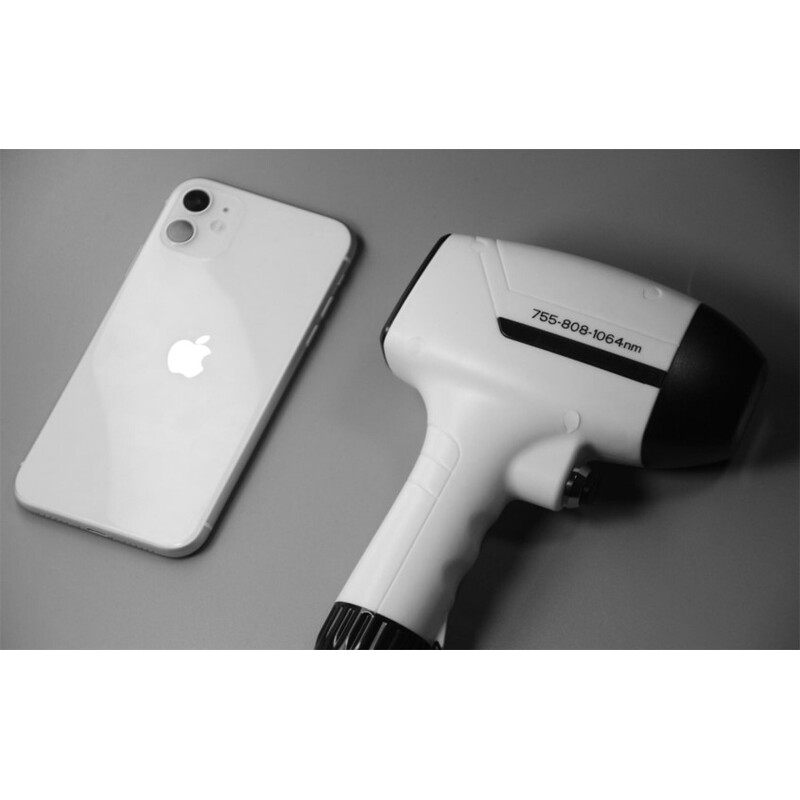
Over time, a diode laser handpiece may show early warning signs before a complete failure occurs. Recognizing these signals allows clinics to address problems quickly and avoid unexpected downtime. Regular observation during treatments helps maintain safe and consistent device performance.
Decreased Hair Removal Effectiveness
If treatments become less effective even with the same settings, it may indicate reduced laser energy output. Aging diode bars can gradually lose efficiency over time. This can lead to slower hair reduction and the need for additional sessions.
Fluctuating Energy Output
Inconsistent energy delivery can affect treatment results and client comfort. Clinics may notice that results vary between sessions or treatment areas. Energy fluctuation can be a sign that the handpiece requires inspection or servicing.
Overheating Alerts
Frequent overheating warnings during treatments may indicate cooling system issues. Blocked water circulation or reduced cooling efficiency can place stress on internal components. Addressing cooling problems early helps prevent further damage.
Abnormal Noise from Cooling System
Unusual sounds from the cooling system may signal problems with water circulation or internal components. Noise such as vibration or irregular pump sounds should not be ignored. Early inspection can help prevent more serious mechanical failures.
| Warning Sign | Possible Cause |
|---|---|
| Decreased Hair Removal Effectiveness | Reduced laser energy due to diode bar degradation |
| Fluctuating Energy Output | Unstable diode performance or internal component wear |
| Overheating Alerts | Cooling system blockage or reduced heat dissipation |
| Abnormal Cooling System Noise | Water circulation issues or pump malfunction |
6. How Proper Maintenance Reduces Long-Term Costs
Regular maintenance does more than protect the device—it also helps clinics control long-term operating costs. Simple preventive care can extend equipment lifespan and reduce unexpected failures. This allows clinics to maintain stable service while maximizing the value of their investment.
Extending Replacement Cycles
Proper cooling management, cleaning, and regular inspections help reduce stress on the laser diode bars. When the handpiece operates under stable conditions, its usable lifespan can be significantly extended. This delays the need for costly replacements.
Reducing Emergency Repairs
Unexpected device failures often require urgent repairs and temporary treatment suspension. Preventive maintenance helps identify small issues before they become major problems. This reduces both repair costs and operational interruptions.
Protecting Your Clinic’s Reputation
Reliable equipment ensures consistent treatment results for clients. When devices perform well, clinics can maintain professional service standards and client trust. Preventing equipment problems also helps avoid complaints or negative reviews.
| Maintenance Benefit | Business Impact |
|---|---|
| Extend Replacement Cycles | Delay costly handpiece replacements |
| Reduce Emergency Repairs | Lower unexpected maintenance costs and downtime |
| Protect Clinic Reputation | Ensure consistent treatment results and client satisfaction |
7. Choosing a Diode Laser with Durable Handpiece Design
Selecting a diode laser with a durable handpiece design can significantly reduce long-term maintenance issues. High-quality components and thoughtful engineering help ensure stable energy output and longer service life. Clinics should consider several technical factors before purchasing a device.
Importance of High-Quality Laser Bars
Laser diode bars are the core components responsible for generating laser energy. High-quality bars provide more stable output and better resistance to heat stress. This helps maintain consistent treatment performance over a longer period.
Advanced Cooling Systems
An efficient cooling system protects the diode bars from overheating during continuous operation. Systems with stable water circulation and temperature control help maintain safe operating conditions. Effective cooling is essential for extending handpiece lifespan.
Modular Design for Easier Repairs
Some diode laser systems use modular handpiece designs that allow easier component replacement. This makes maintenance faster and reduces overall repair costs. Clinics can also minimize downtime when servicing is required.
Manufacturer Technical Support Availability
Reliable technical support from the manufacturer is important for long-term device operation. Access to spare parts, troubleshooting assistance, and maintenance guidance helps clinics resolve issues quickly. Strong support also ensures the device can be serviced efficiently when needed.
| Design Feature | Why It Matters |
|---|---|
| High-Quality Laser Bars | Ensure stable energy output and longer component lifespan |
| Advanced Cooling System | Prevent overheating and protect diode bars during operation |
| Modular Handpiece Design | Simplify repairs and reduce maintenance downtime |
| Manufacturer Technical Support | Provide reliable service, spare parts, and troubleshooting assistance |
Conclusion
The lifespan of a diode laser handpiece affects treatment performance and maintenance costs. With proper maintenance and correct operation, clinics can extend the life of their diode laser hair removal equipment. This helps maintain stable energy output and consistent treatment results.
Ready to Choose a Reliable Diode Laser?
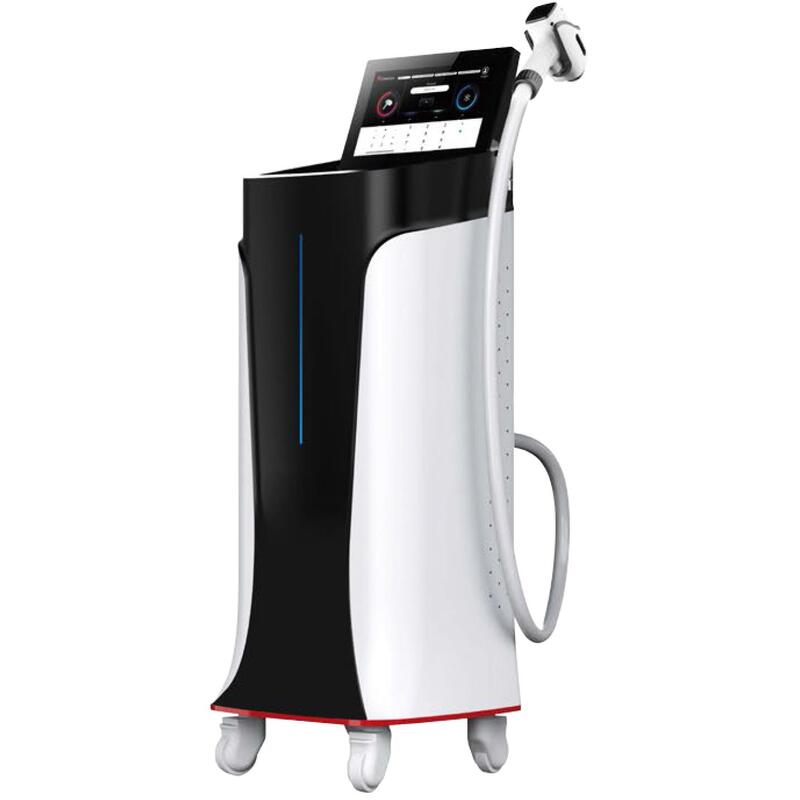
Discover professional diode laser hair removal machines designed for stable performance and durable handpieces. Contact Krysmed to learn more about solutions built for long-term clinic use.
FAQ
1. How many treatments can a diode laser handpiece typically perform?
The total number of treatments depends on the diode bar quality and machine design. High-quality systems can support hundreds of thousands to millions of shots before performance declines. Proper maintenance can significantly extend this usage range.
2. Does room temperature affect diode laser performance?
Yes. High room temperatures can reduce cooling efficiency and increase internal heat buildup. Clinics should operate diode laser machines in well-ventilated rooms with stable air conditioning.
3. Is it safe to run a diode laser continuously for long sessions?
Continuous operation for many hours can place stress on the cooling system and diode bars. Many manufacturers recommend short breaks between treatment sessions to maintain optimal temperature stability.
4. Can replacing filters really affect handpiece lifespan?
Yes. Filters help keep the cooling system clean and ensure smooth water circulation. Dirty or blocked filters can reduce cooling efficiency and gradually damage internal components.
5. What should clinics check before starting daily treatments?
Clinics should check water levels, cooling temperature, and the condition of the sapphire tip. A quick inspection helps ensure stable energy delivery and prevents potential problems during treatments.
Our Contact
Ready to Elevate Your Business with Krysmed?
Let’s discuss your needs and find the best solution for your business. Our experts are here to provide personalized recommendations tailored to your business needs.
-
Call For Inquiry
-
Send Us Email
info@krysmed.com
Get A Custom Quote Now!
We value your privacy and guarantee a prompt, professional reply.
 WhatsApp
 info@krysmed.com
 +86 19867944875