

News
05
Mar
How to Reduce Downtime After Fractional CO2 Laser Treatment
Fractional CO2 laser is widely used for skin resurfacing, wrinkle reduction, acne scars, and overall skin rejuvenation. While the treatment delivers powerful results, downtime can be a concern for many patients. Understanding how to minimize recovery time can improve patient comfort and increase treatment acceptance in clinics.
1. What Causes Downtime After Fractional CO2 Laser
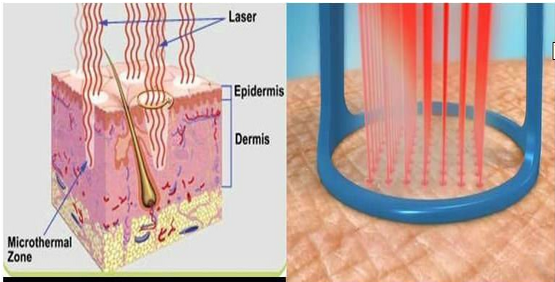
Fractional CO2 laser treatments create controlled micro-injuries in the skin to stimulate natural healing and collagen production. These microscopic treatment zones trigger the body’s repair process, which leads to visible skin renewal. During this healing phase, temporary downtime such as redness or peeling can occur.
How Fractional CO2 Laser Works
Fractional CO2 laser delivers thousands of microscopic laser beams into the skin, creating tiny thermal treatment zones. These micro-injuries stimulate collagen production and skin regeneration. Because surrounding tissue remains intact, the skin can heal faster than with traditional ablative lasers.
Why Skin Needs Recovery Time
After treatment, the skin activates its natural healing response to repair the microscopic channels created by the laser. New collagen forms while damaged skin cells are gradually replaced with healthier ones. This regeneration process improves skin texture but requires a short recovery period.
Common Post-Treatment Reactions
Most patients experience mild and temporary reactions after fractional CO2 laser treatment. Common effects include redness, swelling, peeling, and a feeling of dryness or tightness. These reactions usually subside within several days as the skin heals.
| Key Factor | Summary |
|---|---|
| Laser Mechanism | Microthermal treatment zones stimulate collagen |
| Healing Process | Skin activates natural repair response |
| Recovery Reason | New skin replaces damaged tissue |
| Common Reactions | Redness, swelling, peeling |
2. Typical Fractional CO2 Laser Recovery Timeline
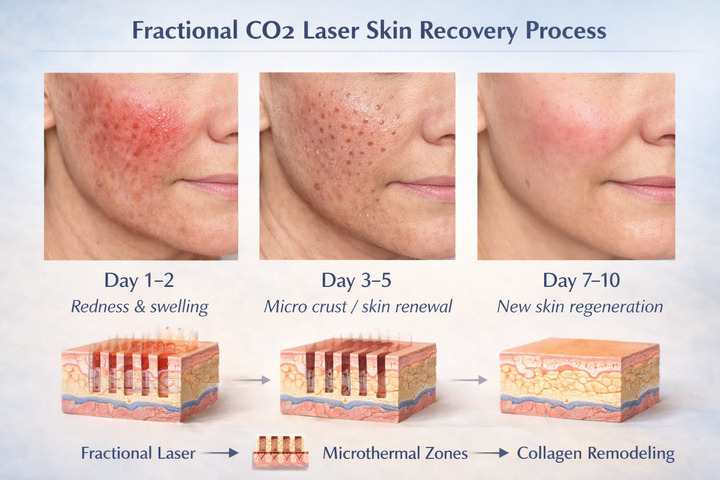
Recovery time after fractional CO2 laser treatment can vary depending on treatment intensity and individual skin response. Most patients experience visible healing within one week, while deeper skin regeneration continues for several weeks. Understanding the typical recovery timeline helps clinics guide patients and manage expectations.
| Recovery Stage | What Patients May Experience |
|---|---|
| Day 1–2 | Redness, warmth, and mild swelling similar to a sunburn |
| Day 3–4 | Skin begins to feel dry and starts light peeling |
| Day 5–7 | Peeling gradually reduces and new skin becomes visible |
| Week 2 | Skin tone appears smoother and redness continues to fade |
3. Pre-Treatment Preparation to Reduce Downtime
Proper preparation before treatment can significantly reduce downtime after fractional CO2 laser. Clinics that guide patients through pre-treatment care often see faster healing and fewer post-treatment reactions. These simple steps help the skin tolerate the procedure and support smoother fractional CO2 laser recovery.
Avoid Sun Exposure Before Treatment
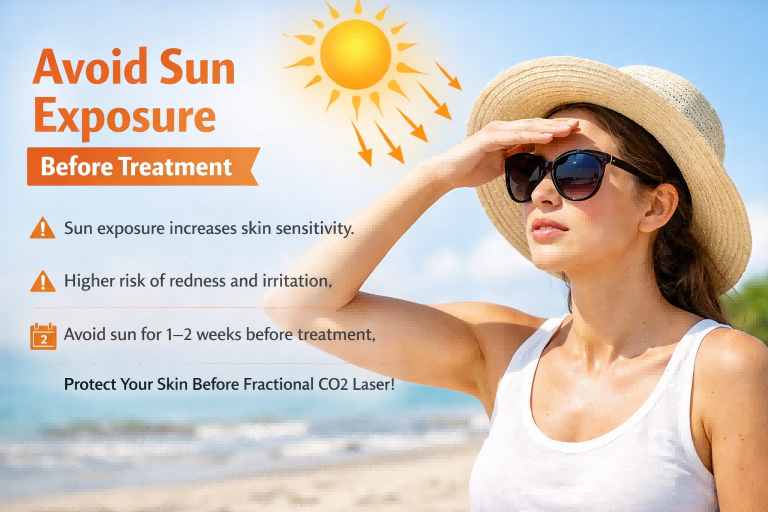
Excessive sun exposure can make the skin more sensitive before fractional CO2 laser treatment. Sun-damaged skin may experience increased redness or longer CO2 laser recovery time. Patients are usually advised to avoid direct sun exposure for at least one to two weeks before treatment.
Stop Certain Skincare Ingredients
Some active skincare ingredients can increase skin sensitivity before CO2 laser resurfacing. Products containing retinoids, strong exfoliants, or acids may irritate the skin and increase the risk of prolonged fractional CO2 laser downtime. Clinics often recommend stopping these ingredients several days before treatment.
Maintain Good Skin Hydration
Well-hydrated skin generally responds better to fractional CO2 laser procedures. Proper hydration helps maintain a stronger skin barrier and supports faster skin recovery after CO2 laser. Patients are often encouraged to use gentle moisturizers and drink adequate water before treatment.
Proper Patient Consultation
A detailed consultation helps determine whether a patient is a good candidate for fractional CO2 laser resurfacing. Clinics can evaluate skin type, treatment goals, and potential risk factors that may affect fractional CO2 laser recovery. Proper planning allows practitioners to adjust treatment parameters and minimize unnecessary downtime.
| Preparation Step | Key Purpose |
|---|---|
| Avoid Sun Exposure | Reduce skin sensitivity |
| Stop Active Ingredients | Prevent irritation risk |
| Maintain Hydration | Support skin barrier |
| Patient Consultation | Optimize treatment plan |
4. Post-Treatment Care Tips to Speed Up Healing
Proper aftercare plays an important role in reducing downtime after fractional CO2 laser treatment. Following the right recovery steps helps protect the skin barrier and support faster fractional CO2 laser recovery. Clinics should provide clear guidance to help patients manage the healing period safely.
Use Gentle Skincare Products
After fractional CO2 laser resurfacing, the skin becomes more sensitive and requires gentle care. Patients should use mild cleansers and soothing products designed for post-procedure skin. Avoiding harsh ingredients can help shorten CO2 laser recovery time and reduce irritation.
Keep the Skin Hydrated
Hydration is essential for faster skin recovery after CO2 laser. Using moisturizing products helps support the skin barrier and reduce dryness or tightness during healing. Well-hydrated skin often recovers more comfortably after fractional CO2 laser treatment.
Protect the Skin with Sunscreen
Sun protection is critical during fractional CO2 laser recovery. Newly treated skin is more vulnerable to UV damage and pigmentation issues. Applying broad-spectrum sunscreen helps protect results and prevents prolonged CO2 laser downtime.
Avoid Heat and Intense Exercise
Heat exposure and intense exercise can increase redness and swelling after fractional CO2 laser treatment. Activities such as hot baths, saunas, or heavy workouts should be avoided during the early recovery period. Limiting these triggers helps the skin heal more efficiently and supports smoother fractional CO2 laser recovery.
| Aftercare Step | Key Benefit |
|---|---|
| Gentle Skincare | Reduce irritation |
| Skin Hydration | Support healing |
| Sunscreen Protection | Prevent pigmentation |
| Avoid Heat & Exercise | Reduce redness & swelling |
5. How Clinics Can Help Clients Recover Faster
Clinics play an important role in improving the fractional CO2 laser recovery experience. Proper guidance and supportive treatments can significantly reduce downtime after fractional CO2 laser treatment. By combining professional care with the right recovery strategies, clinics can help patients heal more comfortably and achieve better results.
Offer Professional Aftercare Guidance
Clear aftercare instructions are essential for smooth CO2 laser recovery. Clinics should guide patients on proper cleansing, moisturizing, and sun protection during the healing period. Professional guidance helps minimize complications and supports faster skin recovery after CO2 laser.
Combine LED Therapy for Recovery
LED light therapy is often used to support fractional CO2 laser recovery. Certain wavelengths can help calm inflammation, promote circulation, and support the skin’s natural repair process. Many clinics combine LED treatments after CO2 laser resurfacing to help reduce redness and improve healing.
Recommend Medical-Grade Skincare
Medical-grade skincare products can help protect and repair the skin during fractional CO2 laser downtime. These products are typically formulated to soothe irritation, strengthen the skin barrier, and maintain hydration. Recommending the right products can significantly improve post CO2 laser care and recovery results.
| Clinic Support | Key Benefit |
|---|---|
| Aftercare Guidance | Reduce recovery risks |
| LED Therapy | Calm skin & support repair |
| Medical-Grade Skincare | Protect and restore skin barrier |
6. Technology Factors That Affect CO2 Laser Downtime
The technology used in a fractional CO2 laser system can significantly influence recovery time. Advanced devices allow practitioners to control treatment depth and energy more precisely. This precision helps minimize unnecessary tissue damage and reduce fractional CO2 laser downtime.
Fractional Technology Precision
Modern fractional CO2 laser technology creates precise microthermal treatment zones while leaving surrounding tissue intact. This fractional approach allows untreated skin to support faster healing. As a result, patients often experience shorter CO2 laser recovery time compared with traditional ablative methods.
Adjustable Energy Settings
Devices with adjustable energy and density settings allow practitioners to customize fractional CO2 laser treatment for different skin conditions. Proper parameter selection helps balance treatment effectiveness and patient comfort. More precise control can help reduce excessive injury and improve skin recovery after CO2 laser.
Advanced Cooling and Scanning Systems
Some advanced CO2 laser resurfacing systems include intelligent scanning patterns and cooling technologies. These features help distribute laser energy more evenly across the treatment area. Improved energy control can reduce skin stress and contribute to smoother fractional CO2 laser recovery.
| Technology Feature | Impact on Downtime |
|---|---|
| Fractional Precision | Faster skin healing |
| Adjustable Energy | Controlled skin injury |
| Cooling & Scanning Systems | Reduce skin stress |
7. Who Is a Good Candidate for Fractional CO2 Laser
Fractional CO2 laser treatment is suitable for patients who want to improve skin texture and visible signs of aging. Proper patient selection helps clinics achieve better results and smoother fractional CO2 laser recovery.
| Candidate Type | Skin Concern | Why Fractional CO2 Laser Helps |
|---|---|---|
| Acne Scar Patients | Atrophic or textured acne scars | Stimulates collagen remodeling to improve skin texture |
| Aging Skin | Fine lines and wrinkles | Promotes collagen production for smoother and firmer skin |
| Uneven Skin Texture | Rough skin and enlarged pores | Encourages skin renewal and improves overall skin texture |
| Sun-Damaged Skin | Pigmentation and rough skin | Helps resurface damaged skin layers and support skin regeneration |
| Patients Who Follow Aftercare | Willing to follow recovery guidelines | Proper care helps reduce fractional CO2 laser downtime and supports faster healing |
Conclusion
Reducing downtime after fractional CO2 laser treatment requires a combination of proper patient preparation, effective post-treatment care, and advanced laser technology. Clinics that focus on both treatment quality and recovery management can improve patient satisfaction and encourage repeat treatments.
Ready to Upgrade Your Clinic with Advanced Fractional CO2 Laser?
Contact Krysmed to learn more about our professional CO2 laser systems designed for stable performance, precise treatment, and improved patient recovery.
FAQ
1. How long is the downtime after fractional CO2 laser?
Downtime after fractional CO2 laser treatment usually lasts about 5 to 7 days for most patients. During this period, redness, swelling, and peeling may occur as the skin heals. Deeper treatments may require slightly longer CO2 laser recovery time.
2. How can patients reduce downtime after fractional CO2 laser?
Patients can reduce fractional CO2 laser downtime by following proper pre-treatment preparation and post-treatment care. Keeping the skin hydrated, avoiding sun exposure, and using gentle skincare products are important. Professional aftercare guidance from clinics can also improve fractional CO2 laser recovery.
3. Is redness normal after fractional CO2 laser treatment?
Yes, redness is a normal reaction after CO2 laser resurfacing. It usually appears similar to a mild sunburn and gradually fades over several days. Proper skincare and sun protection can help speed up skin recovery after CO2 laser.
4. When can patients return to normal activities after CO2 laser?
Most patients can return to normal daily activities within about one week after fractional CO2 laser treatment. However, strenuous exercise, heat exposure, and direct sunlight should be avoided during early recovery. Following these precautions helps shorten fractional CO2 laser recovery time.
5. Does fractional CO2 laser always require long downtime?
Not always. Modern fractional CO2 laser systems allow practitioners to adjust energy and treatment density, which can help control recovery time. With proper settings and good aftercare, many patients experience manageable CO2 laser downtime.
Our Contact
Ready to Elevate Your Business with Krysmed?
Let’s discuss your needs and find the best solution for your business. Our experts are here to provide personalized recommendations tailored to your business needs.
-
Call For Inquiry
-
Send Us Email
info@krysmed.com
Get A Custom Quote Now!
We value your privacy and guarantee a prompt, professional reply.
 WhatsApp
 info@krysmed.com
 +86 19867944875