

News

06
Apr
Is RF Microneedling a Smart Investment or Just Another Expense for clinics?
Most new clinics look at RF microneedling and wonder the same thing: is it actually profitable, or just another expensive machine sitting in the corner? The truth is, RF microneedling ROI depends less on the technology and more on how you price, sell, and position it. Before you invest, it’s worth understanding the real cost, profit potential, and what makes it work in a clinic setting.
1. What Does RF Microneedling Actually Do?
At its core, RF microneedling combines controlled skin injury with heat to trigger collagen production—this is what makes it a high-demand, high-value treatment in many clinics.
How RF Microneedling Works
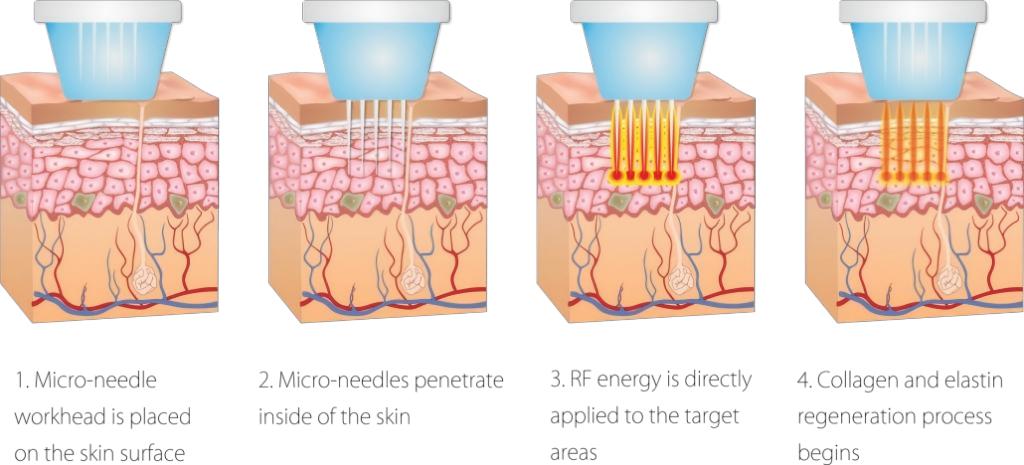
RF microneedling uses tiny needles to deliver radiofrequency energy into the skin, stimulating collagen and tightening tissue from within. This is why it’s often seen as more effective than traditional microneedling. For clinics, this added result justifies higher pricing and better RF microneedling ROI.
What Skin Concerns It Treats (And Why Clients Pay)
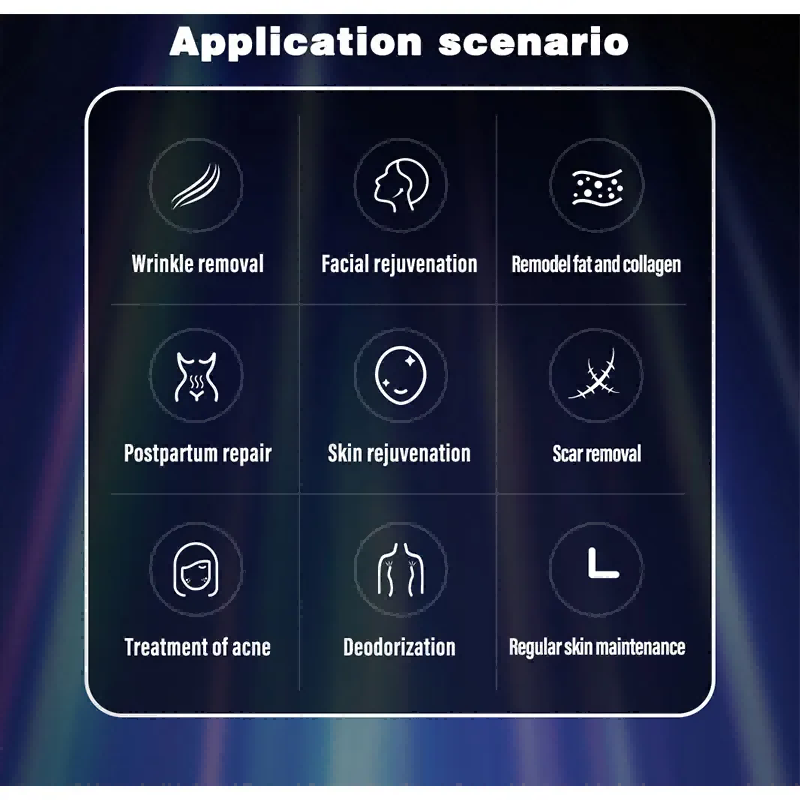
It’s commonly used for acne scars, enlarged pores, fine lines, and overall skin texture. These are concerns that usually require multiple sessions, which means repeat visits and steady income. That’s a big reason why RF microneedling profit potential is higher than many basic facial treatments.
Why It’s Easy to Sell in a Clinic Setting
Clients are already familiar with microneedling, so upgrading to RF feels like a “better version,” not a new concept. Results are visible but don’t require extreme downtime, making it easier to close sales. This combination makes RF microneedling for clinics both practical and scalable.
2. Real Cost: What You Actually Pay (Not Just the Machine)
When clinics look at RF microneedling cost, most focus on the machine price—but that’s only part of what you’re really paying.
Machine Cost (The Obvious One)
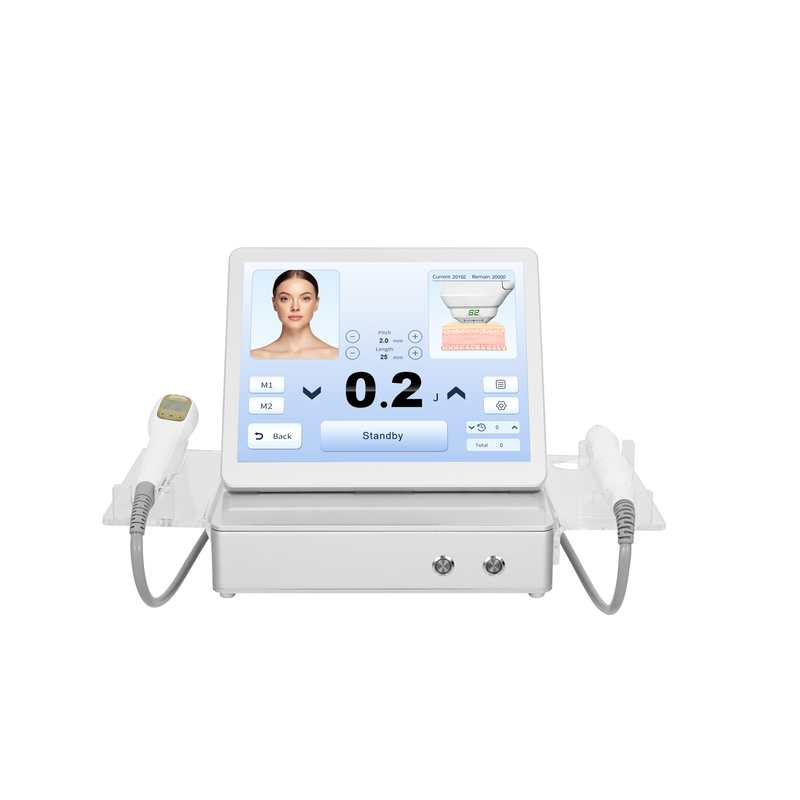
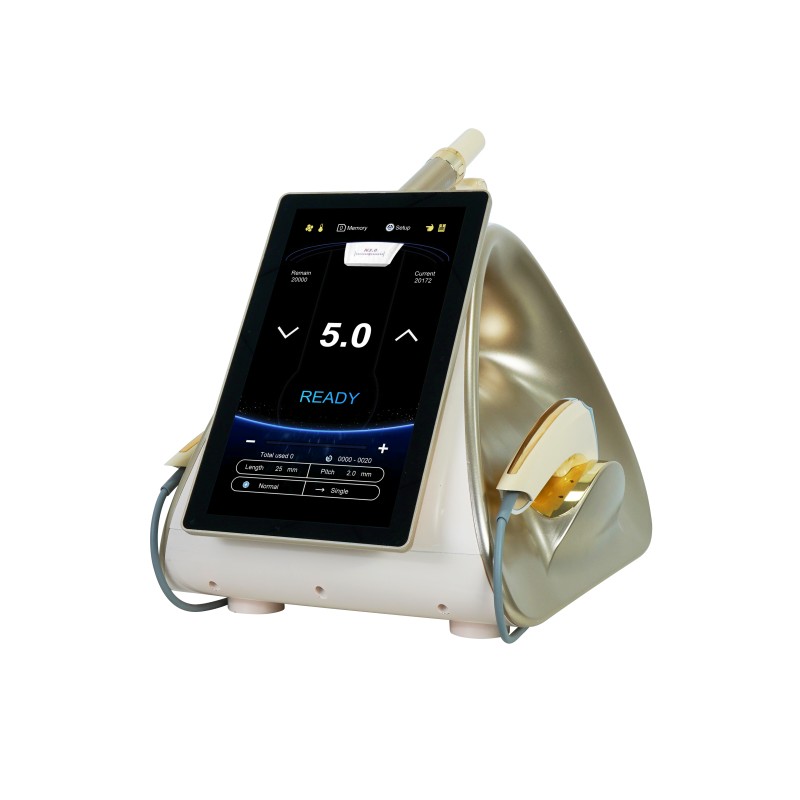
An RF microneedling machine for clinics can range anywhere from $2,000 to over $10,000 depending on brand and specs. Cheaper options exist, but they may affect results, which directly impacts your ability to charge and your RF microneedling ROI. The key isn’t just price—it’s whether the machine helps you get consistent, sellable results.
Consumables & Treatment Cost
Each treatment requires disposable needle cartridges, which adds to your per-session cost. While the cost per treatment is relatively low, it still affects your overall RF microneedling profit if not priced properly. Clinics that ignore this often undercharge and eat into their margins.
Hidden Costs Most Clinics Overlook
Training, time spent per client, and marketing all add up, even if they’re not listed on the invoice. If you don’t know how to position and sell the treatment, even a good machine won’t bring returns. That’s why understanding the full RF microneedling business cost is key before making the investment.
4. Real ROI Breakdown
This is where RF microneedling ROI becomes very real—because once you look at the numbers, it’s easier to see whether this is a smart investment or just another expense.
A Simple Revenue Example
Let’s say you charge $200 per session and see just 3 clients per day. That’s $600 per day, or around $12,000 per month (based on 20 working days). Even at a moderate price point, RF microneedling profit can scale quickly with consistent bookings.
Cost Per Treatment vs Profit
Consumables like needle cartridges might cost around $10–$30 per session. That leaves a strong margin per treatment, especially compared to lower-priced services. This is why many clinics see RF microneedling cost as relatively low once they start operating.
How Fast You Can Break Even
If your machine costs $3,000–$5,000, you could realistically recover your investment within 1–2 months at a steady pace. Even with a slower start, most clinics can achieve positive RF microneedling ROI within a few months. The key is not volume alone—but consistent pricing and positioning.
5. How Fast Can a New Clinic Recover the Investment?
The honest answer: it depends—but for most clinics, RF microneedling ROI can come faster than expected if the basics are done right.
Conservative Scenario (Slow Start)
If you’re only seeing 1–2 clients per day at the beginning, it may take around 2–4 months to recover your RF microneedling cost. This is typical for new clinics still building traffic and confidence. Even then, it’s still a relatively fast payback compared to many other devices.
Standard Scenario (What Most Clinics Achieve)
With 3–5 clients per day and proper pricing, many clinics recover their investment within 1–2 months. This is where RF microneedling profit starts to become consistent, not occasional. Once bookings stabilize, the treatment becomes a reliable revenue stream.
What Speeds Up (or Slows Down) Your ROI
Your ability to consult, price, and sell packages matters more than the machine itself. Clinics that educate clients and show real results recover faster. In the end, RF microneedling for clinics works—but only if you treat it like a business, not just a treatment.
6. How to Make RF Microneedling Actually Work in a New Clinic
Buying the device is the easy part—turning it into consistent income is where most clinics struggle with RF microneedling for clinics.
Start with One Clear Offer
Instead of listing it as “just another treatment,” position RF microneedling as a solution (e.g. acne scars or skin tightening). A focused offer is much easier to sell and helps justify higher pricing. This directly improves your RF microneedling profit potential.
Use Before & After Results Strategically
Clients don’t buy technology—they buy visible results. Even a few strong before-and-after cases can dramatically increase trust and conversions. This is one of the fastest ways to improve your RF microneedling ROI without spending more on ads.
Keep It Simple and Repeatable
The clinics that succeed don’t overcomplicate things—they follow a simple system: consult, recommend a package, deliver results, repeat. Consistency is what turns RF microneedling cost into long-term profit. The goal is not just to offer the treatment, but to make it a predictable revenue stream.
7. So… Is It a Smart Investment or Just Another Expense?
At the end of the day, RF microneedling can be either a strong income generator or just another unused device—it all depends on how you use it.
When It Becomes a Smart Investment
If you price it correctly, sell it as a package, and focus on real results, RF microneedling ROI can be fast and consistent. Clinics that treat it as a core service—not an add-on—usually see steady RF microneedling profit. In this case, the machine pays for itself quickly and keeps generating revenue.
When It Turns Into Just Another Expense
If it’s underpriced, rarely promoted, or poorly explained to clients, even a good device won’t perform. Many clinics struggle not because of the RF microneedling cost, but because they don’t integrate it into their business properly. That’s when it ends up sitting unused.
The Real Difference
The difference isn’t the machine—it’s the strategy behind it. Clinics that understand positioning, pricing, and client flow make it work. That’s why RF microneedling for clinics is not automatically a good or bad investment—it becomes one based on how you run it.
Conclusion:
RF microneedling isn’t just another machine—it’s a real opportunity for clinics that approach it strategically. By pricing right, selling packages, and showing visible results, you can turn your RF microneedlingcost into a reliable, high-margin revenue stream. Remember, the machine alone won’t make money—how you run it will.
Ready to make RF microneedling profitable for your clinic?
Start with the right machine and strategy, and watch your investment pay off. Ready to contact Krysmed and find the right solution for your clinic.
FAQ
Q1: How often should RF microneedling machines be serviced?
Regular maintenance every 6–12 months helps keep the machine running efficiently and ensures consistent treatment results. This reduces downtime and protects your RF microneedling ROI.
Q2: Can RF microneedling be combined with other treatments?
Yes! Many clinics pair it with PRP, LED therapy, or chemical peels to enhance results and upsell packages. This can boost overall RF microneedling profit without extra machine cost.
Q3: Are there any restrictions on skin types or tones?
Most modern RF microneedling devices are safe for all skin types, but darker skin may require adjusted settings to avoid pigmentation issues. Proper knowledge ensures safe and repeatable treatments.
Q4: How long does a treatment session usually take?
Sessions typically last 30–60 minutes depending on the area treated. Efficient scheduling maximizes daily bookings and helps clinics recover RF microneedling cost faster.
Q5: Do clients need downtime after RF microneedling?
Minimal downtime is expected—usually mild redness or swelling for 24–48 hours. Short recovery time makes it easier to sell the treatment to busy clients and improve RF microneedling ROI.
Our Contact
Ready to Elevate Your Business with Krysmed?
Let’s discuss your needs and find the best solution for your business. Our experts are here to provide personalized recommendations tailored to your business needs.
-
Call For Inquiry
-
Send Us Email
info@krysmed.com
Get A Custom Quote Now!
We value your privacy and guarantee a prompt, professional reply.
 WhatsApp
 info@krysmed.com
 +86 19867944875