

News
11
Apr
Can Q-Switched Nd:YAG Laser Still Make Money for Clinics in 2026?
Many clinics already have a Q-Switched Nd:YAG laser, but the real question in 2026 is simple: is it still making money or just sitting unused? With strong demand for tattoo removal and pigmentation treatments still driving traffic, this device can deliver solid ROI — but only if it’s priced and positioned correctly. So before you decide it’s outdated, it’s worth looking at what actually affects laser clinic profitability today.
1. What Is a Q-Switched Nd:YAG Laser and How Does It Work?
Before we talk about profits and ROI, it’s important to quickly understand what a Q-Switched Nd:YAG laser actually does and why so many clinics still use it in 2026. It’s not new technology, but it’s still widely trusted in everyday aesthetic treatments because it’s simple, versatile, and effective.
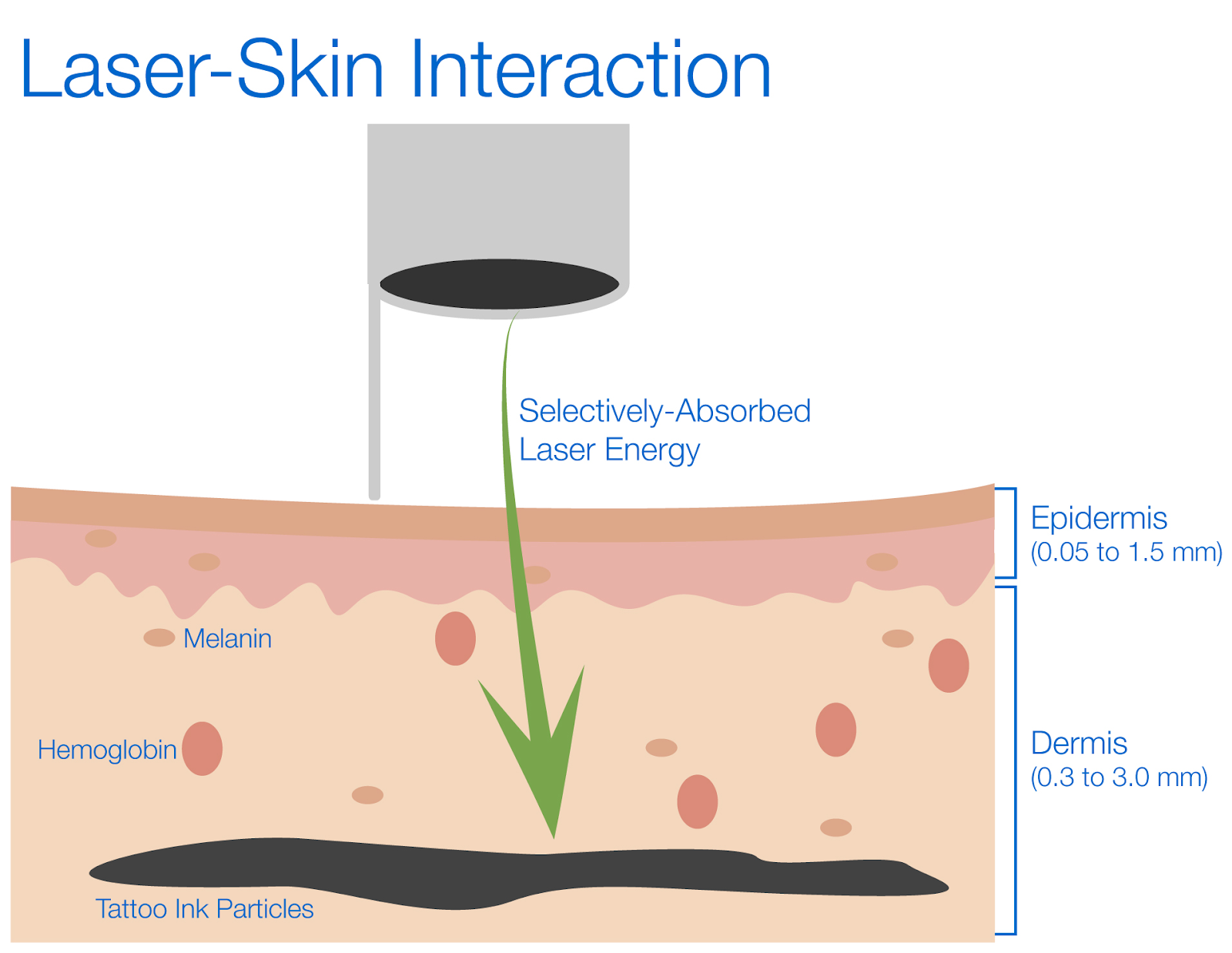
The basic idea behind the technology
A Q-Switched Nd:YAG laser works by sending very short, high-energy pulses into the skin to break down pigment or ink into tiny particles. These particles are then naturally cleared by the body over time. That’s why it’s commonly used for tattoo removal and pigmentation treatment.
Why clinics still use it today
Even with newer systems like Pico lasers on the market, Nd:YAG lasers are still popular because they are more affordable and easier to operate. For many small and mid-size clinics, it’s still one of the most practical options for starting laser treatments and generating steady income.
2. What Treatments Can a Q-Switched Nd:YAG Actually Offer?
Once you understand how the technology works, the next question most clinic owners ask is simple: what can I actually do with a Q-Switched Nd:YAG laser in real daily business? The good news is that it’s not a “one-treatment machine” — it can support multiple high-demand services that help improve laser clinic profitability.
Tattoo removal (still one of the biggest money-makers)
Tattoo removal is still one of the core treatments for a Q-Switched Nd:YAG laser, especially for clients who want fading or full removal. It works well on different ink colors and skin types when used correctly. In many clinics, this alone can already bring in consistent weekly income.
Pigmentation and skin tone correction
Another very common use is treating pigmentation issues like freckles, sun spots, and uneven skin tone. This makes it a strong option for everyday clients who don’t want aggressive downtime but still want visible improvement. That’s why pigmentation treatment laser services are always in demand, even in 2026.
Carbon peel / “Hollywood facial” style treatments
Many clinics also use Nd:YAG for carbon peel treatments, which help with oily skin, clogged pores, and skin brightness. It’s often marketed as a quick “lunch break facial” because the treatment is fast with no real downtime. This makes it an easy add-on service that helps increase repeat visits and package sales.
4. How Much Can Clinics Actually Charge?
After understanding the demand, the next real question is: how much money can you actually charge per treatment with a Q-Switched Nd:YAG laser in 2026? This is where many clinics start to see whether the machine is a low-use tool or a real income generator for laser clinic profitability.
Tattoo removal pricing (session-based income)
For tattoo removal, most clinics charge per session depending on size and complexity. Small areas may start around $80–$150 per session, while larger or more complex tattoos can go up to $200–$300 or more. Since multiple sessions are needed, this becomes a strong repeat-income service.
Pigmentation and facial treatments (high-frequency services)
Pigmentation treatments are usually priced around $100–$250 per session depending on the area and clinic positioning. These treatments are popular because they are quick, low downtime, and easy to combine with other facial services. That makes them ideal for package sales and upselling.
Carbon peel (entry-level “traffic builder” treatment)
Carbon peel treatments are often priced around $120–$200 per session and are used as a high-volume entry service. Many clinics use it as a “first-step treatment” to bring new clients in, then convert them into higher-value packages. This is where Nd:YAG laser 2026 strategies really start to matter — not just pricing, but how you build the client journey.
5. Real ROI Breakdown
This is the part most suppliers don’t really explain clearly — because laser clinic profitability is not just about how much you can charge, but how fast you can actually get your money back. A Q-Switched Nd:YAG laser in 2026 can be very profitable, but only if you understand the real-world usage, not just marketing numbers.
The basic investment vs income reality
Most Q-Switched Nd:YAG laser systems are relatively affordable compared to newer technologies, which is why many new clinics start with them. If your machine cost is around $1,500–$4,000, even a few tattoo removal or pigmentation clients per week can start covering your cost quickly. In simple terms, it doesn’t take hundreds of clients — it takes consistent bookings.
The real break-even point most clinics underestimate
On average, if you charge around $120 per treatment, you may only need 20–40 sessions to recover the machine cost. That means a clinic doing just 5–10 treatments per week could potentially reach break-even within 1–2 months. However, this only works if the machine is actively marketed and not left unused.
Why ROI depends more on business than technology
The biggest mistake clinics make is assuming ROI comes from the device itself. In reality, the same Q-Switched Nd:YAG laser ROI can be excellent in one clinic and poor in another, simply because of pricing, promotion, and client flow. The machine doesn’t generate income — your strategy does.
6. Why Some Clinics Make Money — And Others Don’t
This is where things get interesting. In 2026, you’ll still see clinics using the same Q-Switched Nd:YAG laser, but their results are completely different — some are fully booked, while others struggle to even cover costs. The difference usually has nothing to do with the machine, and everything to do with how it’s used in real business.
Successful clinics treat it like a business tool, not a device
Profitable clinics don’t just “own a laser” — they actively build services around it. They combine tattoo removal, pigmentation treatment laser services, and carbon peel packages into clear offers that clients can understand easily. This makes it simple for customers to buy, instead of just asking for “one-off treatments.”
Weak clinics rely on single treatments and low pricing
Clinics that don’t make money usually make the mistake of selling only single sessions at low prices. They don’t package treatments, don’t upsell, and often fail to explain the long-term process of laser clinic profitability. As a result, they get inconsistent bookings and low client return rates.
Marketing and communication matter more than technology
Even the best Nd:YAG laser 2026 system won’t perform if nobody knows about it. Clinics that succeed usually show before-and-after results, educate clients, and actively promote their services online or in-clinic. At the end of the day, it’s not the machine that sells — it’s the story you tell around it.
If you're looking for a laser device that is affordable, reliable, and easier to turn into profit, Q-Switched Nd:YAG is still a smart choice. Contact Krysmed now!
FAQ
1. How many sessions are needed for tattoo removal with Nd:YAG?
Usually 5–10 sessions depending on ink depth and color.
2. Is Nd:YAG laser safe for darker skin types?
Yes, it is generally safer compared to many other lasers when used correctly.
3. Can Nd:YAG laser treat melasma?
It can help, but requires careful settings and multiple sessions.
4. What is the difference between carbon peel and regular facials?
Carbon peel uses laser energy for deeper cleansing and oil control.
5. How long does each treatment take?
Typically 15–30 minutes depending on the treatment area.
Our Contact
Ready to Elevate Your Business with Krysmed?
Let’s discuss your needs and find the best solution for your business. Our experts are here to provide personalized recommendations tailored to your business needs.
-
Call For Inquiry
-
Send Us Email
info@krysmed.com
Get A Custom Quote Now!
We value your privacy and guarantee a prompt, professional reply.
 WhatsApp
 info@krysmed.com
 +86 19867944875