


News
22
Dec
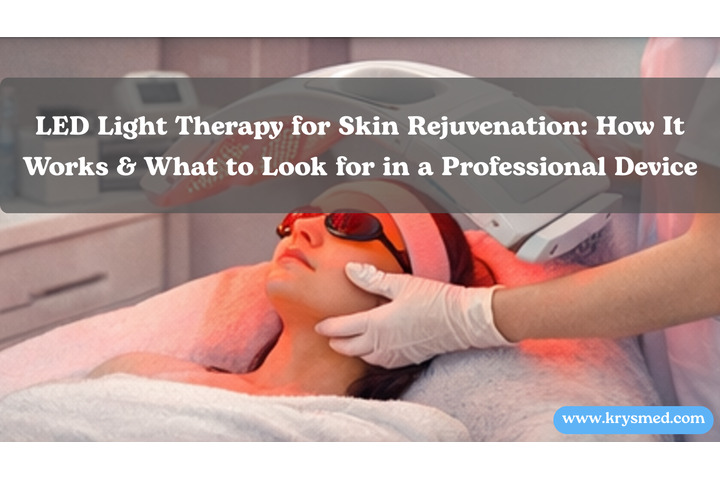
LED Light Therapy for Skin Rejuvenation: How It Works & What to Look for in a Professional Device
LED light therapy for skin rejuvenation is widely used in aesthetic clinics for its non-invasive approach and reliable clinical benefits. By delivering targeted wavelengths of light into the skin, professional LED light therapy devices help stimulate cellular activity, support collagen production, and improve overall skin quality without downtime.
As clinics increasingly adopt LED therapy as a standalone or supportive treatment, understanding how LED light therapy works—and what to look for in a professional LED device—is essential for achieving consistent results and long-term clinical value.
How LED Light Therapy Works
Photobiomodulation: The Science Behind LED Light Therapy
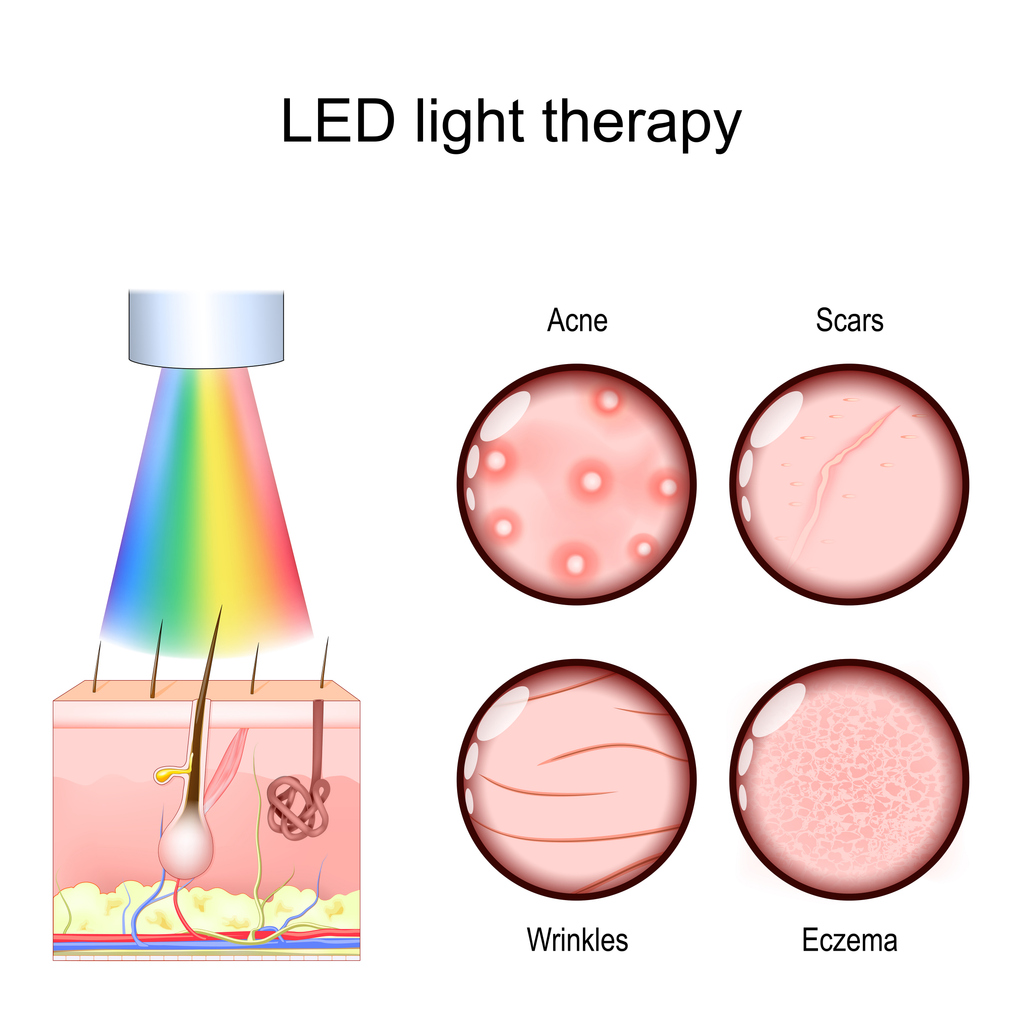
LED light therapy works through a biological process known as photobiomodulation, in which specific wavelengths of light penetrate the skin and are absorbed by cells. Unlike laser or thermal-based treatments, LED light therapy does not generate heat or damage tissue. Instead, the light energy supports cellular activity, helping skin cells function more efficiently and promoting natural regeneration. This makes LED light therapy for skin rejuvenation a safe, non-invasive option suitable for repeated clinical use.
How Different LED Wavelengths Affect the Skin
Professional LED light therapy devices use carefully calibrated wavelengths to address different skin concerns. Red and near-infrared light are widely used in skin rejuvenation treatments due to their ability to support collagen production, improve circulation, and enhance skin elasticity. Blue light targets acne-causing bacteria and helps reduce inflammation, making LED therapy highly versatile for aesthetic clinics. By delivering stable and precise wavelengths, professional LED light therapy devices ensure consistent treatment outcomes across a wide range of skin types.
Clinical Benefits of LED Light Therapy for Skin Rejuvenation
Stimulates Collagen Production and Improves Skin Elasticity
One of the most recognized clinical benefits of LED light therapy for s
kin rejuvenation is its ability to support collagen production. Red and near-infrared wavelengths help stimulate fibroblast activity, which plays a key role in maintaining skin firmness and elasticity. With consistent treatment, clinics often observe smoother skin texture and a reduction in fine lines, making LED therapy an effective anti-aging solution.
Enhances Skin Tone, Texture, and Overall Radiance
LED light therapy helps improve uneven skin tone and rough texture by supporting cellular renewal and microcirculation. As skin cells function more efficiently, the skin appears brighter, more balanced, and healthier. This benefit makes professional LED light therapy devices suitable for clients seeking gradual but visible skin rejuvenation without aggressive procedures.
Reduces Inflammation and Supports Skin Recovery
Another important clinical advantage of LED light therapy is its anti-inflammatory effect. LED treatments help calm irritated skin and support the natural healing process, which is why they are commonly used after procedures such as microneedling, RF treatments, and laser therapy. By reducing redness and discomfort, LED therapy enhances patient comfort and treatment satisfaction.
Safe for Repeated Treatments and All Skin Types
Unlike invasive or energy-intensive technologies, LED light therapy is safe for repeated use and suitable for all skin types, including sensitive skin. The non-thermal nature of LED treatments minimizes the risk of adverse reactions, making them ideal for long-term skin rejuvenation programs in aesthetic clinics. This safety profile allows clinics to offer LED therapy as a standalone treatment or as part of combination protocols.
Why LED Light Therapy Is Widely Used in Aesthetic Clinics
Non-Invasive Treatment with High Patient Acceptance
One of the main reasons LED light therapy is widely adopted in aesthetic clinics is its non-invasive nature. The treatment does not cause skin damage, discomfort, or downtime, making it highly appealing to clients who want visible skin rejuvenation results without invasive procedures. High patient comfort leads to better treatment compliance and repeat visits, which is essential for long-term clinic success.
Easy Integration with Existing Aesthetic Treatments
LED light therapy can be seamlessly combined with many popular aesthetic procedures, including facials, microneedling, RF treatments, and laser therapies. Clinics often use professional LED light therapy devices to enhance treatment outcomes and support post-procedure recovery. This flexibility allows clinics to maximize the value of existing services without adding complexity to their workflow.
Suitable for a Wide Range of Skin Types and Concerns
Because LED light therapy is gentle and non-thermal, it is suitable for all skin types and tones. From anti-aging and skin rejuvenation to acne management and inflammation control, LED therapy addresses multiple concerns using different wavelengths. This versatility makes LED light therapy for skin rejuvenation a practical solution for clinics serving diverse patient populations.
Consistent Results with Minimal Operational Risk
Professional LED systems are designed to deliver stable wavelength output and consistent performance over time. Compared to energy-based devices that require intensive operator skill, LED light therapy offers predictable results with lower operational risk. This reliability helps aesthetic clinics maintain treatment quality while reducing the likelihood of complications or client dissatisfaction.
What to Look for in a Professional LED Light Therapy Device
Medical-Grade LED Chips and Precise Wavelength Output
When selecting a professional LED light therapy device, the quality of the LED chips and the accuracy of wavelength output are critical. Medical-grade LEDs ensure stable energy delivery and consistent treatment results, while precise wavelengths are essential for targeting specific skin concerns such as collagen stimulation, inflammation reduction, and acne control. Inconsistent or poorly calibrated wavelengths can limit clinical effectiveness.
Multiple Wavelength Options for Versatile Treatments
A professional LED system should offer multiple wavelengths to address a wide range of skin rejuvenation needs. Red and near-infrared light are commonly used for anti-aging and skin repair, while blue light supports acne treatment. Devices with flexible wavelength combinations allow aesthetic clinics to customize treatment protocols and expand service offerings without investing in multiple machines.
Treatment Coverage and Ergonomic Design
Effective LED light therapy for skin rejuvenation requires uniform light coverage across the treatment area. Devices designed for full-face or body application help deliver consistent results while improving treatment efficiency. Ergonomic design also plays an important role, ensuring patient comfort and smooth clinic workflow during longer treatment sessions.
Safety Features and Long-Term Device Reliability
Professional LED light therapy devices should include safety mechanisms such as temperature control and stable power output to support long treatment durations. Durability and long-term reliability are essential for clinics that offer LED therapy as a core service. Choosing a well-built system reduces maintenance issues and ensures consistent performance over time.
Professional LED Light Therapy vs Home-Use Devices
Power Output and Clinical Effectiveness
One major difference between professional LED light therapy and home-use devices is power output. Professional systems are designed to deliver higher irradiance and consistent energy levels, which are essential for deeper skin rejuvenation effects and reliable clinical results. In contrast, consumer home-use LED devices typically have lower power, which may provide mild benefits but often cannot match the performance needed in a clinic setting.
Treatment Consistency and Protocol Flexibility
Professionally designed LED systems allow clinicians to customize treatment protocols, adjust wavelengths, and set treatment durations based on individual patient needs. This flexibility is crucial when addressing diverse skin concerns, from aging and texture improvement to inflammation and acne. Home-use devices, while convenient for personal maintenance, usually offer limited settings and fixed programs, making them less effective for targeted clinical outcomes.
Safety Standards and Quality Control
Professional LED devices undergo stricter quality and safety controls, including stable wavelength output, thermal regulation, and durable construction. These features support safe, repeated use in a clinical environment. Home-use LED products may be suitable for occasional personal use, but they generally lack the rigorous safety and performance standards required for regular, professional treatments.
Value for Clinics vs Personal Convenience
For aesthetic clinics, investing in a professional LED light therapy device provides long-term value through consistent treatment results, broader service offerings, and higher patient satisfaction. Home-use LEDs can supplement a skincare routine, but they should not replace professional equipment when the goal is predictable clinical improvement.
Who Can Benefit Most from Adding LED Light Therapy to Their Clinic?
Aesthetic and Medical Aesthetic Clinics
Aesthetic and medical aesthetic clinics can benefit significantly from adding LED light therapy for skin rejuvenation to their service portfolio. LED treatments complement injectables, RF, microneedling, and laser procedures by enhancing skin quality and supporting post-treatment recovery. For clinics focused on long-term skin health and visible results, professional LED light therapy devices provide a safe and effective solution.
Med Spas and Advanced Skin Care Centers
Med spas and skin care centers offering facials and non-invasive treatments can use LED light therapy to elevate standard services. By integrating professional LED light therapy devices into facial protocols, clinics can improve treatment outcomes while increasing perceived value. LED therapy is also easy to package into memberships and multi-session programs, supporting repeat visits and client retention.
Post-Procedure Recovery and Wellness Clinics
Clinics that specialize in post-procedure care and skin recovery can use LED light therapy to reduce redness, calm inflammation, and accelerate healing. Because LED therapy is non-thermal and gentle, it is suitable for clients recovering from aesthetic or dermatological procedures. This makes LED light therapy a valuable addition for clinics focused on recovery-focused treatments.
New or Expanding Clinics Seeking Low-Risk Technologies
For new clinics or businesses expanding their service offerings, LED light therapy represents a low-risk investment. The technology is easy to operate, requires minimal consumables, and delivers consistent results across different skin types. Adding LED therapy allows clinics to expand treatment options without significantly increasing operational complexity.
Recommended Professional LED Solution: Krysmed PDT LED Light Therapy Machine
For clinics looking to elevate their LED light therapy for skin rejuvenation offerings with a reliable and versatile system, the Krysmed PDT LED Light Therapy Machine is a standout choice. Krysmed’s professional-grade LED devices utilize up to seven targeted wavelengths — including red, blue, yellow, green, cyan, purple, and white light — to address multiple skin concerns such as collagen stimulation, acne reduction, pigmentation improvement, and overall skin repair.
This machine is designed specifically for clinical environments, combining stable energy output, consistent wavelength performance, and customizable treatment modes that allow practitioners to tailor sessions for each client’s needs. Whether used for anti-aging, post-procedure recovery, or multi-purpose skin rejuvenation protocols, its non-invasive photodynamic light therapy delivers safe, comfortable, and effective results with minimal downtime.
In addition to its multi-wavelength capabilities, the Krysmed PDT system supports integration with other aesthetic services like hydro dermabrasion, RF microneedling, and HIFU, helping clinics expand their service menu and enhance treatment outcomes.
Final Thoughts: Choosing the Right LED Light Therapy Solution for Skin Rejuvenation
LED light therapy has proven to be a valuable, non-invasive technology for skin rejuvenation, offering consistent results across a wide range of skin types and concerns. From collagen stimulation and inflammation reduction to post-treatment recovery, its versatility makes it an essential addition to modern aesthetic clinics. Understanding how LED light therapy works—and the clinical benefits it provides—helps clinics make informed decisions when expanding their treatment offerings.
Ready to Elevate Your Clinic with Professional LED Light Therapy?
Reach out to Krysmed today to explore how their professional LED solution can elevate your treatments and patient satisfaction.
Frequently Asked Questions about LED Light Therapy for Clinics
1. What is LED light therapy and how does it benefit skin rejuvenation?
LED light therapy is a non-invasive treatment that uses specific wavelengths of light to stimulate cellular activity, promote collagen production, and improve overall skin texture and tone. It is suitable for anti-aging, acne management, and post-procedure recovery.
2. What skin concerns can professional LED devices address?
Professional LED systems can target fine lines, wrinkles, pigmentation issues, acne, inflammation, and dull skin. Different wavelengths, such as red, blue, and near-infrared light, are used to address specific concerns.
3. How does professional LED therapy differ from home-use devices?
Professional devices deliver higher power output, precise wavelength control, and customizable treatment protocols, ensuring consistent clinical results. Home-use devices are less powerful and often provide only mild effects.
4. How many sessions are typically needed for visible results?
Results vary depending on skin condition and treatment goals, but most clinics recommend 6–12 sessions, spaced 1–2 weeks apart, for optimal skin rejuvenation outcomes.
5. Is LED light therapy safe for all skin types?
Yes, LED light therapy is non-thermal and non-invasive, making it safe for all skin types and tones. It can also be used in combination with other aesthetic treatments.
6. Can LED therapy be integrated with other clinic treatments?
Absolutely. LED therapy is often combined with microneedling, RF treatments, lasers, and facials to enhance outcomes and support skin recovery.
7. What should clinics look for when choosing a professional LED device?
Key factors include medical-grade LED chips, stable wavelength output, multiple wavelength options, customizable treatment modes, ergonomic design, and long-term reliability.
Our Contact
Ready to Elevate Your Business with Krysmed?
Let’s discuss your needs and find the best solution for your business. Our experts are here to provide personalized recommendations tailored to your business needs.
-
Call For Inquiry
-
Send Us Email
info@krysmed.com
Get A Custom Quote Now!
We value your privacy and guarantee a prompt, professional reply.
 WhatsApp
 info@krysmed.com
 +86 19867944875