

How Clinics Minimize Pain During RF Microneedling
Advanced RF Microneedling Technology
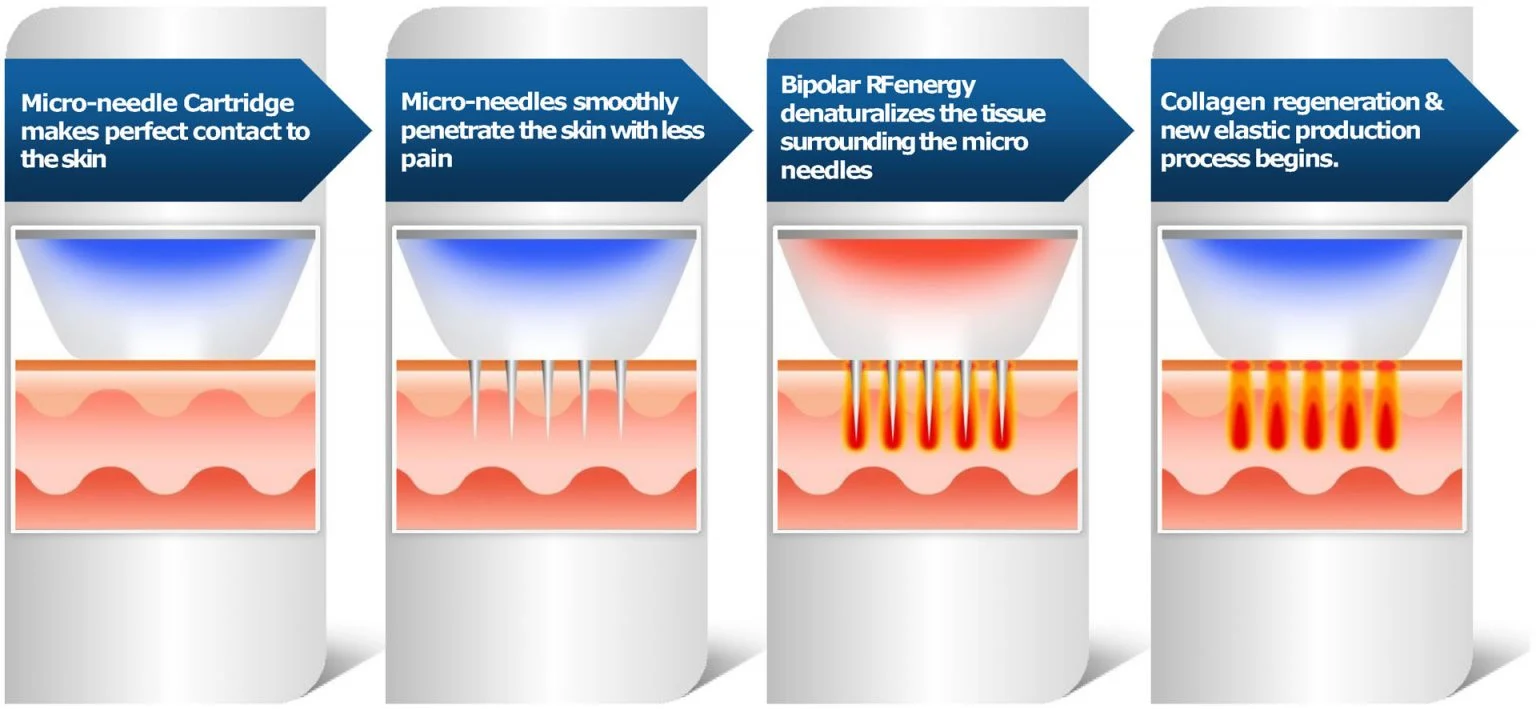
Modern RF microneedling devices are designed with patient comfort in mind. Features such as insulated or semi-insulated needles help deliver radiofrequency energy directly into the dermis while protecting the epidermis from excess heat. This targeted energy delivery significantly reduces surface irritation and helps achieve painless or low-pain RF microneedling for most patients.
Customized Treatment Settings
Clinics can minimize RF microneedling discomfort by adjusting needle depth, energy intensity, and pulse duration based on the treatment area and individual skin condition. Lower energy levels may be used in sensitive zones, while higher settings are reserved for areas requiring deeper collagen stimulation. This customization ensures effective results without unnecessary pain.
Effective Use of Numbing and Cooling Protocols
In addition to topical numbing cream, many clinics incorporate cooling techniques before, during, or after treatment to further enhance comfort. Controlled cooling helps calm the skin, reduce heat sensation, and limit post-treatment redness. When combined with proper preparation, these protocols play a key role in managing RF microneedling pain levels.
Professional Technique and Patient Communication
Experienced practitioners maintain consistent hand movement, proper pressure, and optimal treatment speed to avoid overlapping energy delivery. Clear communication during the procedure also helps patients feel at ease and allows real-time adjustments if discomfort increases. Together, skilled technique and advanced protocols make radiofrequency microneedling treatment both effective and well tolerated.
Is RF Microneedling Worth the Discomfort?
Long-Term Skin Benefits
While some patients may experience mild RF microneedling pain during treatment, the long-term results often outweigh temporary discomfort. RF microneedling stimulates collagen and elastin production, leading to firmer, smoother skin, reduced fine lines, and improved skin texture. For many, these visible improvements make the brief discomfort well worth it.
Treating Multiple Skin Concerns
RF microneedling is highly versatile, addressing concerns like acne scars, stretch marks, enlarged pores, and skin laxity. Because it targets the deeper dermis while minimizing surface trauma, patients often achieve faster, more noticeable results than with traditional microneedling. Knowing what to expect regarding pain and recovery helps patients commit confidently to the treatment plan.
Patient Satisfaction and Repeat Sessions
Most patients report high satisfaction with RF microneedling results, even if they experienced mild discomfort during the procedure. The ability to customize needle depth, energy levels, and treatment frequency allows practitioners to optimize both comfort and outcomes. For those seeking lasting rejuvenation, understanding and managing RF microneedling pain levels ensures a positive treatment experience and encourages return visits for continued skin improvement.
Who Is a Good Candidate for RF Microneedling?
Suitable Skin Types and Concerns
RF microneedling is safe and effective for most skin types, including sensitive and darker skin tones, because it targets the deeper dermis while protecting the epidermis. Ideal candidates are individuals seeking improvement in wrinkles, acne scars, enlarged pores, stretch marks, or skin laxity. Patients looking for non-surgical skin tightening and rejuvenation often find RF microneedling a reliable option.
Who Should Avoid RF Microneedling
Certain conditions may make RF microneedling unsuitable. Patients with active skin infections, severe acne, open wounds, or specific medical implants should consult a qualified practitioner before treatment. Pregnant or breastfeeding patients are also generally advised to postpone RF microneedling.
Importance of Professional Consultation
A professional consultation allows practitioners to assess skin type, concerns, and pain tolerance, ensuring the most effective and comfortable radiofrequency microneedling treatment. Understanding candidacy helps manage expectations about RF microneedling pain, results, and recovery, making the procedure safe and satisfying for every patient.
Recommended RF Microneedling Devices from Krysmed
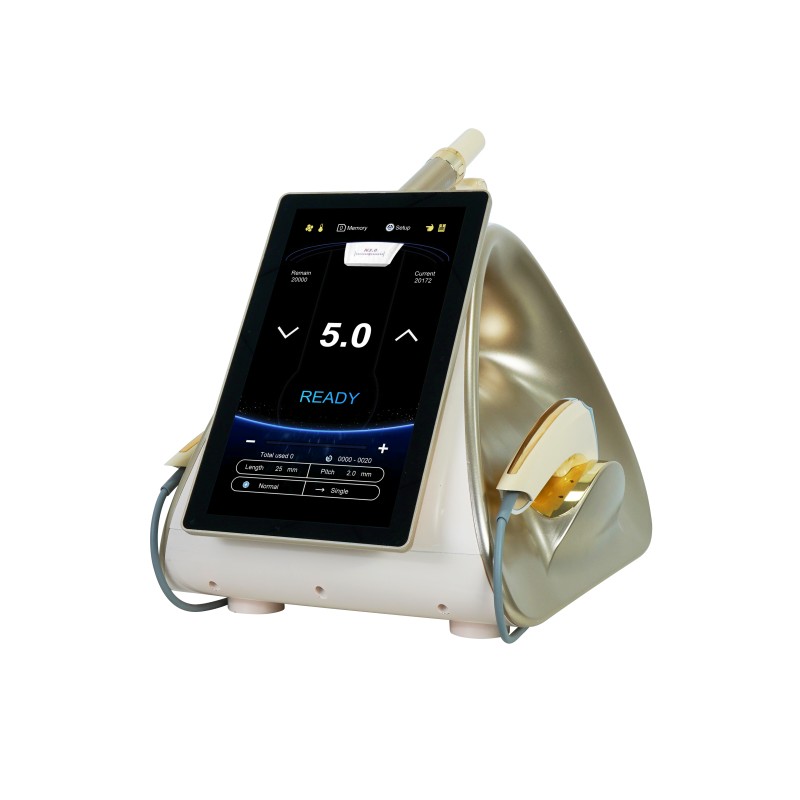
If you’re considering professional-grade RF microneedling equipment to deliver better results with controlled comfort, here are three excellent options from Krysmed that clinics and medspas trust for skin rejuvenation and tightening:
| Device | Key Features | Best For | Learn More |
|---|---|---|---|
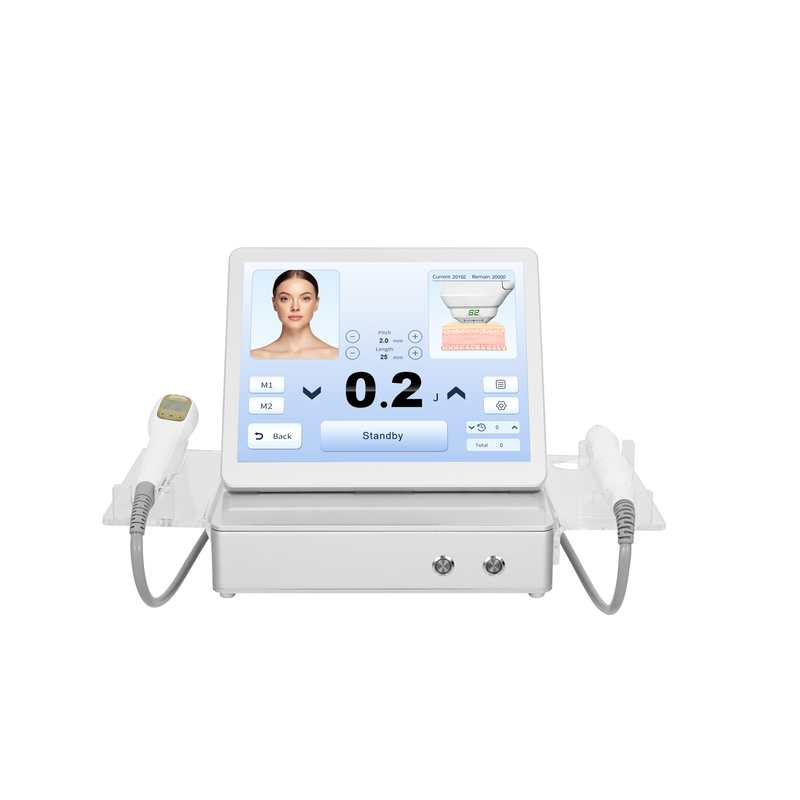
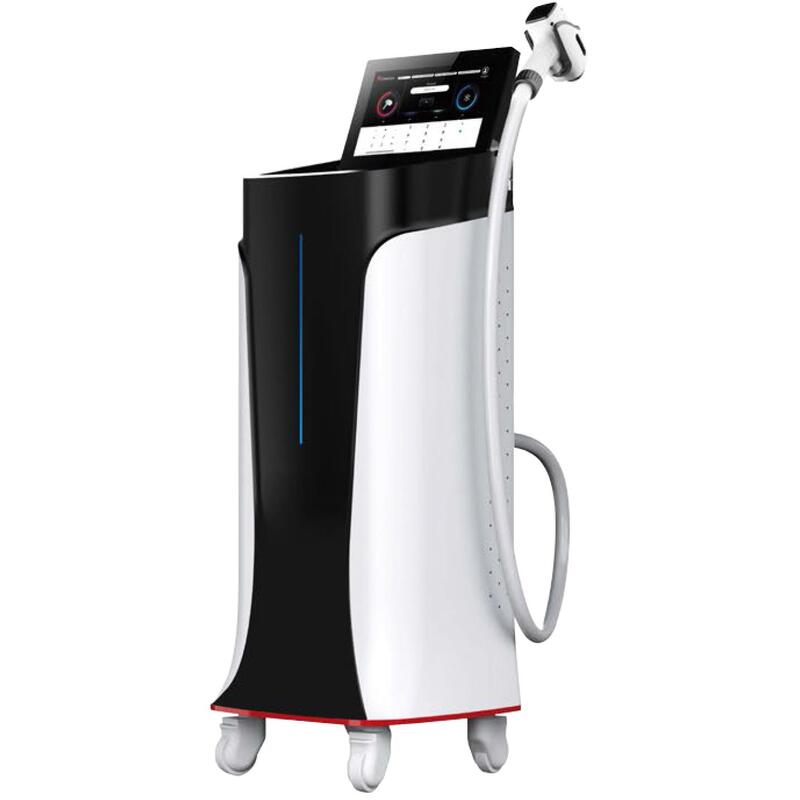
| DermaVance Gold | High-performance RF microneedling, insulated needles, adjustable depth, deep skin rejuvenation, skin tightening | Advanced anti-aging, face & body treatments, clinics seeking high-end results | View Device |
| DermaVance Neo | Fractional RF technology, stimulates collagen & elastin, targets wrinkles, acne scars, and sagging skin | Comprehensive skin texture improvement, scar reduction, versatile clinical applications | View Device |
| DermaVance S | Cost-effective RF microneedling, precise energy delivery, improves skin texture, tightens loose skin, reduces acne scars | Small clinics, startups, mobile clinics, high-quality skin rejuvenation with minimal downtime | View Device |
Conclusion: Understanding Pain Leads to Better Treatment Decisions
Knowing what to expect regarding RF microneedling pain is key to a positive treatment experience. While some mild to moderate discomfort is normal, modern radiofrequency microneedling devices and professional techniques make the procedure well tolerated for most patients. By understanding sensations during treatment, recovery expectations, and factors that affect comfort, patients can make informed decisions and feel confident moving forward.
For those seeking firmer, smoother, and rejuvenated skin, RF microneedling offers a minimally invasive solution with long-lasting results. Choosing an experienced clinic and advanced technology ensures both safety and comfort, making the brief discomfort well worth the transformative benefits.
Ready to Transform Your Clinic with Krysmed RF Microneedling?
Ready to elevate your clinic’s RF microneedling services and provide your patients with visible, lasting results? Contact Krysmed today to explore the DermaVance Gold, Neo, and S devices, and bring professional-grade skin rejuvenation and skin tightening to your practice with minimal discomfort and maximum results.
FAQ: RF Microneedling Pain and Treatment
1. Does RF microneedling hurt?
Most patients experience mild to moderate discomfort, often described as a tingling or warming sensation. Topical numbing cream and modern device technology significantly reduce pain levels.
2. How long does pain last after RF microneedling?
Post-treatment redness, soreness, or warmth usually subsides within 24–72 hours, depending on the treatment area and individual sensitivity.
3. Are some areas more painful than others?
Yes. Thinner or more sensitive areas, like the forehead, jawline, or around the mouth, may feel slightly more intense compared to thicker skin areas like the cheeks or body.
4. Can RF microneedling be done pain-free?
While completely pain-free treatment is rare, advanced devices, topical numbing, and cooling protocols make most sessions very tolerable.
5. How does RF microneedling compare to traditional microneedling in terms of pain?
RF microneedling often feels more comfortable because radiofrequency energy allows fewer passes and less mechanical trauma, while still stimulating collagen and elastin effectively.
6. Can pain be managed during the procedure?
Yes. Practitioners can adjust needle depth, RF energy, and pulse duration, and use topical anesthetics or cooling methods to maintain comfort throughout the session.
7. Who should avoid RF microneedling?
Patients with active infections, open wounds, severe acne, certain medical implants, or pregnancy should avoid treatment until cleared by a qualified professional.
8. When can I see results despite mild discomfort?
Most patients notice visible improvement in skin texture, tightness, and scarring after 1–2 sessions, with optimal results appearing after 3–4 treatments depending on skin concerns.
 WhatsApp
 info@krysmed.com
 +86 19867944875