

News
15
Dec
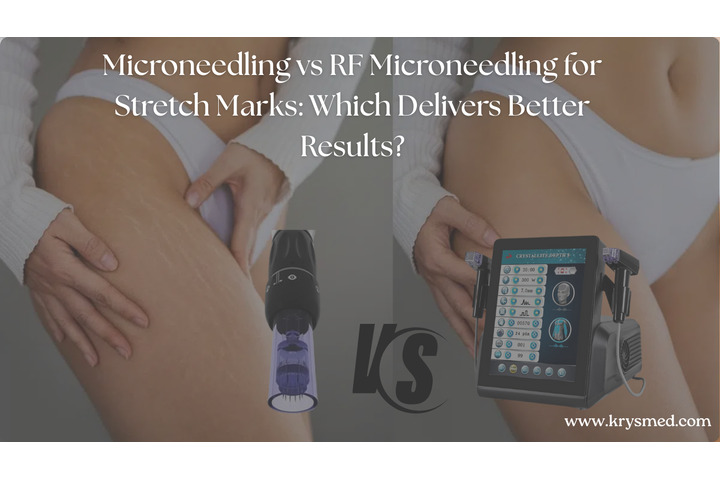
Microneedling vs RF Microneedling for Stretch Marks: Which Delivers Better Results?
Stretch mark treatment remains a persistent challenge for aesthetic clinics, especially when treating deeper or mature lesions. While traditional microneedling can stimulate collagen remodeling, its results are often limited by treatment depth and consistency. As patient expectations rise and clinics seek more predictable outcomes, RF microneedling has emerged as a more advanced approach for stretch mark reduction.
This article compares microneedling vs RF microneedling for stretch marks from a clinical perspective, focusing on treatment depth, collagen stimulation, session efficiency, and overall results—helping practitioners determine which technology delivers greater value for both patients and clinics.
Understanding Stretch Marks
What Are Stretch Marks?
Stretch marks, medically referred to as striae distensae, are dermal lesions caused by mechanical stretching of the skin combined with structural disruption of collagen and elastin fibers. Unlike surface-level texture issues, stretch marks represent a form of deep dermal damage, which is why they are notably resistant to topical treatments and superficial procedures.
They most commonly appear on areas prone to volume changes, including the abdomen, thighs, hips, buttocks, breasts, and upper arms.
Why Stretch Marks Are Difficult to Treat
From a clinical perspective, stretch marks are challenging because the primary damage occurs below the epidermis. As collagen fibers break and elastin networks weaken, the skin loses its ability to recoil and regenerate normally.
Over time, the dermal matrix becomes thinner and less responsive to treatments that rely solely on surface stimulation. This explains why conventional skincare products and low-energy devices often deliver minimal or short-lived improvements.
Types of Stretch Marks: Early vs Mature
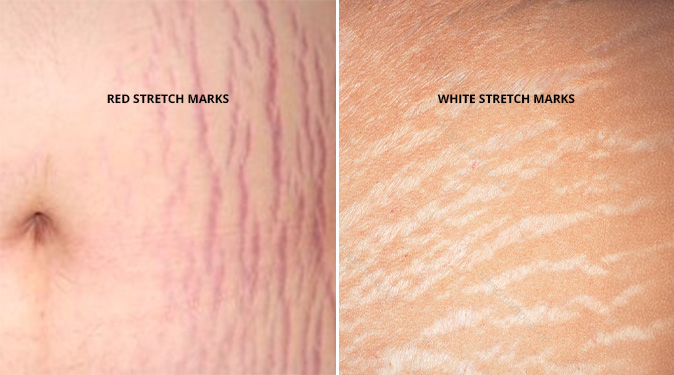
Stretch marks progress through distinct stages, each requiring a different treatment strategy.
Early-stage stretch marks (striae rubrae)
These appear red or purple due to increased vascular activity. At this stage, the dermis still retains some regenerative capacity, making collagen-stimulating treatments more effective.
Mature stretch marks (striae albae)
These present as white, depressed, and fibrotic scars. Vascularity is reduced, and collagen structures are more rigid, requiring deeper dermal stimulation and thermal remodeling to achieve visible improvement.
Clinical Implications for Treatment Selection
Effective stretch mark treatment depends on targeting the depth, severity, and maturity of the lesions. Technologies that can precisely reach the mid-to-deep dermis and induce controlled collagen remodeling are better suited for long-term improvement.
This clinical understanding explains why advanced modalities—particularly RF microneedling—are increasingly preferred over traditional microneedling when treating moderate to severe stretch marks in professional settings.
What Is Traditional Microneedling?
How Traditional Microneedling Works
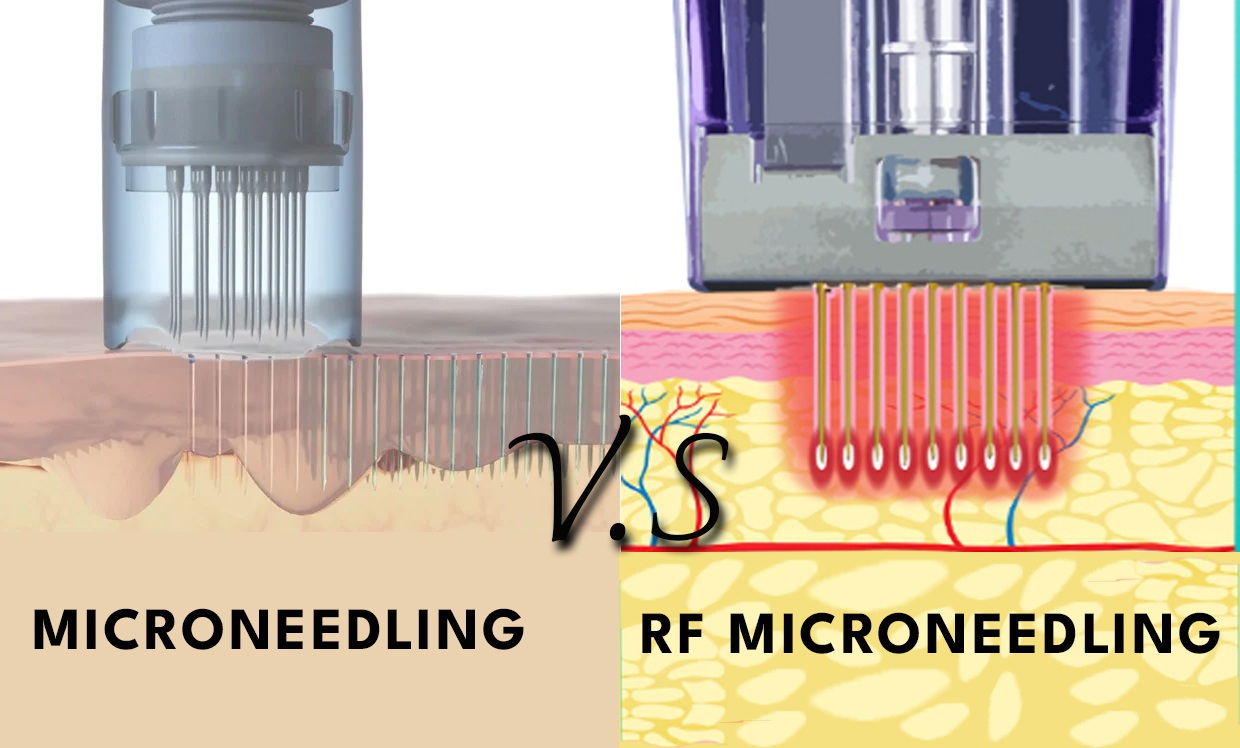
Traditional microneedling is a minimally invasive treatment that uses fine needles to create controlled micro-injuries in the skin. These microchannels trigger the body’s natural wound-healing response, stimulating fibroblast activity and promoting new collagen and elastin production.
For stretch mark treatment, microneedling primarily aims to improve skin texture and firmness by encouraging collagen remodeling within the superficial to mid-dermal layers. It may also enhance the penetration of topical agents, such as growth factors or serums, used during or after treatment.
Benefits of Microneedling for Stretch Marks
Traditional microneedling can be effective in selected cases, particularly when treating early-stage or mild stretch marks. Key clinical benefits include:
Improved skin texture and smoothness
Gradual stimulation of collagen synthesis
Minimal downtime compared to ablative procedures
Broad skin type compatibility
These advantages make microneedling a common entry-level treatment for clinics offering stretch mark reduction.
Limitations of Traditional Microneedling
Despite its benefits, traditional microneedling has notable limitations when used for moderate to severe stretch marks.
First, treatment depth is mechanically limited and can be inconsistent, especially across larger body areas. Without energy delivery, collagen stimulation relies solely on physical injury, which may not be sufficient to remodel dense, fibrotic tissue.
Second, traditional microneedling lacks thermal stimulation, a key factor in effective collagen contraction and long-term remodeling. As a result, multiple sessions are often required, and clinical outcomes may be subtle or unpredictable for mature stretch marks.
Finally, because the biological response is limited, patients with deeper or long-standing stretch marks may experience slower improvement, leading clinics to seek more advanced technologies capable of delivering stronger and more consistent results.
What Is RF Microneedling?
How RF Microneedling Works
RF microneedling combines mechanical microneedles with controlled radiofrequency energy delivered directly into the dermis. Unlike traditional microneedling, which relies solely on physical micro-injuries, RF microneedling releases thermal energy at precise depths, creating a stronger and more targeted collagen remodeling response.
By bypassing the epidermis and depositing energy within the mid-to-deep dermal layers, RF microneedling stimulates fibroblast activity, collagen contraction, and neocollagenesis while minimizing surface damage.
Core Advantages of RF Microneedling for Stretch Marks
From a clinical standpoint, RF microneedling offers several key advantages that make it particularly effective for stretch mark treatment:
Deeper and more consistent treatment depth
Adjustable needle penetration allows practitioners to target the exact dermal layer affected by stretch marks.
Thermal collagen remodeling
Radiofrequency energy enhances collagen denaturation and regeneration, leading to stronger tissue tightening and structural improvement.
Improved outcomes for mature stretch marks
RF energy helps remodel fibrotic tissue that is typically resistant to traditional microneedling alone.
Reduced reliance on multiple sessions
Stronger biological stimulation often results in visible improvement in fewer treatments.
Why RF Energy Makes a Clinical Difference
The addition of radiofrequency energy transforms microneedling from a surface-focused procedure into a true dermal remodeling treatment. Controlled heat not only accelerates collagen regeneration but also improves the organization and density of newly formed fibers.
For clinics treating moderate to severe stretch marks, this combination of mechanical and thermal stimulation delivers more predictable outcomes, higher patient satisfaction, and improved long-term results compared to traditional microneedling.
Microneedling vs RF Microneedling: Side-by-Side Clinical Comparison
When comparing treatment options for stretch marks, understanding the clinical performance differences between traditional microneedling and RF microneedling is essential. While both techniques aim to stimulate collagen production, their mechanisms, treatment depth, and clinical outcomes differ significantly—especially in moderate to severe cases.
The following comparison highlights key factors clinics should consider when selecting the most effective technology for stretch mark reduction.
Clinical Comparison Table
| Clinical Factor | Traditional Microneedling | RF Microneedling |
|---|---|---|
| Energy Delivery | Mechanical micro-injury only | Microneedles combined with controlled RF thermal energy |
| Treatment Depth | Limited and mechanically dependent | Precisely adjustable mid-to-deep dermal targeting |
| Collagen Stimulation | Mild to moderate stimulation | Enhanced collagen contraction and neocollagenesis |
| Effectiveness for Mature Stretch Marks | Often limited results | Clinically more effective for fibrotic tissue remodeling |
| Number of Sessions Required | Multiple sessions typically required | Fewer sessions needed for visible improvement |
| Result Consistency | Operator-dependent and variable | More predictable and consistent outcomes |
| Downtime | Minimal to mild | Minimal, with controlled thermal impact |
| Clinic ROI Potential | Lower treatment pricing | Higher-value treatments and improved patient retention |
Key Clinical Takeaways
While traditional microneedling remains a viable option for early-stage stretch marks, its lack of thermal stimulation limits its effectiveness for deeper dermal damage. RF microneedling, by contrast, delivers controlled heat directly to the target tissue, enabling stronger collagen remodeling and more reliable clinical outcomes.
For clinics seeking greater treatment efficiency, improved patient satisfaction, and long-term results—particularly in cases of mature stretch marks—RF microneedling demonstrates clear clinical advantages.
Which Treatment Delivers Better Results for Stretch Marks?
When evaluating stretch mark treatments from a clinical perspective, the effectiveness of each modality depends largely on stretch mark severity, depth, and patient-specific skin characteristics.
Early-Stage Stretch Marks (Striae Rubrae)
For red or purple, recently formed stretch marks, traditional microneedling can provide visible improvements. The superficial collagen stimulation and enhanced skin texture can reduce the appearance of early lesions, particularly when combined with topical serums or growth factors. However, results may require multiple sessions and are generally moderate.
Mature Stretch Marks (Striae Albae)
White, fibrotic, and indented stretch marks respond less effectively to traditional microneedling due to limited treatment depth and absence of thermal remodeling. RF microneedling, with its ability to deliver controlled radiofrequency energy into the mid-to-deep dermis, achieves more substantial collagen remodeling and tissue tightening. Clinical experience shows improved skin thickness, elasticity, and long-term appearance after fewer treatment sessions compared to traditional microneedling.
Clinical Conclusion
Traditional Microneedling: Effective for mild, early-stage stretch marks; requires more sessions; results are moderate and variable.
RF Microneedling: Superior for moderate to severe stretch marks; deeper dermal targeting; stronger and more consistent outcomes; fewer sessions needed.
For clinics aiming to maximize patient satisfaction and provide predictable, long-lasting results, RF microneedling clearly delivers the better clinical outcome, particularly for mature stretch marks that are resistant to surface-level treatments.
Recommended Number of Sessions & Treatment Plan
The number of sessions and treatment planning for stretch marks depend on the modality used, stretch mark severity, and patient skin characteristics. Clinics should tailor protocols to balance optimal clinical outcomes with patient comfort and treatment efficiency.
Traditional Microneedling
Early-stage stretch marks (striae rubrae):
Typically 4–6 sessions spaced 4–6 weeks apart.
Mature stretch marks (striae albae):
Often 6–8 sessions or more; improvements may be subtle.
Key considerations:
Requires consistent follow-up
Multiple sessions increase patient retention but may lead to variable results
RF Microneedling
Early-stage stretch marks (striae rubrae):
3–4 sessions, spaced 4–6 weeks apart.
Mature stretch marks (striae albae):
4–6 sessions are usually sufficient due to deeper dermal remodeling.
Key considerations:
Adjustable needle depth and energy allow precise targeting
Stronger collagen stimulation reduces the total number of sessions
Clinically predictable and long-lasting improvement
Clinical Comparison Table
| Stretch Mark Type | Traditional Microneedling Sessions | RF Microneedling Sessions | Notes for Clinics |
|---|---|---|---|
| Early-stage (Red / Purple) | 4–6 sessions | 3–4 sessions | Both modalities effective; RF may accelerate results |
| Mature (White / Fibrotic) | 6–8+ sessions | 4–6 sessions | RF microneedling provides deeper remodeling and higher patient satisfaction |
| Large or Extensive Areas | Variable; more sessions may be needed | Fewer sessions due to adjustable depth and energy delivery | RF energy allows more consistent outcomes across larger body areas |
Safety & Skin Type Considerations
Ensuring patient safety and minimizing side effects is a critical aspect of any stretch mark treatment protocol. Both traditional microneedling and RF microneedling are generally well-tolerated, but understanding skin type-specific responses, contraindications, and post-treatment care is essential for predictable outcomes.
Patient Skin Types and Treatment Response
Fitzpatrick Skin Types I–III
Typically lower risk of post-inflammatory hyperpigmentation (PIH).
Both microneedling and RF microneedling are safe and effective.
Fitzpatrick Skin Types IV–VI
Higher risk of PIH, especially with higher energy settings or aggressive treatment.
RF microneedling allows controlled energy delivery, reducing thermal risk while providing effective collagen remodeling.
Proper pre- and post-treatment protocols are essential to prevent pigmentation changes.
Common Safety Considerations
Needle Depth and Energy Settings
Adjust based on stretch mark depth, patient comfort, and skin type.
RF microneedling devices often allow precise depth and energy control to enhance safety.
Avoiding Over-Treatment
Excessive sessions or high energy can cause burns, scarring, or prolonged erythema.
Maintain recommended intervals (typically 4–6 weeks) to allow dermal recovery.
Contraindications
Active infections or skin inflammation in the treatment area
History of keloid formation or abnormal scarring
Pregnancy or certain systemic conditions
Post-Treatment Care
Apply soothing and protective products
Advise patients to avoid sun exposure and harsh exfoliants
Educate on expected temporary redness or swelling
Clinical Takeaways for Clinics
RF microneedling offers enhanced safety for darker skin types due to controlled energy delivery.
Proper patient selection, device calibration, and post-care protocols are essential to maximize outcomes and minimize complications.
Clinics that implement thorough safety protocols enhance patient confidence, satisfaction, and retention while maintaining predictable results.
Conclusion
For clinics aiming to deliver reliable and effective stretch mark treatments, understanding the differences between traditional microneedling and RF microneedling is essential. While traditional microneedling can improve early-stage stretch marks, RF microneedling provides deeper dermal remodeling, stronger collagen stimulation, and more predictable results for moderate to severe cases. By incorporating RF microneedling into your practice, clinics can enhance patient satisfaction, reduce the number of treatment sessions, and achieve superior long-term outcomes.
Upgrade Your Stretch Mark Treatments with Krysmed RF Microneedling
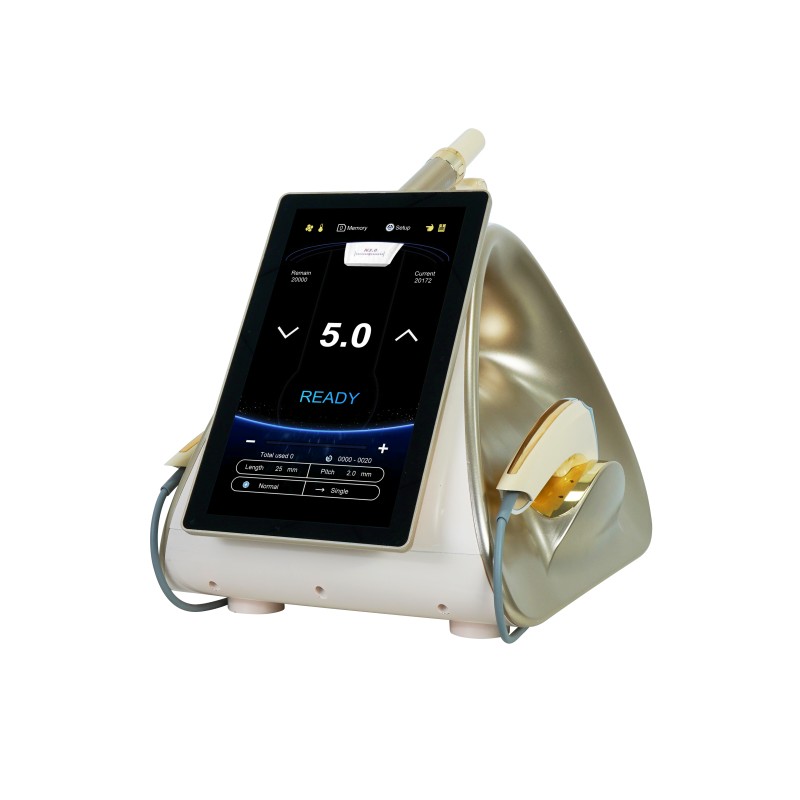
Krysmed’s RF microneedling devices are designed for professional clinics seeking advanced, efficient, and safe solutions for stretch mark reduction. With precise energy delivery, adjustable needle depth, and clinically proven outcomes, Krysmed RF microneedling allows practitioners to offer high-value, results-driven treatments that patients love.
Contact Krysmed today to learn how our RF microneedling technology can elevate your clinic’s stretch mark treatments, boost patient satisfaction, and improve revenue.
FAQ: Microneedling & RF Microneedling for Stretch Marks
1. How many sessions are needed for stretch mark improvement?
Early-stage stretch marks usually need 4–6 traditional microneedling sessions, while RF microneedling often achieves visible results in 3–4 sessions. Mature marks may require 6 or more sessions.
2. Can RF microneedling treat all skin types safely?
Yes, RF microneedling allows controlled energy delivery, making it safer for darker skin types and reducing the risk of pigmentation changes compared to traditional microneedling.
3. What is the difference in treatment depth between traditional and RF microneedling?
Traditional microneedling primarily affects superficial to mid-dermal layers, while RF microneedling reaches deeper dermal layers for enhanced collagen remodeling.
4. Are the results of RF microneedling longer-lasting?
Yes, RF microneedling stimulates deeper collagen contraction and neocollagenesis, leading to more durable improvement, especially for mature stretch marks.
5. Is there any downtime after microneedling treatments?
Downtime is minimal. Patients may experience mild redness or swelling for 1–3 days, which typically resolves without intervention.
6. Can microneedling be combined with other therapies?
Yes, it can be paired with topical serums, growth factors, or PRP to enhance collagen stimulation, but care should be taken on inflamed or compromised skin.
7. What are the main limitations of traditional microneedling?
Traditional microneedling has limited depth, lacks thermal stimulation, and may require more sessions to achieve results, particularly for mature or fibrotic stretch marks.
8. Why do clinics prefer RF microneedling for severe stretch marks?
RF microneedling delivers controlled thermal energy to the dermis, enabling stronger collagen remodeling, fewer sessions, predictable outcomes, and higher patient satisfaction.
Our Contact
Ready to Elevate Your Business with Krysmed?
Let’s discuss your needs and find the best solution for your business. Our experts are here to provide personalized recommendations tailored to your business needs.
-
Call For Inquiry
-
Send Us Email
info@krysmed.com
Get A Custom Quote Now!
We value your privacy and guarantee a prompt, professional reply.
 WhatsApp
 info@krysmed.com
 +86 19867944875