


News
17
Dec
How to Choose the Right Skin Analysis Machine for Clinics in 2026
In 2026, skin analysis machines have become a core investment for aesthetic clinics seeking more accurate diagnoses, personalized treatment plans, and higher client trust. As clients increasingly expect data-driven consultations, choosing the right skin analysis machine is no longer optional—it directly impacts treatment outcomes, skincare sales, and clinic credibility.
With a wide range of technologies available, from AI-powered skin analyzers to multispectral and 3D imaging systems, selecting the right device can be challenging. This guide explains how clinics can evaluate skin analysis machines based on technology, accuracy, usability, and return on investment—helping you make a smart, future-proof decision in 2026.
What Is a Skin Analysis Machine and Why Clinics Need One
A skin analysis machine is a professional diagnostic device designed to evaluate both surface and underlying skin conditions using advanced imaging and data analysis. Unlike manual assessments, modern skin analyzers provide objective, visual, and measurable insights that help clinics deliver more accurate consultations and personalized treatment plans.
In 2026, skin analysis machines are no longer just “consultation tools”—they have become essential systems for improving clinical accuracy, client confidence, and overall clinic performance.
What Does a Skin Analysis Machine Do?
A professional skin analysis machine captures high-resolution images of the skin using technologies such as RGB imaging, UV light, polarized light, and AI-based software. These systems can identify and evaluate key skin concerns, including:
Pigmentation and sun damage
Wrinkles and fine lines
Pore size and skin texture
Oil balance, redness, and sensitivity
Early signs of aging beneath the skin surface
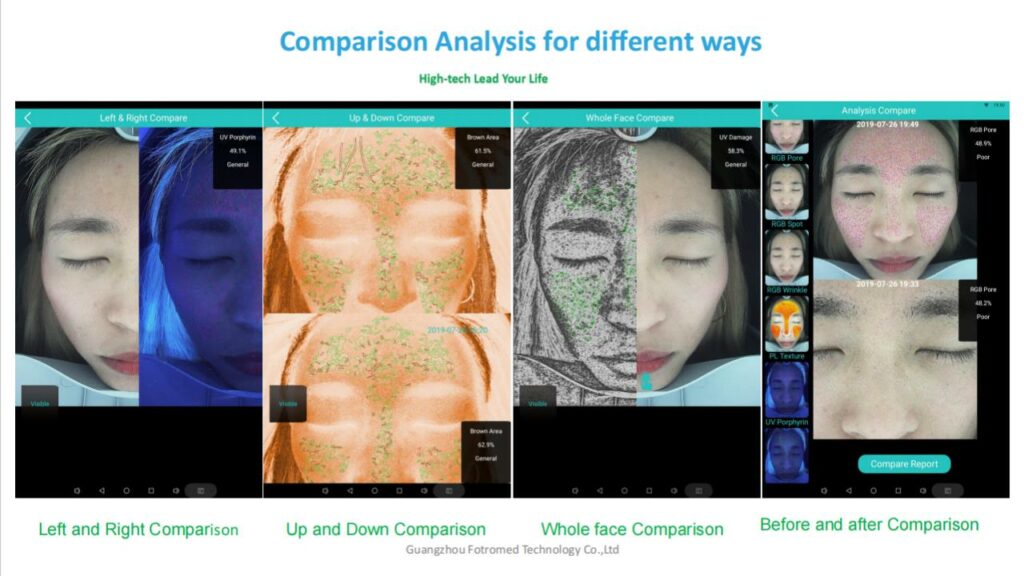
By converting visual data into structured reports, skin analyzers help clinics explain skin conditions clearly and recommend targeted treatments with confidence.
Why Skin Analysis Matters for Modern Aesthetic Clinics
Today’s clients expect more than visual opinions—they want measurable results and professional justification. A skin analysis machine allows clinics to move from subjective assessments to data-driven consultations, improving trust and treatment acceptance.
For clinics, this means:
Higher consultation credibility
Better treatment and skincare product conversion
Clear before-and-after tracking
Stronger long-term client relationships
Skin analysis technology also standardizes consultations across staff, ensuring consistent quality regardless of practitioner experience.
Professional Skin Analysis vs Manual Skin Assessment
Manual skin assessment relies heavily on practitioner experience and visual judgment, which can vary from one consultation to another. In contrast, a skin analysis machine provides repeatable, objective data that can be documented and compared over time.
For clinics focused on growth and professionalism in 2026, investing in a skin analysis machine is not about replacing expertise—it is about enhancing it with technology that supports better clinical decisions and business outcomes.
Key Skin Analysis Technologies Used in 2026
In 2026, professional skin analysis machines combine multiple imaging technologies and intelligent software to deliver accurate, data-driven skin assessments. Each technology serves a different diagnostic purpose, and understanding their functions helps clinics choose a system that matches their clinical goals and service offerings.
Overview of Skin Analysis Technologies
| Technology | Primary Function | Skin Concerns Analyzed | Best For Clinics That Focus On |
|---|---|---|---|
| RGB Imaging | High-resolution surface imaging | Wrinkles, pores, texture, redness, skin tone | Daily consultations, baseline skin assessments |
| UV Imaging | Reveals underlying skin damage | Pigmentation, sun damage, acne bacteria | Pigmentation treatment, acne management |
| Polarized Light | Enhances contrast beneath skin surface | Oil balance, inflammation, vascular conditions | Sensitive skin & redness analysis |
| AI-Powered Analysis | Automated skin condition recognition | Severity scoring, skin age, condition trends | Consistent consultations & treatment tracking |
| 3D Imaging | Depth and volume visualization | Wrinkle depth, facial contours | Anti-aging & lifting treatments |
| Multispectral Analysis | Multi-layer skin evaluation | Aging patterns, melanin distribution | Premium aesthetic & medical clinics |
| Cloud-Based Reporting | Data storage & client reporting | Before-and-after tracking, client history | Clinics focused on long-term client management |
How Clinics Should Use This Technology Comparison
Rather than choosing a skin analysis machine based on a single feature, clinics should evaluate how these technologies work together. Most successful clinics in 2026 rely on RGB imaging combined with UV or AI analysis for routine consultations, while advanced or premium clinics benefit from 3D and multispectral systems for in-depth anti-aging treatment planning.
Selecting the right technology mix ensures accurate diagnosis, stronger client trust, and higher treatment conversion rates.
Essential Features Clinics Should Look For
When choosing a skin analysis machine in 2026, clinics should look beyond basic imaging and focus on features that improve diagnostic accuracy, workflow efficiency, and long-term value. The right combination of features not only enhances consultations but also supports clinic growth and client retention.
Diagnostic Accuracy & Result Consistency
Accuracy is the foundation of any professional skin analysis system. A reliable machine should deliver consistent results across multiple sessions, allowing clinics to track skin changes objectively over time.
Clinics should prioritize systems that minimize operator influence and provide standardized measurements, especially when multiple practitioners perform consultations.
Ease of Use & Consultation Workflow
A skin analysis machine should simplify—not slow down—daily clinic operations. Intuitive software, fast image capture, and clear result displays help practitioners conduct professional consultations without extending appointment times.
User-friendly systems also reduce staff training costs and ensure consistent consultation quality.
Client Reporting & Visualization Tools
Clear visual reports play a key role in client understanding and treatment acceptance. High-quality before-and-after comparisons and structured skin reports help clients see their skin conditions objectively, increasing trust and treatment conversion.
Customizable reports also enhance clinic branding and professionalism.
Software Updates, Support & Scalability
Skin analysis technology continues to evolve rapidly. Clinics should choose machines with regular software updates, reliable technical support, and scalable features that remain relevant as treatment offerings expand.
Long-term support is especially important for clinics planning growth or multi-location operations.
Key Feature Comparison for Clinic Buyers
| Feature | Why It Matters for Clinics | What to Look For in 2026 |
|---|---|---|
| High Imaging Accuracy | Ensures reliable diagnosis & treatment tracking | Stable imaging, repeatable results |
| AI Analysis Software | Reduces subjectivity & saves consultation time | Automated scoring & condition recognition |
| Fast Scan Speed | Improves clinic efficiency | Full analysis within minutes |
| User-Friendly Interface | Lowers staff training requirements | Simple navigation & clear visuals |
| Client Report System | Boosts trust & treatment conversion | Visual charts, before/after comparison |
| Cloud or Data Storage | Supports long-term client management | Secure client history & image storage |
| Software Updates | Keeps technology future-proof | Ongoing upgrades included |
| After-Sales Support | Protects clinic investment | Training, warranty & technical support |
How These Features Impact Clinic ROI
Clinics that invest in skin analysis machines with the right feature set benefit from smoother consultations, higher treatment acceptance rates, and stronger long-term client relationships. In 2026, the best-performing clinics choose systems that balance performance, usability, and scalability—rather than focusing on price alone.
How to Match a Skin Analysis Machine to Your Clinic Type
Not all clinics require the same level of skin analysis technology. Choosing a skin analysis machine that aligns with your clinic type, service scope, and client expectations ensures better usability, higher return on investment, and long-term satisfaction.
Skin Analysis Machine Selection by Clinic Type
| Clinic Type | Key Priorities | Recommended Technology Level |
|---|---|---|
| Small Aesthetic Clinics | Speed, ease of use, visuals | RGB + UV + AI |
| Med Spas | Client education, conversion | RGB + UV + AI reporting |
| Dermatology Clinics | Diagnostic depth, consistency | UV + Polarized + Multispectral |
| Premium Anti-Aging Clinics | Advanced visualization | 3D + AI + Multispectral |
| Mobile / Home Clinics | Portability, efficiency | Compact RGB + Cloud-based system |
Choosing Technology That Supports Growth
As clinics expand their services, skin analysis machines should support future upgrades and evolving treatment offerings. Selecting a system that matches your current clinic type—while allowing room for growth—ensures your investment remains valuable in 2026 and beyond.
Common Mistakes Clinics Make When Buying a Skin Analyzer
Buying a skin analysis machine is a long-term investment, yet many clinics make avoidable mistakes that limit both clinical effectiveness and return on investment. Understanding these common pitfalls helps clinics choose a skin analyzer that delivers real value in daily practice.
Choosing Based on Price Alone
One of the most common mistakes is selecting a skin analyzer solely because it is the cheapest option. While low-cost systems may appear attractive, they often lack diagnostic accuracy, stable software, or reliable after-sales support.
Clinics may quickly outgrow entry-level devices, leading to additional replacement costs and workflow disruptions.
Focusing on Appearance Instead of Performance
Some skin analysis machines prioritize visual effects over clinical usefulness. While impressive images may attract attention, they do not always translate into accurate or repeatable results.
A professional skin analyzer should support consistent diagnosis, measurable tracking, and clear treatment planning—not just visually appealing graphics.
Ignoring Software Updates and Long-Term Support
Skin analysis technology evolves rapidly. Clinics that overlook software update policies or technical support availability risk investing in systems that become outdated within a short period.
Reliable vendors should provide ongoing updates, technical assistance, and training to ensure the system remains effective in 2026 and beyond.
Not Aligning the Machine with the Clinic’s Service Focus
Different clinics have different needs. A device designed for high-end anti-aging clinics may not suit a small med spa or mobile practice.
Failing to match the skin analyzer to the clinic’s treatment focus, client volume, and workflow often leads to inefficient use and lower ROI.
Overlooking Training and Integration into Consultations
Even the best skin analysis machine delivers poor results if staff are not properly trained. Clinics sometimes underestimate the importance of structured training and consultation integration.
Without clear workflows, skin analysis remains a “nice extra” rather than a powerful consultation and sales tool.
Recommended Solution — Krysmed Skin Analysis Machines
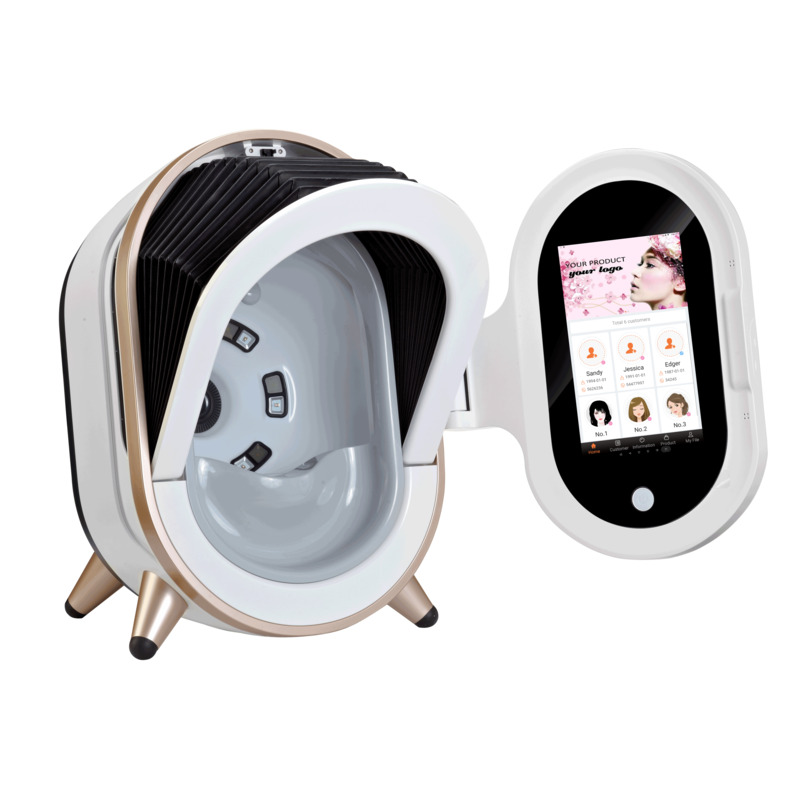
When it comes to choosing a professional skin analysis machine that meets the needs of clinics in 2026, a reliable and future-proof choice can make a real difference in your consultation quality and business growth. One solution worth considering is the DermaScan 3D Analyzer designed specifically for aesthetic clinics, medspas, and dermatology centers.
Professional-Grade Analysis for Clinics
Krysmed’s skin analysis systems provide comprehensive, scientific evaluations of skin conditions by combining RGB visible light, polarized light (PL), and UV spectrum imaging with artificial intelligence. This multi-spectrum approach delivers detailed insights into parameters such as hydration, elasticity, pigmentation, pores, acne, and other key indicators of skin health — helping clinics make accurate, data-backed recommendations for treatment and skincare plans.
AI‑Driven Imaging and Fast Reporting
High‑Resolution Cameras: Krysmed devices feature 10–15MP high-resolution imaging that captures clear, detailed facial data.
AI Analysis: Smart algorithms identify and quantify various skin issues, enabling consistent diagnostic results across multiple consultations.
Rapid Reports: Personalized skin reports can be generated in as little as ~20 seconds, optimizing consultation efficiency and client engagement.
This blend of speed and accuracy supports clinics in delivering professional consultations without slowing down daily workflow.
Customization and Brand Identity Support
What sets Krysmed apart is its strong focus on customization and clinic branding. With full OEM & ODM support, you can tailor device appearance, software interface, diagnostic parameters, and reporting formats to reflect your clinic’s unique brand identity. This makes the device not only a functional asset but also a brand differentiator.
Designed for Real Clinic Needs
Whether you operate a small med spa or a multi‑location dermatology center, Krysmed’s skin analysis solutions are built to address practical business needs:
Clinic and Spa Integration: Easy‑to‑use systems that support high‑volume consultations
Scalability: Cloud storage and data management options for tracking client history and progress
Revenue Opportunities: Precise analysis enables tailored treatment and product recommendations, increasing treatment acceptance and product sales
Professional Support: Training, technical assistance, and software updates that help you get the most from your investment.
Summary – Why Clinics Choose Krysmed
| Benefit | How It Helps Your Clinic |
|---|---|
| Accurate Diagnostic Data | Offers precise skin condition insights that build client trust |
| AI‑Driven Reports | Faster consultations and clearer treatment planning |
| Brand Customization (OEM/ODM) | Reinforces clinic identity and marketing power |
| Scalable Data Management | Tracks progress and supports repeat visits |
| Professional Support & Updates | Ensures long‑term usability and reliability |
Whether you’re upgrading an existing system or investing in your first professional skin analyzer, the Krysmed DermaScan 3D Analyzer provides a balance of performance, usability, and business value — making it a compelling choice for clinics in 2026.
Conclusion – Making the Right Investment for Your Clinic
Choosing the right skin analysis machine goes beyond the initial purchase price. Clinics should carefully evaluate technology, essential features, and compatibility with their service model to ensure the system enhances both clinical accuracy and client experience.
A professional skin analyzer is a long-term investment that builds trust, supports personalized treatment plans, and strengthens your clinic’s reputation. By selecting a machine that aligns with your clinic’s workflow, client needs, and growth objectives, you not only improve diagnostic outcomes but also increase treatment acceptance and overall revenue.
Investing in the right system today means your clinic will be ready for the demands of 2026 and beyond, delivering professional, data-driven consultations that differentiate your services from competitors.
Looking to upgrade your clinic with a professional skin analysis solution?
Contact Krysmed today to explore advanced skin analysis machines designed for accuracy, ease of use, and real clinic results.
Enhance your consultations, build client trust, and drive clinic growth with a solution trusted by aesthetic professionals worldwide.
Frequently Asked Questions (FAQ) About Skin Analysis Machines
1. What is a skin analysis machine and how does it work?
A skin analysis machine is a professional diagnostic device that uses RGB, UV, polarized light, and AI technologies to assess skin conditions. It captures high-resolution images and analyzes parameters such as hydration, pigmentation, elasticity, wrinkles, and acne, helping clinics create personalized treatment plans.
2. Why do aesthetic clinics need a skin analysis machine?
Skin analysis machines improve consultation accuracy, build client trust, and increase treatment conversion rates. Clinics use these devices to diagnose underlying skin issues that are not visible to the naked eye, enabling targeted treatment recommendations and long-term client management.
3. How much does a professional skin analysis machine cost in 2026?
Prices vary depending on technology and features, but professional skin analysis machines start from $1,500+. Investing in a reliable machine can pay off through increased consultations, treatments, and product sales.
4. Can small clinics or home-based practices benefit from these machines?
Yes. Portable and easy-to-use systems are designed for small aesthetic clinics, med spas, and mobile/home-based practices, allowing professionals to provide accurate skin assessments without the need for large, complex devices.
5. What features should clinics prioritize when choosing a machine?
Key features include:
High imaging accuracy for consistent results
AI-powered analysis to reduce subjectivity
Fast scan speed for efficient workflow
User-friendly interface to minimize staff training
Client reporting system for consultations and treatment planning
Data storage and cloud options for long-term tracking
6. How can skin analysis machines improve clinic revenue?
By providing data-backed consultations, skin analyzers help:
Upsell targeted treatments
Recommend personalized skincare products
Increase repeat client visits
Enhance overall client satisfaction and trust
Our Contact
Ready to Elevate Your Business with Krysmed?
Let’s discuss your needs and find the best solution for your business. Our experts are here to provide personalized recommendations tailored to your business needs.
-
Call For Inquiry
-
Send Us Email
info@krysmed.com
Get A Custom Quote Now!
We value your privacy and guarantee a prompt, professional reply.
 WhatsApp
 info@krysmed.com
 +86 19867944875