

News
07
Nov
The Definitive HIFU Machine Buying Checklist for U.S. Aesthetic Clinics – A Krysmed Guide
In the competitive U.S. aesthetic-medicine market, having the right equipment can make or break your clinic’s success. Among the most sought-after non-surgical technologies today is High Intensity Focused Ultrasound (HIFU). But with so many device options, manufacturers and specifications, it’s easy to get lost in the details. This guide from Krysmed is designed to walk you step-by-step through the key considerations when purchasing a professional HIFU machine for a U.S. clinic: from clinical needs to technology specs, regulatory compliance, supplier reliability, return on investment (ROI), and maintenance. Follow this checklist to ensure your investment drives results — for your patients and your bottom line.
Understanding HIFU: Why It Matters for Your Clinic
Before diving into machine specs, it’s vital to know what HIFU is and why it is worth your investment.
1.What Is HIFU?
HIFU, short for High-Intensity Focused Ultrasound, is a cutting-edge, non-invasive aesthetic technology designed to lift, tighten, and rejuvenate the skin without surgery or downtime.
Unlike lasers or RF treatments that target the surface, HIFU delivers focused ultrasound energy deep beneath the skin to stimulate collagen and elastin regeneration — the essential building blocks of firm, youthful skin.
In aesthetic medicine, HIFU is most commonly used for face lifting, wrinkle reduction, and skin tightening on areas like the jawline, cheeks, neck, and eyes, but it can also be applied to the abdomen, thighs, and arms for overall contouring and toning.
2.How Does HIFU Work?
HIFU works by delivering precisely focused ultrasound energy at specific depths within the skin — typically 1.5mm, 3.0mm, and 4.5mm for facial rejuvenation, and up to 13mm for body treatments.
These ultrasound waves generate thermal coagulation points in the deeper layers of the skin, including the SMAS (Superficial Musculoaponeurotic System) — the same layer targeted during surgical facelifts.
When the tissue is gently heated to around 60–70°C, the body’s natural healing response is triggered, leading to:
Immediate tissue contraction for visible tightening, and
Long-term collagen remodeling, which continues to improve skin firmness over the following 2–3 months.
Because the surface of the skin remains untouched, HIFU offers noticeable lifting with no needles, no downtime, and minimal discomfort.
3.Why HIFU Matters for your Clinic?
In the U.S., aesthetic clinics increasingly look for non-invasive alternatives to surgery for skin tightening, facial lifting, body contouring, and even intimate wellness. A professional HIFU machine enables you to offer such services with minimal downtime.
From a business perspective, offering HIFU treatments can diversify your service menu, increase per-patient revenue, and enhance your clinic’s positioning as a cutting-edge provider.
Thus, buying a HIFU device is not just a hardware purchase — it’s a strategic clinical and business decision. The rest of this checklist will make sure you cover all the necessary bases.
Types of HIFU Machines
Choosing the right type of HIFU machine depends on your clinic’s services, target audience, and budget. Here’s an overview of the main categories:
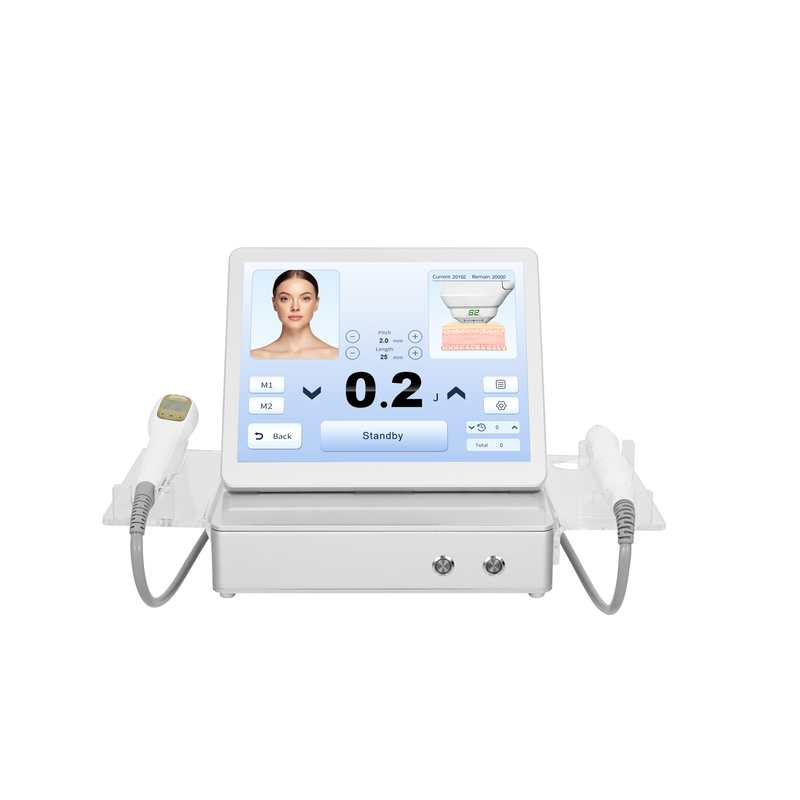
1. Standard 3D/4D HIFU Systems
Example: DermaLift HIFU Pro
Depths: 1.5mm / 3.0mm / 4.5mm
Use: Ideal for facial lifting, fine lines, and neck tightening.
Best for: Entry-level clinics, facial-focused studios, and mobile beauty services.
2. 7D HIFU Systems
Example: DermaLift 7D HIFU
Feature: Micro and Marcro fofused ultrasound energy for faster coverage and less discomfort.
Use: Full face and body contouring.
Best for: Busy clinics needing efficiency and high throughput.
3. HIFU with RF Integration
Example: DermaLift SD HIFU
Feature: Combines Micro-focused ultrasound lifting with RF tightening for dual collagen stimulation.
Use: Ideal for clients with both laxity and surface texture issues.
Best for: Advanced aesthetic centers offering premium anti-aging programs.
4. MPT (Micro-Pulse Technology) HIFU Systems
Example: DermaLift HIFU MPT
Feature: Delivers micro-pulses for finer energy control, suitable for delicate areas like eyes, lips, and forehead.
Use: High-end facial lifting, precision sculpting.
Best for: Luxury clinics or medical spas focusing on natural, pain-free lifting.
By understanding these categories, clinics can align technology choice with treatment goals, pricing strategy, and client demographics.
Buying a HIFU Machine: Budget & ROI Analysis
Investing in a professional HIFU machine should be treated as a business decision, not just a clinical upgrade. Here’s how to plan for it effectively:
1. Initial Investment Range
Professional HIFU systems range from USD 2,800 to USD 12,000, depending on model and features.
2. Consumable Costs
Cartridge life typically spans 10,000–20,000 shots, averaging $0.5–$1 per treatment area.
Krysmed provides full cost transparency so you can calculate your cost-per-treatment upfront.
3. Average Treatment Revenue
Typical U.S. pricing:
Face Lift (Full): $600–$1,500
Neck or Jawline: $350–$600
Body (Arms, Abdomen): $800–$1,800
With 10–15 sessions per month, clinics often recover investment within 2–4 months.
4. ROI Example
If you invest $4,000 in a DermaLift HIFU Pro and perform 12 treatments per month at $800 each,
you’ll reach breakeven in about 5–6 weeks — with minimal consumable cost thereafter.
5. Business Expansion Potential
Adding HIFU expands your treatment portfolio, boosts client retention, and enhances your brand positioning as a non-surgical lifting specialist.
Before You Buy: Turning Knowledge into a Smart Purchase Decision
Now that you understand the types of HIFU machines available and the expected budget & ROI, the next step is to translate this knowledge into a practical buying strategy.
Choosing the right professional HIFU system is not only about specifications — it’s about how well the device aligns with your clinic’s goals, client demographics, and treatment strategy.
A well-planned purchase ensures that your investment delivers measurable results, consistent performance, and long-term profitability.
Whether you’re evaluating DermaLift HIFU Pro, SD HIFU, 7D HIFU, or HIFU MPT, the process should start with a clear understanding of what your clinic truly needs and how each device supports your non-surgical skin-tightening business.
That brings us to the first and most important step in your HIFU machine buying checklist.
Step 1: Define Your Clinic Needs & Target Market
A critical first step: get clarity on what your clinic actually needs.
Treatment scope
Are you focusing primarily on facial treatments (jawline, cheeks, neck) or do you also plan body treatments (arms, abdomen, thighs, knees)?
Will you include specialty treatments like vaginal/ intimate wellness HIFU? Some machines support it.
What is your expected case volume? Are you a high-volume med-spa or a boutique practice with few daily treatments?
Client profile
What age demographic are you serving? Younger clients may desire lifting/preventative services; older clients may want more dramatic tightening.
Do you have clients who value premium non-surgical alternatives? Or are you targeting cost-conscious clients?
Budget and business model
How much capital can you allocate to the machine investment (including shipping, customs, installation, staffing/training)?
What is your anticipated treatment price point, frequency, and client uptake? This will feed into your ROI model.
Do you plan mobile treatments (off-site) or strictly in-clinic? Mobility affects machine size, portability, and setup.
Complementary technologies
Do you already have other devices (e.g., IPL, RF microneedling, EMS Face, etc.) and want HIFU to complement them?
Or will the HIFU machine be your primary investment and service driver?
By defining your clinic’s needs upfront, you’ll be better positioned to evaluate machine options in the next steps.
Step 2:Technical Specifications – What to Evaluate
Once you know your needs, the next step is to drill into the technical specifications of HIFU machines — not all devices are created equal.
Treatment depths and cartridge versatility
A professional HIFU machine should support multiple depths (e.g., 1.5 mm, 3.0 mm, 4.5 mm facial; 6 mm, 8 mm, 13 mm or more for body) so you can customise for different anatomical zones.
Cartridge compatibility and lifespan (how many shots before replacement) are important. Some devices offer “multi-line” or “4D/5D/7D” HIFU systems, which improve efficiency.
Check whether the machine has interchangeable or upgradeable handpieces/cartridges — this gives you flexibility to expand services.
Energy output, power and precision
The amplitude (power) and quality of ultrasound output matter for achieving effective results. Lower-quality machines may under-deliver.
Look for precision in targeting, uniform delivery of energy, and consistent results — this often correlates with build quality and engineering standards.
Patient comfort
Especially for facial treatments, patient comfort and safety are important. Some advanced HIFU machines deliver preciser energy to reduce discomfort and risk of burns.
Good ergonomics of the handpiece (weight, maneuverability) and user interface can enhance the clinician’s experience during long sessions.
Portability & size
If you plan mobile service or small clinic footprint, consider size/weight, trolley vs. cart-based vs. portable unit.
For high-volume clinics, you may prioritise power and capacity rather than portability.
By carefully comparing these technical specs across options, you’ll separate “marketing hype” from machines that truly deliver professional-grade performance.
Step 3: Regulatory Compliance & Safety Certifications
In the U.S. clinic environment, regulatory compliance and safety are non-negotiable.
FDA clearance / 510(k) or equivalent
Ensure the machine is cleared by the U.S. Food and Drug Administration (FDA) or is eligible for clinical use. Some devices may be imported—confirm legal compliance for U.S. clinic use.
If not FDA-cleared for a specific indication (e.g., body contouring vs. facial lifting), make sure your intended use aligns with the clearance.
CE, ISO standards and manufacturing quality
Many machines will carry CE marking (European compliance) and ISO standards such as ISO 13485 (medical device quality management). These give an indication of manufacturing rigour.
Check that the device meets electrical safety and other relevant certifications.
Liability and insurance
Using a certified machine helps mitigate the risk of liability for adverse events.
When selecting a supplier, ensure they provide documentation and labeling compliant with U.S. requirements.
Ensure your clinic’s liability insurance covers treatments done with the device.
Training and safe operation protocols
Safe operation is not just about the machine — it’s also about the training of staff. Good suppliers will provide training manuals, demonstration videos, and in-person or online clinical training.
Having safe protocols for patient screening, pre/post-treatment, contraindications, and emergency procedures is essential.
In short: regulatory compliance provides both legal protection and assurance of device quality.
Step 4: Supplier Reputation, Support & Service
Even a technically excellent machine won’t serve you well if the supplier isn’t reliable. Evaluate the supplier on multiple fronts.
Manufacturer / distributor reputation
Research the supplier’s track record: how long they’ve been in business, reviews from clinics, testimonials, case studies.
Ask for references from U.S. clinics that have used the machine.
Be cautious of ultra-cheap machines from unverified brands — they may lack parts, service, or legitimacy.
Training, onboarding & documentation
Confirm what training is included: hand-piece use, treatment protocols, safety, maintenance.
Check whether they provide clinical training (in-person or online), treatment manuals, before/after photo libraries, marketing support.
Does training cover both the machine and business/service side (e.g., how to package HIFU treatments, pricing strategy)?
Warranty, spare parts & service logistics
What is the manufacturer’s warranty period?
Are replacement cartridges/hand-pieces readily available? What is their cost?
If service is required (e.g., breakdown, spare parts), what is the turnaround time in the U.S.?
Does the supplier provide remote or on-site technical support?
Shipping, customs, installation & training logistics
For U.S. clinics: confirm shipping terms, customs clearance if imported, local installation, electrical/voltage compatibility (110 V/220 V), and training logistics.
Ask about lead time from order to delivery and training start date.
Selecting the right supplier ensures your machine remains an asset, not a liability.
Step 5: Return on Investment (ROI) & Business Planning
Buying a right HIFU machine is a capital investment — you should treat it like one and understand its financial impact.
Cost components
Initial cost: machine purchase, shipping, installation, training.
Consumables: cartridges/hand-pieces (how many shots per cartridge, cost per cartridge).
Maintenance: servicing, spare parts, downtime.
Marketing: promotional campaigns, training staff to sell the service.
Opportunity cost: what else could you have invested in?
Revenue projection
Estimate treatment pricing: e.g., facial HIFU $1,200, neck & jowl $800, body area $1,500.
Estimate number of treatments per week/month.
Estimate consumable cost per treatment (cartridge cost divided by number of shots) plus labour cost.
Factor in realistic start-up ramp (initial months may be slower).
Break-even calculation
Divide total cost by net profit per treatment to estimate how many treatments it takes to break even.
Consider scenarios: conservative (slow uptake), moderate, aggressive (high volume).
Make sure the treatment demand exists in your market. Also consider seasonal fluctuations.
Upsell and cross-sell potential
Use HIFU as premium treatment to attract new patients and upsell existing patients (e.g., add HIFU to a facial package).
Bundling: combine HIFU with other services (LED, RF microneedling, EMS face) to increase value.
Monitor consumable cost relative to revenue — if cartridges cost too much relative to treatment price, margins shrink.
Depreciation and obsolescence
Consider how long you expect to use the machine: 3–5 years is a reasonable horizon.
Keep in mind the pace of technology change — choose a machine that allows upgrades so you don’t become outdated.
By projecting ROI and modelling financials early, you reduce the risk of buying equipment that under-performs or sits idle.
Step 6: Clinic Integration & Workflow Considerations
Even the best machine can under-deliver if it doesn’t integrate well into your clinic’s workflow.
Treatment room logistics
Does the machine fit in your treatment room (size, power outlet, ventilation)?
What is setup time between patients? Are hand-pieces easy to swap?
Is the unit mobile/trolley-mounted, or fixed?
Staff training and credentialing
Who will perform the treatments? Physician, nurse, aesthetician? Ensure they are trained and credentialed.
Develop protocols for screening, informed consent, contraindications, treatment planning, patient follow-up.
Train staff in treatment selling and patient management (pre-treatment expectations, post-treatment care).
Patient experience and marketing
The machine should support a premium patient experience: comfortable hand-piece, predictable results, minimal downtime.
Build pre- and post-treatment patient materials (before/after photos, FAQs, contraindications, expected downtime, costs).
Marketing your HIFU treatments: highlight benefits like non-surgical lift, minimal downtime, clinically proven results.
Track patient satisfaction, results, and use case studies to build credibility.
Maintenance within clinic workflow
Plan for regular service, cleaning, calibration, cartridge change-over — make sure this fits into your schedule without downtime.
Maintain logs of usage (number of shots, cartridge life), service history, productivity per hand-piece.
Data & tracking
Monitor key performance indicators (KPIs): treatments performed/month, revenue per treatment, consumable cost per treatment, patient satisfaction, return rate.
Use this data to refine your service offering, pricing, and marketing.
By integrating the machine into your clinic operations thoughtfully, you maximize its potential and patient satisfaction.
Step 7: Consumables, Hand-Pieces & Up-Keep Cost
It’s easy to focus on the upfront cost and neglect the long-term consumables and maintenance — but these can dominate total cost of ownership.
Cartridge/hand-piece cost and lifespan
How many shots does each cartridge/hand-piece deliver before replacement?
What is the cost per cartridge?
Are cartridges brand-locked (only from manufacturer) or compatible from third-parties?
Lower cost per shot means higher margin per treatment.
Maintenance and service intervals
How often does the machine need calibration or servicing?
Are consumable items (cooling plates, filters) required?
Is downtime for servicing significant (leading to lost revenue)?
Spare parts availability
Hand-piece replacement cost if damaged.
Availability of spare parts in the U.S. (shipping time, cost).
Is there a support network for fast replacement?
Warranty and what it covers
Length of warranty, what parts are covered (hand-pieces often excluded).
Do they cover labour cost for repairs?
Is there an option to purchase extended warranty?
Future upgrades
Are there upgrade paths (e.g., new cartridge types, body treatment modules) which will help extend usability and avoid obsolescence?
Including these cost elements in your purchase decision helps you avoid surprises and protect your margins over time. Many clinics make excellent revenue from HIFU treatments — but only if the consumable cost and downtime are kept under control.
Step 8: Treatment Safety & Patient Outcomes
The ultimate value of your machine rests on safe, predictable, high-quality patient outcomes.
Clinical evidence and effectiveness
Look for before/after studies, peer-reviewed data or statistically significant results for the machine or brand you’re considering.
Ask the supplier for case studies in similar clinics (U.S. setting) and patient satisfaction metrics.
Contraindications and risk management
Make sure you have clear documentation on who cannot receive treatment (e.g., pacemakers, metal implants, pregnancy).
Ensure you have safety protocols for managing adverse events (burns, numbness, uneven results).
Train staff to manage patient expectations (e.g., multiple sessions may be needed, not every patient responds the same).
Certification and operator competence
Even the best device is only as good as the operator. Ensure your team is trained and can demonstrate proficiency.
Consider offering a “demo” treatment or trial launch period to build experience and confidence.
Patient follow-up and satisfaction tracking
Build in follow-up appointments and outcome tracking (e.g., 3-, 6-, 12-month photos).
Capture patient feedback and monitor for complications.
Marketing transparency and informed consent
Make sure marketing claims are realistic and compliant with FDA/FTC advertising rules.
Provide patients with informed consent documents — explaining expected results, risks, costs, alternatives.
When a HIFU treatment is safe, well-executed, and meets or exceeds expectations, it becomes a referral generator and reputation builder. Prioritising safety and outcomes is good medicine and good business.
Step 9: Marketing, Pricing & Service Packaging
A great machine needs a great business strategy to deliver results. Use this section to optimise your marketing, pricing and service packaging.
Positioning your HIFU treatments
Highlight unique selling points: non-surgical lift, minimal downtime, multi-area treatment, clinically-proven results.
Segment your offerings: e.g., “signature face lift”, “neck & jawline contouring”, “body skin tightening”, “intimate rejuvenation”.
Use before/after photos, patient testimonials, and social media to showcase results.
Pricing strategy
Determine cost base per treatment (consumables + labour + overhead) and set profit margin target.
Consider tiered pricing: smaller zones (chin/neck) at entry level; full face/bulk body zone at premium pricing.
Consider package deals for multiple sessions (e.g., three-treatment package) to encourage commitment.
Promotions and upselling
Launch special offers for existing clients to add HIFU to their regular routine.
Upsell complementary services (LED therapy, RF microneedling, skin-care home regimens).
Use referral programs, social proof and educator marketing (seminars, before/after events) to build awareness.
Training staff in selling HIFU
Train your intake/front-desk staff to identify candidates, explain the benefits, manage objections.
Use clear protocols to streamline consultation → treatment scheduling → pre/post care.
Monitor conversion rates (consultation to booking) and adjust messaging accordingly.
Tracking metrics and refining offering
Monitor treatment volume, average revenue per treatment, repeat purchase rate, and client satisfaction.
Use these metrics to refine which treatment zones are most popular, what pricing works best, and whether you need to add hand-pieces or machine capabilities.
When you align your machine purchase with a solid marketing and operational plan, your investment becomes a clinic growth engine.
Step 10: Making the Final Decision & Purchase Process
At this stage you’ve defined your needs, compared specs, evaluated suppliers, modelled ROI, and prepared your clinic environment. Here’s how to finalize the purchase.
Shortlist 2–3 machines
Based on your clinic needs and budget, narrow down to 2–3 strong candidates.
For each, compare: specs (depths, cartridges), certification/safety, cost, consumable cost, training, warranty.
Negotiate terms
Clarify total cost: machine + shipping + import/customs (if applicable) + installation + training.
Confirm warranty terms, consumables pricing, spare-parts availability, support hours.
Ask about lead time, installation planning, training schedule, clinic staff onboarding.
Legal and clinic infrastructure check
Ensure you have the appropriate facility licensing, electrical requirements (voltage, outlet), treatment room set-up, waste/disposal (if any).
Update your informed consent forms, marketing materials, patient screening protocols to include the new device.
Plan for launch
Schedule a soft launch/trial period with a limited number of patients before large-scale marketing.
Prepare pre-launch marketing: patient offers, “New service now available” campaign, social media posts, before/after build up.
Train your team on real-case planning, workflow from consultation → treatment → follow-up.
Post-purchase review
After 3-6 months, review actual treatment volume, consumable cost, patient satisfaction, and adjust pricing/service zones accordingly.
Consider adding new hand-pieces or zones if uptake is strong; or consider marketing/refinement if slow.
When you follow this structured process, you significantly increase your likelihood of success with your HIFU investment.
Summary Checklist
Here’s a quick reference checklist you can print or keep handy:
□ Define clinic’s treatment scope (face vs body vs intimate wellness)
□ Estimate target patient volume, treatment pricing & budget
□ Compare machine specs: depths, cartridges, output power, cooling, ergonomics
□ Verify regulatory compliance: FDA clearance, CE marking, ISO standards
□ Evaluate supplier reputation, training, warranty & support
□ Model financials: initial cost, consumables, break-even point, ROI
□ Integrate into clinic workflow: room logistics, staff training, patient experience
□ Review consumables & maintenance cost (cartridges, hand-pieces, spare parts)
□ Prioritise patient safety & outcomes: training, protocols, follow-up tracking
□ Develop marketing, pricing, packaging, staff selling training
□ Shortlist machines, request demo/trial, negotiate terms, prepare launch plan
□ Review performance after launch and refine accordingly.
Why Choose Krysmed for Your HIFU Equipment Needs
As you evaluate options and prepare for purchase, here’s how Krysmed differentiates itself:
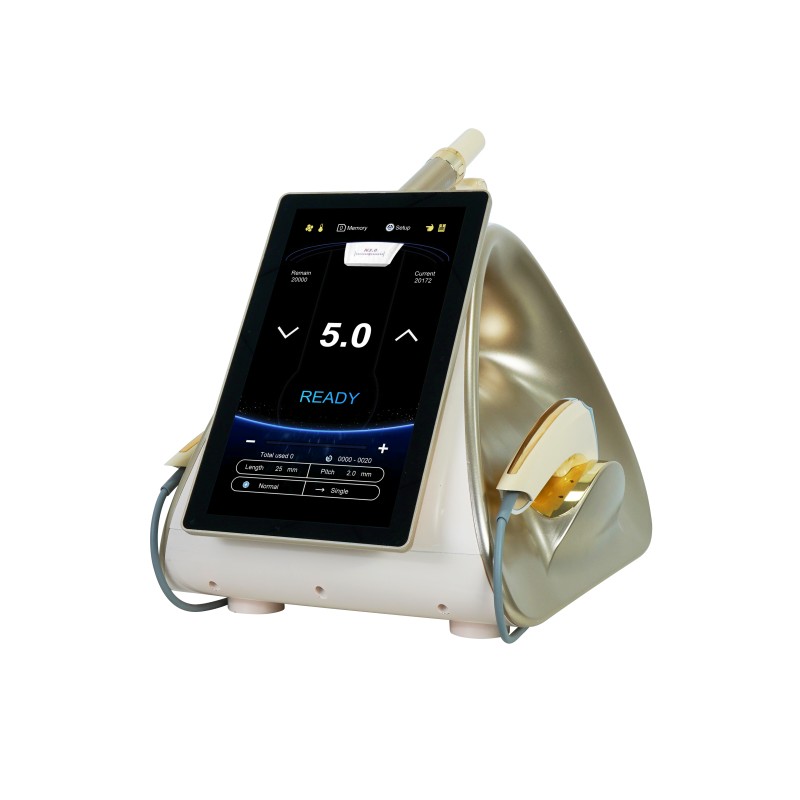
Curated systems: We offer professional-grade HIFU devices vetted for U.S. clinic use, with full regulatory documentation and consumable support. Our DermaLift HIFU series — including the SD HIFU, HIFU Pro, 7D HIFU, and HIFU MPT — covers a full range of clinical needs, from facial contouring and skin tightening to advanced body lifting and precision-focused treatments.
Training & support: We provide not only device training but business consultation — helping you build effective treatment workflows and marketing plans.
U.S. presence & shipping: For U.S. clinics, we handle logistics, customs, installation planning and ongoing service — reducing your risk and lead time. Whether you choose the compact DermaLift SD HIFU for startup practices or the HIFU MPT with Micro-Pulse Technology for advanced clinics, we ensure smooth setup and ongoing support.
Consumable cost transparency: We provide full cost breakdowns (cartridges, hand-pieces) so you can calculate your cost per treatment and margin upfront. Each DermaLift device features compatible, long-lasting cartridges to maximize ROI.
Ongoing clinician network: We connect you with other U.S. clinics using HIFU so you can share best practices, marketing ideas, and case outcomes.
If you’re ready to expand your service offering with a HIFU machine, we invite you to talk with our team, request a live demo, and explore how Krysmed can partner with you for growth.
Conclusion
Choosing a professional HIFU machine for your U.S. clinic is a significant investment — clinically, operationally and financially. By following this Krysmed-guided checklist, you place yourself in the best position to select a device that meets your treatment goals, serves your patients, integrates smoothly into your workflow, and delivers measurable ROI.
In summary:
Define your clinic’s unique needs and market.
Compare technical specs and choose a machine with multiple depths, strong output, and good ergonomics.
Ensure regulatory compliance, certifications and safe-use protocols are in place.
Select a supplier who offers solid training, warranty, consumables and U.S. service.
Model your financials, ensure consumable costs are manageable, and integrate into your marketing and operational plan.
Prioritise patient safety, outcomes and building case studies that drive referrals.
When executed well, a professional HIFU system such as the DermaLift SD HIFU, DermaLift HIFU Pro, DermaLift 7D HIFU, or DermaLift HIFU MPT becomes much more than just equipment.
It becomes a growth engine for your clinic — helping you stand out, command premium services, attract and retain clients, and solidify your reputation in the competitive aesthetic market.
If you’d like to explore DermaLift HIFU models, compare consumable pricing, or schedule a demo, the Krysmed team is ready to support you every step of the way.
Let’s bring your clinic’s non-surgical lifting offering to the next level.
FAQ
1. What areas can HIFU treat?
HIFU can be used on both face and body. Common treatment areas include:
Face: jawline, cheeks, brows, and under-eye area
Neck and décolletage
Body: arms, abdomen, thighs, and flanks
Some machines also offer specialized cartridges for double chin reduction or vaginal rejuvenation.
2. How long does a HIFU treatment take?
Treatment duration depends on the area and machine type:
Facial treatment: 30–60 minutes
Neck and décolletage: 30–50 minutes
Body areas: 45–90 minutes
Professional-grade machines are usually faster due to higher lines per shot and multi-depth cartridges.
3. Is HIFU painful?
Most patients experience mild discomfort or tingling during treatment. Modern machines often include pain-reduction technology, such as adjustable energy settings and preciser energy delivery. Pain levels are generally low compared to invasive procedures.
4. How soon will I see results?
Immediate results: Some mild lifting can be noticed right after treatment
Full effect: Collagen remodeling occurs over 2–3 months
Longevity: Results typically last 6–12 months, depending on skin type, age, and lifestyle.
5. How many sessions are needed for HIFU?
Most patients benefit from 1–3 sessions for facial treatments
Body contouring or larger areas may require multiple sessions for optimal results
Maintenance sessions every 6–12 months can extend outcomes
6. Are there any side effects or downtime?
HIFU is non-invasive, so downtime is minimal. Some temporary side effects may include:
Mild redness
Slight tingling or swelling
Temporary tenderness
These usually resolve within a few hours to 2 days.
7. Can HIFU be combined with other treatments?
Yes, HIFU can be combined with:
IPL for enhanced skin tightening
RF Microneedling for improved skin texture
Fractional CO2 laser for a comprehensive anti-aging plan
Combination treatments often increase patient satisfaction and clinic revenue.
8. Are home-use HIFU devices effective?
Home devices are suitable for light maintenance or small areas, but results are usually less dramatic than professional systems. Clinics offering HIFU for clients should invest in professional-grade machines to ensure safety, versatility, and optimal outcomes.
9. How much does a HIFU machine cost?
Entry-level/portable devices: $500–$2,200
Mid-range professional systems: $2,000–$6,000
Premium professional-grade systems: $10,000+
Prices vary depending on brand, technology (MFU, MPT, 4D/5D/7D), treatment depth, and included features.
Our Contact
Ready to Elevate Your Business with Krysmed?
Let’s discuss your needs and find the best solution for your business. Our experts are here to provide personalized recommendations tailored to your business needs.
-
Call For Inquiry
-
Send Us Email
info@krysmed.com
Get A Custom Quote Now!
We value your privacy and guarantee a prompt, professional reply.
 WhatsApp
 info@krysmed.com
 +86 19867944875