

News
06
Nov
How to Choose a Professional HIFU Machine in Australia
The Rise of Non-Surgical Aesthetics in Australia
The Australian beauty and medical aesthetics market has witnessed a rapid shift toward non-invasive treatments in recent years. Clients now seek procedures that provide visible lifting and rejuvenation without the downtime or risks associated with surgery. Among these, HIFU (High-Intensity Focused Ultrasound) has emerged as a leading choice for clinics, spas, and mobile therapists across the country.
HIFU treatments are prized for their natural-looking results, minimal discomfort, and long-lasting collagen stimulation. In fact, many Australian clinics now consider HIFU as an “anchor treatment,” forming the backbone of their anti-aging service menu.
For clinic owners, understanding the technology and its commercial potential is essential. Selecting the right professional HIFU machine in Australia not only ensures effective treatment outcomes but also maximises return on investment (ROI) and builds patient trust.
Understanding HIFU: The Science and Business Perspective
How HIFU works
HIFU works by delivering micro-focused ultrasound energy to the SMAS (Superficial Muscular Aponeurotic System) layer — the same layer tightened during surgical facelifts. By heating this deep tissue to about 60–70°C, the energy triggers a natural wound-healing response, stimulating collagen and elastin production over several weeks. This process results in tighter, firmer, and more youthful-looking skin.
Unlike other modalities like Radio Frequency (RF) or laser, HIFU targets deep structural layers without damaging the surface of the skin. This makes it ideal for facial contouring, double chin reduction, neck tightening, and even lifting areas such as the brow and jawline.
Clinically proven, safe, and effective, HIFU has become a gold standard for non-surgical skin tightening. The results speak for themselves — smoother skin, reduced wrinkles, and a naturally lifted appearance that can last for 12–18 months after a single session.
Put simply:
Ultrasound energy → focused heating at depth → collagen denaturation + neocollagenesis → progressive tightening & lift.
This deep targeting is why HIFU results can sometimes be perceived as better than superficial RF or needle-based approaches for certain lifting indications.
Business Advantages of HIFU
HIFU is not only a clinical solution but a profitable business opportunity:
High perceived value: Clients are willing to pay a premium for non-surgical lifting.
Repeatable revenue: While some clients see noticeable results after one session, repeat sessions for maintenance can increase clinic turnover.
Low consumable costs: Cartridges and energy usage are affordable compared to invasive procedures.
Marketing potential: Visible before-and-after results are easy to promote online, enhancing client acquisition.
Common myths about HIFU
“HIFU is painful.” Pain varies by protocol and depth — modern devices, good technique, and topical/anesthetic options make the procedure tolerable for many. Proper client briefing and pacing manage expectations.
“One-time only treatment.” Some patients see strong results from one session, but maintenance treatments are common; biological ageing continues.
“HIFU is the same as RF.” Not the same. HIFU focuses energy to deeper tissue layers; RF heats more diffusely and typically treats more superficial dermis. Each has its place.
“All HIFU devices are the same.” Not true. Energy consistency, cartridge design, shot precision, and treatment ergonomics matter for safety and outcomes.
Why Clinics in Australia Are Switching to HIFU
Australia’s aesthetic market has shifted rapidly toward non-surgical treatments. According to industry research, over 70% of clients now prefer procedures that involve no downtime and minimal discomfort.
HIFU offers a solution that fits perfectly within this trend:
No needles, no surgery, no recovery time
Long-lasting collagen stimulation
Visible results after one session
Applicable for both face and body
For clinics, the appeal is clear: low consumable costs, minimal maintenance, and an excellent return on investment.
A single facial treatment typically costs AUD 350–700, while full-face and neck procedures can reach AUD 1,000+. With an average of five sessions per week, a clinic can recoup its investment in less than three months.
Real Results in Practice: Australian Clinic Case Studies
Case Study 1: Sydney Boutique Clinic
A small Sydney clinic integrated DermaLift SD HIFU for facial lifting. Within 3 months:
Revenue increased by 25% due to new HIFU services.
Clients reported visible lifting after 4 weeks, with optimal results at 12 weeks.
Combining HIFU with RF Microneedling improved skin texture and elasticity.
Case Study 2: Melbourne Medical Spa
Using DermaLift 7D HIFU for face and body contouring:
High-volume clients reduced treatment time with multi-line cartridges.
Enhanced marketing with before-and-after images attracted new clients.
ROI achieved within 6 months, supporting long-term profitability.
The Economics of HIFU: From Cost to Profit
Device Costs in Australia
Starter systems: AUD 3,000–7,000
Clinic-grade systems: AUD 7,000–15,000
Flagship devices: AUD 15,000+
Service Pricing & ROI
Typical facial session: AUD 350–700
Full-face + neck session: AUD 800–1,000
With average weekly sessions, clinics recoup investment in 3–6 months.
Consumables & Efficiency
Durable cartridges and energy-efficient systems reduce long-term costs, improving profit per session.
Machine Categories — Matching Technology to Your Clinic Stage
When choosing a machine, don’t just start with specs — start with business fit. What do you want the device to do for your clinic in Month 1, Month 6, and Year 2?
Business-oriented categories
Starter Systems — for new clinics or mobile services
Ideal for mobile therapists or new clinics, focusing on portability and cost-effectiveness.
Typical features: compact, portable, lower upfront cost, fewer depth cartridges, simpler user interface.
Business fit: low capital outlay, quick route to offering HIFU; good for testing market demand.
Trade-offs: may have fewer clinical features, slower coverage, shorter cartridge lifespan — expect more frequent consumable purchases or smaller treatment sets.
Clinic-Grade Systems — the practical workhorse
Best for established clinics, offering reliable energy output, multi-depth cartridges, and durable design.
Typical features: multi-depth cartridges, better energy consistency, higher shot line counts, ergonomic handpieces, better warranty/support.
Business fit: balance between capability and cost; these systems can deliver predictable results and steady margins when paired with good training.
Trade-offs: higher upfront cost than starter units, but often pay back faster due to durability and improved client experience.
Flagship Devices — for high-volume and multi-modality clinics
Advanced units with multi-modality functions, high shot volume, and marketing support for large-scale or medical spa operations.
Typical features: multiple treatment depths (including fractional or multi-phase cartridges), quicker coverage speed (high shot density), modular add-ons (RF, MPT), integrated patient records, premium ergonomics.
Business fit: supports high throughput, can command top price points, and can be marketed as the clinic’s signature treatment.
Trade-offs: high capital cost, requires high patient volume or premium pricing to justify.
Quick reference table (business fit)
| Clinic Stage | Typical Device Type | Priority Features | Business Benefit |
|---|---|---|---|
| Mobile / Startup | Starter System | Portability, low cost, simple UI | Low risk entry, market testing |
| Established Clinic | Clinic-Grade System | Multi-depth cartridges, consistent energy, warranty | Predictable results, solid ROI |
| High-Volume / Medical Spa | Flagship Device | High shot count, multi-modality, training & marketing support | High revenue per hour, premium brand image |
The Australian Market Outlook for 2026 and Beyond
The Australian beauty technology market is forecast to continue its strong growth through 2026–2028, driven by consumer demand for anti-ageing and body-contouring solutions.
Trends show a clear preference for:
Compact and portable HIFU systems that save space and suit mobile practitioners.
Combined HIFU + RF systems that deliver double-lifting effects.
Advanced safety monitoring to meet new regulatory expectations.
Customisable energy settings to treat diverse skin types and tones.
Krysmed has aligned its research and development with these trends, introducing smart, user-friendly HIFU systems that integrate multi-depth cartridges and RF synergy for enhanced collagen remodelling.
Key Factors to Consider When Choosing a Right HIFU Machine
1. Treatment Depth and Precision
A HIFU system must deposit energy predictably at the intended depth and intensity. Variability in energy delivery is the root cause of inconsistent results and, in worst cases, adverse events.
Why it matters: inconsistent energy → inconsistent collagen stimulation → variable clinical outcomes and increased risk.
2. Cartridge design and Lifespan
Cartridges determine treatment depth, shot geometry, and how many shots you get per consumable. Cartridge lifespan (shots per cartridge) directly affects cost per treatment. Some questions to ask:
How many full-face treatments can one cartridge deliver at the recommended protocol?
Are replacement cartridges proprietary or third-party compatible?
How are faults handled under warranty?
3. Shot line Count, and coverage Speed
Faster coverage reduces chair time and cost per treatment, but only if faster delivery doesn’t sacrifice precision. Shot line count, handpiece travel distance, and auto-line settings affect how quickly you can treat a full face with both safety and uniformity.
4.HIFU machine treatment Interface
A machine is used every day by humans. A clunky interface, heavy handpiece, or awkward cartridge swap will slow staff down and lead to more mistakes. Evaluate:
Ease of changing cartridges.
Display clarity and on-screen protocols.
Handpiece weight and grip.
Adjustable energy increments and shot control.
5.. Training and After-Sales Support
HIFU is a skill-based treatment — professional training is essential. Krysmed provides comprehensive online training, treatment videos, and certification to ensure practitioners operate confidently and safely.
6. Warranty and Maintenance
Always verify your supplier’s warranty terms. Krysmed offers lifetime technical support and easy access to replacement cartridges and service parts within Australia.
7. Supplier Credibility
Partner with a manufacturer or distributor that provides full transparency on product testing, CE/FDA certificates, and customer testimonials.
When you evaluate devices, concentrate on the attributes that influence clinical outcomes, safety, running cost, and patient experience.
Top Mistakes Clinics Make When Buying HIFU
Learn from others’ missteps. These are common pitfalls that tie up cash and damage reputations.
Buying on price alone. Lowest cost devices often have hidden long-term costs (poor cartridges, lack of local support, high failure rates).
Underestimating training needs. HIFU outcomes are technique-sensitive. Skipping certified training or relying on “self-learn” videos reduces consistency.
Overpromising results. Manage patient expectations; inconsistent outcomes lead to refunds, complaints, and negative reviews.
No consumables plan. Running out of cartridges or facing long lead times kills revenue. Have a reorder buffer and a supplier who can commit to delivery schedules.
Lack of after-sales service. Devices break. Clinics need fast repairs and parts. If the supplier’s service is slow or remote, downtime costs mount quickly.
Not calculating full cost per treatment. Owners sometimes forget to include overhead and marketing costs when computing ROI.
Avoid these mistakes by planning for the total cost of ownership, validating supplier claims, and insisting on local (Australian) support.
Why Krysmed HIFU Machines Stand Out
Krysmed has become one of the most trusted beauty technology brands in Australia and beyond, known for precision engineering, durable systems, and responsive support.
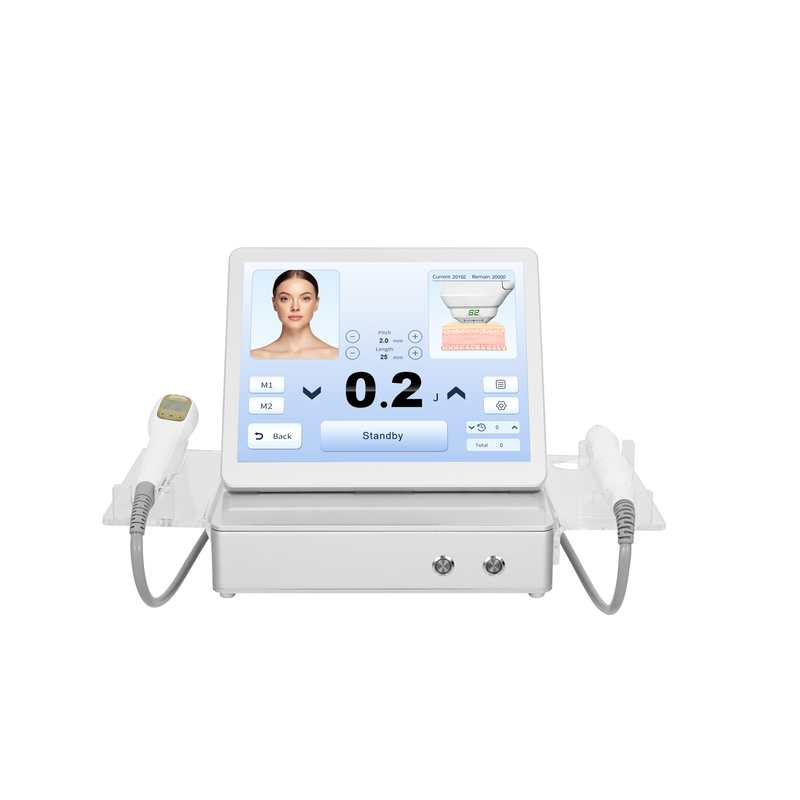
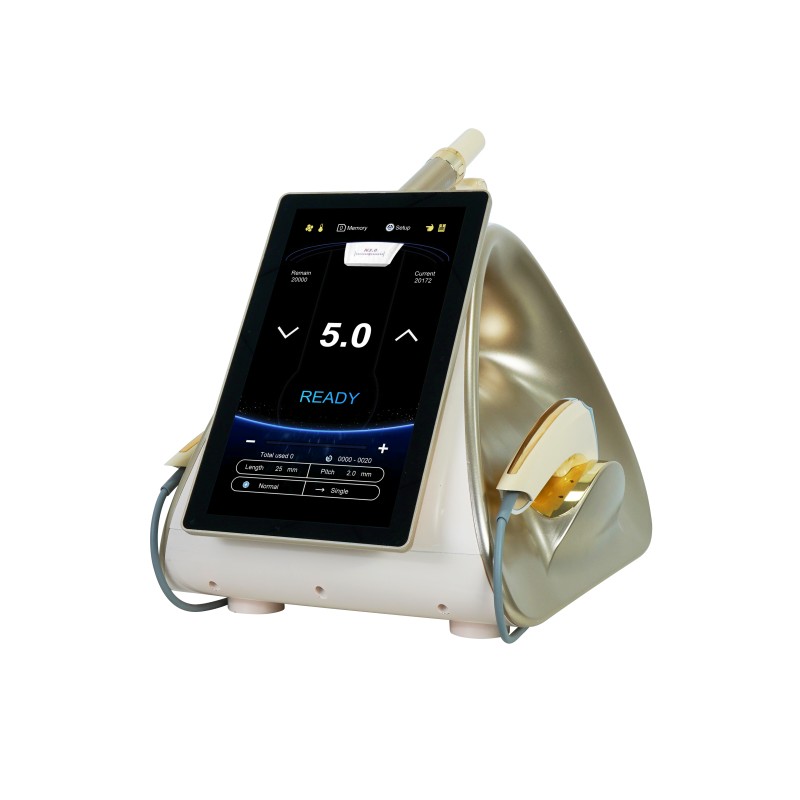
Designed for facial lifting and contouring, the DermaLift SD HIFU combines Micro-Focused Ultrasound (MFU) and Radio Frequency (RF) for dual lifting power. It’s compact, portable, and ideal for professional clinics and mobile therapists alike.
The DermaLift 7D HIFU offers advanced multi-depth cartridges (1.5 mm – 13 mm) suitable for both face and body tightening. Its high-density energy ensures effective collagen remodelling with minimal discomfort.
Both models are built with medical-grade components, ensuring precise shot control, uniform energy distribution, and long-term reliability.
Maximising ROI for Your Clinic
HIFU’s profitability is one of its strongest selling points. Here’s how clinics across Australia are maximising their returns:
Combine with other treatments — HIFU pairs perfectly with RF Microneedling, LED therapy, or hydrafacial procedures.
Offer treatment packages — Bundle full-face and neck sessions to increase client retention.
Educate clients — Help them understand collagen’s natural renewal process to set realistic expectations.
Promote before-and-after results — Use professional photos (with consent) to showcase real outcomes.
Utilise Krysmed’s marketing tools — Access ready-to-use materials to support your clinic promotion.
Safety, Regulations, and Client Confidence
In Australia, device safety and operator competence are key regulatory priorities. Always:
Purchase from certified suppliers.
Use machines compliant with CE or TGA standards.
Follow manufacturer training and protocols.
Krysmed ensures every unit undergoes strict quality inspection and calibration before shipment. Comprehensive online support helps practitioners comply with safe practice standards.
Future of HIFU: Smart, Synergistic, Sustainable
The next generation of professional HIFU machines is expected to integrate AI-assisted treatment mapping, RF synergy, and skin recognition sensors. Krysmed is already working toward smarter, energy-efficient systems that minimise consumables while maximising outcomes — aligning with Australia’s sustainability goals in beauty technology.
Elevate Your Clinic with Krysmed Professional HIFU
Choosing the right HIFU machine in Australia is not just about technology — it’s about partnership, reliability, and long-term growth. With Krysmed’s professional HIFU systems, you’re not only investing in premium equipment but also in comprehensive training, lifetime support, and proven client satisfaction.
Whether you’re a start-up clinic or an established medical spa, the DermaLift SD HIFU and DermaLift 7D HIFU provide the performance, precision, and profitability that modern professionals demand.
Bring advanced, non-invasive lifting technology to your clients — and let your business rise with Krysmed.
FAQ
1. How long do HIFU results last?
Results typically last 12–18 months, depending on age, skin condition, and lifestyle.
2. Is HIFU safe for all skin types?
Yes, professional HIFU is safe for most skin tones. However, a thorough consultation is recommended.
3. How often can treatments be done?
Most clients need one session per year, though some may benefit from 1-3 sessions.
4. Is training included with Krysmed HIFU machines?
Yes, all Krysmed devices come with comprehensive training, manuals, and certification.
5. Can HIFU be combined with other treatments?
Absolutely — it complements RF Microneedling, hydrafacial, and LED therapies for enhanced rejuvenation.
6.What does a professional HIFU machine actually do?
A professional HIFU (High-Intensity Focused Ultrasound) machine delivers focused ultrasound energy deep into the skin to stimulate collagen and elastin production.
It targets layers beneath the surface — including the SMAS (Superficial Musculoaponeurotic System) — to lift, tighten, and rejuvenate the skin and reduce wrinkels without surgery or downtime.
Our Contact
Ready to Elevate Your Business with Krysmed?
Let’s discuss your needs and find the best solution for your business. Our experts are here to provide personalized recommendations tailored to your business needs.
-
Call For Inquiry
-
Send Us Email
info@krysmed.com
Get A Custom Quote Now!
We value your privacy and guarantee a prompt, professional reply.
 WhatsApp
 info@krysmed.com
 +86 19867944875