

News
18
Apr
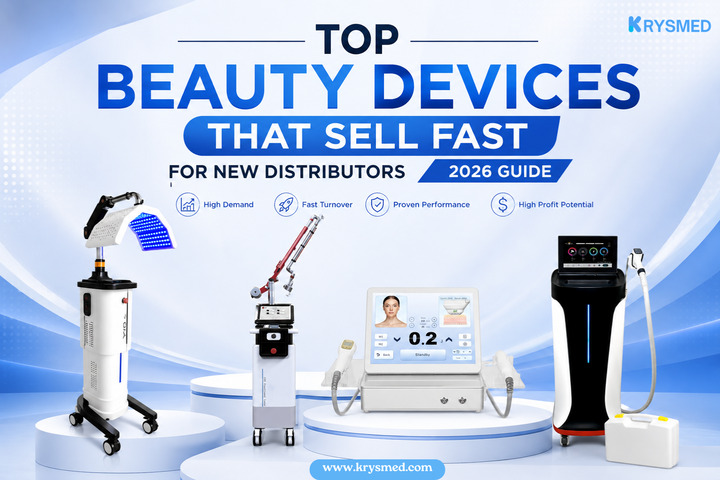
Top Beauty Devices That Sell Fast for New Distributors (2026 Guide)
Starting as a beauty device distributor in 2026 can feel overwhelming, especially when you’re not sure which machines will actually sell. The truth is, not every device is easy to move—some bring fast results, others just sit there. In this guide, we’ll break down the top beauty devices that sell fast and how to choose the right ones for your market.
1. Start With What Sells, Not What’s Advanced
New beauty device distributors should focus on devices that sell fast and are in demand, instead of getting distracted by advanced technology.
Advanced Devices Are Harder to Move
High-end beauty devices may look more attractive on paper, but they usually require more explanation, higher budgets, and stronger trust from buyers. For new distributors, this often leads to longer sales cycles and more hesitation from clinics or spas. If you’re still building confidence and market understanding, these machines can slow you down instead of helping you grow.
Simple Treatments Sell Faster
Devices for hair removal and basic skin rejuvenation are much easier to sell because clients already understand the treatments. Clinics don’t need a long learning process, and they can start offering services almost immediately. This makes it easier for you, as a distributor, to explain value and close your first deals faster.
Sales First, Upgrade Later
At the beginning, your priority should be getting real sales, not offering the most advanced features. Starting with easy-to-sell beauty devices helps you build cash flow, experience, and confidence. Once you understand your market better, you can gradually introduce more advanced machines without taking unnecessary risks.
2. What Makes a Beauty Device Easy to Sell?
For new beauty device distributors, choosing machines that sell fast comes down to a few simple factors, not complicated technology.
Clients Already Know the Treatment
Beauty devices tied to familiar treatments like hair removal or acne care are much easier to sell. You don’t need to spend time educating the market, and clinics already have clients asking for these services. This shortens your sales process and builds confidence on both sides.
Clear Results Are Easy to Show
Devices that deliver visible, easy-to-understand results help you sell faster. Before-and-after comparisons are simple, and clinics can quickly see the value for their business. When results are obvious, you don’t need complicated explanations to convince buyers.
Low Risk for Clinics to Start
Easy-to-sell beauty devices usually have a lower entry cost and faster return potential. Clinics prefer machines they can start using immediately without heavy marketing or training. For new distributors, this makes it much easier to close deals and build early success.
3. Top Beauty Devices That Sell Fast in 2026
In 2026, the fastest-selling beauty devices are those with strong market demand, clear treatment value, and easy understanding for clinics and spas.
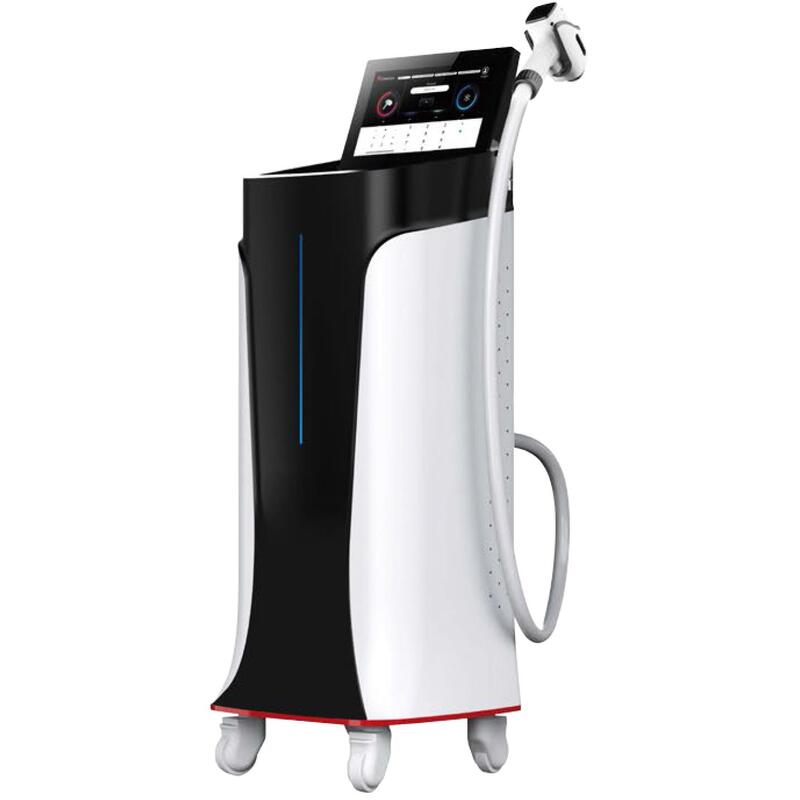
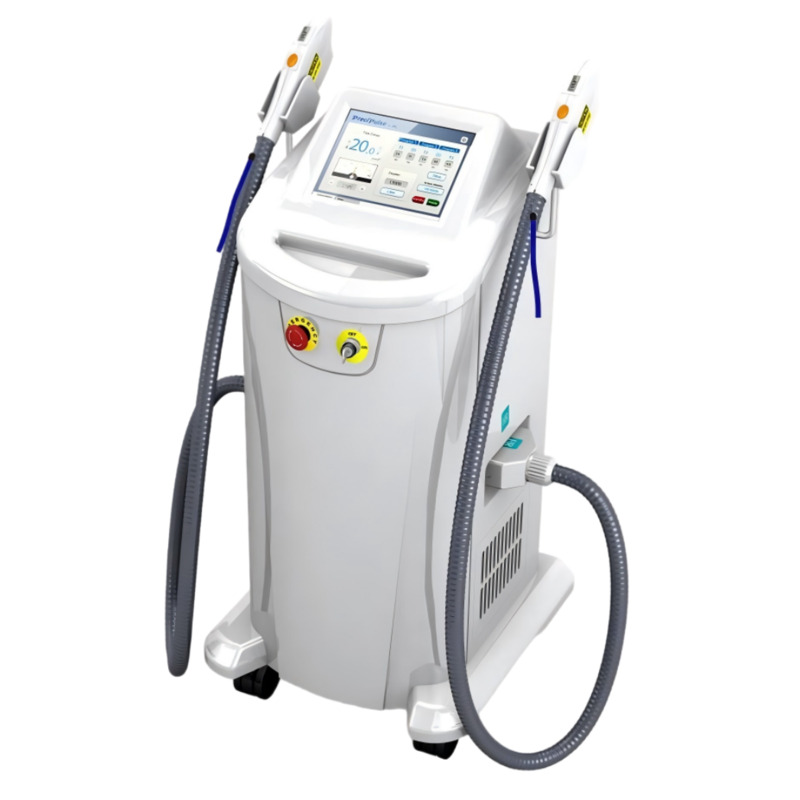
Hair Removal Devices (Diode Laser / IPL)
Hair removal remains one of the most reliable and fastest-selling categories in the beauty industry. It is easy for clinics to explain, has strong year-round demand, and supports repeat treatments for stable income. For new distributors, this is often the quickest way to start generating sales and building confidence in the market.
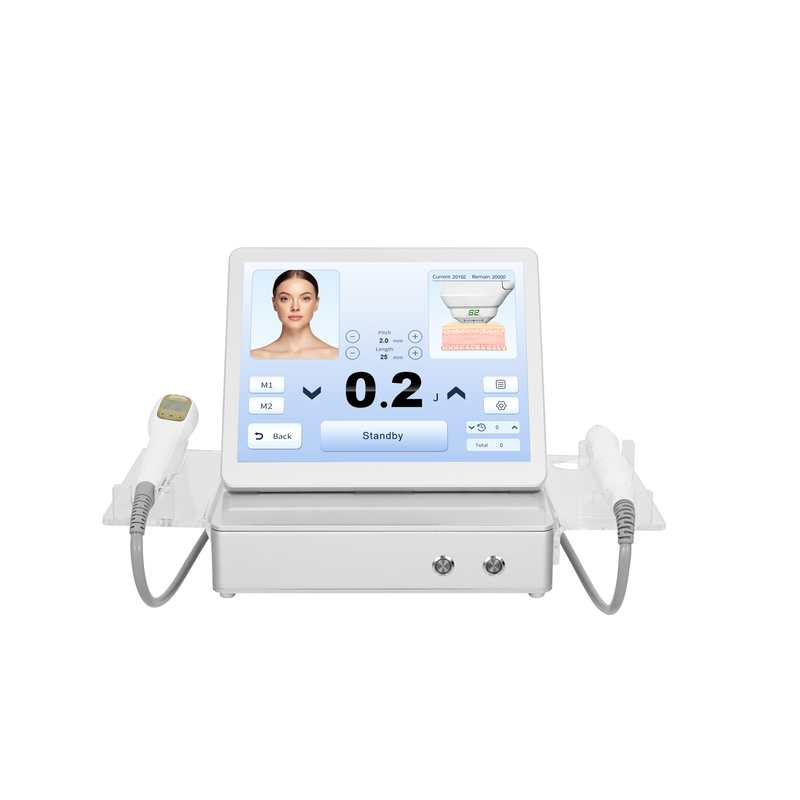
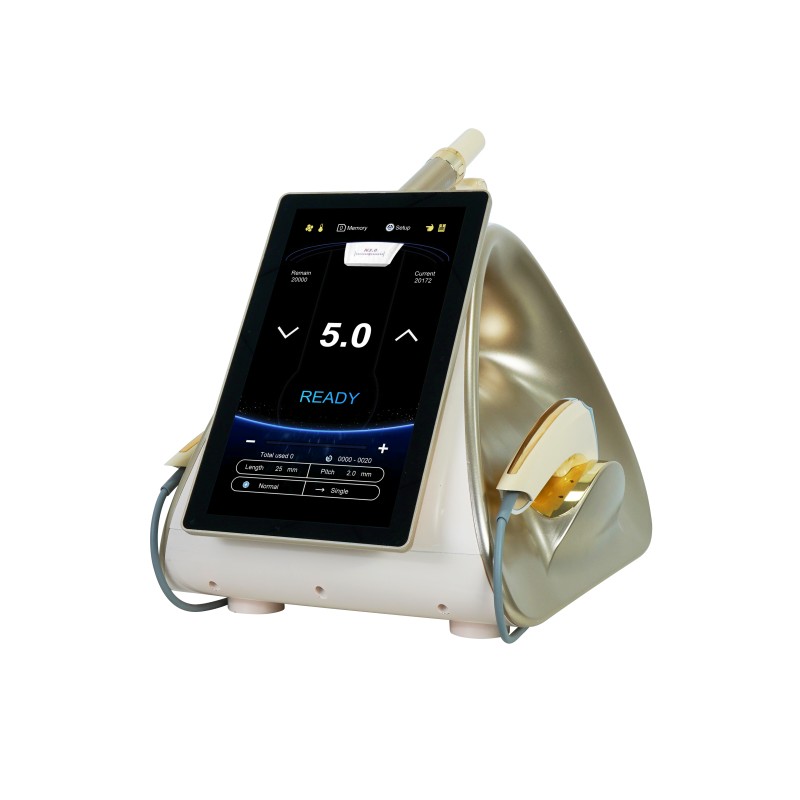
Skin Rejuvenation Devices (HIFU / RF Microneedling / Fractional CO2 Laser)
Skin rejuvenation devices are highly popular because they target aging, texture, scarring, and overall skin improvement. Clinics are willing to invest in these treatments because they deliver visible results and support high-value services. For distributors, these machines offer strong profit potential, but they work best when you understand how to position them properly.
Body Contouring Devices (Cryo / Cavitation)
Body contouring devices are in high demand as clients look for non-invasive slimming solutions. Treatments like fat freezing and cavitation are attractive because they target stubborn fat without surgery. However, success in selling these devices often depends on how well clinics can market the results and build client awareness.
4. What New Distributors Usually Get Wrong
Many new beauty device distributors struggle not because the market is bad, but because they make a few common mistakes when choosing and selling machines.
Buying Based on Price Instead of Demand
A low price can look attractive, but it doesn’t mean the device will sell easily. Many beginners focus on cost and end up with machines that have weak market demand or unclear positioning. In this industry, choosing what clinics actually need is far more important than saving a small upfront cost.
Trying to Sell Too Many Devices at Once
New distributors often feel they need a full product range to look professional. In reality, this makes it harder to focus and slows down your first sales. Starting with a few strong-selling devices is usually more effective than offering everything at once.
Not Understanding the End Clients (Clinics & Spas)
A common mistake is not thinking from the clinic’s point of view. Clinics care about profitability, ease of use, and client demand—not just technical specs. If you don’t understand their business needs, it becomes much harder to convince them to buy.
5. A Simple Way to Choose Your First Products
New beauty device distributors don’t need a complicated strategy—just a clear, practical way to choose products that can sell quickly in their market.
Start With Your Target Clients First
Before choosing any machine, decide who you are selling to—small salons, medspas, or advanced clinics. Different clients have very different budgets and expectations, so your product choice should match their reality. This alone will immediately eliminate many wrong options.
Choose 1 Core Device That Sells Fast
Your first product should be something with proven demand, like hair removal or basic skin treatment devices. This gives you a strong starting point and makes it easier to get your first sales. A single strong product is better than multiple average ones.
Add Only 1 Supporting Device Later
Once your core product is clear, you can add one complementary device to expand your offering. This could be something like skin rejuvenation or body contouring depending on your market. Keeping it simple helps you stay focused and grow steadily without pressure.
6. Why Some Distributors Sell Fast (And Others Struggle)
The difference between fast-selling distributors and struggling ones is usually not the product itself, but how they approach the market and positioning.
They Focus on Selling, Not Just Buying Machines
Successful distributors think about how the machine will be sold before they even purchase it. They look at demand, clinic needs, and how quickly a device can generate revenue. Struggling distributors often focus too much on features instead of real market demand.
They Understand Their Target Market Clearly
Fast sellers know exactly who they are selling to—whether it’s small beauty salons or medical clinics. This helps them choose the right price range, product type, and marketing approach. Without this clarity, it becomes difficult to connect with real buyers.
They Position the Product in a Simple Way
Successful distributors don’t overcomplicate the explanation—they focus on clear results and business value. Clinics want to know how the device helps them make money, not just technical specifications. Clear positioning makes closing deals much faster and easier.
7. The Part Most Suppliers Don’t Talk About
Most suppliers focus on selling machines, but the real difference for new distributors is the support they receive after purchase.
Selling the Machine Is Only the First Step
Many suppliers will send you a price list and technical details, but that’s where their involvement ends. For new distributors, buying the machine is actually the easiest part. The real challenge starts when you need to understand how to position and sell it in your market.
Most Beginners Struggle Without Proper Guidance
New distributors often don’t know which product to promote first or how to approach clinics. Without clear direction, they can easily lose time and confidence. This is why many good machines still don’t perform well in the wrong hands.
Ongoing Support Is What Creates Real Success
The most successful distributors usually have strong supplier support behind them. This includes product selection advice, sales guidance, and practical training. When you have the right support system, it becomes much easier to turn devices into real business results.
Final Thoughts: Start Simple, Sell First, Then Scale
For new beauty device distributors, success doesn’t come from having the most machines—it comes from getting your first sales right.
Don’t Overcomplicate Your Start
Many beginners feel they need a full product range to look professional, but this usually slows them down. The smarter approach is to start with simple, proven-selling devices and focus on real demand. Keeping things simple helps you move faster and avoid costly mistakes.
Focus on First Sales Before Expansion
Your first goal should always be to close sales, not to build a big catalogue. Once you understand what your market responds to, expanding becomes much easier and safer. Early sales also give you the confidence and cash flow to grow properly.
Grow Step by Step With the Right Support
Scaling in the beauty device industry works best when it’s done gradually and with the right guidance. A good supplier should help you choose, position, and sell—not just ship machines. With the right start, long-term growth becomes much more stable and predictable.
Ready to start selling beauty devices but not sure where to begin?
We can help you choose the right machines and guide you step by step based on your market. Ready to contact Krysmed and find the right solution for your business?
FAQ
1. What beauty devices are easiest to sell for beginners?
Hair removal devices (diode laser / IPL) and basic skin rejuvenation machines are usually the easiest to sell. They are widely understood by clinics and already have strong client demand, which helps new distributors close deals faster.
2. How much should a new beauty device distributor invest at the start?
Most beginners start with a small, focused budget rather than buying a full range of machines. It’s more important to choose 1–2 proven-selling devices than to invest heavily in multiple categories at once.
3. Do I need technical knowledge to start selling beauty machines?
Not necessarily. Most successful distributors learn through supplier training and practical guidance. Understanding the basic treatment purpose and business value is often enough to start selling.
4. Which is better for beginners: high-end or entry-level beauty devices?
Entry-level devices are usually better for beginners because they are easier to explain and sell. High-end machines can be profitable later, but they often require more experience and stronger market positioning.
5. How do beauty device distributors usually make profit?
Distributors typically earn by selling machines to clinics, spas, or resellers at a margin. Profit comes faster when the product has clear demand and the distributor understands how to position it in the local market.
Our Contact
Ready to Elevate Your Business with Krysmed?
Let’s discuss your needs and find the best solution for your business. Our experts are here to provide personalized recommendations tailored to your business needs.
-
Call For Inquiry
-
Send Us Email
info@krysmed.com
Get A Custom Quote Now!
We value your privacy and guarantee a prompt, professional reply.
 WhatsApp
 info@krysmed.com
 +86 19867944875