

News
15
Apr
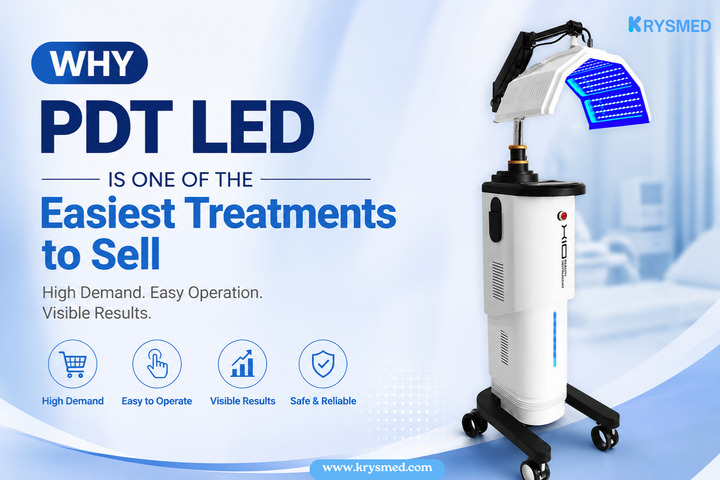
Why PDT LED Is One of the Easiest Treatments to Sell
Let’s be honest — most clients don’t want painful treatments, high prices, or long downtime, which is exactly why PDT LED therapy (also known as LED light therapy) is so easy to sell in real clinics. It’s a non-invasive skin treatment that helps with acne, skin rejuvenation, and calming sensitive skin, and clients feel comfortable saying yes from the start. For clinic owners, it’s one of the simplest ways to add a low-cost, high-return beauty device that keeps clients coming back.
1. What Is PDT LED Therapy
PDT LED therapy is a simple, non-invasive skin treatment that uses different light wavelengths to improve common skin concerns like acne and aging.
What Is PDT LED (LED Light Therapy)?
PDT LED therapy, also known as LED light therapy or photodynamic therapy, uses specific light wavelengths to target skin issues without damaging the skin. It’s widely used for acne treatment, skin rejuvenation, and calming inflammation. Because it’s painless and safe, many clinics offer it as a basic skincare treatment.
What Do Different LED Colors Actually Do?
Different lights serve different purposes — red light helps with anti-aging and collagen stimulation, while blue light targets acne-causing bacteria. Some devices also include yellow or green light for skin brightening and calming sensitive skin. This makes PDT LED a flexible option for multiple skin concerns.
Why Clients Already Trust LED Therapy
Most clients have already seen LED light therapy on social media, in facials, or recommended by skincare professionals. It feels familiar, safe, and easy to try compared to lasers or more aggressive treatments. That’s why it’s often one of the easiest treatments to introduce to new clients.
2. Why PDT LED Is So Easy to Sell (Compared to Other Devices)
PDT LED therapy is easy to sell because it feels safe, affordable, and low-risk for clients compared to most aesthetic devices.
No Pain and No Downtime
Unlike laser or microneedling, PDT LED light therapy is completely painless and does not require any recovery time. Clients can walk in and walk out without redness, swelling, or discomfort. This makes it an easy “yes” treatment for first-time customers.
Safe for Almost All Skin Types
PDT LED therapy is a non-invasive skin treatment that works on almost all skin types, including sensitive and acne-prone skin. There is no heat damage or skin trauma, which reduces client fear. This safety factor makes it much easier for clinics to recommend confidently.
Low Cost, Easy Decision for Clients
Compared to higher-priced treatments like HIFU or laser, LED light therapy is very affordable per session. Clients don’t need a big commitment to try it, so they are more willing to book. This low barrier to entry is a key reason it sells so easily in clinics.
4. How to Package PDT LED So Clients Say Yes
PDT LED sells best when it’s not offered as a “standalone treatment,” but as part of a simple, results-driven skincare routine.
Add It as a Treatment Upgrade
Instead of selling PDT LED on its own, clinics can offer it as an add-on after facials, laser, or microneedling. Clients are more likely to say yes when it is positioned as something that improves results and calms the skin. This makes the decision feel easy and low-risk.
Create Simple Treatment Packages
Bundling LED light therapy into packages like “6 sessions for acne care” or “skin glow program” helps increase commitment. Clients prefer clear plans instead of single sessions because they feel more structured and effective. This also improves client retention for clinics.
Position It as Daily Skin Maintenance
PDT LED therapy can be presented as basic skin maintenance, similar to a “skin workout” or regular facial care. When clients see it as part of their routine rather than a luxury treatment, they are more likely to return regularly. This helps clinics build long-term, repeat income.
5. Real Reason It Sells So Well (Most Clinics Miss This)
Most clinics think PDT LED sells because it is “new” or “advanced,” but the real reason is much simpler — it removes almost every barrier that usually stops clients from buying.
It Feels Like a “Safe First Step”
PDT LED light therapy is often the first treatment clients are willing to try because it feels gentle and non-intimidating. There is no pain, no downtime, and no fear of looking “worse before better.” This makes it an easy entry point into aesthetic treatments.
It Builds Trust Before Bigger Treatments
Once clients experience LED therapy and see their skin feels calmer and healthier, they start trusting the clinic more. That trust makes it much easier to upsell higher-value treatments like laser, RF, or HIFU later. In many cases, PDT LED is what starts the long-term client relationship.
It Works Emotionally, Not Just Technically
Even though the skin results are real, what clients actually feel is comfort, relaxation, and care. This emotional experience is what drives repeat visits, not just clinical results. Many clinics miss this and focus only on “technology,” not client experience.
6. Is PDT LED Enough on Its Own?
PDT LED light therapy is effective on its own for basic skin maintenance, but in most clinics it works even better as part of a combined treatment plan.
Good for Maintenance and Gentle Skin Improvement
PDT LED therapy alone can help improve skin tone, calm acne, and support overall skin health over time. It’s especially suitable for clients who want something safe, simple, and non-invasive. However, results are usually gradual rather than dramatic.
Limited for Deep or Severe Skin Concerns
For deeper issues like advanced pigmentation, skin laxity, or strong acne scars, LED light therapy alone may not be enough. In these cases, stronger treatments like laser, RF microneedling, or HIFU are usually required. PDT LED works more as support rather than a full corrective solution.
Best Used as a Combination Treatment
Most successful clinics use PDT LED as an add-on to enhance results from other treatments. It helps calm the skin, reduce downtime, and improve overall client satisfaction. This combination approach also increases treatment value and repeat bookings.
Conclusion
PDT LED therapy may look simple, but that’s exactly why it works so well in real clinics — it’s safe, easy to understand, and removes the hesitation most clients have before trying a treatment. While it may not replace advanced devices like laser or RF, it plays a powerful role as a low-barrier, high-trust entry treatment that brings clients in and keeps them coming back. For clinics, this makes PDT LED one of the most practical and profitable additions you can offer.
Ready to Add a Treatment That’s Easy to Sell?
If you’re looking for a simple, low-risk way to attract more clients and increase repeat visits, PDT LED is a smart place to start. Ready to contact Krysmed and find the right solution for your clinic?
FAQ
1. How long does a PDT LED session take?
Usually 15–30 minutes, making it easy to fit into any treatment plan.
2. Can PDT LED be combined with other treatments?
Yes, it’s often used after facials, laser, or microneedling to calm the skin and improve results.
3. How many sessions do clients usually need?
Most clients see better results with a course of 4–8 sessions.
4. Is PDT LED safe for sensitive skin?
Yes, it’s one of the safest options, especially for sensitive or acne-prone skin.
5. What should clinics look for when choosing a PDT LED device?
Key factors include wavelength accuracy, energy output, number of LEDs, and treatment coverage.
Our Contact
Ready to Elevate Your Business with Krysmed?
Let’s discuss your needs and find the best solution for your business. Our experts are here to provide personalized recommendations tailored to your business needs.
-
Call For Inquiry
-
Send Us Email
info@krysmed.com
Get A Custom Quote Now!
We value your privacy and guarantee a prompt, professional reply.
 WhatsApp
 info@krysmed.com
 +86 19867944875