

News

17
Jan
What Skin Analysis Reveals That the Naked Eye Can’t
Most skin problems don’t start on the surface. Dehydration, early pigmentation, sensitivity, and the first signs of aging often develop deep within the skin—long before they become visible to the naked eye. Relying only on visual inspection can lead to inaccurate diagnoses and ineffective treatments.
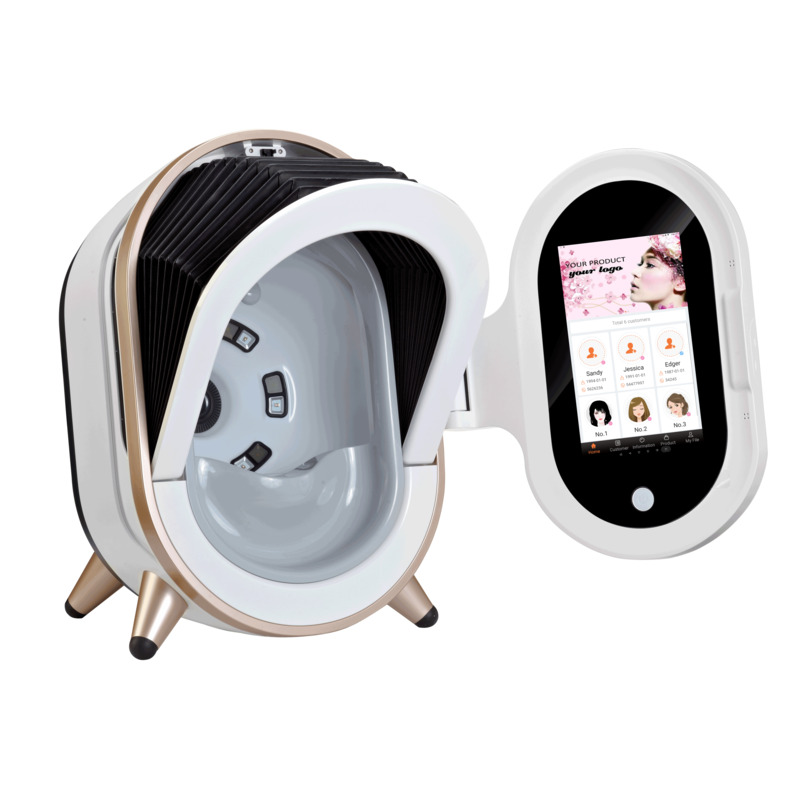
This is where professional skin analysis makes the difference. With an advanced skin analyzer and high-resolution facial skin analysis, clinics can detect hidden skin concerns, create truly personalized treatment plans, and deliver more predictable results. Because in modern aesthetics, what you can’t see matters most.

1. Why the Naked Eye Isn’t Enough for Accurate Skin Assessment
Visual inspection only shows what happens on the surface. Many skin problems develop beneath the epidermis, long before they become visible to the naked eye. Relying on appearance alone often leads to inaccurate diagnoses and poorly targeted treatments. This is why professional skin analysis is essential for modern clinics.
Surface Appearance Can Be Misleading
Shine can hide dehydration. Makeup can mask redness and uneven tone. Even experienced practitioners may overlook early pigmentation or sensitivity without proper tools.
With advanced facial skin analysis, hidden skin concerns can be detected before they affect treatment results.
Visual Judgment Is Subjective
Lighting, skin tone, and personal experience all influence what practitioners see. This makes manual skin assessment inconsistent and difficult to standardize.
An advanced skin analyzer provides objective data and high-resolution imaging, removing guesswork from skin evaluation.
Early Skin Changes Are Often Invisible
Dehydration, UV damage, inflammation, and early aging often begin below the surface. Only advanced skin analysis can identify these changes early and support more precise, personalized treatment planning.
2. What Professional Skin Analysis Reveals Beneath the Surface
While the naked eye only sees the outer layer, professional skin analysis uncovers critical changes happening within deeper skin structures. Using an advanced skin analyzer and multi-spectrum imaging, clinics can detect early skin concerns that directly affect treatment outcomes. This deeper insight allows practitioners to move from visual guessing to precise, data-driven skin assessment.
Hidden Dehydration and Moisture Imbalance
Surface oil does not mean adequate hydration. With advanced facial skin analysis, practitioners can measure moisture levels across different skin layers and identify dehydration before dryness or flaking appears. This prevents incorrect product selection and improves the effectiveness of rejuvenation and anti-aging treatments.
Early Pigmentation and UV Damage
Pigmentation often forms long before dark spots become visible. A professional skin analysis machine reveals sub-surface melanin distribution and early UV damage, helping clinics treat uneven tone proactively and design safer, more effective brightening and laser protocols.
Sensitivity and Inflammatory Activity
Not all sensitive skin shows redness. Through advanced skin analysis, clinics can detect early inflammatory patterns and barrier weakness that increase the risk of post-treatment irritation. This allows practitioners to adjust energy levels, treatment depth, and recovery care to protect sensitive clients.
Pore Structure and Sebum Distribution
Pores are more complex than they appear. High-resolution skin scanner imaging reveals true pore size, density, and oil distribution across facial zones. This information supports more targeted acne treatments, resurfacing procedures, and long-term skin management plans.
Early Signs of Aging Before Wrinkles Appear
Aging begins beneath the surface. Loss of collagen density, micro-wrinkles, and changes in skin elasticity can be identified through facial skin analysis long before visible sagging or lines develop. Early detection allows clinics to introduce preventive anti-aging treatments with better long-term results.
| Skin Concern | What Advanced Skin Analysis Reveals | Clinical Benefits |
|---|---|---|
| Hidden Dehydration & Moisture Imbalance | Surface oil doesn’t equal adequate hydration; moisture levels across skin layers can be measured | Prevents incorrect product selection; improves effectiveness of rejuvenation and anti-aging treatments |
| Early Pigmentation & UV Damage | Sub-surface melanin distribution and early UV damage | Allows proactive treatment of uneven tone; enables safer and more effective brightening and laser protocols |
| Sensitivity & Inflammatory Activity | Early inflammatory patterns and barrier weakness, even without visible redness | Helps adjust energy levels, treatment depth, and recovery care to reduce post-treatment irritation |
| Pore Structure & Sebum Distribution | True pore size, density, and oil distribution across facial zones | Supports targeted acne treatments, resurfacing procedures, and long-term skin management |
| Early Signs of Aging Before Wrinkles Appear | Loss of collagen density, micro-wrinkles, and elasticity changes beneath the surface | Enables preventive anti-aging treatments with better long-term results |
3. How Advanced Skin Analysis Improves Treatment Accuracy
Accurate diagnosis is the foundation of every successful aesthetic treatment. With advanced skin analysis, clinics no longer rely on assumptions or surface observations. A professional skin analyzer provides objective data on hydration, pigmentation, sensitivity, pores, and aging indicators—allowing practitioners to design treatments based on real skin conditions, not guesswork. This data-driven approach significantly improves treatment precision and clinical outcomes.
Personalized Treatment Planning Based on Real Skin Data
Every client’s skin is different. Through detailed facial skin analysis, practitioners can identify each client’s unique skin profile and select the most suitable technologies, parameters, and protocols. This reduces under-treatment, prevents over-treatment, and increases the likelihood of visible, consistent results.
Optimizing Energy Settings and Treatment Depth
In energy-based treatments, accuracy matters. By using data from a professional skin analysis machine, clinics can adjust energy levels, pulse duration, and penetration depth according to skin thickness, sensitivity, and pigmentation patterns. This improves safety while maximizing treatment effectiveness in procedures such as IPL, RF, HIFU, and laser treatments.
Reducing Risks and Unwanted Side Effects
Many adverse reactions result from incomplete skin assessment. With advanced skin analysis, practitioners can identify hidden sensitivity, inflammation, or barrier weakness before treatment begins. This allows clinics to modify protocols, choose safer settings, and reduce the risk of burns, hyperpigmentation, or prolonged downtime.
Tracking Progress and Refining Treatment Plans
Treatment accuracy does not end after the first session. With repeat skin analysis, clinics can objectively monitor skin changes, evaluate treatment response, and refine protocols throughout the treatment course. This continuous feedback loop improves long-term outcomes and strengthens clinical decision-making.
4. What Professional Skin Analysis Reveals Beneath the Surface
While the naked eye only sees the outer layer, professional skin analysis uncovers critical changes happening within deeper skin structures. Using an advanced skin analyzer and multi-spectrum imaging, clinics can detect early skin concerns that directly affect treatment outcomes. This deeper insight allows practitioners to move from visual guessing to precise, data-driven skin assessment.
Hidden Dehydration and Moisture Imbalance
Surface oil does not mean adequate hydration. With advanced facial skin analysis, practitioners can measure moisture levels across different skin layers and identify dehydration before dryness or flaking appears. This prevents incorrect product selection and improves the effectiveness of rejuvenation and anti-aging treatments.
Early Pigmentation and UV Damage
Pigmentation often forms long before dark spots become visible. A professional skin analysis machine reveals sub-surface melanin distribution and early UV damage, helping clinics treat uneven tone proactively and design safer, more effective brightening and laser protocols.
Sensitivity and Inflammatory Activity
Not all sensitive skin shows redness. Through advanced skin analysis, clinics can detect early inflammatory patterns and barrier weakness that increase the risk of post-treatment irritation. This allows practitioners to adjust energy levels, treatment depth, and recovery care to protect sensitive clients.
Pore Structure and Sebum Distribution
Pores are more complex than they appear. High-resolution skin scanner imaging reveals true pore size, density, and oil distribution across facial zones. This information supports more targeted acne treatments, resurfacing procedures, and long-term skin management plans.
Early Signs of Aging Before Wrinkles Appear
Aging begins beneath the surface. Loss of collagen density, micro-wrinkles, and changes in skin elasticity can be identified through facial skin analysis long before visible sagging or lines develop. Early detection allows clinics to introduce preventive anti-aging treatments with better long-term results.
5. How Advanced Skin Analysis Improves Treatment Accuracy
Accurate diagnosis is the foundation of every successful aesthetic treatment. With advanced skin analysis, clinics no longer rely on assumptions or surface observations. A professional skin analyzer provides objective data on hydration, pigmentation, sensitivity, pores, and aging indicators—allowing practitioners to design treatments based on real skin conditions, not guesswork. This data-driven approach significantly improves treatment precision and clinical outcomes.
Personalized Treatment Planning Based on Real Skin Data
Every client’s skin is different. Through detailed facial skin analysis, practitioners can identify each client’s unique skin profile and select the most suitable technologies, parameters, and protocols. This reduces under-treatment, prevents over-treatment, and increases the likelihood of visible, consistent results.
Optimizing Energy Settings and Treatment Depth
In energy-based treatments, accuracy matters. By using data from a professional skin analysis machine, clinics can adjust energy levels, pulse duration, and penetration depth according to skin thickness, sensitivity, and pigmentation patterns. This improves safety while maximizing treatment effectiveness in procedures such as IPL, RF, HIFU, and laser treatments.
Reducing Risks and Unwanted Side Effects
Many adverse reactions result from incomplete skin assessment. With advanced skin analysis, practitioners can identify hidden sensitivity, inflammation, or barrier weakness before treatment begins. This allows clinics to modify protocols, choose safer settings, and reduce the risk of burns, hyperpigmentation, or prolonged downtime.
Tracking Progress and Refining Treatment Plans
Treatment accuracy does not end after the first session. With repeat skin analysis, clinics can objectively monitor skin changes, evaluate treatment response, and refine protocols throughout the treatment course. This continuous feedback loop improves long-term outcomes and strengthens clinical decision-making.
6. Why Skin Analysis Builds Client Trust and Increases Conversion
In aesthetic clinics, trust determines every purchase decision. Clients are more likely to accept treatment plans when recommendations are supported by clear data and visual evidence. With professional skin analysis, consultations become more transparent, credible, and persuasive—directly increasing treatment acceptance and conversion rates.
Visual Proof Creates Instant Professional Credibility
Seeing is believing. High-resolution images from a skin analyzer show pigmentation, pores, redness, and aging indicators that clients cannot detect themselves. This visual evidence helps clients understand their real skin condition and builds immediate confidence in the practitioner’s expertise.
Objective Data Reduces Doubt and Price Resistance
Price objections often come from uncertainty. With advanced skin analysis, clinics present measurable results instead of subjective opinions. When clients see quantified hydration levels, pigment distribution, and aging scores through facial skin analysis, they are more willing to invest in long-term treatment plans and premium procedures.
Before-and-After Comparisons Strengthen Long-Term Trust
Trust grows with visible progress. By repeating skin analysis throughout the treatment course, clinics can document objective improvements and clearly demonstrate treatment effectiveness. These data-driven before-and-after comparisons increase client satisfaction, retention, and referral rates.
Personalized Consultations Improve Treatment Acceptance
Personalization drives conversion. With detailed professional skin analysis, consultations shift from generic recommendations to customized solutions. Clients feel their concerns are understood and addressed precisely, which significantly improves treatment acceptance and loyalty.
7. Why Skin Analysis Is Becoming Standard in Modern Clinics
Aesthetic medicine is becoming increasingly data-driven. As treatments grow more advanced, accurate diagnosis has become just as important as the technology itself. Today, professional skin analysis is no longer an optional add-on—it is becoming a standard tool in modern aesthetic clinics worldwide.
From Visual Guessing to Evidence-Based Aesthetics
Traditional consultations rely heavily on experience and visual judgment. With advanced skin analysis, clinics move toward evidence-based practice by using measurable skin data and multi-spectrum imaging. A professional skin analyzer allows practitioners to assess hydration, pigmentation, sensitivity, and aging indicators with greater accuracy, improving both clinical consistency and treatment reliability.
Higher Client Expectations Demand Greater Precision
Clients today are more informed than ever. They expect personalized treatments, visible results, and scientific explanations. With detailed facial skin analysis, clinics can provide transparent assessments and data-supported treatment plans that meet modern expectations and differentiate high-quality clinics from basic service providers.
Improving Efficiency and Standardizing Consultations
Consistency is essential in growing clinics. A professional skin analysis machine standardizes consultations across practitioners and locations, reducing diagnostic variation and training time. This improves workflow efficiency while ensuring every client receives the same high level of care.
A Strategic Investment with Long-Term ROI
Skin analysis is not only a clinical tool—it is a business asset. By increasing treatment acceptance, reducing complications, and improving client retention, advanced skin analysis delivers measurable returns. For many clinics, investing in a high-quality skin analyzer quickly becomes one of the most cost-effective upgrades in their practice.
8. Final Thoughts: Seeing Skin Clearly Changes Everything
In modern aesthetics, successful treatments begin with accurate diagnosis. By revealing what the naked eye cannot see, professional skin analysis transforms consultations, improves treatment precision, and builds lasting client trust. With an advanced skin analyzer, clinics move from guesswork to data-driven decision-making—delivering better results, safer treatments, and higher client satisfaction.
As technology continues to redefine aesthetic medicine, skin analysis is no longer a luxury. It is the foundation of high-quality, future-ready clinical practice.
Elevate Your Clinic with Advanced Skin Analysis
Discover how a professional skin analysis machine can elevate your practice—and turn every consultation into a more confident, results-driven experience.
Contact Krysmed today to schedule a consultation and see how our skin analyzers can transform your clinic.
Frequently Asked Questions About Skin Analysis
1. What is professional skin analysis?
Professional skin analysis is a diagnostic process that uses an advanced skin analyzer to evaluate skin conditions beneath the surface. Unlike visual inspection, it provides objective data on hydration, pigmentation, pores, sensitivity, and early aging, helping clinics design more accurate and personalized treatment plans.
2. How is facial skin analysis different from a normal skin consultation?
A traditional consultation relies mainly on visual assessment and experience. Facial skin analysis uses multi-spectrum imaging and high-resolution cameras to detect hidden skin concerns that are invisible to the naked eye. This results in more precise diagnoses, safer treatments, and more predictable clinical outcomes.
3. What skin problems can a skin analysis machine detect?
A professional skin analysis machine can identify:
Dehydration and moisture imbalance
Early pigmentation and UV damage
Sensitivity and inflammatory risks
Pore structure and sebum distribution
Early signs of aging before wrinkles appear
This allows clinics to treat problems earlier and more effectively.
4. Why is advanced skin analysis important before aesthetic treatments?
Without accurate diagnosis, treatments may be poorly targeted or unsafe. Advanced skin analysis helps practitioners select the correct technology, energy settings, and treatment protocols, reducing side effects and improving treatment accuracy and results.
5. Can skin analysis really increase consultation conversion rates?
Yes. By providing visual evidence and objective data, professional skin analysis increases client trust and reduces hesitation. Clients are more likely to accept treatment plans when they clearly understand their skin condition, leading to higher treatment acceptance and improved clinic revenue.
6. How often should facial skin analysis be performed?
Most clinics perform facial skin analysis before the first consultation and repeat it every few sessions. This helps track progress, evaluate treatment effectiveness, and refine long-term treatment plans based on measurable skin changes.
7. Is a skin analyzer a good investment for aesthetic clinics?
Absolutely. A high-quality skin analyzer improves diagnostic accuracy, increases conversion rates, enhances client retention, and reduces treatment risks. For many clinics, a professional skin analysis machine delivers fast ROI and becomes one of the most valuable tools in daily practice.
Our Contact
Ready to Elevate Your Business with Krysmed?
Let’s discuss your needs and find the best solution for your business. Our experts are here to provide personalized recommendations tailored to your business needs.
-
Call For Inquiry
-
Send Us Email
info@krysmed.com
Get A Custom Quote Now!
We value your privacy and guarantee a prompt, professional reply.
 WhatsApp
 info@krysmed.com
 +86 19867944875