

News
05
Feb
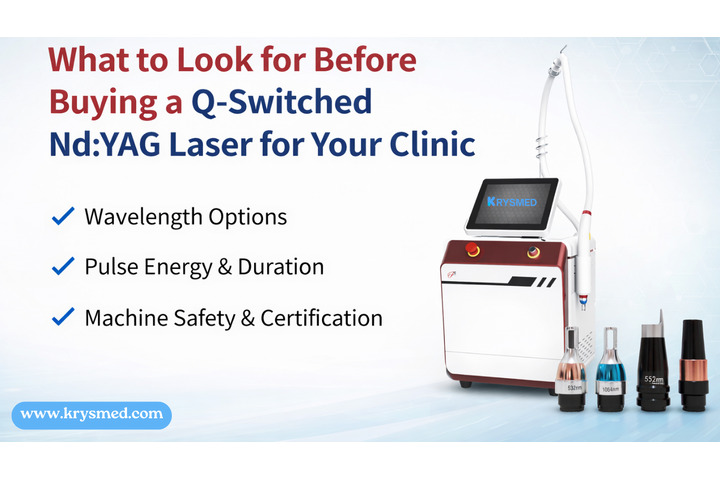
What to Look for Before Buying a Q-Switched Nd:YAG Laser for Your Clinic
Investing in a Q-Switched Nd:YAG laser can greatly expand your clinic’s ability to treat pigmentation, tattoos, and skin toning concerns — but not all machines perform equally. Many buyers focus on price or specs and later face unstable energy output, poor comfort, or limited versatility. Before purchasing, it’s crucial to understand the key factors that truly impact clinical results, safety, and long-term reliability. This guide will help you choose the right device for both treatment success and business growth.
1. Understand What Treatments You Want to Offer
Before buying a Q-Switched Nd:YAG laser for your clinic, the first step is defining the treatments you plan to provide. Different skin concerns require different wavelengths, energy settings, and clinical protocols. A clear service focus helps you choose the right device for both results and profitability.
Pigmentation Removal Treatments
Most clinics use a Q-switched Nd:YAG laser machine for common pigmentation issues like freckles, sunspots, and age spots. These treatments typically rely on 532nm and 1064nm wavelengths for targeted pigment breakdown. Choosing the right configuration ensures safer outcomes across different skin types.
Tattoo Removal Services
If tattoo removal is a priority, your laser must deliver stable high peak energy at 1064nm for deeper ink particles. Not all Q-switched systems perform equally well for multi-color or stubborn tattoos. A clinic-grade device improves clearance while reducing the risk of scarring.、
Laser Toning and Skin Rejuvenation
Many practices also offer Nd:YAG laser toning for overall skin brightening and texture improvement. This requires consistent low-fluence output and controlled parameters to minimize post-inflammatory pigmentation. It’s an ideal add-on service for clinics focused on long-term skin maintenance.
2. Check the Wavelength Options (1064nm & 532nm)
A professional Q-Switched Nd:YAG laser should offer the correct wavelengths to handle both superficial and deeper skin concerns. The combination of 1064nm and 532nm greatly expands treatment versatility in a clinic setting. Without dual wavelengths, your service range will be limited.
1064nm for Deep Pigmentation and Dark Tattoos
The 1064nm wavelength is essential for treating deeper pigmentation and darker tattoo ink safely. It penetrates further into the dermis, making it suitable for laser tattoo removal and dermal pigment lesions. This is a core requirement when choosing a Q-switched laser machine for clinics.
532nm for Superficial Spots and Red/Brown Pigment
The 532nm wavelength targets more superficial pigmentation such as sunspots, freckles, and epidermal discoloration. It is also effective for certain red or brown tattoo pigments. Clinics offering comprehensive pigmentation removal should ensure this option is included.
Dual Wavelength Capability = More Treatment Flexibility
A dual-wavelength Q-switched Nd:YAG laser system allows clinics to treat a wider range of patients and indications. It supports both cosmetic rejuvenation and corrective procedures with better precision. This flexibility directly impacts patient satisfaction and ROI.
3. Energy Output Matters More Than “Big Numbers”
When choosing a Q-Switched Nd:YAG laser for your clinic, real performance is about energy stability, not exaggerated specifications. Many devices advertise high power, but inconsistent output leads to uneven results and higher complication risks. Clinics need reliable fluence delivery for safe, repeatable treatments.
Look for Stable Pulse Energy, Not Just Peak Power
A professional Q-switched laser machine should deliver consistent pulse energy throughout long treatment sessions. Unstable output reduces effectiveness for pigmentation and tattoo removal. Stability is what separates clinic-grade systems from low-end alternatives.
Consistent Fluence Improves Clinical Results
Fluence (J/cm²) consistency is critical for predictable pigment clearance and patient safety. If energy fluctuates, treatments become less effective and side effects like burns or rebound pigmentation increase. Always prioritize measured performance over marketing claims.
Reliable Output Supports High-Volume Clinic Use
Busy clinics require lasers that maintain the same energy level across multiple patients per day. A dependable Nd:YAG laser system improves workflow, client trust, and long-term ROI. Consistency is essential for building repeatable treatment protocols.
4. Spot Size Flexibility = Faster Treatments
Spot size adjustability is a key feature when selecting a Q-Switched Nd:YAG laser machine for your clinic. Different indications require different beam diameters for precision or speed. A system with flexible spot sizes improves both efficiency and treatment outcomes.
Small Spot Sizes for Precise Lesion Targeting
Smaller spot sizes are ideal for treating localized pigmentation such as freckles or stubborn dark spots. They allow more controlled energy delivery with minimal impact on surrounding tissue. This is essential for clinics focused on detailed pigmentation removal.
Larger Spot Sizes for Full-Face Laser Toning
For Nd:YAG laser toning and skin rejuvenation, larger spot sizes help cover broader areas more quickly. This reduces treatment time while maintaining patient comfort. Clinics offering high-volume toning services benefit greatly from this flexibility.
Adjustable Spot Size Improves Workflow and ROI
A versatile Q-switched laser system supports multiple treatment types without slowing down your schedule. Faster sessions mean higher patient throughput and better profitability. Spot size range is often overlooked but directly impacts clinic performance.
5. Pulse Duration and True Q-Switch Performance
A real Q-Switched Nd:YAG laser must deliver true nanosecond pulses with high peak power, not just the label of “Q-switched.” Pulse duration directly affects how effectively pigment particles are shattered rather than overheated. This is one of the most important factors when buying a Q-switched laser machine for clinics.
Nanosecond Pulses Create the Photoacoustic Effect
True Q-switch technology works through a photoacoustic shockwave that breaks pigment into smaller fragments. This mechanism is essential for safe tattoo removal and pigmentation clearance. Longer or unstable pulses increase thermal damage and side-effect risks.
Avoid Machines with Weak or Inconsistent Q-Switch Output
Some low-end systems claim to be Q-switched but fail to deliver consistent high peak energy. This results in slower clearance, more sessions, and higher patient dissatisfaction. Clinics should verify pulse performance, not just printed specifications.
True Q-Switch Performance Improves Safety and Results
A clinic-grade Nd:YAG laser system provides controlled pulse delivery for predictable outcomes across different skin types. Strong Q-switch performance reduces the risk of burns, PIH, and rebound pigmentation. It’s a key indicator of professional treatment quality.
6. Cooling and Patient Comfort
Cooling is a critical feature when choosing a Q-Switched Nd:YAG laser for your clinic, especially for tattoo removal and high-fluence treatments. Effective cooling improves patient comfort while reducing the risk of burns and post-inflammatory pigmentation. A professional Q-switched laser machine should never rely on comfort as an afterthought.
Better Cooling Reduces Pain During Treatment
Pigmentation and tattoo removal sessions can be uncomfortable without proper cooling support. Integrated air or contact cooling helps patients tolerate higher energy settings safely. Comfort directly impacts client satisfaction and repeat visits.
Cooling Helps Prevent Burns and Side Effects
Insufficient cooling increases the chance of epidermal overheating, leading to redness, blistering, or PIH. Clinics treating darker skin types must be especially cautious. Strong cooling systems improve safety across a wider patient range.
Patient Experience Drives Clinic Reputation and ROI
A reliable Nd:YAG laser system is not only about results but also about how patients feel during the procedure. Comfortable treatments lead to better reviews, referrals, and long-term business growth. Cooling is a practical investment in both safety and profitability.
7. Safety Features You Should Never Skip
Safety is non-negotiable when investing in a Q-Switched Nd:YAG laser machine for your clinic. Advanced treatments like pigmentation and tattoo removal require precise control and built-in protection. A clinic-ready Q-switched laser system should meet professional safety standards from day one.
Essential Controls for Clinical Use
Look for key safety controls such as an emergency stop, key switch, and password-protected settings. These features prevent accidental activation and unauthorized use. They are basic requirements for responsible clinic operation.
Clear Parameter Adjustment and Treatment Stability
A professional Nd:YAG laser system should allow accurate adjustment of fluence, spot size, and repetition rate. Poor interface design increases the risk of operator error and inconsistent outcomes. Clinics need precision for safe, repeatable protocols.
Protective Equipment and Compliance Support
Proper protective goggles, warning indicators, and safety interlocks are critical for laser procedures. These safeguards reduce liability and protect both staff and patients. Safety features are not optional extras — they define a true clinic-grade device.
8. Training and After-Sales Support
Even the best Q-Switched Nd:YAG laser will not deliver optimal results without proper clinical training and long-term support. Many complications come from incorrect parameters, not the technology itself. Before buying a Q-switched laser machine for your clinic, confirm what happens after installation.
Clinical Training Ensures Safe Treatment Protocols
Pigmentation removal and tattoo removal require correct settings based on skin type and lesion depth. Professional training helps operators avoid burns, PIH, and inconsistent outcomes. A clinic-ready supplier should provide clear protocols, not just a manual.
Technical Support Protects Your Investment
Laser devices are long-term assets, and downtime directly affects clinic revenue. Reliable after-sales support ensures fast troubleshooting, spare parts availability, and software updates when needed. This is essential for maintaining consistent performance.
Long-Term Partnership Matters More Than the Initial Price
Many clinics choose a device based on cost, then struggle with limited guidance or slow service response. A professional Nd:YAG laser system should come with dependable support throughout its lifespan. Strong after-sales service is a key factor in sustainable clinic growth.
9. ROI: Will This Laser Pay for Itself?
A Q-Switched Nd:YAG laser for your clinic is not just a clinical tool — it’s a business investment. Before purchasing, you should evaluate whether pigmentation and tattoo removal services will generate consistent revenue. A profitable laser must support both treatment demand and operational efficiency.
Calculate Treatment Pricing and Monthly Demand
Most clinics charge premium rates for laser tattoo removal and pigmentation correction sessions. Even a small number of patients per month can create strong cash flow. Understanding your local pricing helps estimate realistic return timelines.
More Versatility Means Faster Payback
A versatile Q-switched laser machine that supports freckles, melasma management, tattoo removal, and laser toning will attract more clients. Offering multiple indications increases utilization and reduces idle time. Higher treatment volume leads to faster ROI.
Long-Term Reliability Reduces Hidden Costs
Low-quality systems may require frequent repairs, unstable output, or replacement parts that disrupt clinic operations. A professional Nd:YAG laser system delivers consistent performance with lower long-term maintenance risk. Reliability is often what determines true profitability.
Final Thoughts
Choosing the right Q-Switched Nd:YAG laserfor your clinic is about more than specifications — it’s about consistent results, patient safety, and long-term profitability. By focusing on true Q-switch performance, wavelength versatility, and reliable support, clinics can avoid costly mistakes. A well-selected system becomes a powerful foundation for pigmentation and tattoo removal success.
Ready to Choose the Right Q-Switched Nd:YAG Laser for Your Clinic?
If you’re looking for a clinic-grade Q-Switched Nd:YAG laser machine with reliable performance, full treatment versatility, and professional training support, the right choice starts with expert guidance. Contact Krysmed today to receive detailed specifications, clinical protocols, and pricing tailored to your clinic’s needs. The right system can elevate both your treatment outcomes and long-term business growth.
FAQ
1. Q: Can a Q-Switched Nd:YAG laser treat melasma?
Yes, but melasma requires conservative settings and careful patient selection. Low-fluence laser toning protocols are commonly used to reduce the risk of rebound pigmentation. Multiple sessions and strict sun protection are essential.
2. Q: Is Q-switched Nd:YAG effective for tattoo removal?
Yes, Q-switched technology is widely used for tattoo removal because it breaks ink particles through a photoacoustic effect. The 1064nm wavelength is preferred for dark inks, while 532nm can target certain red or brown pigments. Clearance typically requires multiple sessions.
3. Q: What wavelengths should a clinic-grade Nd:YAG laser include?
Most professional systems include both 1064nm and 532nm wavelengths. This dual capability allows treatment of deeper dermal pigment as well as superficial epidermal spots. It also expands tattoo color coverage.
4. Q: What is the difference between Q-switched and picosecond lasers?
Both target pigment, but picosecond lasers deliver shorter pulse durations, which may improve fragmentation efficiency in some cases. Q-switched Nd:YAG remains a cost-effective and clinically proven option for many indications. Treatment outcomes depend heavily on settings and operator technique.
5. Q: How many sessions are usually needed for pigmentation removal?
The number of sessions depends on pigment depth, lesion type, and skin phototype. Superficial spots may respond in 1–3 sessions, while deeper conditions require more treatments. Proper intervals help minimize side effects.
6. Q: What are the most common side effects of Nd:YAG laser treatments?
Temporary redness, swelling, and mild crusting are common. Risks such as post-inflammatory hyperpigmentation or burns increase with improper parameters or insufficient cooling. Following correct protocols is key to safety.
7. Q: How do I know if a machine delivers true Q-switch performance?
True Q-switched systems produce nanosecond pulses with high peak power and consistent fluence. Weak or unstable pulse delivery often results in slower clearance and more thermal damage. Clinical testing and technical documentation are important before purchase.
Our Contact
Ready to Elevate Your Business with Krysmed?
Let’s discuss your needs and find the best solution for your business. Our experts are here to provide personalized recommendations tailored to your business needs.
-
Call For Inquiry
-
Send Us Email
info@krysmed.com
Get A Custom Quote Now!
We value your privacy and guarantee a prompt, professional reply.
 WhatsApp
 info@krysmed.com
 +86 19867944875