

News
12
Jan
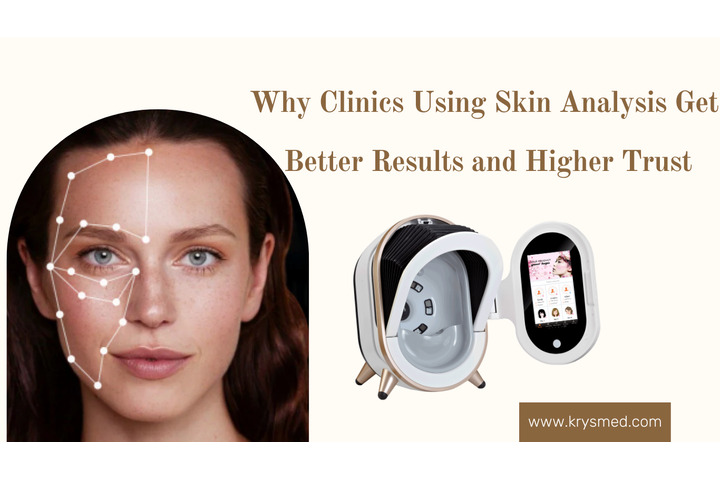
Why Clinics Using Skin Analysis Get Better Results and Higher Trust
In aesthetic clinics, treatment results are no longer judged only by professional opinion—they are judged by visible outcomes and client confidence. More clinics are realizing that consistent results and long-term trust do not start with the treatment itself, but with accurate skin analysis.
Skin analysis allows clinics to assess real skin conditions beyond what the eye can see, helping practitioners make better treatment decisions from the very first consultation. By replacing guesswork with measurable data, clinics improve treatment accuracy, reduce unnecessary risk, and create a more professional consultation experience. This is why clinics using skin analysis consistently achieve better results and earn higher client trust.
1. Why Skin Analysis Matters in Professional Clinics
Professional clinics are expected to deliver results that are both visible and reliable. Relying only on visual inspection or practitioner experience is no longer enough, especially when clients are more informed and results-focused than ever. This is where skin analysis becomes essential.
Visual Assessment Alone Is Not Enough
Surface observation can identify obvious concerns, but many skin conditions develop beneath the surface long before they become visible. Without proper skin analysis, clinics risk treating symptoms rather than real skin conditions, which often leads to uneven results and client disappointment.
Skin Analysis Turns Guesswork Into Informed Decisions
Skin analysis provides clinics with clear, measurable information about skin condition. Instead of making assumptions, practitioners can base treatment choices on data, improving accuracy and reducing unnecessary trial and error. This leads to safer treatments and more predictable outcomes.
A More Professional Consultation Experience
Using skin analysis during consultations helps clinics communicate more clearly and confidently. When clients can see and understand their skin condition, treatment recommendations feel more transparent and credible. This strengthens trust and positions the clinic as professional and results-driven.
2. How Skin Analysis Improves Treatment Results
Accurate treatment starts with knowing the skin’s real condition. Clinics that use professional skin analysis can deliver more effective treatments and consistent results for every client.
Detect Hidden Skin Issues Early
Many skin concerns, like dehydration, pigmentation, or sensitivity, begin beneath the surface. Skin analysis helps clinics identify these issues before visible signs appear. By addressing the root cause, treatments become more effective and results last longer.
Tailor Treatments to Individual Skin Needs
Not every treatment suits every skin type or condition. With skin analysis, clinics can select the right technology, adjust treatment intensity, and plan session frequency based on actual skin data. Personalized treatments reduce risks and improve overall results.
Ensure Consistency Across Sessions
When treatments are guided by objective skin analysis, results are predictable across multiple sessions. Clients receive the same level of care each time, regardless of the practitioner, which reinforces confidence in the clinic’s expertise.
3. How Skin Analysis Builds Client Trust During Consultations
Trust is a key factor in client loyalty. Clinics that incorporate skin analysis into consultations create a more professional and transparent experience, which naturally builds confidence.
Show, Don’t Just Tell
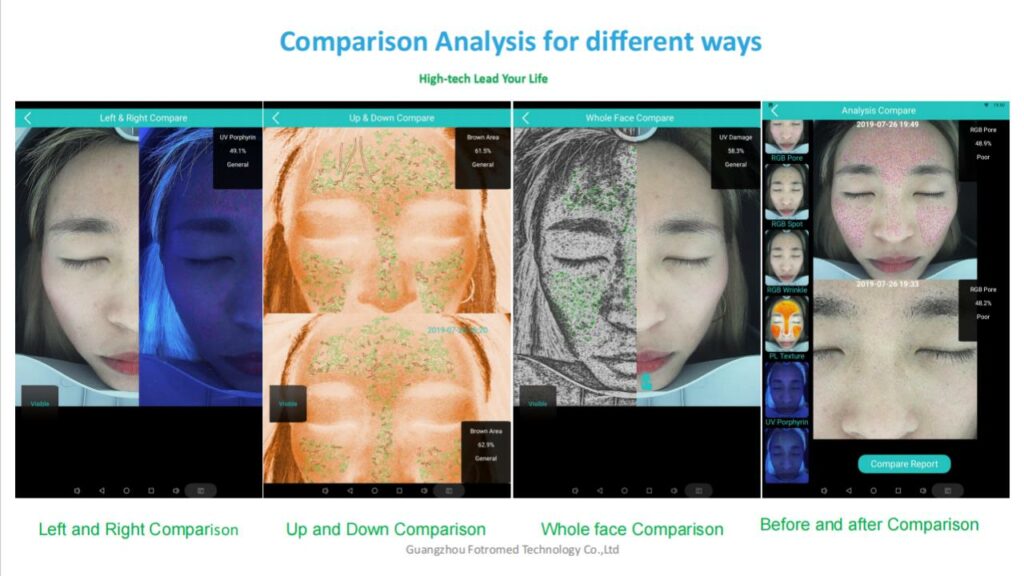
Clients respond to visible evidence. Skin analysis allows clinics to visually demonstrate skin conditions and treatment needs. Instead of explaining problems in words alone, clients can see the data for themselves, making recommendations more credible.
Make Consultations Clear and Educational
A consultation guided by skin analysis helps clients understand their skin better. Clinics can explain why certain treatments are recommended and what results to expect. This clarity reduces uncertainty and makes clients feel more involved in their treatment journey.
Strengthen Long-Term Relationships
When clients feel their concerns are understood and addressed accurately, trust grows. Skin analysis not only improves immediate treatment acceptance but also encourages repeat visits and long-term loyalty, benefiting both clients and clinics.
| Key Benefit | How Skin Analysis Helps | Client Impact |
|---|---|---|
| Visual Proof of Skin Condition | Clinics can show real data and images of skin issues instead of relying only on verbal explanations. | Clients understand their concerns clearly and see the reasoning behind recommendations. |
| Clear and Informative Consultations | Skin analysis guides discussions about treatment options, expected results, and progress tracking. | Clients feel involved and confident in their personalized plan. |
| Builds Long-Term Relationships | Addressing skin concerns accurately from the first session demonstrates professionalism and consistency. | Trust grows, leading to higher treatment acceptance, repeat visits, and long-term loyalty. |
4. Why Clinics See Higher Treatment Acceptance
Clients are more likely to commit to treatments when they understand their skin and the logic behind recommendations. Skin analysis makes this possible.
Clients Understand the “Why” Behind Treatments
When clinics show measurable skin results, clients clearly see which areas need attention. Understanding the reasoning behind treatment choices increases acceptance and reduces hesitation.
Personalized Plans Encourage Commitment
Data-driven treatment plans feel tailored rather than generic. Clients are more confident that the recommended procedures will address their real skin needs, which increases the likelihood of scheduling sessions and following through with long-term care.
5. Common Risks Without Skin Analysis
Skipping skin analysis can lead to inconsistent results and disappointed clients. Even experienced practitioners can miss underlying skin issues that affect treatment outcomes.
Guesswork Leads to Mistakes
Without objective skin data, practitioners may over-treat or under-treat, reducing treatment effectiveness and increasing the risk of side effects.
Inconsistent Results Across Practitioners
Different practitioners might interpret skin conditions differently. Without standardized skin analysis, results can vary between sessions, undermining professional credibility.
Lower Client Confidence
Clients are less likely to trust a clinic when treatments don’t deliver visible improvements. Skipping skin analysis can lead to dissatisfaction and decreased long-term loyalty.
6. Skin Analysis Is an Investment in Better Results and Long-Term Trust
Investing in a professional skin analysis system is more than a one-time purchase—it’s a step toward consistently better treatment outcomes and stronger client relationships. Clinics that rely on objective skin data deliver treatments that are precise, personalized, and reliable, which naturally builds client confidence.
Improve Treatment Accuracy
By understanding each client’s real skin condition, practitioners can tailor treatments to actual needs. This reduces guesswork, minimizes risks, and increases the likelihood of visible, lasting results.
Build Client Confidence and Loyalty
Clients are more likely to trust clinics that base recommendations on clear, measurable data. Skin analysis demonstrates professionalism and transparency, helping to foster long-term relationships and repeat visits.
Support Clinic Growth
Beyond immediate results, skin analysis contributes to clinic reputation and operational efficiency. Consistent outcomes, satisfied clients, and data-driven treatment planning make the clinic stand out in a competitive market, creating long-term value.
7. Conclusion
Better treatments start with understanding the skin. Clinics that use professional skin analysis deliver more accurate results, build client trust, and foster long-term loyalty.
Ready to elevate your clinic’s results? Contact Krysmed today to learn how professional skin analysis can transform your consultations.
FAQ About Skin Analysis in Professional Clinics
1. What is skin analysis and why is it important?
Skin analysis is the process of assessing a client’s skin using professional tools to measure hydration, pigmentation, elasticity, and other parameters. It helps clinics deliver more accurate treatments and build client trust.
2. How does skin analysis improve treatment results?
By identifying underlying skin conditions, clinics can customize treatments to each client’s needs. This leads to more effective, safe, and predictable outcomes.
3. Can skin analysis increase client loyalty?
Yes. When clients see measurable results and understand their treatment plan, they feel more confident in the clinic, which encourages repeat visits and long-term loyalty.
4. Do clinics need special training to use a skin analysis system?
Most professional skin analysis systems are designed for easy integration into daily consultations. Minimal training is needed, and many systems provide visual reports to simplify explanations to clients.
5. Is skin analysis suitable for all types of aesthetic clinics?
Absolutely. Any clinic offering treatments for skin improvement, from anti-aging to pigmentation or hydration treatments, can benefit from skin analysis to enhance treatment accuracy and client satisfaction.

Our Contact
Ready to Elevate Your Business with Krysmed?
Let’s discuss your needs and find the best solution for your business. Our experts are here to provide personalized recommendations tailored to your business needs.
-
Call For Inquiry
-
Send Us Email
info@krysmed.com
Get A Custom Quote Now!
We value your privacy and guarantee a prompt, professional reply.
 WhatsApp
 info@krysmed.com
 +86 19867944875