

News
10
Jan
Are Fractional CO2 Laser Treatments Worth Adding to Your Clinic?
In today’s competitive aesthetic market, clients are seeking treatments that deliver visible, long-lasting results. Fractional CO2 laser has emerged as a standout solution for skin resurfacing, anti-aging, acne scars, and pigmentation issues. For clinic owners, the question isn’t just about technology—it’s about whether adding Fractional CO2 laser can increase client satisfaction, drive repeat visits, and boost revenue. Understanding its benefits and practical impact can help your clinic stay ahead in an ever-evolving industry.
1. What Is Fractional CO2 Laser?
How It Works
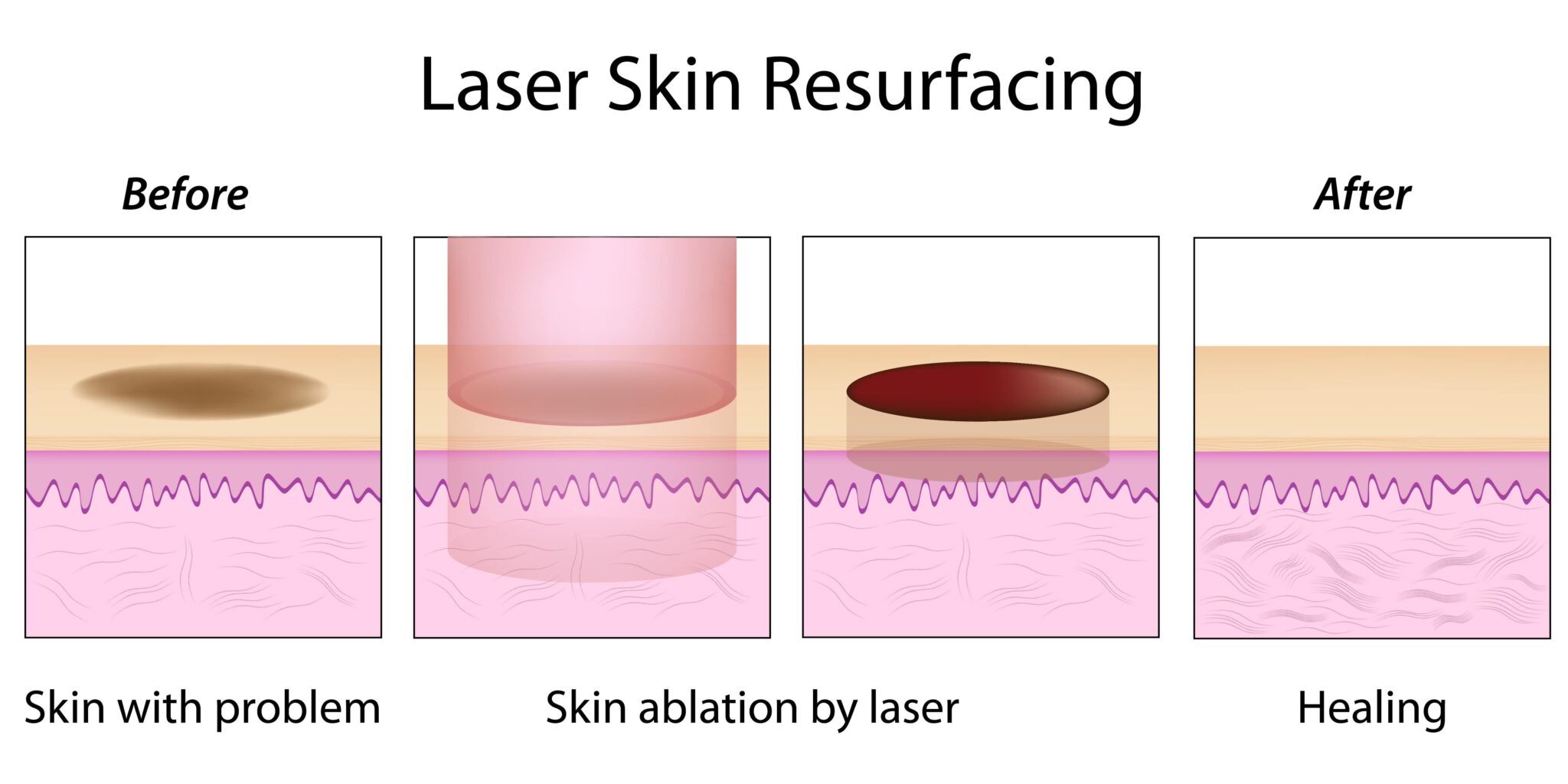
Fractional CO2 laser is an advanced skin resurfacing technology that delivers precise microscopic beams of laser energy to target damaged skin while leaving surrounding tissue intact. Unlike traditional CO2 lasers, which remove larger areas of skin, fractional technology creates tiny treatment zones, promoting faster healing and reduced downtime.
Key Applications
Clinics use Fractional CO2 lasers to address a wide range of skin concerns, including fine lines, wrinkles, acne scars, pigmentation, and uneven skin texture. By stimulating collagen production and encouraging natural skin regeneration, it offers noticeable, long-lasting results that keep clients coming back.
Clinic Benefits
For aesthetic clinics, this means offering a versatile, high-demand treatment that can appeal to both anti-aging and corrective skincare patients, making it a smart addition to your service menu.
2. Benefits for Your Clients
Improved Skin Texture and Tone
Fractional CO2 laser treatments help clients achieve smoother, more even skin by promoting natural collagen production and accelerating skin resurfacing. This makes it an ideal solution for improving overall skin texture and tone, leaving the skin looking youthful and revitalized.
Reduced Fine Lines and Wrinkles
By targeting multiple layers of the skin with precision, fractional CO2 laser effectively softens fine lines and wrinkles. Clients can enjoy noticeable anti-aging results, making this treatment a high-demand option for those seeking long-lasting facial rejuvenation.
Scar and Pigmentation Improvement
Fractional CO2 laser is highly effective at reducing acne scars, sun damage, and pigmentation irregularities. By encouraging skin regeneration and promoting even skin tone, it provides clients with clearer, brighter, and healthier-looking skin.
Shorter Recovery Time Compared to Traditional Ablative Lasers
Unlike traditional ablative lasers, fractional CO2 technology treats only a fraction of the skin at a time, which significantly reduces downtime. Clients benefit from faster recovery while still achieving dramatic improvements in skin resurfacing, making it a convenient option for busy lifestyles.
3. Benefits for Your Clinic
High-Demand, Revenue-Boosting Treatment
Adding Fractional CO2 laser to your clinic’s service menu allows you to offer a highly sought-after treatment that attracts new clients. Its versatility for anti-aging, acne scars, pigmentation, and skin resurfacing enables clinics to charge premium pricing, increasing overall revenue and return on investment.
Enhances Clinic Reputation
Offering advanced aesthetic treatments like fractional CO2 laser positions your clinic as a modern, results-driven facility. Clients are more likely to trust and recommend a clinic that invests in cutting-edge technology, helping build a stronger brand and attract repeat business.
Versatile Treatment Options
Fractional CO2 laser can be combined with other services, such as PRP, microneedling, or skin rejuvenation packages, allowing clinics to create personalized treatment plans. This versatility helps clinics meet a broader range of client needs and stay competitive in the aesthetic market.
Efficient Use of Time and Resources
Fractional CO2 laser treatments are precise and can target multiple skin concerns in one session. This efficiency reduces appointment times and optimizes clinic scheduling, allowing your staff to serve more clients while maintaining high-quality results.
4. Considerations Before Adding Fractional CO2 Laser
Training and Certification Requirements
Proper training is essential to safely operate a fractional CO2 laser and achieve consistent results. Clinics should invest in professional courses and certification for their staff to ensure treatments are effective and minimize the risk of side effects. Well-trained staff also boost client confidence and satisfaction.
Treatment Protocols and Safety
Understanding treatment parameters, skin types, and post-care protocols is critical. Fractional CO2 laser requires careful assessment to prevent over-treatment and ensure optimal results, making safety a top priority for any aesthetic clinic.
Initial Investment vs. ROI
Fractional CO2 laser systems require upfront investment, including equipment cost and staff training. Clinics should evaluate potential revenue from high-demand treatments, considering pricing strategies and treatment packages to ensure a positive return on investment.
Patient Selection and Expected Outcomes
Not every client is an ideal candidate for fractional CO2 laser. Clinics should assess skin type, medical history, and treatment goals before recommending procedures. Managing expectations helps maintain client satisfaction and prevents negative reviews or dissatisfaction.
5. Preparing Clients for Fractional CO2 Laser
Treatment Consultation and Assessment
Before any fractional CO2 laser session, a thorough consultation is essential. Clinics should assess the client’s skin type, medical history, and specific concerns such as acne scars, pigmentation, or fine lines. A clear discussion of expected results, potential side effects, and recovery time helps manage client expectations and ensures a safer, more effective treatment.
Pre-Treatment Skin Preparation
Proper skin preparation can significantly enhance the results of fractional CO2 laser treatments. Clients may be advised to avoid excessive sun exposure, discontinue certain skincare products, and follow a gentle cleansing routine. Pre-treatment care reduces the risk of irritation and ensures the laser energy targets the skin effectively for optimal resurfacing.
Setting Realistic Expectations
Fractional CO2 laser delivers impressive results, but it’s important for clients to understand that multiple sessions may be needed for full improvement. Clinics should explain the gradual improvement process, downtime, and aftercare requirements to foster trust and satisfaction. Clear communication helps clients feel informed, prepared, and confident in choosing the treatment.
6. Post-Treatment Care and Recovery Tips
Managing Downtime
After a fractional CO2 laser session, clients may experience redness, swelling, or mild peeling. It’s important to explain that these effects are temporary and part of the skin’s natural healing process. Providing clear guidance on what to expect helps clients feel prepared and reduces anxiety about recovery.
Daily Skincare and Protection
Post-treatment skincare is critical for optimal results. Clients should use gentle cleansers, avoid exfoliating products, and keep the skin well-moisturized. Applying broad-spectrum sunscreen is essential to protect sensitive skin from UV damage and prevent pigmentation issues.
Avoiding Complications
Clinics should advise clients to avoid picking or scratching treated areas and to follow all post-care instructions carefully. Monitoring for unusual reactions, such as excessive redness or infection, ensures timely intervention and maintains high client satisfaction.
Supporting Long-Term Results
Encouraging clients to follow a consistent skincare routine and schedule follow-up treatments can help maintain results from fractional CO2 laser sessions. Offering bundled treatments, such as PRP or light-based therapies, can further enhance skin rejuvenation and increase client retention.
Conclusion
Fractional CO2 laser offers aesthetic clinics a high-demand, versatile treatment that improves skin texture, reduces wrinkles, and addresses scars and pigmentation. By delivering safe, effective results with minimal downtime, it enhances client satisfaction and supports clinic growth.
Ready to Elevate Your Clinic with Fractional CO2 Laser?
Fractional CO2 laser treatments can transform your clinic’s service offerings and help you meet growing client demand for advanced skin resurfacing and anti-aging solutions. From improving skin texture to reducing wrinkles, scars, and pigmentation, Krysmed’s CO2 Laser technology delivers results that clients value—and keeps them coming back.
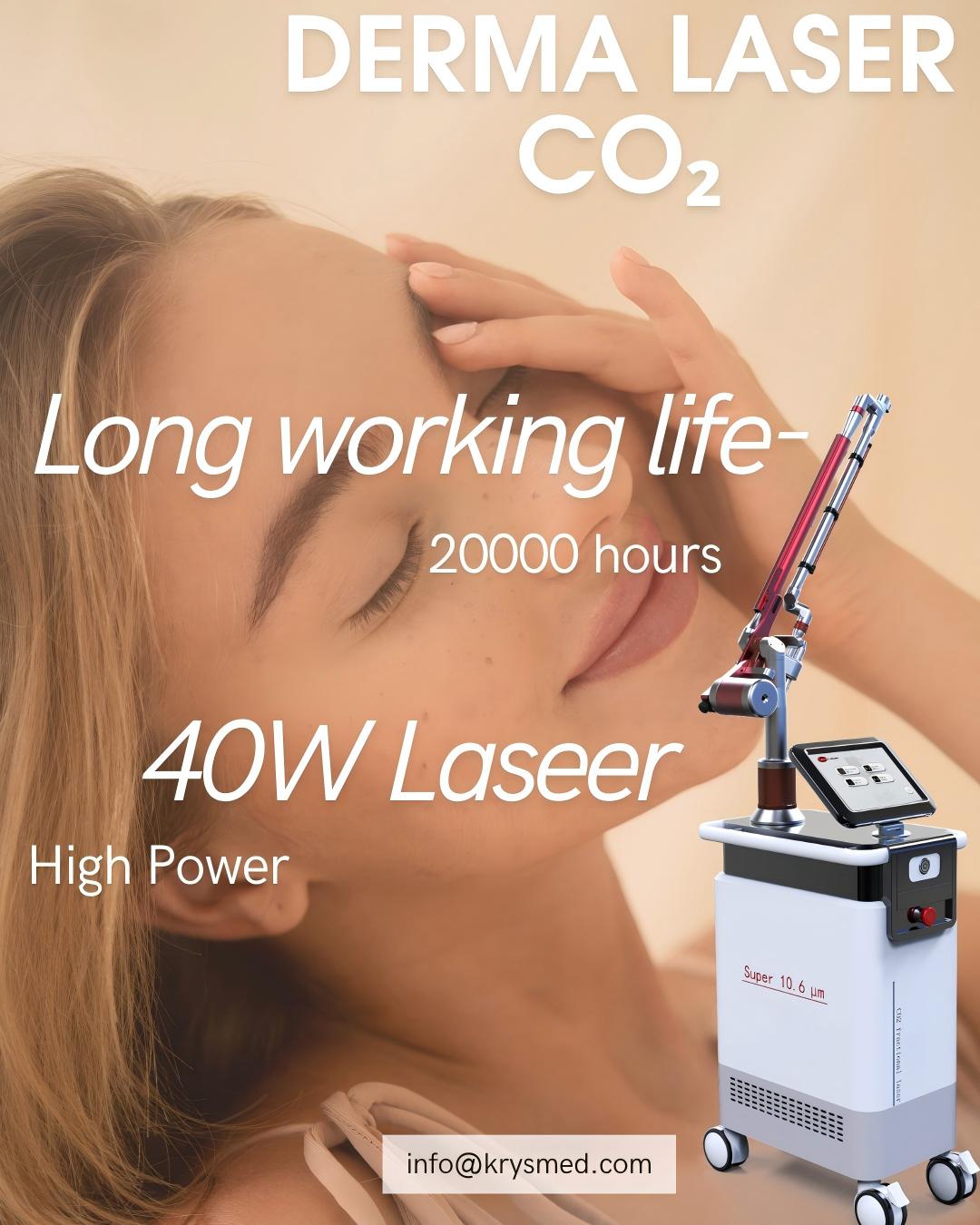
Contact Krysmed today to bring this high-demand, revenue-boosting treatment to your clinic.
FAQ: Fractional CO2 Laser
Q1: What is fractional CO2 laser used for?
Fractional CO2 laser is primarily used for skin resurfacing, reducing fine lines and wrinkles, improving acne scars, and correcting pigmentation issues. It stimulates collagen production for smoother, rejuvenated skin.
Q2: How many sessions are needed for visible results?
Most clients notice improvement after 1–3 sessions, depending on their skin concerns. Some cases, such as deep scars or severe pigmentation, may require additional treatments for optimal results.
Q3: Is the treatment painful?
Clients may experience mild discomfort during the procedure, often described as a warm or prickling sensation. Topical numbing creams are typically applied to minimize discomfort.
Q4: What is the recovery time?
Fractional CO2 laser involves minimal downtime compared to traditional ablative lasers. Redness, swelling, or peeling may last 3–7 days, after which most clients can resume normal activities.
Q5: Are there any side effects?
Temporary redness, swelling, or mild peeling is common. Rare complications may include hyperpigmentation or infection, which can be minimized by following proper pre-treatment assessment and post-care instructions.
Q6: Who is a suitable candidate?
Ideal candidates are adults seeking skin resurfacing, anti-aging results, or improvement of scars and pigmentation. Those with active skin infections, recent sunburn, or certain medical conditions should consult with a qualified clinician before treatment.
Q7: Can fractional CO2 laser be combined with other treatments?
Yes. It can be safely combined with PRP, microneedling, or skin rejuvenation therapies to enhance results and address multiple skin concerns simultaneously.
Our Contact
Ready to Elevate Your Business with Krysmed?
Let’s discuss your needs and find the best solution for your business. Our experts are here to provide personalized recommendations tailored to your business needs.
-
Call For Inquiry
-
Send Us Email
info@krysmed.com
Get A Custom Quote Now!
We value your privacy and guarantee a prompt, professional reply.
 WhatsApp
 info@krysmed.com
 +86 19867944875