

News

03
Feb
Why Skin Analysis Is More Than Just a Consultation Tool for Clinical Skin Treatments
Accurate decision-making in clinical skin treatments begins before any procedure. While consultations capture patient concerns, they cannot fully reveal underlying skin conditions. Professional skin analysis provides objective insight, enabling safer, more precise, and consistent treatment planning.
1. What Skin Analysis Really Means in Clinical Practice
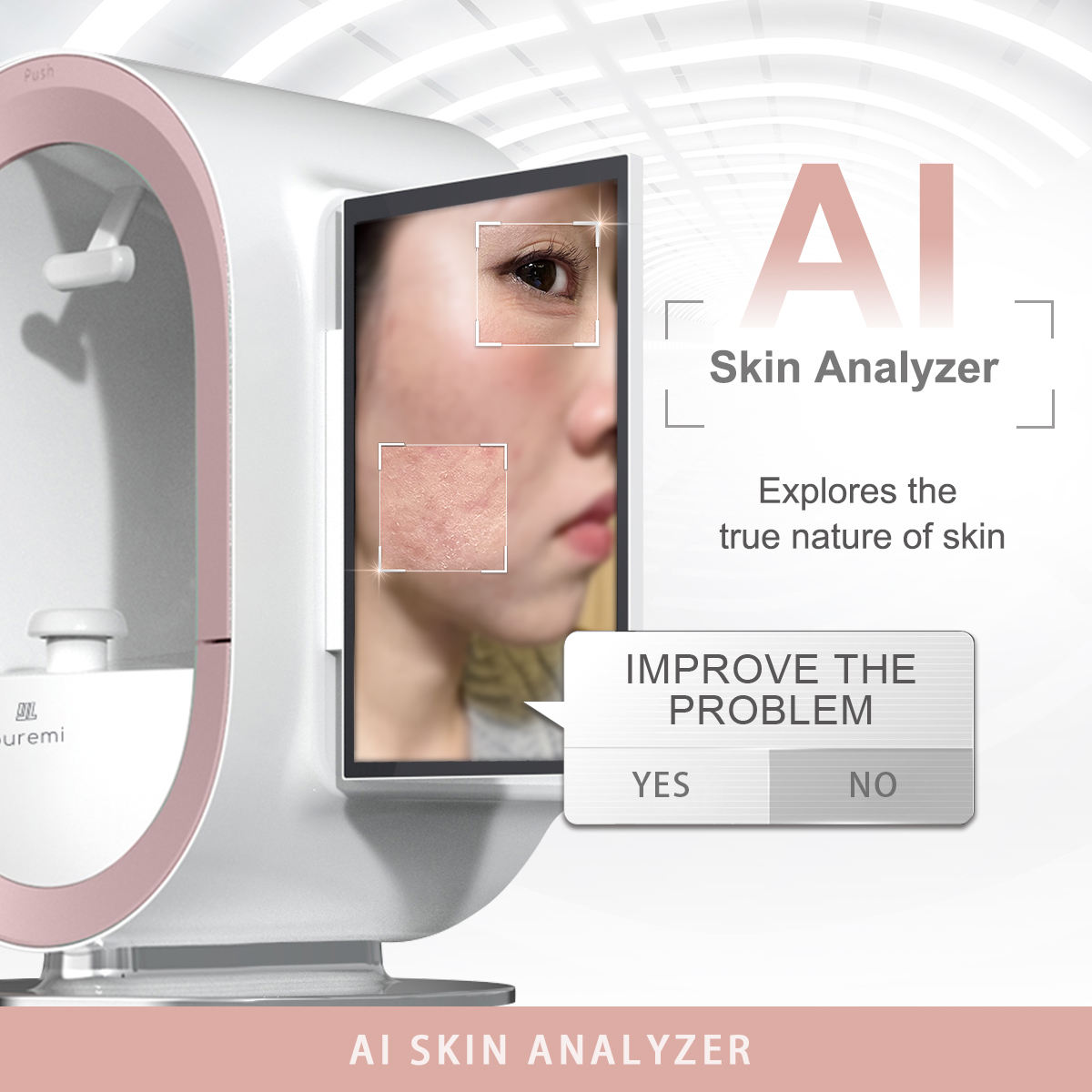
Skin analysis goes beyond surface observation by evaluating the skin with objective data rather than visual judgment alone. It reveals conditions such as pigmentation patterns, sensitivity, vascular activity, texture irregularities, and underlying skin risks that are not always visible to the naked eye. In clinical skin treatments, this deeper understanding supports more accurate and consistent treatment planning.
Limitations of Naked-Eye Diagnosis
Visual assessment is influenced by lighting, experience, and subjective interpretation, which can lead to inconsistent conclusions. Early pigmentation, inflammation, or sensitivity may appear minimal but still affect treatment response. Relying only on what is visible increases the risk of over- or under-treatment in aesthetic clinics.
The Role of Imaging and Data in Modern Aesthetic Treatments
Skin assessment technology uses imaging and measurable parameters to create a more reliable evaluation of skin conditions. This data-driven approach helps clinicians select appropriate treatment methods and adjust energy levels with greater confidence. As a result, professional skin analysis improves treatment accuracy and safety across a wide range of aesthetic treatments.
2. Why Consultation Alone Is Not Enough
A consultation helps identify patient concerns and treatment expectations, but it does not provide a complete picture of skin behavior. In clinical skin treatments, similar visible conditions can respond very differently depending on underlying pigmentation, sensitivity, and skin health. Without professional skin analysis, treatment decisions rely heavily on experience rather than objective skin data.

The Gap Between Patient Feedback and Skin Reality
Patient descriptions are subjective and often focus on symptoms rather than root causes. Redness, pigmentation, or uneven texture may be perceived as minor, while underlying skin risks remain unnoticed. This gap can affect treatment planning and compromise consistency in aesthetic clinics.
Hidden Risks That Consultation Cannot Detect
Consultation alone cannot reliably identify subclinical pigmentation, inflammation, or barrier weakness. These hidden factors play a critical role in how the skin responds to energy-based and corrective procedures. Skin analysis helps uncover these risks, supporting safer and more predictable clinical outcomes.
3. Skin Analysis as the Foundation of Treatment Planning
Skin analysis provides the clinical basis for effective skin treatment planning by translating skin conditions into actionable data. It allows clinicians to select appropriate treatment methods, intensity, and intervals based on measurable skin characteristics rather than assumptions. In aesthetic clinics, this leads to more consistent and predictable clinical skin treatments.
Supporting Treatment Selection and Protocol Design
Different skin conditions often require different treatment approaches, even when concerns appear similar. Professional skin analysis helps identify treatment priorities, guiding the choice between laser, light-based, or non-energy procedures. This structured approach improves treatment accuracy and reduces unnecessary trial and error.
Adapting Treatments to Individual Skin Response
Skin analysis supports ongoing evaluation throughout a treatment course, not just at the initial consultation. By monitoring changes in pigmentation, sensitivity, and texture, clinicians can adjust parameters and treatment frequency with greater confidence. This adaptability is essential for achieving safe and effective outcomes in modern aesthetic treatments.
4. Improving Treatment Accuracy and Safety
Accurate skin analysis allows clinicians to better match treatment intensity with the skin’s actual condition. By identifying factors such as sensitivity, inflammation, and pigmentation depth, clinical skin treatments can be performed with greater precision. This reduces unnecessary aggression while maintaining treatment effectiveness.
Identifying Risk Factors Before Treatment
Professional skin analysis helps detect underlying skin risks that are not immediately visible, such as subclinical pigmentation or compromised skin barriers. These factors can significantly increase the likelihood of adverse reactions during laser or energy-based treatments. Early identification supports safer treatment planning and risk management in aesthetic clinics.
Reducing Complications and Unpredictable Outcomes
Without objective skin assessment, treatment outcomes can vary widely between patients. Skin analysis improves consistency by guiding parameter selection and treatment timing. As a result, clinics can minimize complications and deliver safer, more reliable aesthetic treatments.
5. Tracking Skin Changes Over Time
Clinical skin treatments are rarely one-time procedures; understanding how the skin evolves is essential for long-term success. Skin analysis provides measurable data before, during, and after each session, allowing clinicians to monitor progress objectively. This helps ensure that treatment plans remain effective and safe over multiple visits.
Measuring Improvement Beyond Visual Observation
Changes in pigmentation, texture, and sensitivity may not always be obvious to the naked eye. Professional skin assessment technology quantifies these subtle improvements, giving both clinicians and patients a clear picture of treatment effectiveness. Objective tracking also helps refine future treatment protocols for better outcomes.
Supporting Long-Term Treatment Strategies
By documenting skin condition over time, clinics can adjust treatment intervals, energy settings, and procedure types based on actual results. This data-driven approach increases predictability and maximizes patient satisfaction. Ultimately, consistent tracking turns skin analysis into a powerful tool for sustainable clinical skin treatments.
6. Building Professional Credibility and Patient Trust
Professional skin analysis demonstrates a clinic’s commitment to evidence-based treatments rather than guesswork. When patients see objective data guiding treatment decisions, they gain confidence in the clinic’s expertise. This transparency strengthens trust and encourages adherence to recommended clinical skin treatment plans.
Enhancing Patient Communication
Skin analysis provides visual and measurable evidence that helps explain treatment strategies clearly. Patients can understand why certain procedures, intensity levels, or treatment intervals are chosen for their skin. Clear communication reduces misunderstandings and supports realistic expectations.
Positioning Clinics as Experts in Aesthetic Care
Clinics that integrate professional skin assessment into every treatment cycle are perceived as more reliable and knowledgeable. Objective skin data not only improves outcomes but also enhances the clinic’s reputation in the competitive aesthetic industry. Consistent use of skin analysis reinforces professional credibility and long-term patient loyalty.
7. The Role of Skin Analysis in Modern Aesthetic Clinics
In modern aesthetic clinics, skin analysis is no longer optional—it forms the backbone of data-driven treatment planning. Integrating professional skin assessment into daily practice ensures treatments are tailored, safe, and effective for each patient. This approach transforms decision-making from subjective experience to measurable clinical insight.
Integration with Professional Aesthetic Devices
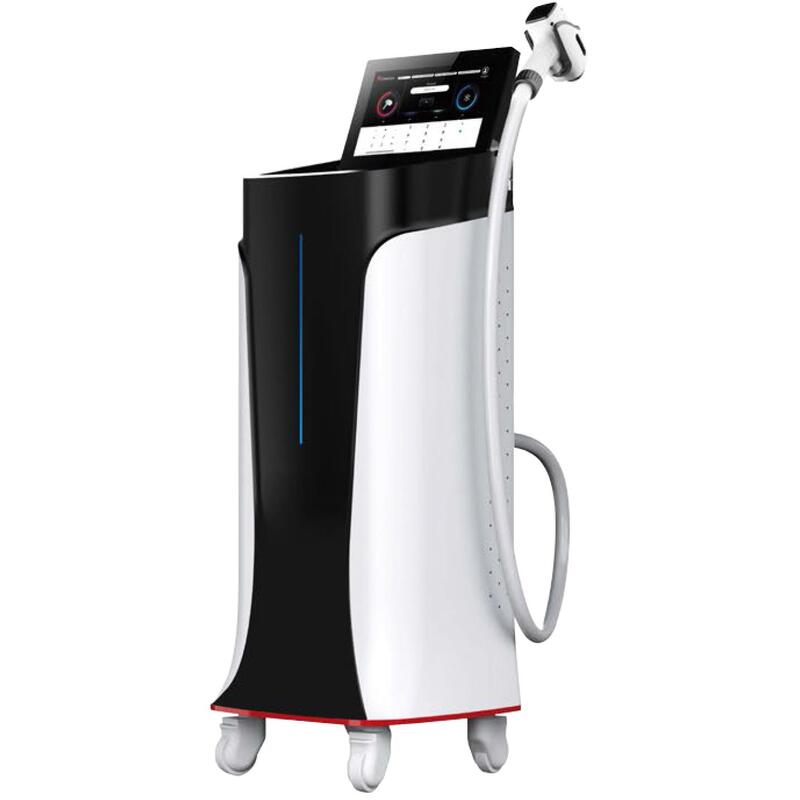
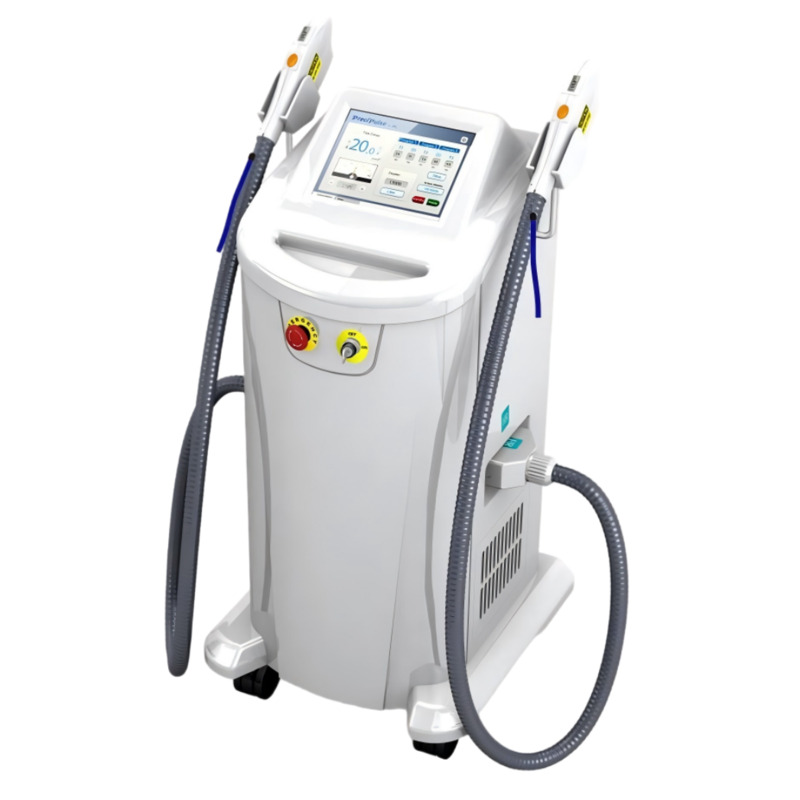
Skin analysis works hand-in-hand with energy-based and corrective devices, such as lasers, IPL, and RF systems. By providing objective data, it guides parameter selection and treatment customization. This integration maximizes device performance while minimizing risks.
Supporting Standardized Treatment Workflows
Objective skin data enables clinics to establish repeatable and consistent treatment protocols. Standardized workflows reduce variability between operators and across sessions. Clinics can achieve predictable outcomes and maintain high-quality results for every patient.
Elevating Clinics from Experience-Based to System-Based Practice
Moving from intuition-based decisions to systematized, data-driven workflows improves clinical efficiency and reliability. Skin analysis empowers aesthetic clinics to implement measurable protocols, optimize resources, and deliver professional results consistently. This elevates the clinic’s reputation and positions it as a leader in modern aesthetic care.
| Aspect | Key Takeaway |
|---|---|
| Device Integration | Guides treatment customization for lasers, IPL, RF |
| Workflow Standardization | Ensures consistent results across sessions |
| System-Based Practice | Improves efficiency and professional credibility |
Final Thoughts
Skin analysis is far more than a consultation tool—it is the foundation of safe, accurate, and effective clinical skin treatments. By providing objective insight, guiding treatment planning, and supporting measurable outcomes, it transforms aesthetic practice from experience-based decisions to professional, data-driven care. Clinics that integrate skin analysis gain consistency, patient trust, and long-term success.
Ready to Elevate Your Clinic’s Skin Treatments?
Discover how our advanced skin assessment devices can support your clinical decisions, improve patient outcomes, and elevate your practice. Contact Krysmed today to learn more about professional skin analysis solutions for modern aesthetic clinics.
FAQ
Q1: How long does a professional skin analysis take?
A: A full skin assessment usually takes 5–15 minutes, depending on the level of detail and technology used. It’s quick, non-invasive, and can be performed before any treatment.
Q2: Is skin analysis painful or invasive?
A: No. Professional skin analysis uses imaging and measurement tools, which are completely non-invasive and painless for the patient.
Q3: Do I need skin analysis before every treatment?
A: While not always mandatory, conducting skin analysis before each session helps track progress, adjust treatment parameters, and ensure safety for every procedure.
Q4: Can skin analysis detect issues I cannot see myself?
A: Yes. Professional skin analysis can identify underlying pigmentation, sensitivity, and vascular issues that are invisible to the naked eye, helping prevent adverse reactions.
Q5: Will skin analysis replace the consultation?
A: No. Skin analysis complements a consultation. It provides objective data to support clinical decisions, while the consultation captures patient concerns and goals.
Q6: Can results from skin analysis be shared with patients?
A: Absolutely. Visual reports and images from skin analysis help patients understand their skin condition and the rationale behind treatment plans, building trust and compliance.
Q7: Is skin analysis suitable for all skin types?
A: Yes. Modern skin assessment technology works effectively on all skin types and tones, allowing clinicians to tailor treatments safely for every patient.

Our Contact
Ready to Elevate Your Business with Krysmed?
Let’s discuss your needs and find the best solution for your business. Our experts are here to provide personalized recommendations tailored to your business needs.
-
Call For Inquiry
-
Send Us Email
info@krysmed.com
Get A Custom Quote Now!
We value your privacy and guarantee a prompt, professional reply.
 WhatsApp
 info@krysmed.com
 +86 19867944875