

News
09
Jan
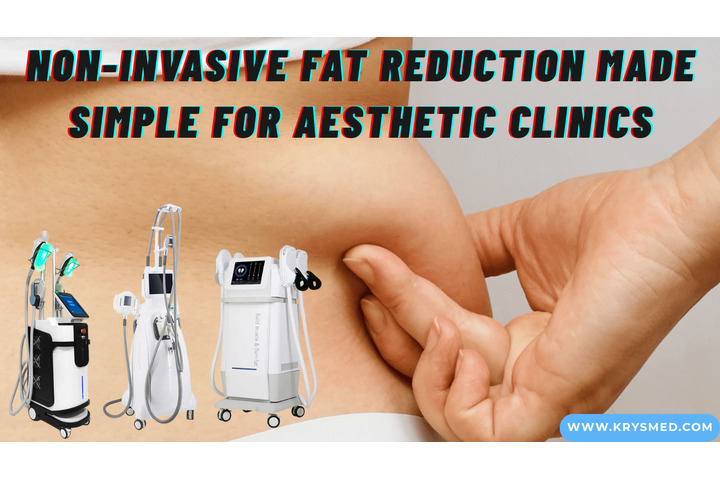
Non-Invasive Fat Reduction Made Simple for Aesthetic Clinics
Non-invasive fat reduction is one of the fastest-growing body contouring treatments in aesthetic clinics. Clients want visible fat loss without surgery, pain, or downtime—while clinics need safe, effective technologies that deliver consistent results. From fat freezing and RF fat reduction to EMS and ultrasound, non-surgical fat reduction offers a practical solution for treating stubborn fat and increasing clinic revenue. This guide breaks down how non-invasive fat reduction works, which technologies matter most, and how aesthetic clinics can choose the right fat reduction treatments with confidence.
1. What Is Non-Invasive Fat Reduction?
Non-invasive fat reduction is a safe and effective fat reduction treatment that helps reduce stubborn fat without surgery or downtime. It targets fat areas that are difficult to improve with diet and exercise, such as the abdomen, waist, thighs, and arms.
How Is It Different from Surgery?
Unlike surgical fat removal or liposuction, non-invasive fat reduction works externally using controlled energy to affect fat cells without cutting the skin. Fat cells are gradually processed by the body, allowing clients to return to normal activities immediately.
Why Is Non-Invasive Fat Reduction So Popular?
Non-invasive fat reduction has become a leading body contouring solution because it delivers visible results with minimal risk, no recovery time, and high client acceptance—making it ideal for both clients and aesthetic clinics.
2. Why Fat Reduction Treatments Are in High Demand
Fat reduction treatments are in high demand because many clients struggle with stubborn fat that does not respond to diet or exercise. Areas such as the abdomen, love handles, thighs, and arms are common concerns, driving strong interest in professional fat reduction solutions.
Clients Want Results Without Downtime
Modern clients prefer non-invasive fat reduction treatments that fit into busy lifestyles. Treatments that require no surgery, no recovery time, and minimal discomfort are more appealing, especially for working professionals and active individuals.
Fat Reduction Boosts Clinic Growth
For aesthetic clinics, fat reduction treatments attract repeat visits and support long-term treatment plans. With consistent demand and visible results, non-invasive fat reduction has become a key service for clinics looking to expand body contouring offerings and increase revenue.
3. How Non-Surgical Fat Reduction Works
Non-surgical fat reduction works by using controlled energy to target fat cells beneath the skin without surgery or downtime. The energy affects fat cells in different ways depending on the technology, while leaving surrounding tissue unharmed.
Common Fat Reduction Mechanisms
Fat Freezing (Cryolipolysis): Cool fat cells to trigger natural breakdown.
Radiofrequency (RF) Fat Reduction: Heat fat tissue to stimulate metabolism.
EMS Body Sculpting: Induce muscle contractions to support fat reduction.
Ultrasound Fat Reduction: Use focused energy to disrupt fat cells.
Each method allows aesthetic clinics to offer customized fat reduction treatments based on client needs, body areas, and desired results.
Why It Works Safely
These non-invasive fat reduction treatments are effective because fat cells are naturally processed and eliminated by the body over time. This gradual approach provides visible results while minimizing risk, pain, and downtime—making it ideal for modern clients.
4.Popular Non-Invasive Fat Reduction Technologies Explained
Aesthetic clinics today have multiple non-invasive fat reduction treatments to choose from. Each technology works differently, targeting fat safely and effectively. Here’s a breakdown of the most popular methods:
Fat Freezing (Cryolipolysis)
Fat freezing uses controlled cooling to crystallize fat cells, which are then naturally eliminated by the body over time. It’s ideal for stubborn fat areas such as the abdomen, love handles, and thighs. Clients usually see gradual results after a few sessions, with no downtime required.
RF Fat Reduction (Radiofrequency)
RF fat reduction delivers heat energy to fat tissue and underlying skin. The heat stimulates fat metabolism and tightens the skin, making it effective for areas with both fat and mild skin laxity. Treatments are painless and safe, allowing clients to return to daily activities immediately.
EMS Body Sculpting (Electromagnetic Stimulation)
EMS body sculpting uses high-intensity electromagnetic pulses to trigger muscle contractions. These contractions help burn fat and tone muscles simultaneously, offering a combined effect of fat reduction and body shaping. It’s popular for clients wanting both contouring and muscle definition.
Ultrasound Fat Reduction
Ultrasound fat reduction applies focused sound energy to disrupt fat cells in targeted areas. The body then gradually processes the damaged fat cells. This method is effective for stubborn fat pockets and works well in combination with other non-invasive treatments.
Cavitation
Cavitation uses low-frequency ultrasound waves to create tiny bubbles in fat tissue, breaking down fat cells without affecting surrounding skin. It’s a gentle and painless treatment, commonly used on the abdomen, thighs, and arms for gradual body contouring results.
| Technology | How It Works | Key Benefits | Common Treatment Areas |
|---|---|---|---|
| Fat Freezing (Cryolipolysis) | Cool fat cells to trigger natural breakdown | Non-invasive, gradual fat reduction | Abdomen, love handles, thighs |
| RF Fat Reduction | Heat fat tissue and stimulate metabolism | Tightens skin, reduces fat | Abdomen, arms, thighs, flanks |
| EMS Body Sculpting | High-intensity electromagnetic pulses for muscle contractions | Burns fat and tones muscles simultaneously | Abdomen, buttocks, arms |
| Ultrasound Fat Reduction | Focused ultrasound energy disrupts fat cells | Targets stubborn fat, precise | Abdomen, thighs, arms |
| Cavitation | Low-frequency ultrasound creates bubbles to break down fat cells | Gentle, painless, gradual contouring | Abdomen, thighs, arms |
5. Who Is Non-Invasive Fat Reduction Best For?
Non-invasive fat reduction is ideal for clients who struggle with stubborn fat that does not respond to diet or exercise. It is especially effective for localized fat deposits in areas like the abdomen, waist, thighs, arms, and love handles.
Clients Seeking Body Contouring Without Surgery
These treatments are perfect for people who want body shaping and fat reduction without undergoing surgical procedures. They prefer gentle, non-invasive solutions with minimal discomfort and no downtime.
Busy Professionals and Active Individuals
Modern clients often have limited time for recovery. Non-surgical fat reduction treatments allow them to achieve visible results while maintaining their daily routines and active lifestyles.
Post-Pregnancy or Weight Loss Clients
Clients who have experienced pregnancy or significant weight changes often have localized fat deposits or loose skin. Non-invasive fat reduction can help refine body contours and complement healthy lifestyle habits.
Clinics Looking to Expand Services
For aesthetic clinics, offering non-invasive fat reduction treatments attracts repeat visits, supports long-term treatment plans, and helps meet the growing demand for safe and effective body contouring solutions.
6. How Many Fat Reduction Sessions Are Typically Needed?
The number of non-invasive fat reduction sessions depends on the treatment technology, the client’s body type, and the area being treated. Most clients need 2–6 sessions to see noticeable results, spaced a few weeks apart to allow the body to naturally process the fat cells.
Factors Affecting Session Numbers
| Factor | Description |
|---|---|
| Target Area Size | Larger areas like the abdomen may require more sessions. |
| Stubbornness of Fat | Some fat deposits are more resistant and need repeated treatments. |
| Client Goals | Desired level of fat reduction or body contouring affects total sessions. |
| Technology Used | Fat freezing, RF, EMS, ultrasound, and cavitation each have slightly different treatment plans. |
Managing Client Expectations
It’s important for aesthetic clinics to set realistic expectations. Non-invasive fat reduction works gradually, and results improve over time. Clear communication helps clients understand the treatment plan, enhances satisfaction, and encourages repeat visits.
7. Is Non-Invasive Fat Reduction Safe for Clinics to Offer?
Non-invasive fat reduction treatments are generally safe and well-tolerated for most clients. Because these treatments do not involve surgery, anesthesia, or incisions, the risks are minimal compared to traditional surgical fat removal methods.
Safety Advantages for Clinics
| Safety Advantage | Description |
|---|---|
| Non-Surgical Approach | No cutting, stitches, or anesthesia required. |
| Minimal Side Effects | Temporary redness, mild swelling, or tingling may occur but usually resolve quickly. |
| Controlled Energy Delivery | Devices like fat freezing, RF, EMS, ultrasound, and cavitation use precise settings to protect surrounding tissues. |
| Quick Recovery | Clients can resume daily activities immediately, making it convenient for both clinics and patients. |
Why Clinics Choose Non-Invasive Fat Reduction
Offering safe, effective, and non-surgical fat reduction treatments allows aesthetic clinics to:
Expand their body contouring services.
Attract clients who prefer gentle, low-risk treatments.
Increase treatment revenue and client satisfaction.
By using professional, CE/FDA-approved devices and following proper protocols, clinics can provide high-quality fat reduction treatments while maintaining a strong safety record.
8. How Aesthetic Clinics Can Choose the Right Fat Reduction Solution
Assess Client Needs
Choosing the right fat reduction solution starts with understanding client needs. Clinics should identify the areas clients want to treat, the type of fat, and their expectations for results and treatment pace. This ensures the chosen technology aligns with each client’s goals.
Evaluate Treatment Technologies
Different technologies work in different ways and are suited for specific body areas. Fat freezing, RF fat reduction, EMS body sculpting, ultrasound fat reduction, and cavitation each have unique benefits. Some clinics combine treatments for enhanced results, and using CE/FDA-approved devices ensures safety and reliability.
Consider Clinic Resources
Clinic resources are important when selecting a fat reduction solution. Staff training, available space, equipment requirements, and treatment costs versus potential revenue must all be considered to provide effective and profitable services.
Communicate Clearly with Clients
Clear communication helps clients understand the treatment plan, expected results, and the number of sessions required. Setting realistic expectations increases satisfaction, encourages repeat visits, and builds trust in the clinic’s fat reduction services.
9. Final Thoughts
Non-invasive fat reduction is a safe and effective solution for aesthetic clinics looking to offer visible body contouring results without surgery. Technologies like fat freezing, RF, EMS, ultrasound, and cavitation help clinics meet client demand and improve satisfaction. At Krysmed, we provide professional devices, training, and support to help clinics deliver high-quality fat reduction treatments.
10. Ready to Offer Non-Invasive Fat Reduction in Your Clinic?
Take your aesthetic clinic to the next level by providing safe, effective, and in-demand fat reduction treatments. Contact Krysmed today to learn how our professional devices, training, and support can help you deliver outstanding results and grow your business.
Fat Reduction Technology FAQs
1. How does non-invasive fat reduction work?
Non-invasive fat reduction uses controlled energy—such as cooling, heat, electromagnetic stimulation, or ultrasound—to target fat cells without surgery. The treated fat cells are then gradually processed by the body over time.
2. What is the difference between fat freezing and RF fat reduction?
Fat freezing (cryolipolysis) works by cooling fat cells to trigger natural breakdown, while RF fat reduction uses heat to stimulate fat metabolism and tighten the skin. Fat freezing is often used for stubborn fat, whereas RF is ideal when skin tightening is also a concern.
3. Does EMS body sculpting actually reduce fat?
EMS body sculpting primarily stimulates strong muscle contractions, which help burn fat and improve muscle tone. It is best used as part of a body contouring program rather than a standalone fat reduction treatment.
4. How is ultrasound fat reduction different from cavitation?
Ultrasound fat reduction uses focused sound energy to disrupt fat cells at specific depths, while cavitation uses low-frequency ultrasound waves to gently break down fat tissue. Both are non-invasive, but ultrasound fat reduction is often more targeted.
5. Can different fat reduction technologies be combined?
Yes. Many aesthetic clinics combine fat freezing, RF fat reduction, EMS body sculpting, ultrasound, or cavitation to achieve better overall body contouring results. Combination treatments allow clinics to address different fat types and body areas more effectively.
6. Are non-invasive fat reduction treatments suitable for all clients?
Non-invasive fat reduction is best for clients with localized, stubborn fat rather than significant weight loss needs. A professional consultation is important to determine the most suitable technology and treatment plan.
Our Contact
Ready to Elevate Your Business with Krysmed?
Let’s discuss your needs and find the best solution for your business. Our experts are here to provide personalized recommendations tailored to your business needs.
-
Call For Inquiry
-
Send Us Email
info@krysmed.com
Get A Custom Quote Now!
We value your privacy and guarantee a prompt, professional reply.
 WhatsApp
 info@krysmed.com
 +86 19867944875