

News
25
Jan
Can Q-Switched Laser Really Remove Pigmentation and Tattoos? A Clinical Guide
Pigmentation and unwanted tattoos are among the most difficult skin concerns to treat. Creams often fail, chemical peels bring limited improvement, and many patients worry about uneven results or long recovery time. This is why Q-Switched laser has become a clinical standard for both pigmentation removal and tattoo removal. In this clinical guide, we explore how Q-Switched laser works, what results patients can realistically expect, and why it remains one of the most trusted laser treatments in modern aesthetic clinics.
1. What Is Q-Switched Laser Technology?
Q-Switched laser technology is a type of medical laser designed to deliver extremely short, high-energy pulses to the skin. These pulses, measured in nanoseconds, are the reason it is often called a nanosecond laser. Unlike traditional lasers that heat tissue gradually, Q-Switched systems release energy in rapid bursts to precisely target pigment and tattoo ink. This allows effective treatment of pigmentation and tattoos while minimizing thermal damage to surrounding skin. As a result, Q-Switched lasers remain a widely used technology in modern aesthetic and dermatology clinics.
How Q-Switching Works in Medical Lasers
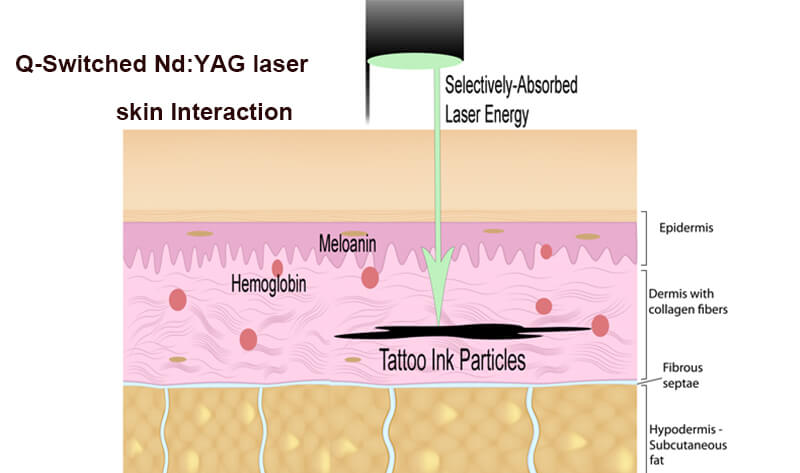
In Q-Switched medical lasers, energy is first stored and then released suddenly as a single, powerful pulse. This creates very high peak power within an extremely short time frame. The laser energy is selectively absorbed by melanin or tattoo ink based on the principle of selective photothermolysis. Target pigments are fragmented while nearby tissue remains largely unaffected. This controlled energy delivery improves treatment precision and safety.
Why Short Pulse Duration Matters for Pigment and Ink
Short pulse duration allows laser energy to act faster than heat can spread into surrounding tissue. With nanosecond pulses, pigment and ink absorb energy efficiently before thermal injury occurs. This produces strong photoacoustic effects that break large pigment clusters into smaller particles. These particles are then more easily cleared by the body. As a result, treatments achieve better clearance with lower risk of scarring or prolonged downtime.
2. How Q-Switched Laser Treats Pigmentation
Q-Switched laser is widely used for pigmentation removal because it can selectively target melanin without damaging surrounding skin. The laser energy penetrates the epidermis and is absorbed by excess pigment in the dermis. High peak power pulses fragment melanin into microscopic particles that the body gradually eliminates. This process leads to visible lightening of dark spots and more even skin tone over time. For many pigmentation disorders, Q-Switched laser remains a first-line clinical treatment.
Types of Pigmentation It Can Effectively Treat
Q-Switched laser treatment is effective for a wide range of pigmented lesions, including freckles, sun spots, age spots, and nevus of Ota. It is also commonly used for post-inflammatory hyperpigmentation and certain forms of dermal melasma. Because the laser targets melanin selectively, it can treat both superficial and deeper pigmentation. Treatment parameters can be adjusted according to lesion depth and skin type. This versatility makes it suitable for many clinical indications.
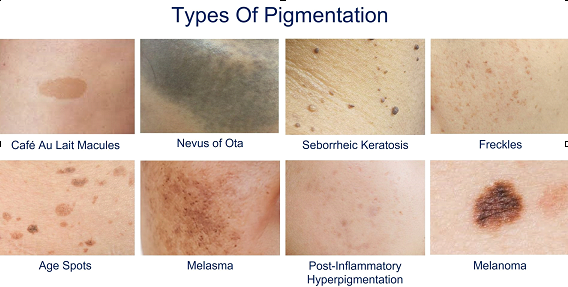
How Laser Energy Breaks Down Melanin Safely
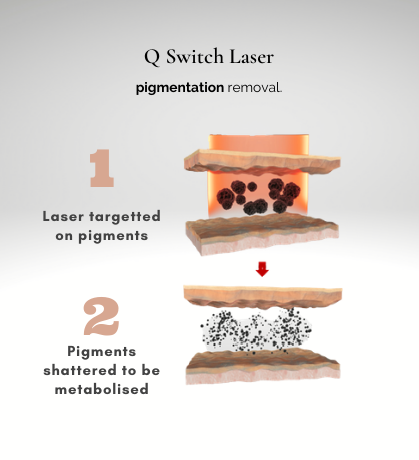
When Q-Switched laser pulses reach melanin, the pigment absorbs the energy and rapidly heats and expands. This creates a photoacoustic effect that breaks large melanin clusters into smaller fragments. Surrounding tissue receives minimal thermal exposure due to the ultra-short pulse duration. The fragmented pigment is then gradually removed through the lymphatic system. This mechanism allows effective clearance with a low risk of scarring or permanent skin damage.
Expected Results and Number of Sessions
Most patients observe visible improvement after one to three treatment sessions, depending on pigmentation type and depth. Superficial lesions often respond quickly, while deeper pigmentation may require additional sessions. Treatments are typically spaced several weeks apart to allow adequate pigment clearance and skin recovery. Progressive lightening continues over time as the body removes fragmented melanin. Long-term results depend on sun protection and proper post-treatment care.
3. How Q-Switched Laser Removes Tattoos
Q-Switched laser is one of the most established technologies for professional tattoo removal. Its high peak energy pulses are designed to target tattoo ink particles embedded deep within the dermis. Instead of removing ink mechanically, the laser breaks pigment into microscopic fragments that the body can gradually eliminate. This method allows progressive fading without damaging the surrounding skin. For most tattoo colors and skin types, Q-Switched laser remains a clinical standard.
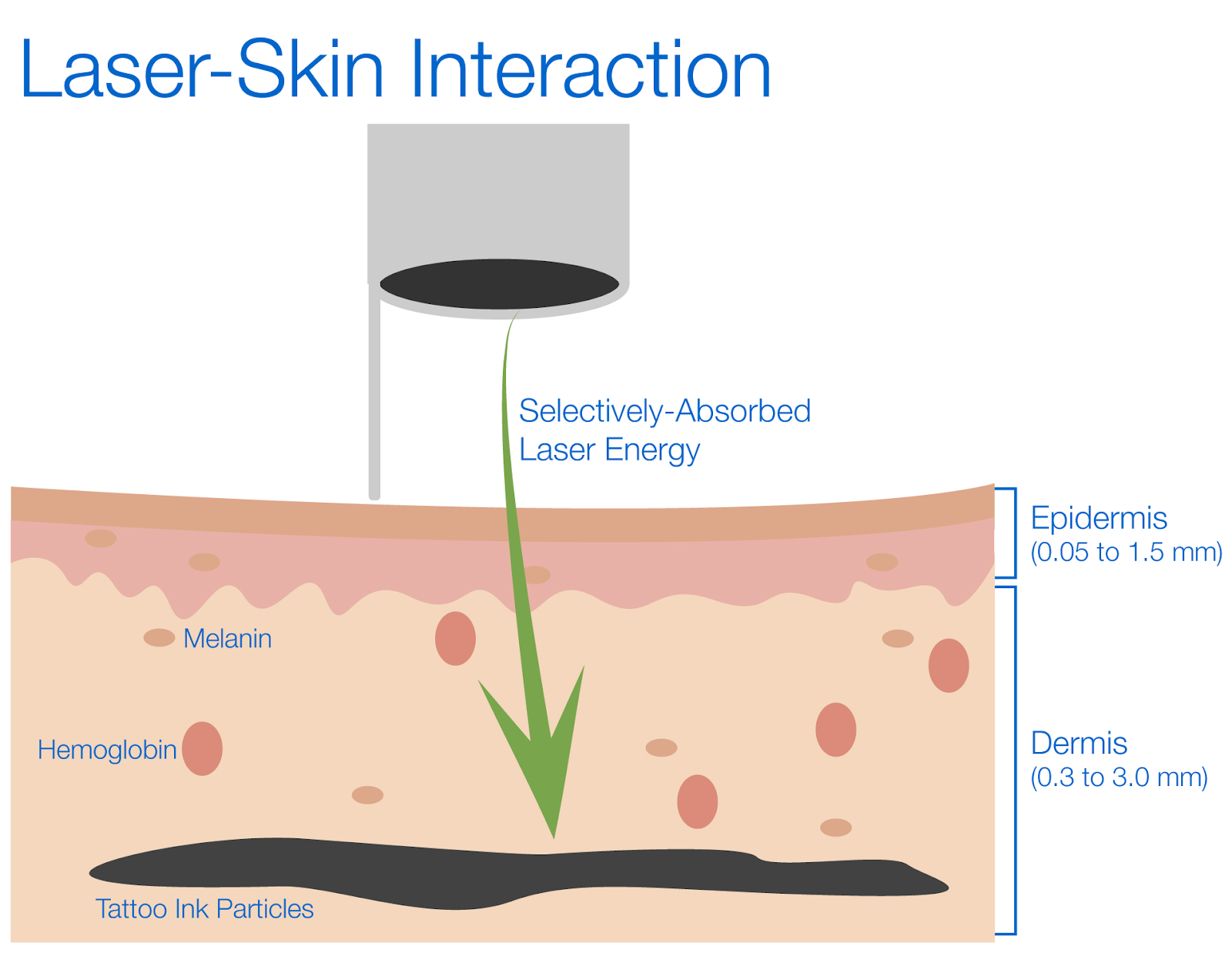
How Laser Targets Tattoo Ink Particles
Tattoo ink absorbs specific laser wavelengths based on its color and composition. When Q-Switched laser pulses strike the ink, rapid energy absorption causes the particles to heat and fracture. This photoacoustic effect shatters large ink clusters into smaller fragments. Surrounding tissue remains largely unaffected due to the ultra-short pulse duration. The fragmented ink is then cleared through the body’s immune system.
Why Multiple Sessions Are Required for Tattoo Removal
Tattoo ink is deposited at different depths and densities within the skin. A single laser session can only fragment part of the pigment safely. After each treatment, the body requires time to clear the broken particles before further energy can be applied. Treatments are therefore spaced several weeks apart to ensure proper healing. Gradual fading over multiple sessions produces the safest and most effective results.
Factors That Affect Tattoo Removal Results
Tattoo removal outcomes depend on several factors, including ink color, particle size, and tattoo depth. Dark colors such as black and blue respond more quickly, while lighter colors may require additional sessions. Skin type and immune response also influence clearance speed. Older tattoos often fade faster than newer ones. Proper parameter selection is essential for consistent and safe results.
4. Is Q-Switched Laser Safe for Skin?
Q-Switched laser is considered a safe and reliable option for pigmentation and tattoo removal when used by trained professionals. The ultra-short pulses minimize thermal damage to surrounding tissue. Most patients experience only mild redness or swelling immediately after treatment, which usually resolves within a few hours to days. With proper treatment settings and post-care, risks of scarring or long-term side effects are very low. This safety profile is one reason why clinics worldwide trust Q-Switched technology.
Safety Profile and Approvals
Q-Switched lasers are widely used in clinical and dermatology settings and often carry FDA or CE approvals. Their safety has been validated across multiple skin types and indications. Properly calibrated devices allow consistent energy delivery while minimizing patient risk. Following recommended guidelines ensures both effective results and patient safety.
Possible Side Effects and Downtime
Common side effects are mild and temporary, including slight redness, swelling, or pinpoint bleeding. Downtime is typically short, allowing patients to return to normal activities quickly. Rare complications like blistering or hyperpigmentation can be avoided with correct parameters and post-care. Overall, Q-Switched laser treatments are well-tolerated across diverse skin types.
Suitability for Different Skin Types
Q-Switched lasers can be safely adjusted for various skin types, from fair to darker tones. Pulse energy and wavelength selection are tailored to reduce risks of pigmentation changes. This flexibility makes the laser suitable for both pigmentation removal and tattoo removal on a wide patient population. Proper assessment before treatment ensures optimal safety and results.
5. Q-Switched Laser vs Other Pigmentation and Tattoo Removal Methods
Q-Switched laser remains one of the most effective options compared with other treatments for pigmentation and tattoo removal. Unlike chemical peels or topical creams, it targets pigment directly within the skin. Compared with IPL, Q-Switched delivers higher peak energy and better precision. Its ability to treat both superficial and deep pigment makes it a clinical standard. This versatility explains why many clinics continue to prefer Q-Switched lasers.
Q-Switched vs IPL for Pigmentation
IPL can improve skin tone and reduce superficial spots, but it often requires more sessions and may not affect deeper pigment. Q-Switched laser delivers energy in nanosecond pulses that reach deeper layers safely. This allows more consistent pigmentation removal results. Clinics often use IPL for mild cases and Q-Switched for moderate to severe pigmentation.
Q-Switched vs Pico Laser
Pico lasers offer ultra-short picosecond pulses and can be effective for certain ink colors or resistant pigmentation. However, Q-Switched lasers remain highly reliable for a wide range of skin types and tattoo colors. Many clinics combine both technologies depending on patient needs. Q-Switched lasers continue to provide predictable, safe, and clinically proven results.
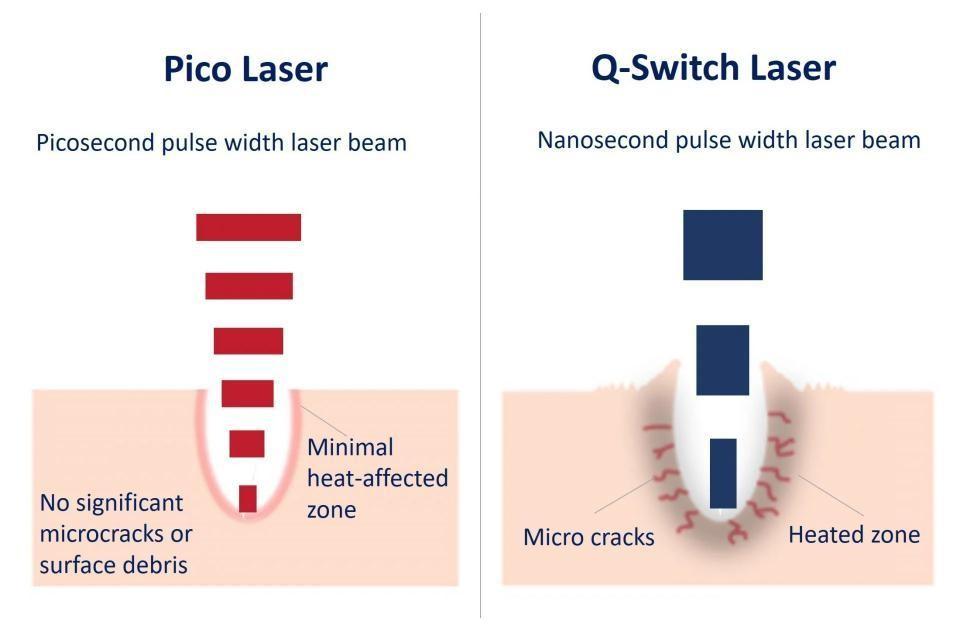
Why Q-Switched Remains a Clinical Standard
Its precision, safety, and versatility make Q-Switched laser a go-to choice for both pigmentation removal and tattoo removal. Clinicians trust its ability to treat different pigment types without significant downtime. Long-term results are consistent when combined with proper assessment and post-care. For many aesthetic clinics, it remains an essential investment in patient satisfaction and treatment success.
6. What Results Can Patients Realistically Expect?
With Q-Switched laser treatment, patients can expect gradual improvement in both pigmentation and tattoo removal. Results appear progressively as the body clears fragmented pigment or ink. Visible lightening of dark spots and fading of tattoo ink typically occurs over multiple sessions. Consistent treatments combined with proper aftercare maximize clearance. Individual outcomes vary depending on skin type, pigmentation depth, and tattoo characteristics.
Timeline of Skin Improvement
Superficial pigmentation often shows noticeable improvement after the first session, while deeper spots or older tattoos require additional treatments. Sessions are generally spaced 4–6 weeks apart to allow the body to remove fragmented particles. Gradual improvement continues for weeks after each session. This timeline ensures effective results while minimizing risks.
Long-Term Pigmentation Control
Q-Switched laser not only lightens existing pigment but also helps maintain even skin tone long-term. Patients are advised to combine treatments with sun protection and proper skincare. With ongoing care, pigmentation recurrence can be minimized. This makes Q-Switched laser a reliable option for sustainable pigmentation removal results.
Tattoo Fading and Complete Removal Possibilities
Most tattoos fade progressively over multiple sessions, with darker colors clearing faster than lighter shades. Complete removal is possible for many tattoos, though some ink types may require extra sessions or combined technologies. The body’s natural immune response plays a key role in clearing fragmented ink. Proper assessment before treatment helps set realistic expectations for patients.
7. What Results Can Patients Realistically Expect?
With Q-Switched laser treatment, patients can expect gradual improvement in both pigmentation and tattoo removal. Results appear progressively as the body clears fragmented pigment or ink. Visible lightening of dark spots and fading of tattoo ink typically occurs over multiple sessions. Consistent treatments combined with proper aftercare maximize clearance. Individual outcomes vary depending on skin type, pigmentation depth, and tattoo characteristics.
Timeline of Skin Improvement
Superficial pigmentation often shows noticeable improvement after the first session, while deeper spots or older tattoos require additional treatments. Sessions are generally spaced 4–6 weeks apart to allow the body to remove fragmented particles. Gradual improvement continues for weeks after each session. This timeline ensures effective results while minimizing risks.
Long-Term Pigmentation Control
Q-Switched laser not only lightens existing pigment but also helps maintain even skin tone long-term. Patients are advised to combine treatments with sun protection and proper skincare. With ongoing care, pigmentation recurrence can be minimized. This makes Q-Switched laser a reliable option for sustainable pigmentation removal results.
Tattoo Fading and Complete Removal Possibilities
Most tattoos fade progressively over multiple sessions, with darker colors clearing faster than lighter shades. Complete removal is possible for many tattoos, though some ink types may require extra sessions or combined technologies. The body’s natural immune response plays a key role in clearing fragmented ink. Proper assessment before treatment helps set realistic expectations for patients.
8. Why Clinics Choose Q-Switched Laser for Pigment and Tattoo Treatments
Clinics prefer Q-Switched laser because it combines versatility, safety, and predictable results. It can treat both pigmentation and tattoos across various skin types. The technology requires minimal downtime, which attracts more patients and increases treatment demand. Reliable performance and long-term clinical results make it a valuable investment for aesthetic and dermatology clinics. Many clinics consider it a cornerstone device for professional skin treatments.
Versatility Across Multiple Indications
Q-Switched lasers handle a wide range of indications, from freckles and age spots to professional tattoos. Adjustable settings allow safe treatment on different skin tones. This adaptability reduces the need for multiple devices, saving clinic space and costs. Its multi-purpose function makes it suitable for both new and established practices.
High Demand and Return on Investment
Pigmentation and tattoo treatments are consistently in demand among patients. Clinics offering Q-Switched laser services can attract a broader clientele. The ability to provide safe, effective, and minimally invasive treatments supports higher revenue per patient. Many clinics report quick return on investment due to repeat sessions and high treatment satisfaction.
Stability and Long-Term Clinical Value
Q-Switched lasers are well-tested and widely used in medical aesthetics. Their reliability ensures consistent energy output and predictable treatment results. With proper maintenance, the devices have a long lifespan, making them a durable clinic asset. This stability helps clinics build trust with patients and maintain high treatment quality over time.
9. How to Choose a Q-Switched Laser for Your Clinic
Choosing the right Q-Switched laser is essential for delivering safe and effective pigmentation and tattoo removal treatments. Clinics should consider device reliability, wavelength options, pulse energy, and ease of use. A high-quality system ensures consistent results across different skin types and indications. Investing in the right laser can improve patient satisfaction, minimize downtime, and maximize clinic revenue. Proper training and support from the manufacturer also play a key role in successful implementation.
Wavelength and Treatment Versatility
Different wavelengths target specific pigment colors and tattoo inks. Multi-wavelength devices provide flexibility to treat various lesions safely. Choosing a system that covers a wide range of wavelengths ensures versatility for both pigmentation removal and tattoo removal. This allows clinics to treat more patients effectively with a single device.
Pulse Energy and Precision
High peak energy and precise pulse control are critical for breaking pigment and ink efficiently. Devices with adjustable pulse parameters allow safe customization for different skin types. Greater control improves treatment outcomes and reduces the risk of side effects. Clinics should prioritize lasers with stable energy delivery for consistent results.
Reliability, Maintenance, and Support
A clinically proven device with good after-sales support ensures long-term stability. Easy maintenance and readily available parts reduce downtime. Choosing a trusted manufacturer provides confidence in performance and clinical results. Proper support helps clinics implement treatments safely and efficiently, benefiting both staff and patients.
10. Final Thoughts: Is Q-Switched Laser Still Worth It Today?
Q-Switched laser remains a reliable and effective choice for both pigmentation and tattoo removal. Its precision, safety, and versatility make it a cornerstone in modern aesthetic clinics. With proper device selection, training, and patient care, clinics can achieve predictable results and high patient satisfaction. For long-term clinical value and consistent outcomes, Q-Switched lasers continue to be a smart investment.
Ready to Transform Your Clinic’s Pigmentation and Tattoo Treatments?
Invest in a reliable Q-Switched laser and offer your patients safe, effective, and predictable results. Enhance your clinic’s capabilities, attract more clients, and deliver the high-quality treatments they expect.Contact Krysmed today to learn more and choose the right Q-Switched laser for your practice.
FAQ: Q-Switched Laser Technology
Q: How many sessions are typically needed for pigmentation removal?
A: Most pigmentation treatments require 2–5 sessions, depending on lesion type and depth. Sessions are usually spaced 4–6 weeks apart to allow the body to clear fragmented pigment.
Q: Can Q-Switched lasers remove all tattoo colors?
A: Dark colors like black and blue respond best. Lighter shades such as yellow, green, and red may require additional sessions or different wavelengths for optimal results.
Q: Is the treatment safe for all skin types?
A: Yes, Q-Switched lasers can be adjusted for various skin tones. Proper settings minimize the risk of hyperpigmentation or scarring.
Q: How long is the downtime after treatment?
A: Most patients experience only mild redness or swelling that resolves within a few hours to a few days. Minimal downtime is one of the advantages of Q-Switched lasers.
Q: How does the laser actually break down pigment or tattoo ink?
A: The laser delivers ultra-short nanosecond pulses that create a photoacoustic effect, shattering pigment or ink particles into microscopic fragments. The body then gradually removes these fragments naturally.
Q: Can Q-Switched laser treat both superficial and deep pigmentation?
A: Yes, its high peak energy and adjustable parameters allow safe targeting of both epidermal and dermal pigmentation.
Our Contact
Ready to Elevate Your Business with Krysmed?
Let’s discuss your needs and find the best solution for your business. Our experts are here to provide personalized recommendations tailored to your business needs.
-
Call For Inquiry
-
Send Us Email
info@krysmed.com
Get A Custom Quote Now!
We value your privacy and guarantee a prompt, professional reply.
 WhatsApp
 info@krysmed.com
 +86 19867944875