

News
26
Jan
What Causes Burns in Diode Laser Treatments — and How to Avoid Them
Burns are one of the most serious risks in diode laser hair removal. Even with modern systems, improper settings, poor cooling, and operator technique can cause thermal injuries. For operators and clinic owners, a single burn can affect client safety and clinic reputation. Understanding the causes of diode laser burns is key to safer, more predictable hair removal results.
1. What Is Diode Laser Hair Removal?
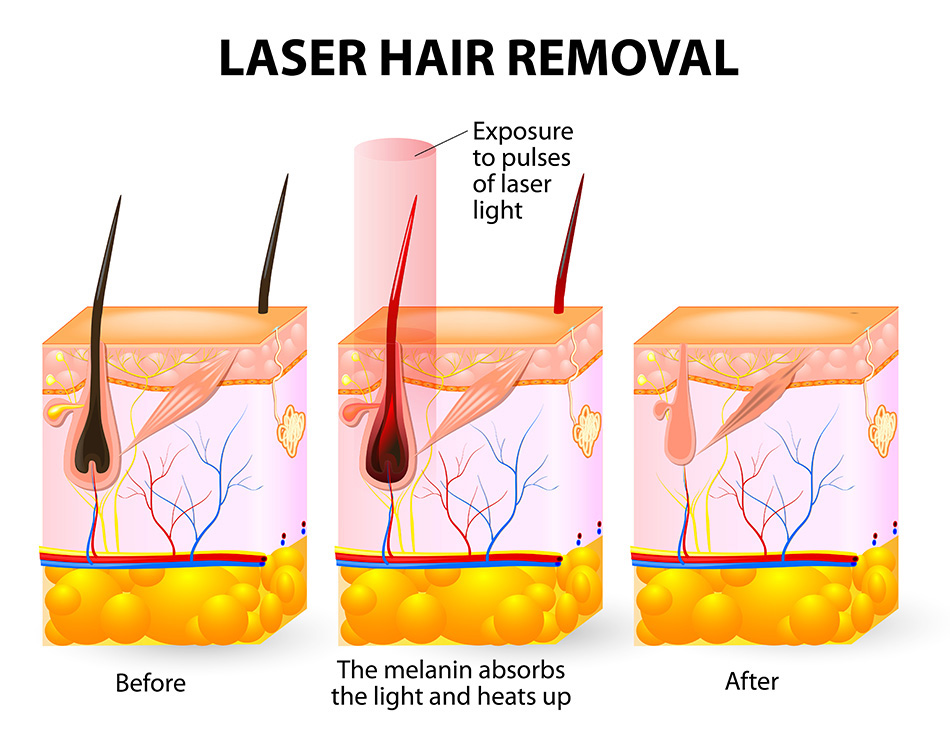
Diode laser hair removal uses a concentrated beam of light to target melanin in hair follicles, producing heat that disables hair growth without damaging surrounding skin. Modern diode systems offer adjustable fluence, pulse duration, and repetition rate to suit different skin types and hair densities. This precise control makes diode laser one of the safest and most effective hair removal methods when used correctly.
2. Why Burns Still Happen in Modern Diode Laser Hair Removal
Diode laser hair removal technology has become more advanced and widely adopted in clinical practice, yet burns remain one of the most common complications reported in daily treatments. This is because treatment safety depends not only on the laser system itself, but on the combined control of parameters, cooling efficiency, operator technique, and equipment stability. When any of these factors is mismanaged, thermal injury can still occur even with modern diode lasers.
Technology Has Improved, but Risk Has Not Disappeared
Modern diode laser systems deliver higher power and faster repetition rates, improving treatment efficiency but also narrowing the margin for error. Excessive thermal accumulation can occur if energy delivery is not precisely controlled. Advanced technology alone therefore does not eliminate the risk of laser burns.
Hair Removal Operates Within a Narrow Thermal Safety Window
Effective diode laser hair removal requires sufficient heat to damage the hair follicle while simultaneously protecting the epidermis. Small deviations in fluence, pulse duration, or spot overlap can quickly raise skin temperature beyond safe limits. This narrow thermal safety window explains why burns can still occur during routine treatments.
Operator Technique Remains a Critical Risk Factor
Improper handpiece contact, uneven movement speed, and excessive overlapping concentrate energy in localized skin areas. These technique-related errors are a leading cause of burns in diode laser hair removal. Consistent technique and real-time skin assessment are essential for maintaining treatment safety.
Equipment Performance Directly Influences Burn Risk
Unstable energy output and insufficient contact cooling significantly reduce epidermal protection during treatment. Aging components, drifting calibration, and weakened cooling systems increase the likelihood of localized overheating. Equipment performance therefore plays a decisive role in preventing diode laser burns.
| Risk Factor | Key Points |
|---|---|
| Technology Limitations | High power and speed improve efficiency but increase error risk. |
| Narrow Thermal Window | Small parameter errors can raise skin temperature above safe levels. |
| Operator Technique | Poor contact, uneven speed, or overlap concentrates heat locally. |
| Equipment Performance | Unstable output or weak cooling increases burn risk. |
3. The Most Common Causes of Burns in Diode Laser Treatments
Burns in diode laser hair removal rarely result from a single factor, but from a combination of incorrect settings, insufficient cooling, improper technique, and equipment limitations. Identifying the most common technical causes is essential for improving treatment safety and reducing clinical risk. The following factors account for the majority of laser burn incidents in daily practice.
Incorrect Energy Settings for Skin Type and Hair Characteristics
Using excessive fluence or inappropriate pulse duration for a given skin type significantly increases the risk of epidermal overheating. Darker skin types and dense hair require more conservative energy control due to higher melanin absorption. Incorrect parameter selection remains one of the leading causes of burns in diode laser hair removal.
Insufficient Cooling or Cooling System Inefficiency
Effective epidermal protection depends on stable and adequate contact cooling throughout the treatment. Inadequate pre-cooling, unstable cooling temperature, or delayed heat removal allows surface temperature to rise rapidly. Cooling system performance is therefore a critical determinant of burn prevention in diode laser treatments.
Poor Contact Between Handpiece and Skin Surface
Incomplete contact between the handpiece and skin creates uneven energy distribution and localized hotspots. Air gaps reduce cooling efficiency and concentrate thermal energy at the epidermal surface. Poor contact technique is a frequent but often underestimated cause of laser burns.
Excessive Overlapping and Repeated Passes
Overlapping pulses and repeated passes in the same treatment area lead to cumulative thermal buildup in superficial tissues. Without sufficient cooling intervals, skin temperature may exceed safe thresholds within seconds. Excessive overlap is a common technical error in high-speed diode laser hair removal.
Unstable Output or Aging Laser Equipment
Energy instability, drifting calibration, and weakened cooling components reduce the predictability of energy delivery. Aging diode laser systems are more likely to produce uneven fluence and localized overheating. Equipment condition therefore plays a direct role in burn risk and treatment safety.
| Cause | Key Points |
|---|---|
| Incorrect Energy Settings | Wrong fluence or pulse duration increases burn risk, especially for darker skin or dense hair. |
| Insufficient Cooling | Unstable or inadequate cooling allows skin temperature to rise, increasing burns. |
| Poor Handpiece Contact | Air gaps create hotspots and reduce cooling efficiency. |
| Excessive Overlap | Repeated passes without cooling intervals cause cumulative thermal buildup. |
| Unstable or Aging Equipment | Drifting calibration and weakened cooling reduce predictability and increase risk. |
4. Operator-Related Factors Clinics Often Overlook
Although modern diode laser systems offer advanced safety features, operator-related factors remain a major contributor to treatment burns. Many complications arise not from equipment failure, but from subtle technical errors during routine procedures. Recognizing these overlooked factors is essential for improving laser treatment safety.
Inadequate Real-Time Skin Observation
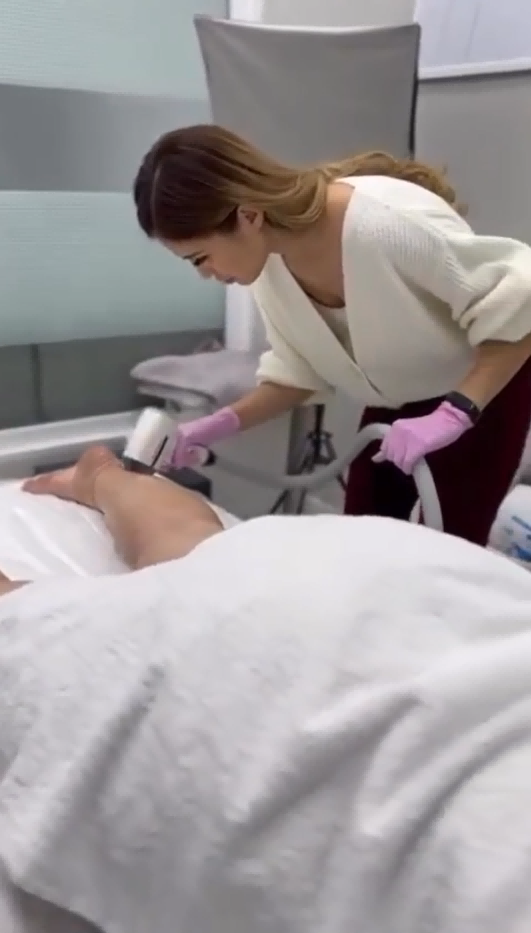
Failure to monitor erythema, edema, and surface temperature during treatment delays the detection of early thermal stress. Subtle skin reactions often appear before visible injury develops. Continuous visual assessment is therefore critical in preventing diode laser burns.
Inconsistent Handpiece Pressure and Movement Speed
Uneven pressure and irregular movement speed alter energy distribution and cooling efficiency across the treatment area. Slow movement increases thermal accumulation, while excessive speed reduces uniform follicular heating. Inconsistent handling significantly increases the risk of localized overheating.
Overreliance on Preset Parameters
Preset protocols cannot account for individual variations in skin type, hair density, and anatomical region. Rigid reliance on default settings often leads to inappropriate fluence selection. Parameter adjustment based on real-time response is essential for safe diode laser hair removal.
Insufficient Training in Advanced Parameter Control
Limited understanding of pulse duration, repetition rate, and fluence interactions restricts the operator’s ability to optimize treatment safely. Inadequate training increases dependence on fixed settings and guesswork. Comprehensive technical training remains a key factor in burn prevention.
| Operator Factor | Key Points |
|---|---|
| Inadequate Skin Observation | Failing to monitor erythema, edema, or surface temperature delays detection of early burns. |
| Inconsistent Handpiece Pressure & Speed | Uneven pressure or movement changes energy distribution, increasing localized overheating risk. |
| Overreliance on Preset Parameters | Default settings may not suit all skin types or hair density; adjustments are essential. |
| Insufficient Training | Poor understanding of pulse duration, fluence, and repetition rate limits safe treatment optimization. |
5. How to Prevent Burns in Diode Laser Hair Removal
Preventing burns in diode laser hair removal requires systematic control of parameters, cooling performance, technique, and equipment condition. Most thermal injuries are predictable and avoidable when proper safety protocols are followed. The following measures represent the most effective strategies for reducing burn risk in daily clinical practice.
Match Parameters Precisely to Skin Type and Hair Characteristics
Fluence, pulse duration, and repetition rate must be selected according to skin type, hair thickness, and treatment area. Darker skin and dense hair require more conservative energy settings to limit epidermal absorption. Individualized parameter selection is fundamental to diode laser treatment safety.
Ensure Stable and Effective Contact Cooling Before Every Shot
Adequate pre-cooling and continuous contact cooling are essential for protecting the epidermis from excessive heat accumulation. Cooling temperature must remain stable throughout the entire treatment session. Reliable cooling performance significantly reduces the incidence of laser burns.
Maintain Proper Handpiece Contact and Uniform Movement Speed
Full contact between the handpiece and skin ensures even energy distribution and optimal cooling efficiency. Consistent movement speed prevents localized thermal buildup and surface overheating. Proper handling technique is a primary safeguard against treatment-related burns.
Avoid Excessive Overlapping and Allow Adequate Cooling Intervals
Pulse overlap should be carefully controlled to prevent cumulative thermal accumulation in superficial tissues. Short cooling intervals between passes allow skin temperature to return to safe levels. Controlled coverage patterns are essential in high-speed diode laser hair removal.
Perform Regular System Calibration and Cooling Performance Checks
Routine calibration ensures stable energy output and accurate fluence delivery. Cooling efficiency should be verified regularly to confirm consistent epidermal protection. Preventive maintenance plays a direct role in reducing burn risk and improving long-term treatment safety.
| Prevention Measure | Key Points |
|---|---|
| Match Parameters to Skin & Hair | Adjust fluence, pulse duration, and repetition rate for skin type and hair density. |
| Ensure Stable Cooling | Use effective pre-cooling and continuous contact cooling to protect the epidermis. |
| Maintain Proper Handpiece Technique | Full contact and consistent movement speed prevent localized overheating. |
| Control Overlap & Allow Cooling Intervals | Limit pulse overlap and give short breaks between passes to avoid thermal buildup. |
| Regular System Calibration & Checks | Verify energy output and cooling efficiency to maintain safe, predictable treatments. |
6. Why Cooling Technology Plays a Critical Role in Treatment Safety
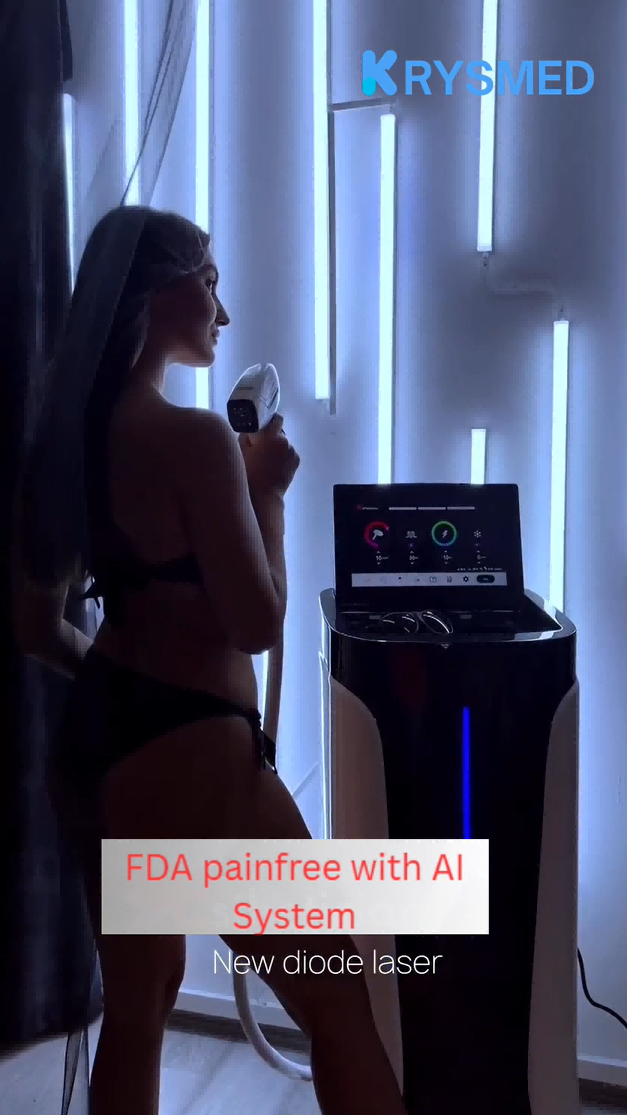
Effective cooling technology is one of the most important factors in preventing burns during diode laser hair removal. Stable contact cooling removes excess heat from the epidermis while allowing sufficient energy to reach the hair follicle. Without proper cooling, even accurate parameters and skilled technique cannot fully protect the skin.
Contact Cooling vs Air Cooling Systems
Contact cooling provides direct thermal protection at the treatment site, maintaining consistent skin temperature throughout each pulse. Air cooling can reduce surface heat but is less effective for preventing hotspots in high-fluence treatments. Choosing a reliable cooling system is critical for consistent burn-free results.
Cooling Efficiency Determines the Safety Window
The epidermis can tolerate only a narrow range of temperature before thermal injury occurs. Efficient cooling expands this safety window, allowing operators to use effective fluence without risking burns. Poor or inconsistent cooling significantly narrows the margin for error in diode laser treatments.
Continuous Cooling During Treatment Is Essential
Interruptions or fluctuations in cooling performance can quickly lead to localized overheating. Maintaining constant skin contact and verifying system stability throughout the session reduces the likelihood of thermal injury. Reliable continuous cooling ensures predictable and safe hair removal outcomes.
Why Device Quality Matters for Cooling Performance
High-quality diode laser systems integrate advanced cooling technologies with stable energy output and precise calibration. Lower-end or aging machines may have inconsistent cooling, uneven fluence, or delayed heat dissipation. Equipment reliability directly affects treatment safety and patient comfort.
| Cooling Topic | Key Points |
|---|---|
| Importance of Cooling | Stable contact cooling protects epidermis and allows effective follicle heating. |
| Contact vs Air Cooling | Contact cooling provides consistent protection; air cooling is less effective for hotspots. |
| Cooling Efficiency & Safety Window | Efficient cooling widens the thermal safety window, reducing burn risk during high-fluence treatments. |
| Continuous Cooling During Treatment | Maintain constant contact and verify stability to prevent localized overheating. |
| Device Quality & Cooling Performance | High-quality systems integrate stable cooling and energy output; low-end or aging devices increase burn risk. |
7. Final Thoughts
Burns in diode laser hair removal are largely preventable with the right combination of operator skill, parameter selection, cooling performance, and reliable equipment. Clinics that follow these safety principles can deliver effective treatments while minimizing the risk of thermal injury. Consistent technique and high-quality diode systems ensure safer, more predictable hair removal results for every patient.
Ready to Upgrade Your Diode Laser Safety?
Safe, burn-free treatments start with proper cooling, precise parameters, and reliable equipment. Contact Krysmed today to learn more about advanced diode laser systems for consistent, efficient hair removal.
FAQ – Diode Laser Hair Removal Burns
Q1: Can diode laser burns cause permanent skin damage?
Yes, severe burns can lead to pigmentation changes or scarring, which is why proper parameters, cooling, and technique are essential to prevent injury.
Q2: Does higher laser power always increase burn risk?
Not always. High power can be safe if parameters are matched to skin type and hair characteristics, and if cooling and handpiece technique are properly managed.
Q3: How important is cooling temperature in preventing burns?
Cooling temperature is critical. Stable and effective contact cooling removes excess heat from the epidermis, expanding the thermal safety window and reducing burn risk.
Q4: Should treatment parameters change between different body areas?
Yes. Different areas vary in skin thickness, sensitivity, and hair density. Adjusting fluence, pulse duration, and repetition rate for each area ensures safe and effective treatment.
Q5: Can multiple passes increase the risk of burns?
Yes, repeated passes over the same area can cause cumulative heat buildup in the epidermis. Operators should control overlap and allow short cooling intervals between passes to maintain safe skin temperatures.
Our Contact
Ready to Elevate Your Business with Krysmed?
Let’s discuss your needs and find the best solution for your business. Our experts are here to provide personalized recommendations tailored to your business needs.
-
Call For Inquiry
-
Send Us Email
info@krysmed.com
Get A Custom Quote Now!
We value your privacy and guarantee a prompt, professional reply.
 WhatsApp
 info@krysmed.com
 +86 19867944875