

News

12
Apr
How to Turn a Simple Skin Analysis into Paying Clients
You’re doing skin analysis consultations, showing the images, explaining the skin condition… but clients still walk away without booking any treatments. If your skin analysis isn’t converting into paying clients, you’re not alone—this is one of the biggest struggles for clinics and estheticians today. The good news is, it’s not about the machine, but how you turn that skin analysis into real treatment sales.
1. Why Most Skin Analysis Sessions Don’t Convert
Most skin analysis consultations fail not because of the device, but because of how the consultation is delivered and positioned.
Talking Too Technical Instead of Relatable
Many estheticians explain skin conditions using professional terms that clients don’t fully understand. When clients feel confused during a skin analysis consultation, they lose confidence instead of feeling ready to buy. Simple language builds trust and improves client conversion.
No Clear Treatment Recommendation
A lot of clinics show the skin analysis results but stop short of giving a direct plan. Without clear skin treatment recommendations, clients leave thinking instead of booking. Confusion is one of the biggest reasons why clients don’t buy treatments.
No Urgency or Next Step
If there’s no clear next step after the skin analysis, clients will say “I’ll think about it” and never return. A strong consultation should guide the client toward a decision, not just provide information. Creating a natural sense of urgency is key to turning consultations into real sales.
2. Shift Your Mindset: It’s Not a Scan — It’s a Sales Tool
Most clinics underuse skin analysis because they see it as a diagnostic step, not a conversion tool that drives real revenue.
It’s Not Just a Skin Check
A skin analysis is not just about checking moisture, pigmentation, or wrinkles. It’s the moment where clients visually understand their skin problems for the first time. That emotional “realization” is what creates buying motivation.
Visual Proof Builds Trust Faster Than Words
Clients don’t always believe explanations, but they believe what they see on the screen. Skin analysis turns invisible concerns into visible proof, which naturally increases trust in your recommendations. This is why skin analysis is one of the most powerful tools for client conversion in aesthetic clinics.
Problems Sell, Not Technology
Clients don’t buy machines or treatments—they buy solutions to problems they can clearly see. If you focus on showing the skin concern clearly, the treatment almost sells itself. This is the core shift from “doing a scan” to actively driving sales.
3. Step-by-Step: How to Turn Skin Analysis into Paying Clients
Turning skin analysis consultations into paying clients is about having a simple, repeatable process that guides clients from seeing their skin issues to booking a treatment.
Step 1: Set the Right Expectation Before the Skin Analysis
From the beginning, position the skin analysis consultation as a way to reveal hidden skin problems and improvement options. This immediately frames the session as valuable, not just informational. Clients are more likely to listen and trust your recommendations.
Step 2: Focus on One Main Skin Concern at a Time
During the skin analysis, avoid pointing out every single issue at once. Focus on the most visible or urgent skin concern to keep the message clear and powerful. Simplicity helps improve client conversion in aesthetic clinics.
Step 3: Always Connect the Problem to a Treatment Plan
After showing the skin condition, immediately explain what can be done to improve it with a clear treatment recommendation. Don’t leave the client guessing or “thinking about options.” A direct skin treatment plan is what turns analysis into sales.
4. Real Example: Turning a Consultation into a Sale
A real skin analysis consultation becomes powerful when you guide the client from “seeing the problem” to “understanding the solution” in a very structured way.
The Client Comes in for a Simple Skin Check
The client walks in thinking they just want a basic skin analysis, usually out of curiosity. At this stage, there is no strong buying intention yet. This is your opportunity to shape the direction of the consultation.
You Show Clear Skin Problems Using Skin Analysis Results
Once you start the skin analysis, you highlight one or two key issues like pigmentation or dehydration. The visual results make the client suddenly realize their skin concerns are more serious than expected. This is where trust and attention peak.
You Immediately Recommend a Simple Treatment Plan
Right after showing the results, you connect the problem to a clear aesthetic treatment solution such as IPL, RF microneedling, or HIFU depending on the case. You keep it simple and suggest a structured plan, not multiple confusing options. This smooth transition is what turns a skin analysis consultation into a paying client.
6. How a Good Skin Analyzer Can Make This Easier
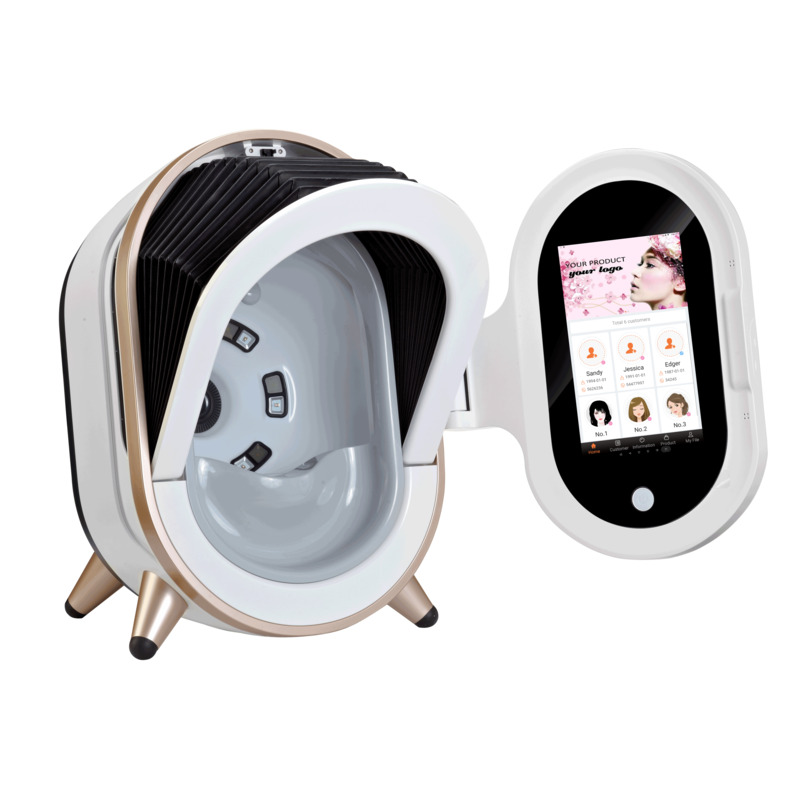
A good skin analyzer doesn’t replace your consultation skills, but it makes the whole skin analysis process clearer, faster, and much easier to convert into paying clients.
Clear Visuals Make Client Decisions Faster
High-quality skin analysis images help clients immediately see their skin concerns without confusion. When the problem is visually obvious, you don’t need to over-explain it. This naturally improves client conversion in aesthetic clinics.
Helps You Structure a More Professional Consultation
A reliable skin analyzer gives you a clear framework to follow during the consultation. You can easily move from skin condition analysis to explanation and then to treatment recommendation. This makes your skin analysis sessions more consistent and easier to control.
Builds Trust and Increases Treatment Acceptance
When clients see detailed and professional-looking results, they are more likely to trust your diagnosis. This trust directly increases the chances of them accepting your skin treatment plan. In many clinics, better skin analysis tools directly lead to higher sales conversion rates.
Conclusion
Skin analysis is not just a consultation step—it’s one of the most powerful tools you have to turn walk-in clients into paying clients, but only when it’s used with the right approach. If you stop treating it as a simple scan and start using it as a guided sales process that clearly shows problems and leads into simple treatment recommendations, your conversion rate will improve naturally. In the end, it’s not about how advanced your skin analyzer is, but how effectively you turn skin analysis into real treatment decisions.
Ready to Turn More Consultations into Paying Clients?
If you want to turn more consultations into real paying clients, the right tools and strategy make all the difference. Ready to contact Krysmed and find the right solution for your clinic?
FAQ
1. How long should a skin analysis consultation take?
A good skin analysis consultation usually takes 10–20 minutes, depending on the client’s skin condition and how clearly you explain the results. The key is not the length, but how effectively you guide the client toward a treatment decision.
2. Do clients always need treatment after a skin analysis?
Not always, but in most cases there will be at least one visible skin concern that can be improved. The goal is not to “sell something to everyone,” but to match the right treatment to the right skin problem.
3. What if the client says they just want the skin analysis without treatment?
This is common, especially for first-time visitors. Instead of pushing, focus on showing one clear skin issue and explaining what improvement would look like, then naturally introduce a simple treatment option.
4. Can a skin analyzer really increase clinic sales?
Yes, but only if it’s used correctly during consultations. A skin analyzer helps visualize skin concerns, which builds trust and makes it easier for clients to understand and accept treatment recommendations.
5. What is the biggest mistake clinics make during skin analysis?
The biggest mistake is treating it as a standalone service instead of a conversion process. Without connecting results to a clear solution, many consultations fail to turn into bookings.
Our Contact
Ready to Elevate Your Business with Krysmed?
Let’s discuss your needs and find the best solution for your business. Our experts are here to provide personalized recommendations tailored to your business needs.
-
Call For Inquiry
-
Send Us Email
info@krysmed.com
Get A Custom Quote Now!
We value your privacy and guarantee a prompt, professional reply.
 WhatsApp
 info@krysmed.com
 +86 19867944875