

News
19
Dec
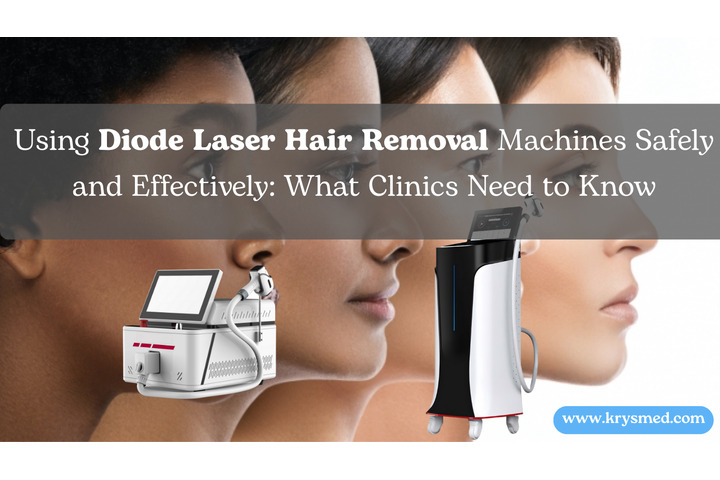
Using Diode Laser Hair Removal Machines Safely and Effectively: What Clinics Need to Know
Diode laser hair removal has become a core treatment in many modern clinics, but achieving consistent results depends on more than just owning the right device. Safe and effective use of diode laser hair removal machines requires a clear understanding of skin response, treatment parameters, operator technique, and patient management.
This guide shares practical insights clinics need to improve treatment outcomes, protect skin safety, and deliver reliable laser hair removal results in everyday clinical practice.
Why Safety and Treatment Consistency Matter in Diode Laser Hair Removal
In professional diode laser hair removal, safety and consistency are directly linked to clinical reputation and long-term results. Even advanced laser systems can produce uneven outcomes or skin reactions if treatments are not performed under controlled, repeatable conditions. For clinics, consistent protocols help protect patients, reduce operator error, and ensure predictable hair reduction across different skin types and treatment areas.
Patient Safety as the Foundation of Every Laser Treatment
Diode laser hair removal works by delivering thermal energy to hair follicles, making proper energy control essential. Incorrect settings, poor contact, or insufficient cooling can increase the risk of burns, pigmentation changes, or unnecessary discomfort. Prioritizing safety allows clinics to treat a wider range of skin types confidently while maintaining epidermal protection during each session.
Why Consistent Results Build Client Trust and Retention
Clients expect gradual, visible hair reduction with every diode laser treatment. When treatment results vary between sessions or operators, confidence in the clinic quickly declines. Consistent technique, standardized parameters, and clear treatment protocols ensure that diode laser hair removal delivers reliable outcomes, improving client satisfaction, repeat bookings, and overall clinic credibility.
The Cost of Inconsistent Laser Hair Removal Practices
Inconsistent diode laser hair removal practices often lead to longer treatment cycles, increased complaints, and unnecessary adjustments. Clinics may spend more time troubleshooting results instead of focusing on growth. By maintaining safety-focused workflows and treatment consistency, clinics reduce operational risks while maximizing treatment efficiency and long-term return on investment.
Understanding Skin, Hair, and Energy Response Before Every Treatment
Successful diode laser hair removal begins before the device is activated. Understanding how different skin types and hair characteristics respond to laser energy allows clinics to select safer parameters and achieve more predictable results. This assessment step is essential for minimizing risks and optimizing treatment effectiveness across diverse clients.
Skin Type Assessment and Laser Safety Considerations
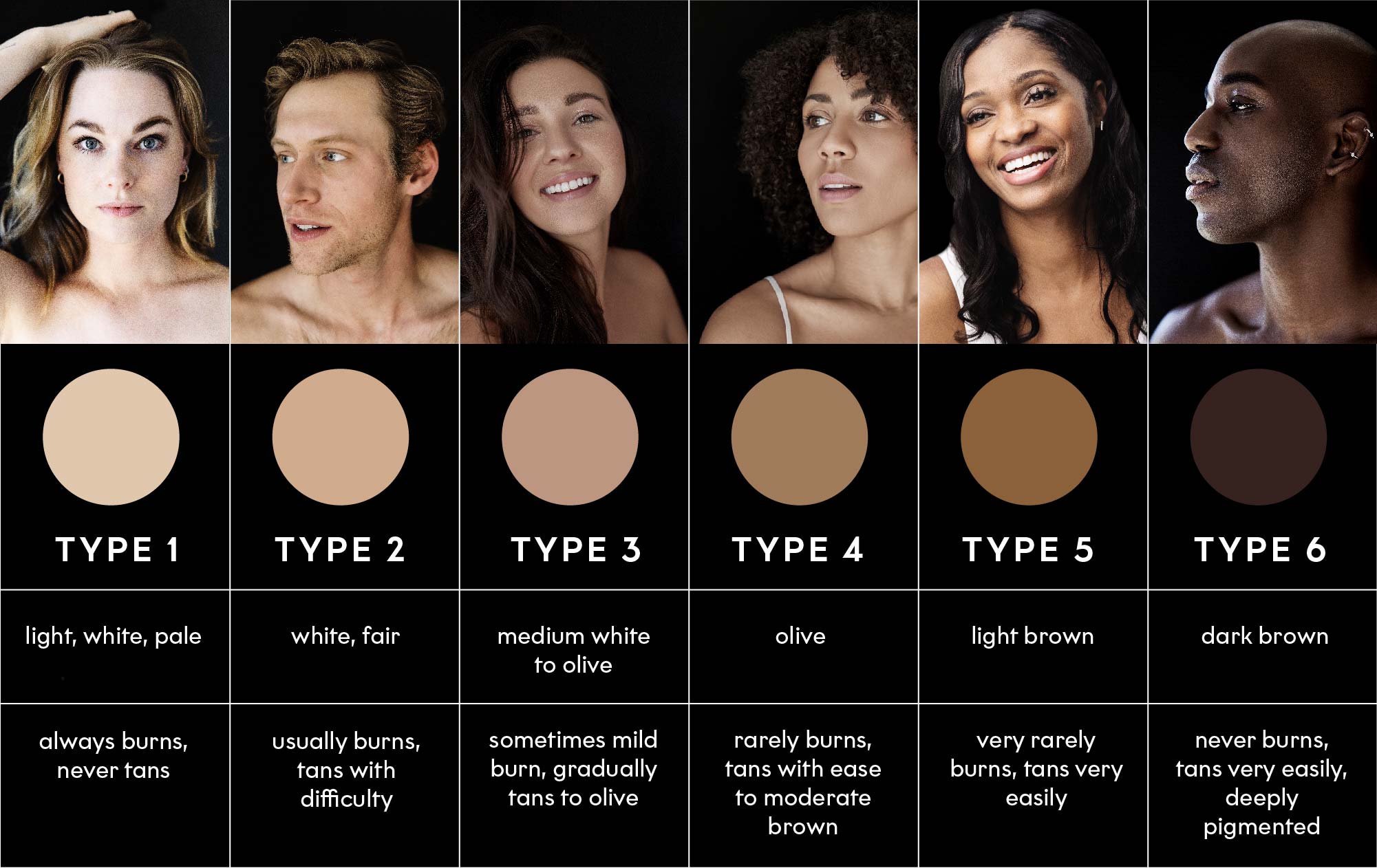
Skin type plays a critical role in diode laser hair removal safety. Higher melanin levels in darker skin absorb more laser energy, increasing the need for careful parameter selection and adequate cooling. Accurate skin assessment helps clinics balance effective follicle targeting with epidermal protection, reducing the risk of burns, post-inflammatory hyperpigmentation, and uneven results.
Hair Color, Thickness, and Growth Cycle Impact on Results
Diode laser hair removal is most effective on darker, thicker hair due to higher melanin concentration in the follicle. Fine or light-colored hair may respond more gradually and require adjusted expectations. Understanding the hair growth cycle also supports proper treatment scheduling, ensuring laser energy is delivered during the active growth phase for maximum long-term hair reduction.
Matching Energy Delivery to Treatment Areas
Different body areas respond differently to diode laser energy. Regions with thinner skin or higher sensitivity require controlled energy delivery and precise technique, while denser areas may tolerate higher fluence levels. By tailoring energy response to each treatment zone, clinics improve comfort, safety, and overall treatment consistency.
Setting the Right Parameters: Power, Pulse, and Frequency Explained Simply
Correct parameter settings are central to safe and effective diode laser hair removal. While manufacturers provide general guidelines, optimal results depend on how power, pulse duration, and frequency work together in real clinical conditions. Understanding these relationships allows clinics to adjust treatments with confidence rather than relying on fixed presets.
Power Selection and Controlled Energy Delivery
Power determines how much laser energy reaches the hair follicle during each pulse. Higher power is not always better, especially for sensitive skin or darker skin types. Controlled energy delivery ensures sufficient follicle damage while protecting surrounding tissue, helping clinics achieve effective hair reduction without increasing the risk of adverse skin reactions.
Pulse Duration and Its Role in Follicle Targeting
Pulse duration influences how heat is absorbed and dispersed within the follicle. Shorter pulses concentrate energy quickly, while longer pulses allow heat to spread more gradually. Matching pulse duration to hair thickness and skin response improves treatment precision, making diode laser hair removal safer and more comfortable for patients.
Frequency, Coverage, and Treatment Efficiency
Frequency affects how quickly laser pulses are delivered across the treatment area. Higher frequency can improve treatment speed, but only when paired with proper handpiece movement and cooling support. Balanced frequency settings help clinics maintain even coverage, reduce missed spots, and deliver consistent diode laser hair removal results across sessions.
The Role of Cooling Systems in Patient Comfort and Epidermal Protection
Effective cooling is a critical component of safe diode laser hair removal. While laser energy targets hair follicles beneath the skin, cooling systems protect the epidermis and improve overall treatment tolerance. Clinics that prioritize cooling performance are better equipped to treat a wider range of skin types with greater confidence and consistency.
How Cooling Reduces Thermal Risk During Diode Laser Treatments
During diode laser hair removal, heat builds rapidly within the follicle. Without adequate cooling, excess thermal energy can spread to surrounding tissue, increasing the risk of burns and discomfort. Advanced cooling systems help stabilize skin temperature, allowing clinics to deliver effective energy levels while maintaining epidermal safety.
Patient Comfort and Its Impact on Treatment Outcomes
Patient comfort directly affects treatment quality. When discomfort is minimized, operators can maintain steady handpiece contact and consistent coverage. Reliable cooling improves the client experience, reduces treatment interruptions, and supports smoother diode laser hair removal sessions with more uniform results.
Cooling Technology as a Factor in Equipment Selection
Not all diode laser hair removal machines offer the same cooling performance. Contact cooling, air cooling, and combined systems vary in effectiveness and stability. Clinics that choose devices with reliable cooling technology benefit from safer treatments, improved client satisfaction, and greater flexibility when treating sensitive areas or darker skin types.
Proper Treatment Technique: Coverage, Overlap, and Handpiece Control
Even with correct settings and effective cooling, diode laser hair removal results depend heavily on operator technique. Consistent coverage, controlled overlap, and proper handpiece movement ensure laser energy is delivered evenly, reducing the risk of missed follicles or overtreatment in the same area.
Achieving Even Coverage Across Treatment Areas
Uneven coverage is one of the most common causes of inconsistent diode laser hair removal results. Moving the handpiece methodically and maintaining full skin contact helps distribute energy evenly. Clinics that follow structured coverage patterns achieve smoother hair reduction and reduce the need for corrective sessions.
Managing Overlap to Balance Safety and Effectiveness
Some overlap between laser pulses is necessary to avoid untreated gaps, but excessive overlap can lead to unnecessary heat buildup. Controlled overlap allows clinics to balance safety with effectiveness, protecting the skin while ensuring complete follicle targeting throughout the treatment zone.
Handpiece Control and Operator Positioning
Stable handpiece control improves both safety and precision during diode laser hair removal. Maintaining the correct angle and consistent pressure helps optimize energy transfer while supporting cooling performance. Proper operator positioning also reduces fatigue, allowing for more consistent technique across longer treatment sessions.
Managing Sensitive Areas and High-Risk Skin Types with Confidence
Certain body areas and skin types require extra caution during diode laser hair removal. Clinics that understand the unique challenges of sensitive zones and higher-risk patients can deliver effective treatments without compromising safety or comfort.
Treating Delicate Areas Safely
Areas such as the face, neck, underarms, and bikini line have thinner skin and higher sensitivity. Using lower fluence, slower handpiece movement, and enhanced cooling can prevent burns and discomfort. Structured protocols for these zones help clinics maintain client confidence while delivering predictable results.
Special Considerations for Darker or Reactive Skin
Darker skin and skin prone to pigmentation changes absorb more laser energy, increasing the risk of hyperpigmentation or burns. Clinics should adjust diode laser parameters, use test spots, and ensure consistent cooling to protect the epidermis. Awareness of skin reactivity ensures safer treatments and better client retention.
Customizing Protocols for Each Patient
No two patients respond identically to diode laser hair removal. Tailoring protocols based on skin type, hair characteristics, and treatment area allows clinics to minimize risks and improve outcomes. Documenting each patient’s response also supports repeatable, consistent results in future sessions.
Post-Treatment Care and Client Communication That Reduce Complaints
Effective diode laser hair removal does not end when the session finishes. Proper post-treatment care and clear communication with clients are essential for minimizing side effects, ensuring optimal results, and maintaining clinic credibility.
Guiding Clients on Immediate Aftercare
After each session, clients should receive clear instructions to protect treated areas. Recommendations typically include avoiding direct sunlight, refraining from hot baths or saunas for 24–48 hours, and applying soothing creams as needed. Providing structured aftercare guidance helps prevent burns, irritation, or pigmentation changes.
Managing Expectations for Hair Reduction
Clients often expect immediate results, but diode laser hair removal requires multiple sessions for optimal hair reduction. Communicating realistic timelines and expected hair shedding patterns builds trust, reduces complaints, and encourages adherence to the full treatment plan.
Maintaining Open Communication for Safety and Satisfaction
Encouraging clients to report unusual reactions promptly allows clinics to respond quickly and prevent complications. Regular follow-ups, whether in-person or via digital channels, reinforce safety, demonstrate professionalism, and enhance client satisfaction.
Common Operator Mistakes Clinics Should Avoid
Even experienced practitioners can make errors that reduce the safety and effectiveness of diode laser hair removal. Identifying and addressing common mistakes helps clinics maintain high treatment standards and consistent client satisfaction.
Skipping Proper Skin and Hair Assessment
Failing to assess skin type, hair thickness, or growth stage can result in inappropriate parameter selection. This increases the risk of burns, pigmentation changes, and inconsistent results. Clinics that emphasize thorough pre-treatment evaluations improve safety and treatment predictability.
Overlapping Excessively or Inconsistently
While some overlap is necessary, excessive or uneven coverage can damage the epidermis or leave untreated follicles. Proper handpiece technique, consistent movement speed, and careful planning ensure uniform energy delivery and better hair reduction outcomes.
Ignoring Cooling System Protocols
Neglecting cooling or using suboptimal techniques compromises both patient comfort and skin protection. Clinics must integrate cooling strategies into every session, including contact cooling, air cooling, or a combination, to maintain safe diode laser treatments.
Underestimating Patient Communication
Not educating clients on expected outcomes, post-treatment care, or potential side effects can lead to dissatisfaction and complaints. Clear communication before, during, and after sessions strengthens trust and enhances overall clinic reputation.
Inconsistent Documentation and Protocols
Failing to record parameters, skin response, and treatment progress can result in variable results between sessions. Clinics that maintain structured protocols and detailed patient records achieve higher treatment consistency and long-term client retention.
Training, Protocols, and Equipment Support: What Really Makes a Difference
Professional diode laser hair removal is not just about owning the latest device—it relies on comprehensive training, standardized protocols, and reliable equipment support. Clinics that invest in these areas improve treatment safety, consistency, and overall client satisfaction.
The Importance of Operator Training
Even advanced diode laser systems require skilled operators to deliver safe and effective treatments. Comprehensive training ensures practitioners understand parameter selection, handpiece technique, and risk management, minimizing operator errors and optimizing outcomes.
Standardized Protocols for Consistent Results
Implementing clinic-wide protocols ensures that every patient receives a consistent and safe diode laser hair removal experience. Documenting settings, treatment patterns, and patient responses helps maintain quality across multiple operators and treatment sessions.
Reliable Equipment and Ongoing Support
High-quality diode laser machines with dependable cooling systems and intuitive interfaces reduce the risk of technical errors. Clinics benefit from choosing devices backed by technical support, warranty coverage, and supplier guidance, ensuring smooth daily operations and long-term reliability.
Combining Training and Technology for Clinic Growth
When professional training, structured protocols, and dependable equipment come together, clinics achieve not only safe and effective treatments but also higher client retention and business growth. Investing in these elements positions a clinic for success in the competitive diode laser hair removal market.
Choosing a Diode Laser System That Supports Safe, Long-Term Clinic Growth
Selecting the right diode laser hair removal system is critical for clinic safety, consistent results, and long-term operational efficiency. A well-chosen device empowers practitioners, enhances client satisfaction, and supports sustainable business growth.
Key Features to Look for in a Professional Diode Laser
Clinics should prioritize devices with adjustable power, pulse, and frequency settings, combined with reliable cooling technology. User-friendly interfaces, ergonomic handpieces, and pre-set protocols streamline treatments, reduce operator fatigue, and improve overall efficiency.
Evaluating Safety and Performance Metrics
Assessing safety features, such as built-in skin contact sensors and temperature regulation, helps prevent complications. Performance metrics, including energy consistency and pulse accuracy, ensure predictable results across different skin types and treatment areas.
Supplier Support and Training Programs
A high-quality diode laser system is most effective when accompanied by comprehensive supplier support. Training programs, maintenance guidance, and ongoing technical assistance equip clinics to maximize device performance and maintain safe, effective treatments.
Investing in Long-Term Clinic Growth
Choosing the right system is not just about immediate treatment capabilities—it is an investment in the clinic’s reputation and revenue. Reliable diode laser machines, paired with professional training and structured protocols, help clinics deliver superior hair removal services, retain clients, and achieve steady business growth.
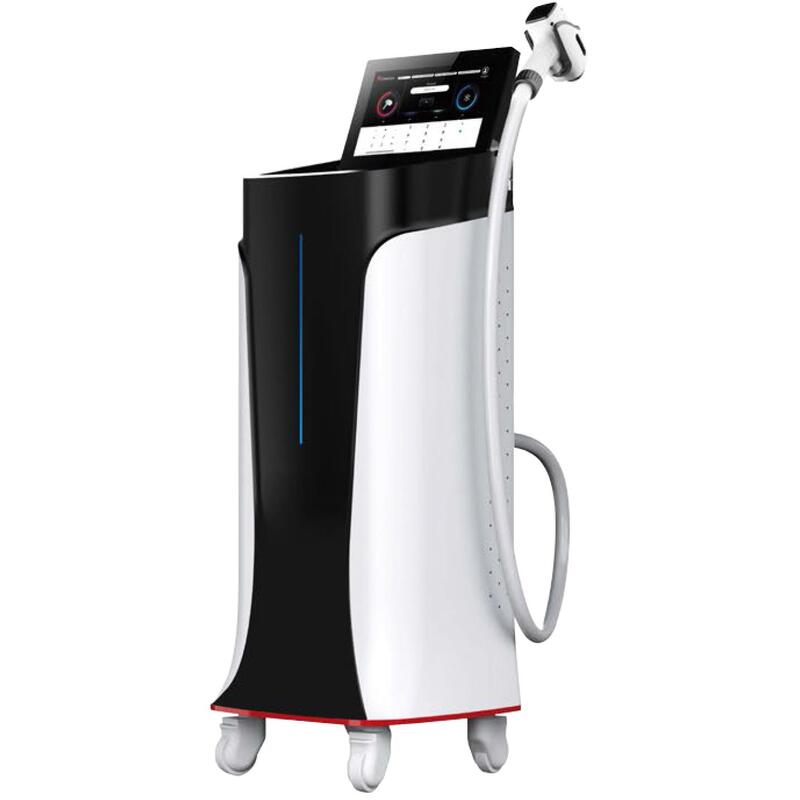
Clinic‑Ready Diode Laser Recommendation: KrySmooth AI Diode Laser
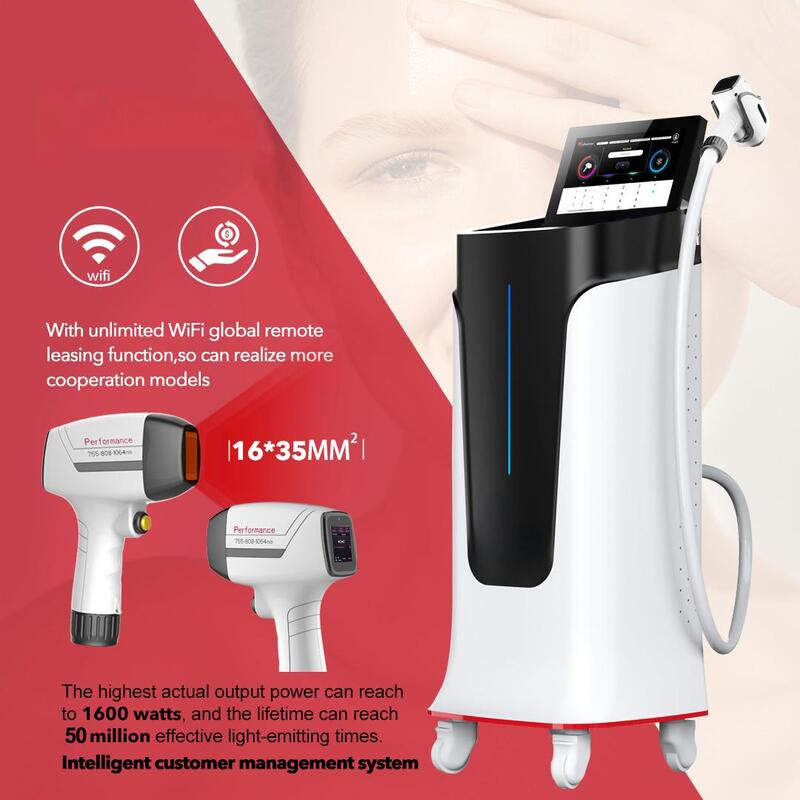
For clinics seeking a professional diode laser hair removal machine that delivers safety, effectiveness, and long‑term performance, the KrySmooth AI Diode Laser stands out as an advanced solution designed specifically for demanding clinical environments. As part of the Krysmed diode laser lineup, this system combines cutting‑edge technology with clinic‑oriented features to support both treatment quality and operational efficiency.
Why KrySmooth AI Is Ideal for Professional Use
The KrySmooth AI Diode Laser is engineered to meet the needs of clinics, medical spas, and aesthetic centers that prioritize consistent, high‑quality diode laser hair removal with maximum patient comfort. Key clinical advantages include:
| Feature | Description | Clinic Benefit |
|---|---|---|
| Multi-Wavelength System | 755 nm, 808 nm, 940 nm, 1064 nm | Treats a wide range of hair types and skin tones for consistent results |
| Advanced Cooling Technology | TEC cooling down to −22 °C | Protects epidermis, reduces discomfort, safe for sensitive areas |
| AI-Powered Intelligent Interface | Records patient data, recalls parameters, supports workflow | Ensures consistent treatment, reduces operator errors |
| High-Performance Laser Bars | Millions of effective flashes | Long-lasting investment suitable for busy clinics |
| FDA & CE Certified | International safety and quality standards | Confidence in professional clinical use |
| Ergonomic Handpiece & Smart Interface | Easy to handle, intuitive operation | Reduces operator fatigue, improves session efficiency |
| Customizable Parameters | Adjustable power, pulse duration, and frequency | Optimizes treatments for different hair and skin types |
Conclusion
Safe and effective diode laser hair removal is a combination of professional training, standardized protocols, precise parameter control, and high-quality equipment. Clinics that invest in these elements can deliver consistent, comfortable, and long-lasting results, building client trust and supporting sustainable business growth.
For clinics seeking a reliable, professional-grade solution, the KrySmooth AI Diode Laser offers multi-wavelength adaptability, advanced cooling, AI-powered interface, and ergonomic design—everything needed for safe, efficient, and high-quality treatments.
Ready to Elevate Your Clinic’s Hair Removal Services?
Safe, effective, and professional diode laser hair removal requires the right equipment, training, and protocols. With the KrySmooth AI Diode Laser, your clinic can deliver consistent, comfortable, and high-quality treatments that clients trust.
Contact Krysmed today to request a demo or get a personalized quote.
FAQ
1. What is diode laser hair removal?
Diode laser hair removal uses concentrated laser energy to target hair follicles, reducing hair growth safely and effectively over multiple sessions.
2. Is diode laser hair removal safe for all skin types?
Yes, especially with multi-wavelength systems like the KrySmooth AI, which can treat a wide range of hair colors and skin tones while protecting the epidermis.
3. How many sessions are needed for optimal results?
Most clients require 4–6 sessions spaced 4–6 weeks apart, depending on hair type, density, and treatment area.
4. Does diode laser hair removal hurt?
Discomfort is minimized with advanced cooling systems. Most clients describe a mild warming or snapping sensation during treatment.
5. Can clinics treat sensitive areas safely?
Yes. Proper parameters, controlled overlap, and cooling systems allow safe treatment of delicate areas such as the face, underarms, and bikini line.
6. What makes KrySmooth AI different from other diode lasers?
KrySmooth AI offers multi-wavelength targeting, AI-powered interface, advanced cooling, and ergonomic design, providing safe, consistent, and professional results for clinics.
7. How can clinics ensure consistent treatment outcomes?
Standardized protocols, operator training, patient assessment, and high-quality equipment all contribute to reliable diode laser hair removal results.
Our Contact
Ready to Elevate Your Business with Krysmed?
Let’s discuss your needs and find the best solution for your business. Our experts are here to provide personalized recommendations tailored to your business needs.
-
Call For Inquiry
-
Send Us Email
info@krysmed.com
Get A Custom Quote Now!
We value your privacy and guarantee a prompt, professional reply.
 WhatsApp
 info@krysmed.com
 +86 19867944875